



Modes
With
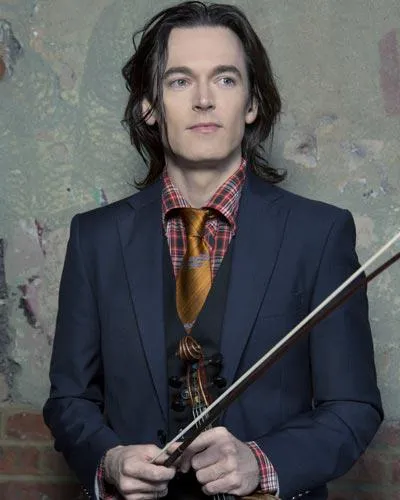
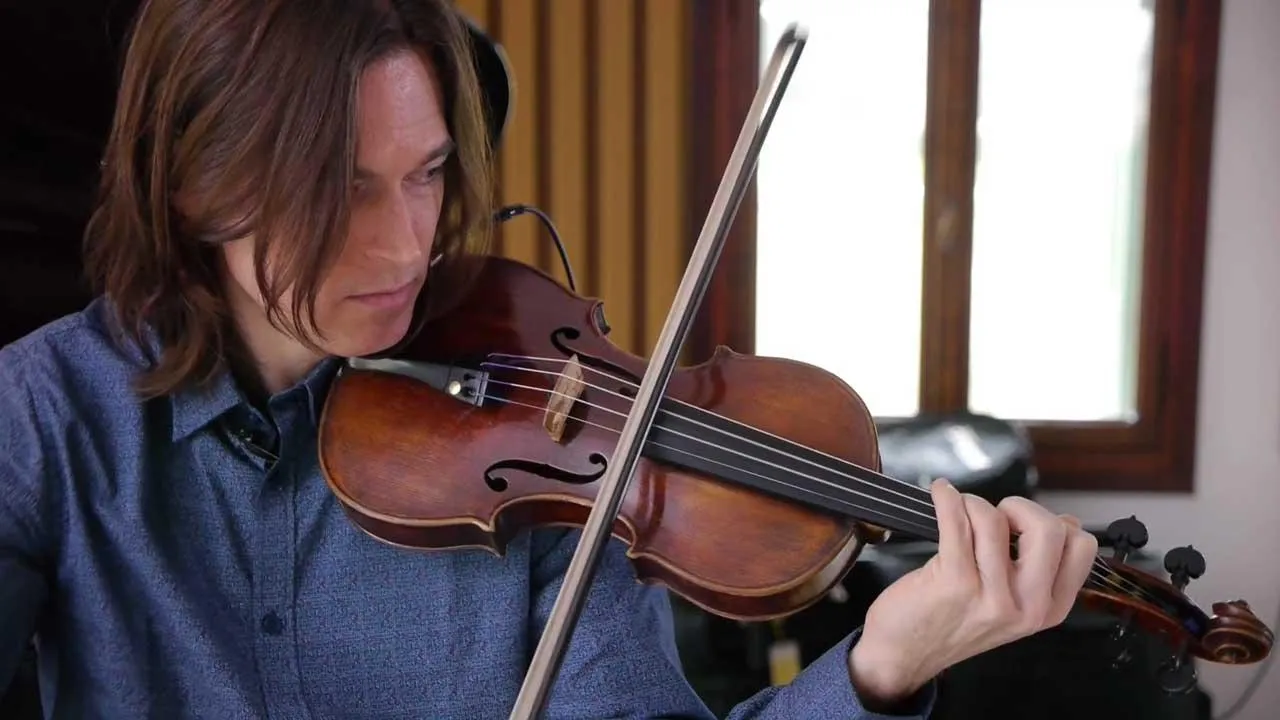
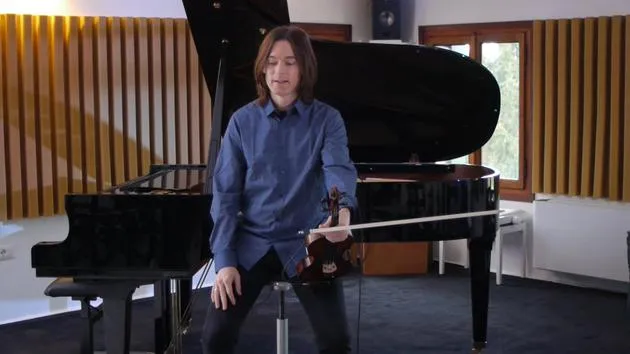
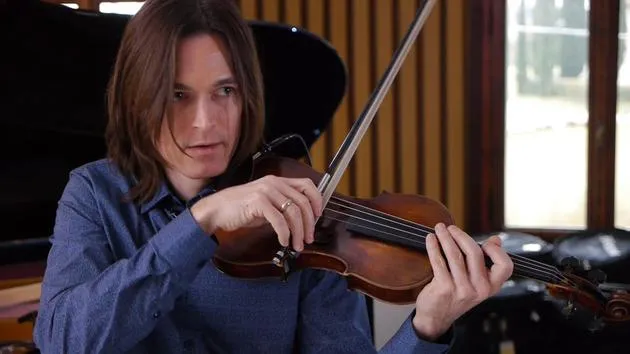
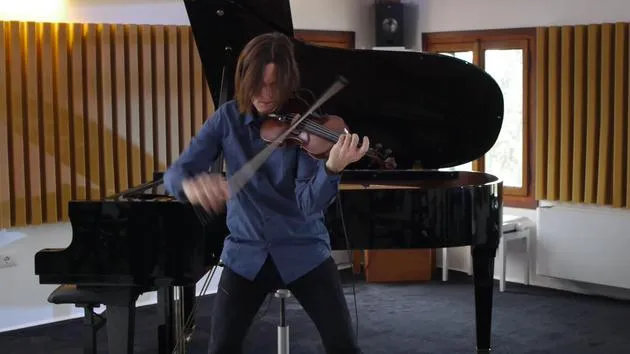
Zach BrockZach teaches you how to hip up your playing by gaining an understanding of modes and how to use them. Including how to make it fun to practice them by practising with a drone.
Why not post a video of yourself jamming with a drone in this course's exclusive facebook group - Improvise & Groove on Strings.
What's in the course
24 lessons (2h 32m) · 1 free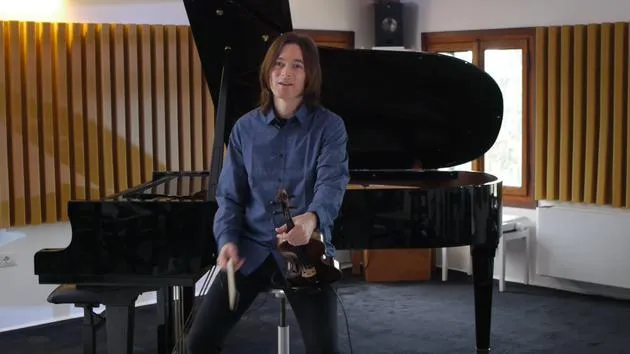
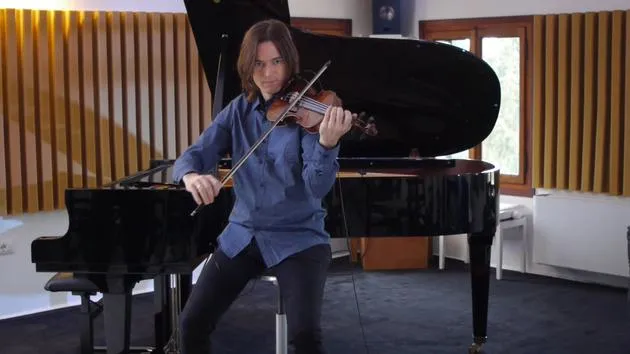
Lesson transcript
Understanding Modes in Music
Now we're going to talk about modes. This is definitely something that is useful for players of all styles. This can really hip up your folk playing.
If your intention is to play folk music, which is maybe not harmonically as dense as certain other types of music but certainly very beautiful, you might want to figure out ways of making your lead lines, melodies, or riffs kind of spicier.
As you get into more advanced improvisation, it becomes second nature.
The Modes Breakdown
- G Major: First Mode (G to G)
- Second Mode: A to A
- Third Mode: F# (B to B)
- Fourth Mode: C to C
- Fifth Mode: D to D
- Sixth Mode: E to E
- Seventh Mode: F# to F#
What is a Mode?
That's what a mode is. Each mode has a name:
- Ionian
- Dorian
- Phrygian
- Lydian
- Mixolydian
- Aeolian
- Locrian
However, if you can't associate those names with a sound or a certain flavor or color, it's not going to do you any good at all.
This can make playing scales on your instrument in different ways actually a lot of fun. Getting used to playing modes in all keys allows you to access the colors and flavors of each scale and tonality. This can really bring interest to your improvisation and add certain flavors and eloquence to your melodies.
Practicing Modes
I had a teacher who had me practice modes by making a recording of a vamp in the tonality and then improvising over it with each mode. Nowadays, a lot of you out there have loop pedals, or you can use an electric tuner or a piano with a sustain pedal where you just hit one note and let it sustain.
Here's How to Practice
-
Create a Drone:
- I'm going to give myself a G drone, just the note G.
-
Play the Modes:
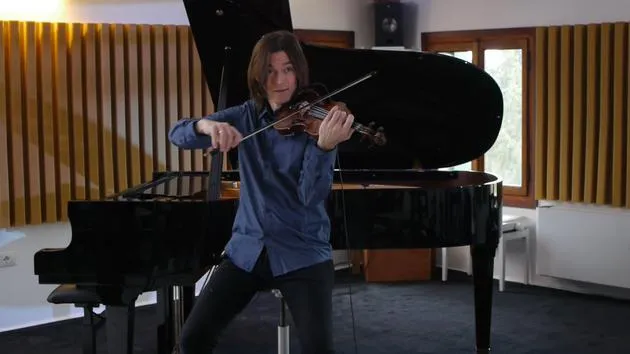
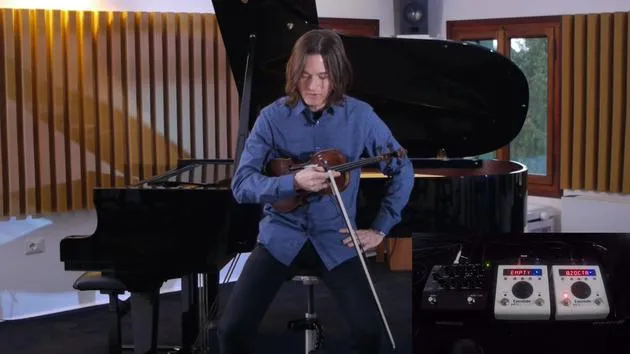
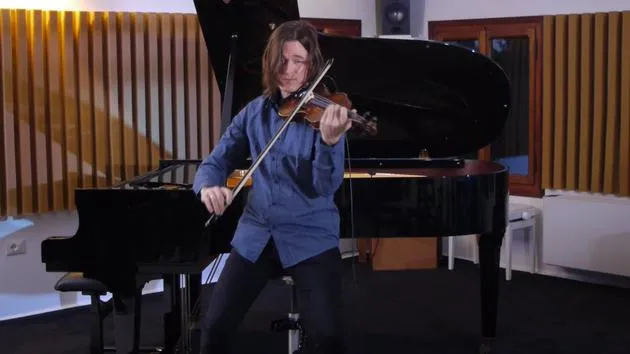
- Now, I'm going to play these modes over that so you can hear what that sounds like and then improvise a little bit.
Modes in Action
-
Ionian (G Major): Let's start with G major again.
-
Dorian: The second mode is Dorian. This is a minor-sounding scale, but there's something different about it. The sixth degree of the scale is high (F#), giving it a unique flavor. This is really the common minor sound in jazz music and a lot of newgrass and folk music.
-
Phrygian: The third mode is Phrygian. It's like a minor scale, but with a flat two (lowered second degree) and a lowered sixth.
-
Lydian: Using the fourth mode, Lydian, often heard in scenes from The Simpsons and other movies.
-
Mixolydian: The fifth mode is Mixolydian, which is a major scale with a lowered seventh degree.
-
Aeolian: The sixth mode is what classical musicians consider a minor sound, with a flat three and a flat six.
-
Locrian: Finally, the Locrian mode (seventh degree) offers very tense sounds, which we'll talk more about in relation to harmony later on.
Your Assignment
Pick a major scale that you're really comfortable with and play it like we did:
- First degree to first degree
- Second degree to second degree
- And so on, playing through all the modes.
This is just a little preparatory exercise that will take you 30 seconds or less.
Using a Drone
If you can, create a drone sound to ground you in that key.
- For example, we have this G drone, and I'm thinking G major. I'm going to improvise a bit on each mode and highlight these colors.
Explore Different Intervals
Remember, you don't have to be playing a complicated bebop tune to get a lot out of modes, it's great for a song just in one key.
You can find a lot of different colors from your plain old major scale. But don't stop there!
-
Double Stops: Play** thirds** and sixths, being mindful of the key signature (remember that F# if you're playing in G).
-
Try Seconds: You can discover beautiful sounds in there as well.
What you're doing is associating different creative, evocative sounds with the G major scale.
You all know a G major scale, and if you're watching this, there's so much you can start to do with what you already know!
24 lessons
2h 32m of structured video lessons
Advanced video features
Slow down, loop a passage, follow along
Mobile, tablet & desktop
Practise wherever you are
100% satisfaction guarantee
30-day money-back guarantee
Meet your guru
Meet your guru
Heralded as "the pre-eminent improvising violinist of his generation," Zach Brock is a violinist and composer whose music draws on the traditions of jazz, classical, world and popular music.
Zach received his first Grammy Award in 2017 for his work on Snarky Puppy's album Culcha Vulcha. His acclaim as a bandleader has grown through appearances at venues such as Carnegie Hall and festivals like "Tudo e Jazz" in Brazil, while his reputation as a sideman has spread through his work with legendary bassist Stanley Clarke, contemporary instrumental super-group Snarky Puppy, and jazz masters Phil Markowitz and Dave Liebman.
Zach has made ten recordings as a leader or co-leader and is the first violinist to record for the venerable Dutch jazz label Criss Cross. He has also represented the U.S. Department of State as a Musical Ambassador in the Solomon Islands, performed as a featured soloist for two Sundance Festival feature film scores, and is currently an Artist In Residence at Temple University in Philadelphia.
In his course you will learn to improvise on the violin straight from the source: how Zach approaches melody, rhythm and harmony, and how to start finding your own voice the way he has alongside Snarky Puppy and beyond.







