



Effect Types
With
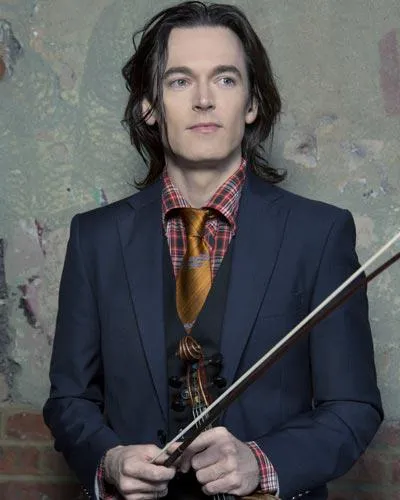
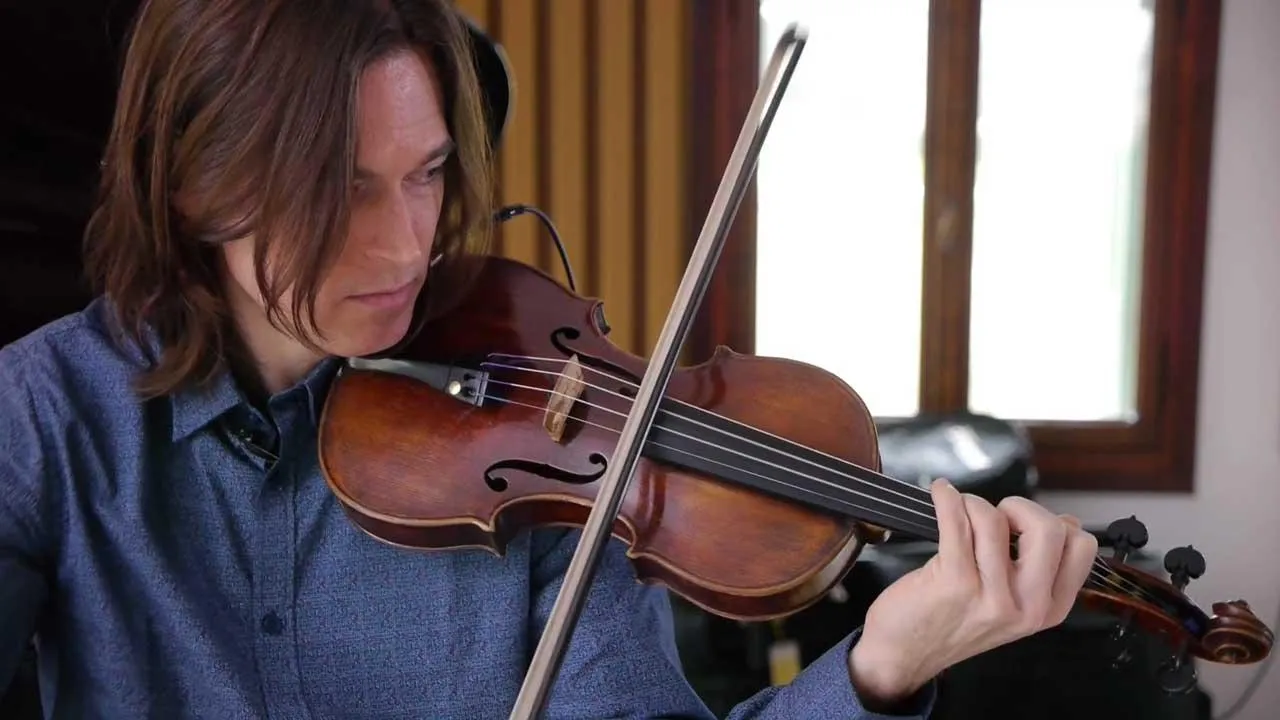
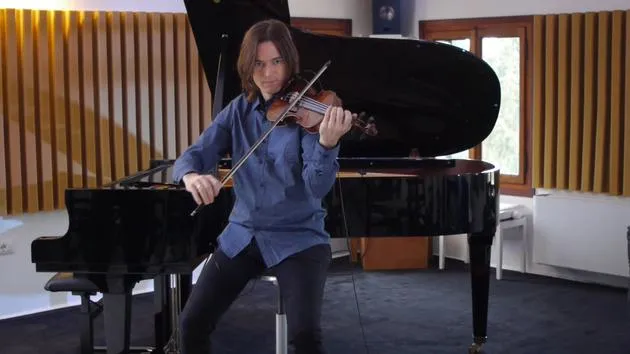
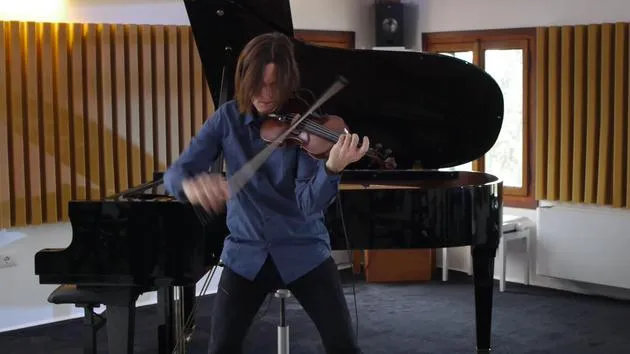
Zach BrockZach Brock breaks down the effects he uses on tour with Snarky Puppy, including the two Eventide H9 units in his violin signal chain.
What's in the course
24 lessons (2h 32m) · 1 free
Lesson transcript
Music Lesson: Effects Processing with Eventide H9s
Introduction to Signal Chain
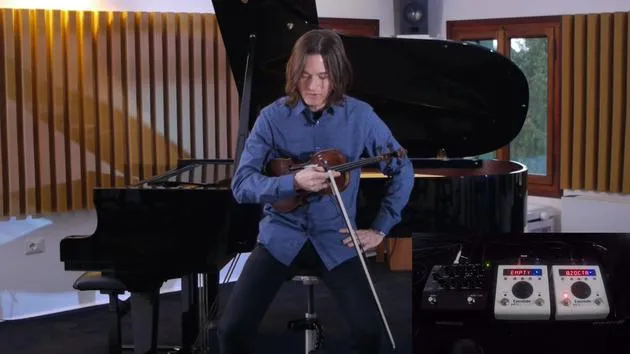
In this lesson, I'll discuss how I'm using two Eventide H9 multiprocessors in my signal chain. Both are advanced units that allow for rich sound manipulation. Here's how my setup works:
-
Signal Flow:
- Violin → Preamp → Volume Pedal (Tapestry Audio's Bloomery) → Effects Processors (H9s) → Preamp
-
Effects Loop:
- The effects loop sends processed sound to the board, enhancing the overall mix rather than relying solely on a clean direct input (DI) sound from the violin.
Importance of Active Volume Pedals
- Active vs Passive:
- Active Volume Pedal: Powered and maintains tone when volume is decreased.
- Passive Volume Pedal: High frequencies can roll off when reducing volume, changing the tone significantly.
Overview of Effects
First H9: Modulation Effects
-
Types of Effects:
- Harmonizers
- Distortions
- Phasers
-
Phaser Example:
- The classic Jean Luc Ponty Cosmic Messenger sound.
- Phasers can greatly enhance bowed string instruments.
Presets for Live Performance
- Each pedal contains a set number of presets, allowing for quick adjustments during performances.
- Using these two H9s simplifies the setup; otherwise, my pedal board would be enormous.
Effect Sound Examples
-
Classic Ring Modulator:
- Made famous by Moog; can be altered for various sounds.
-
Distortion with Octave:
- Adds depth and can be adjusted for different pitches.
-
Fuzz with Envelope Filter:
- Acts like an automatic wah pedal, responding to bowing intensity.
-
Synthesized Sounds:
- Some presets can create synth-like tones from the violin, leading to unique performance moments.
Harmonization
-
Basic Harmonization:
- Create perfect fourths below the played notes.
-
Example:
- Playing a D generates a fourth below (A) and slightly above.
-
Double Stops for Chords:
- You can achieve four-note chords through creative input.
Second H9: Space, Reverb, and Delay
-
Delay and Reverb:
- The combination of delay and reverb is crucial for my sound design.
- Basic sound: A combination that enhances spatial characteristics.
-
Complex Reverbs:
- Various algorithms create unique soundscapes.
-
Practice Integration:
- Integrating effects while practicing scales and arpeggios can enhance overall musicianship.
Conclusion
Using effects in music opens up vast creative possibilities. However, be prepared to invest time into fine-tuning your sounds. Since these effects are designed for different instruments, you'll need to adjust them for the violin specifically.
Whether you prefer mastering the instrument itself or becoming proficient with effects, there's plenty of room for exploration. Can't wait to hear what unique sounds you create!
24 lessons
2h 32m of structured video lessons
Advanced video features
Slow down, loop a passage, follow along
Mobile, tablet & desktop
Practise wherever you are
100% satisfaction guarantee
30-day money-back guarantee
Meet your guru
Meet your guru
Heralded as "the pre-eminent improvising violinist of his generation," Zach Brock is a violinist and composer whose music draws on the traditions of jazz, classical, world and popular music.
Zach received his first Grammy Award in 2017 for his work on Snarky Puppy's album Culcha Vulcha. His acclaim as a bandleader has grown through appearances at venues such as Carnegie Hall and festivals like "Tudo e Jazz" in Brazil, while his reputation as a sideman has spread through his work with legendary bassist Stanley Clarke, contemporary instrumental super-group Snarky Puppy, and jazz masters Phil Markowitz and Dave Liebman.
Zach has made ten recordings as a leader or co-leader and is the first violinist to record for the venerable Dutch jazz label Criss Cross. He has also represented the U.S. Department of State as a Musical Ambassador in the Solomon Islands, performed as a featured soloist for two Sundance Festival feature film scores, and is currently an Artist In Residence at Temple University in Philadelphia.
In his course you will learn to improvise on the violin straight from the source: how Zach approaches melody, rhythm and harmony, and how to start finding your own voice the way he has alongside Snarky Puppy and beyond.







