



The Chop
With
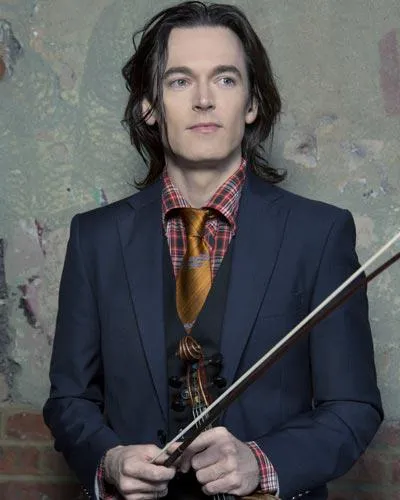
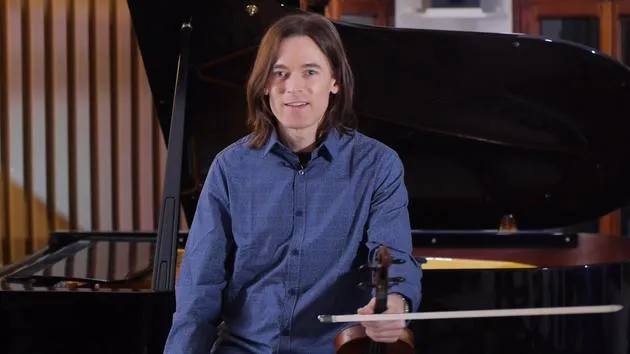
Zach BrockZach Brock introduces the chop, a percussive, pitchless bowing technique for rhythmic accompaniment pioneered by fiddler Darol Anger.
What's in the course
24 lessons (2h 32m) · 1 free
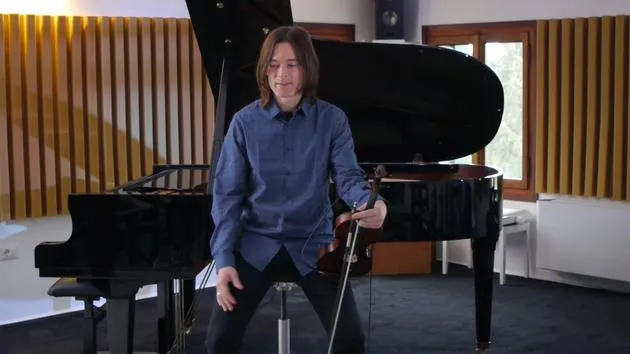
Lesson transcript
The Chop Technique in String Instruments
The chop is a technique that more and more people are using outside of just the American bluegrass and folk traditions. It's showing up everywhere in groove music and new music.
Understanding the Chop
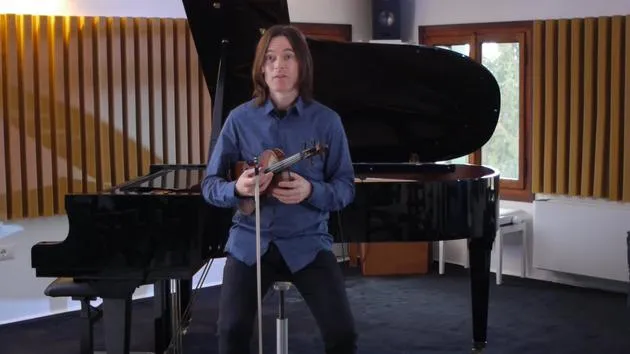
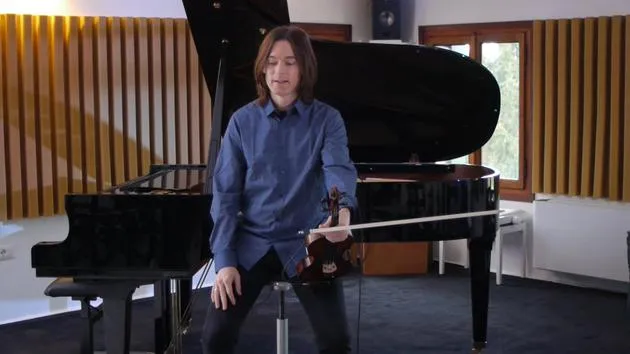
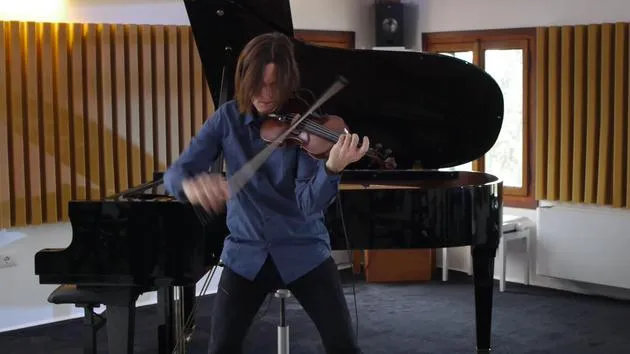
The idea is that you sort of play pitchless percussion on your stringed instrument. This was originally shown to me by one of the pioneers of this technique, the great fiddler Darrell Anger. Here's how he explained it:
- I've seen other people do it in different ways, and it really all depends on the sound that you get.
- Throw out your ideas of the right and wrong things to do with your bow.
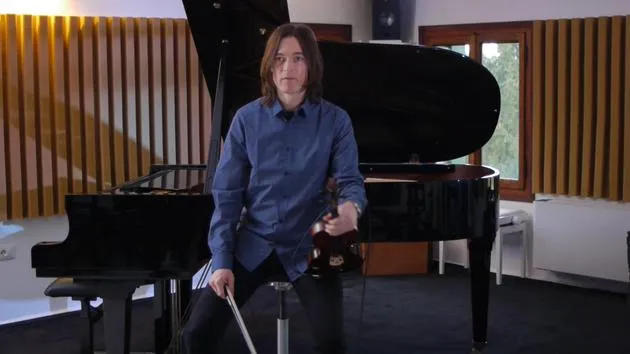
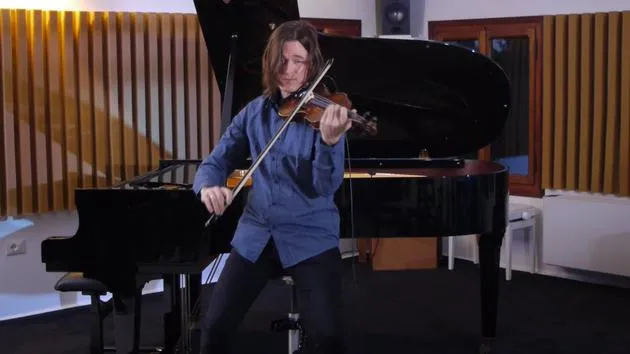
For the classical players out there, who are taught that unless you're doing col legno, your bow never goes this way, I want you to try something different.
Technique Steps
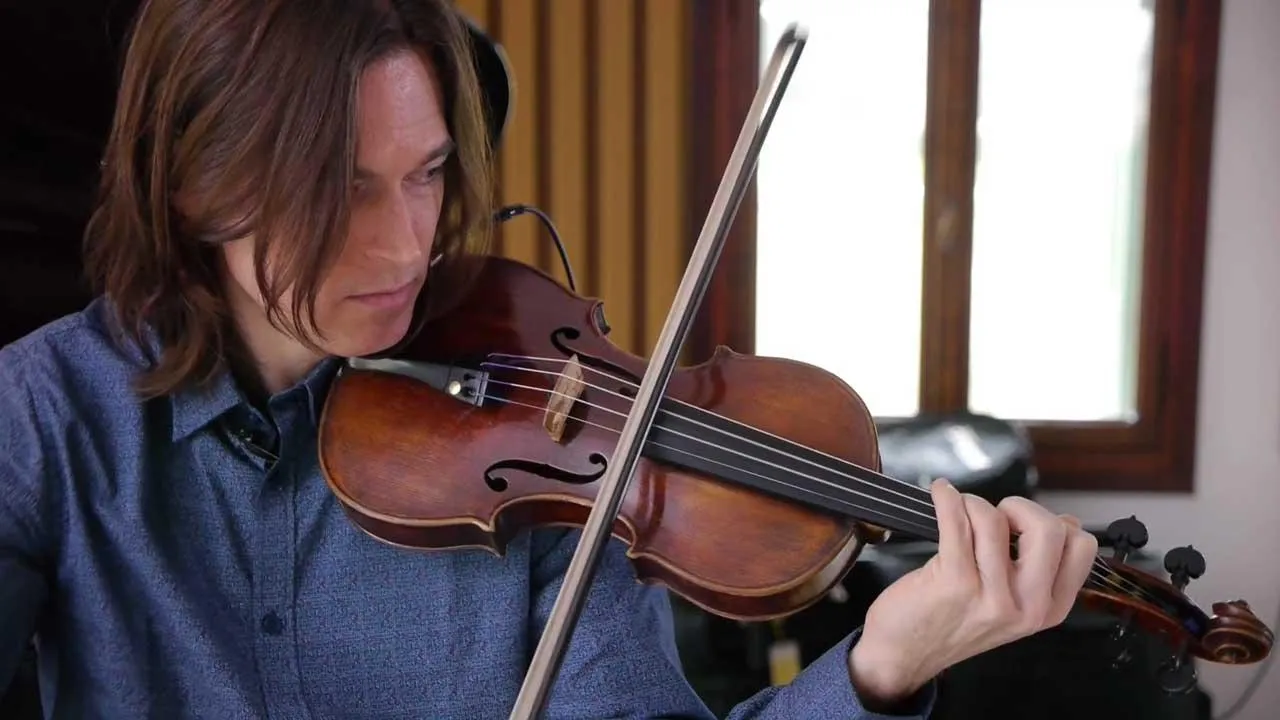
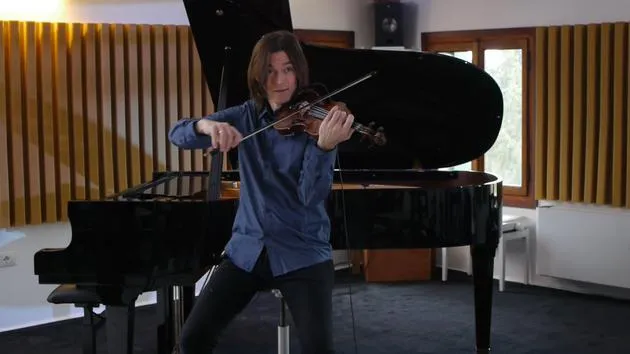
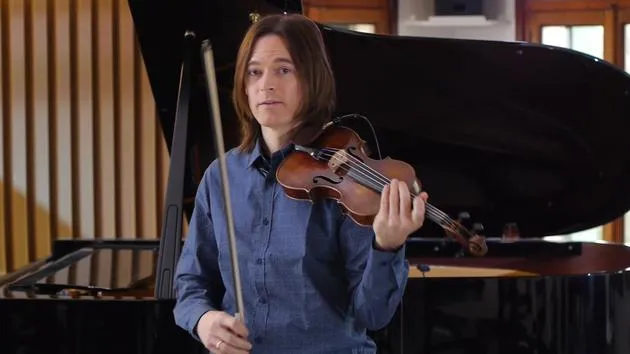
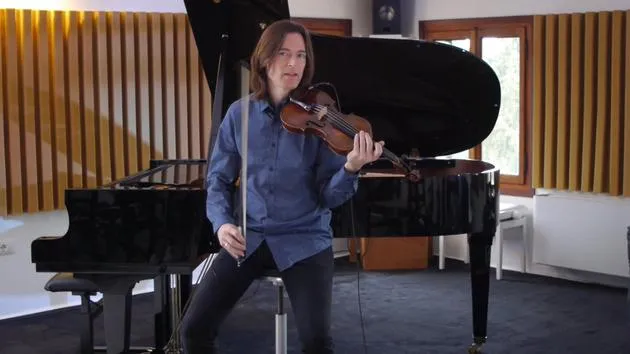
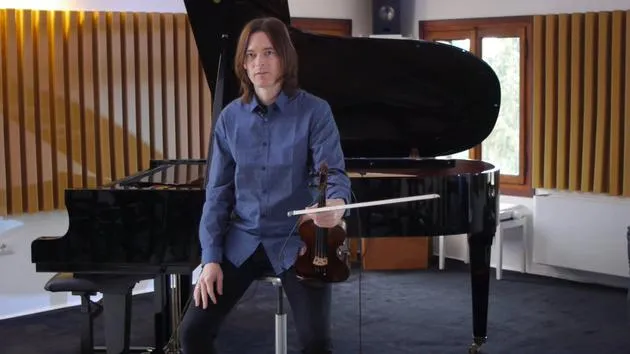
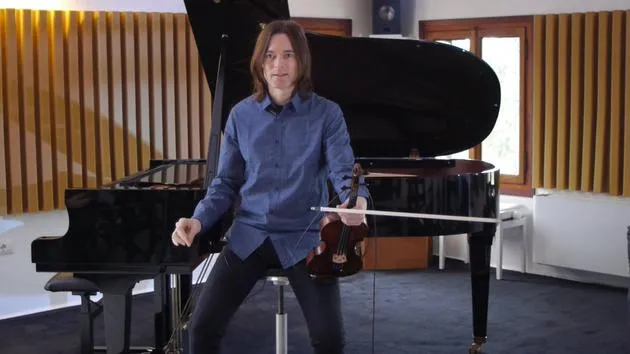
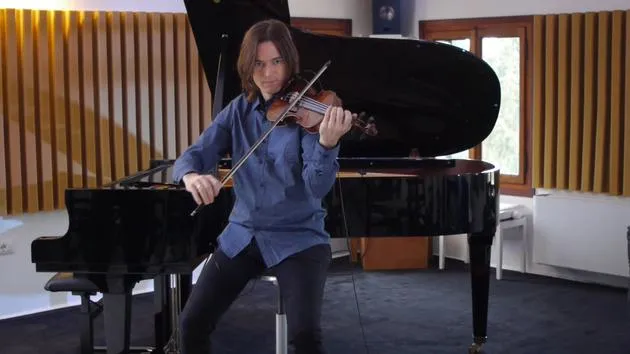
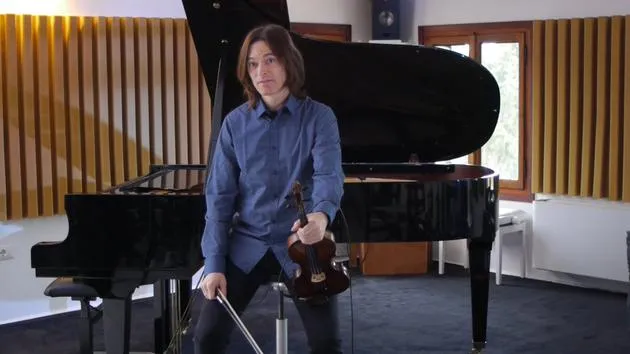
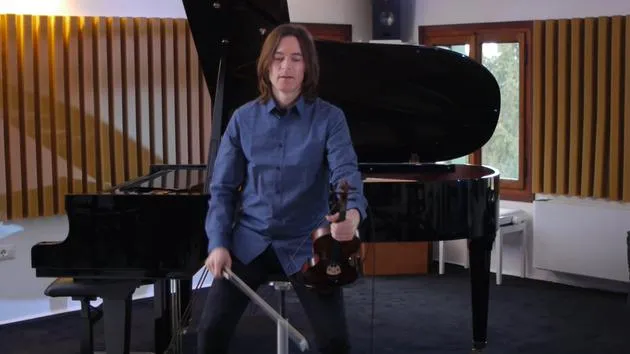
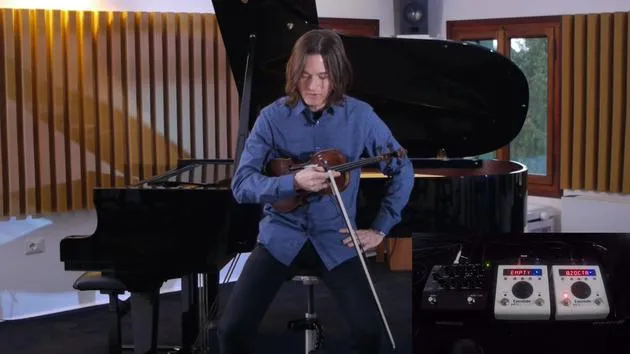
- Hold your bow like normal.
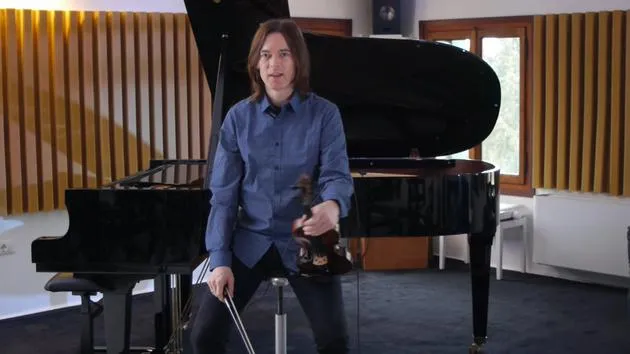
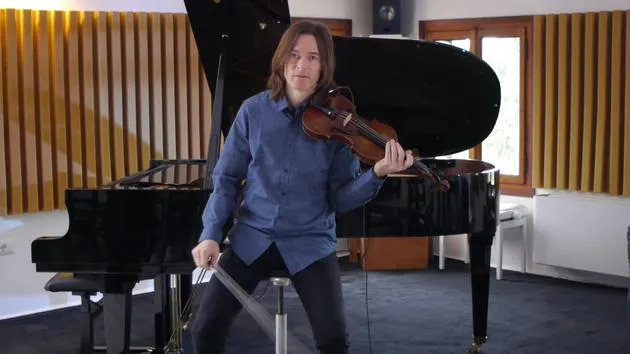
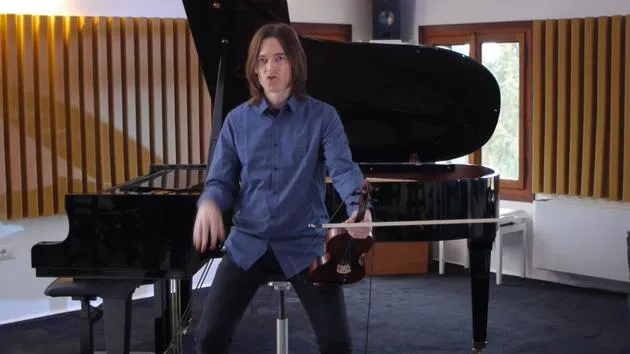
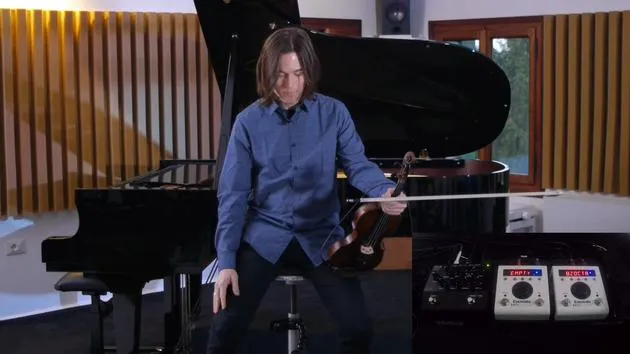
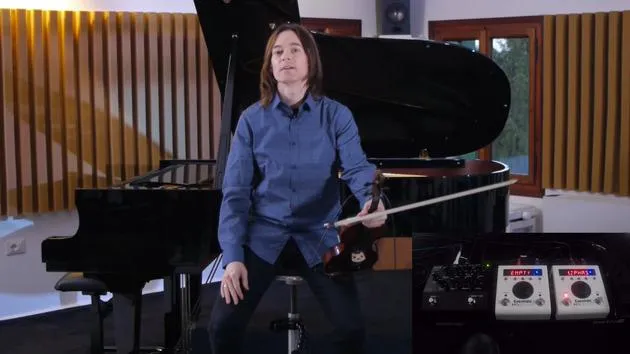
- Straighten your thumb (a big no-no) and flip your bow out the wrong way.
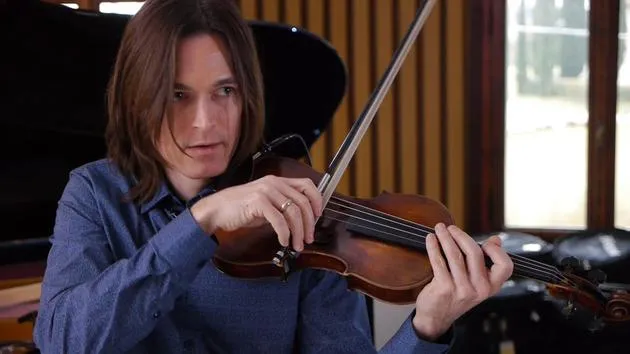
- Start by muting your strings with your left hand. My fingers are on the strings so that they won't ring at all.
Now, as you start:
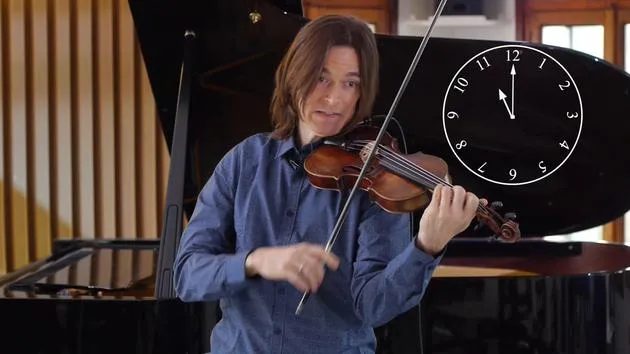
- Come straight down. You might notice it doesn't really make much sound.
- Begin sweeping your hand at a gradually more acute angle towards the scroll. Here, I'm going vertical, then a little more to get that sound.
You're using the other side of the hair on your bow.
Developing the Technique
Here's a simple exercise:
- Start with a rhythmic pattern: chop, chop, retract, chop, retract.
- Build up different rhythms.
Experiment:
- Turn off the metronome and mess around with this technique.
- You could put on a metronome and try to come up with a groove similar to the way a guitarist or mandolin player might approach strumming.
Exploring Sound Variations
Another interesting aspect to consider is the difference in sound between low and upper strings, even with muted notes:
- The sound has a different pitch , it's subtle, but you can explore patterns like bass drum, snare, bass drum, snare.
Experiment further:
- Try playing lower down the strings or switching to a higher position for sharper sounds, perhaps reminiscent of a piccolo snare.
Conclusion
The idea is really to take conventional techniques and flip them on their head, allowing you to use them creatively.
You can always return to 'correct' playing afterward, but incorporating these techniques definitely makes practice more enjoyable and can enhance your time feel as well!
24 lessons
2h 32m of structured video lessons
Advanced video features
Slow down, loop a passage, follow along
Mobile, tablet & desktop
Practise wherever you are
100% satisfaction guarantee
30-day money-back guarantee
Meet your guru
Meet your guru
Heralded as "the pre-eminent improvising violinist of his generation," Zach Brock is a violinist and composer whose music draws on the traditions of jazz, classical, world and popular music.
Zach received his first Grammy Award in 2017 for his work on Snarky Puppy's album Culcha Vulcha. His acclaim as a bandleader has grown through appearances at venues such as Carnegie Hall and festivals like "Tudo e Jazz" in Brazil, while his reputation as a sideman has spread through his work with legendary bassist Stanley Clarke, contemporary instrumental super-group Snarky Puppy, and jazz masters Phil Markowitz and Dave Liebman.
Zach has made ten recordings as a leader or co-leader and is the first violinist to record for the venerable Dutch jazz label Criss Cross. He has also represented the U.S. Department of State as a Musical Ambassador in the Solomon Islands, performed as a featured soloist for two Sundance Festival feature film scores, and is currently an Artist In Residence at Temple University in Philadelphia.
In his course you will learn to improvise on the violin straight from the source: how Zach approaches melody, rhythm and harmony, and how to start finding your own voice the way he has alongside Snarky Puppy and beyond.







