



Thinking Differently About Arpeggios
With
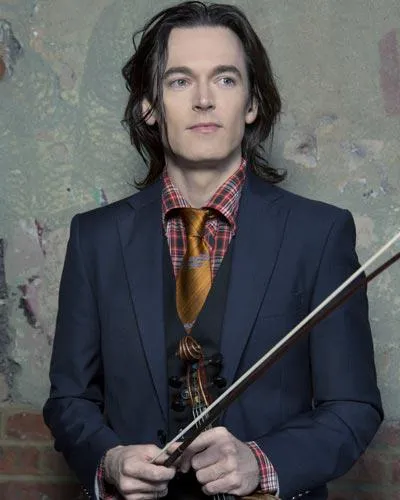
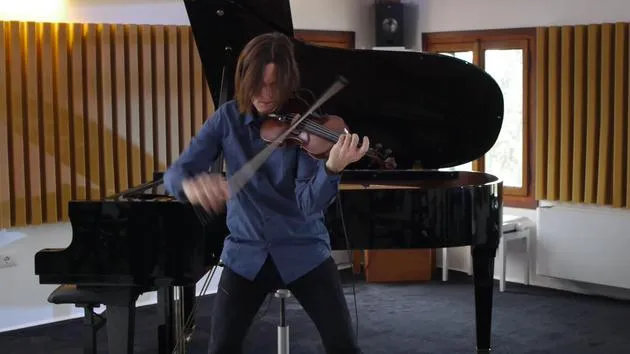
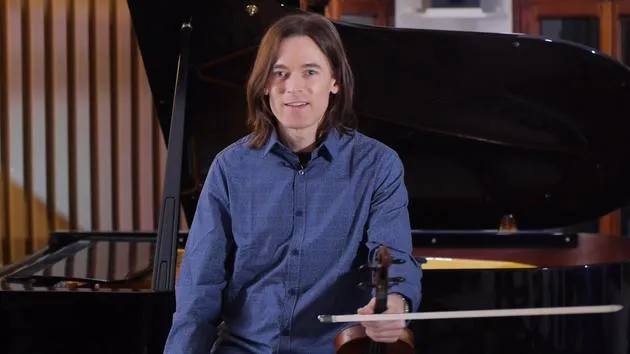
Zach BrockZach talks about thinking of arpeggios as 'voicings' of chords, allowing you to think about harmony
What's in the course
24 lessons (2h 32m) · 1 free
Lesson transcript
Understanding Arpeggios in a Harmonic Context
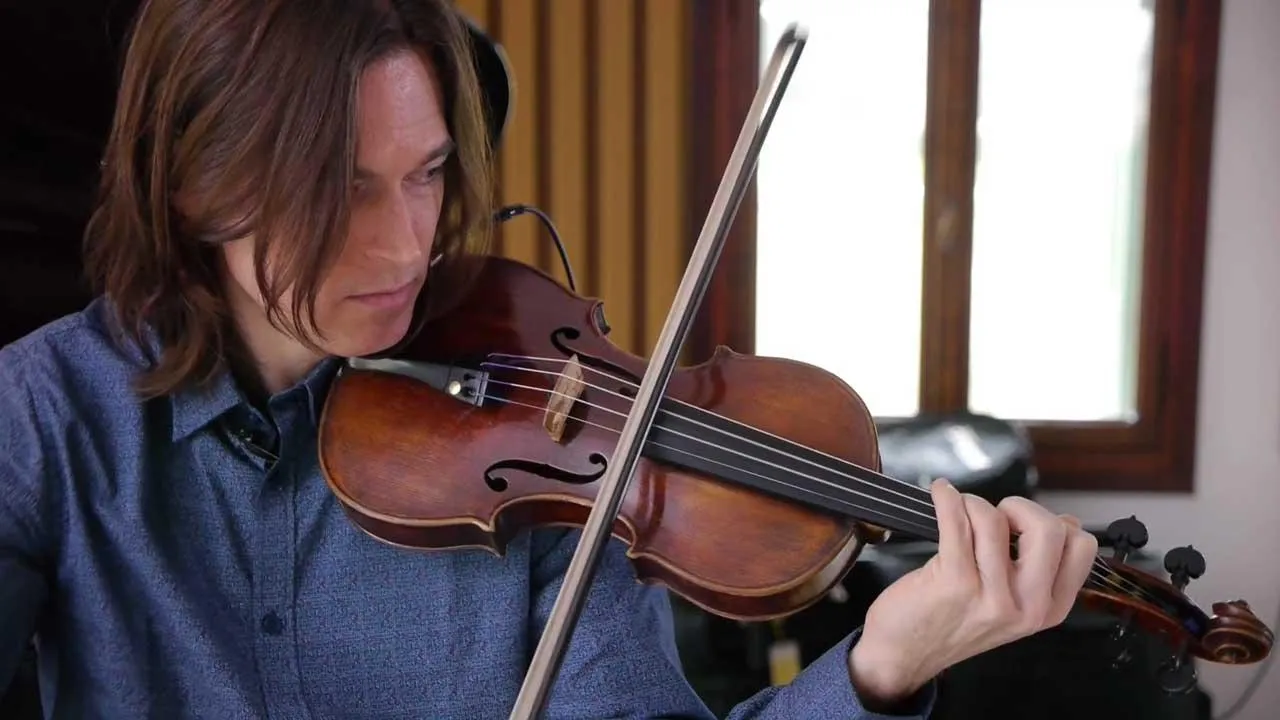
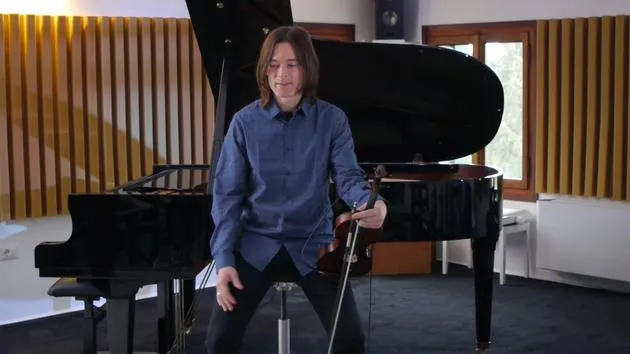
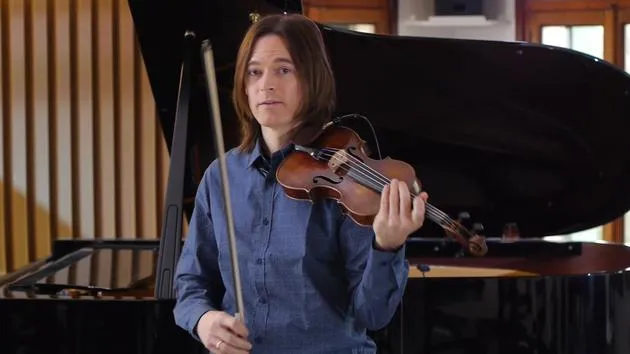
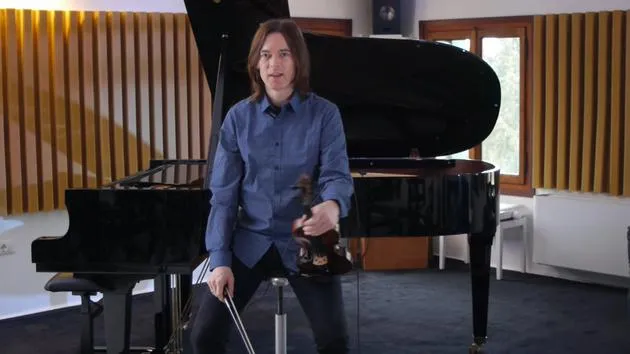
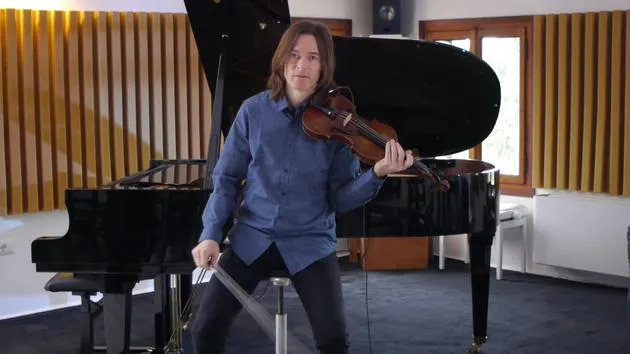
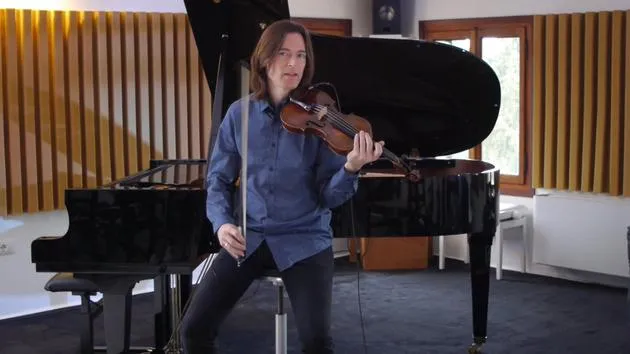
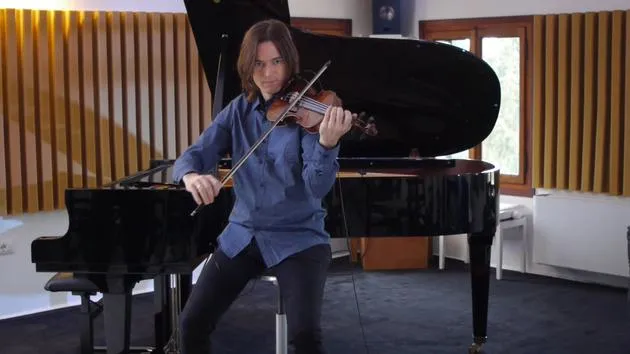
You're all familiar with arpeggios. One thing that oftentimes, as string players, we're not so aware of, is where those arpeggios are coming from in a harmonic context.
Chord Progressions
Now, maybe you might even hear this chord progression. If you don't hear that chord progression, then you've got some work to do.
-
G Major Triad (I chord):
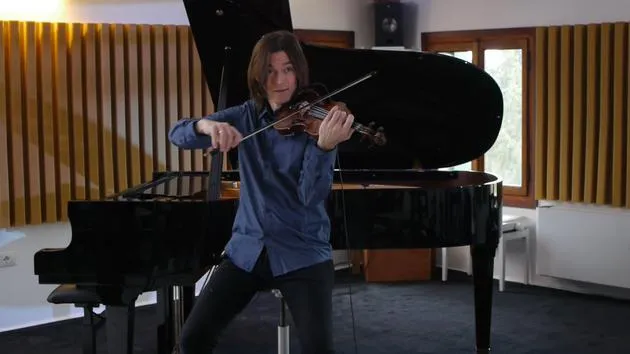
- I'm playing in G once again. This is a G major triad.
-
C Major Triad (IV chord):
- Then I'm playing in C.
- C is the fourth degree of G, so that's what people refer to as the IV chord.
-
D Major Arpeggio (V chord):
- Then I played the arpeggio, D, a D major arpeggio off of the fifth degree. That's the V.
And then we hear that it's going back to this.
Exploring Arpeggios
There are myriad books, exercises, and resources discussing all of this different stuff. I want to show you a few things that you can do with these basic arpeggios that you already know. This arpeggio that I'm playing is a major third followed by a minor third with the root on top.
Exercise 1: Play Arpeggios from Each Scale Degree
- I want you to take a G major scale and play an arpeggio starting off of each degree like we did the modes.
- Demonstration: You hear the harmony in that.
Harmony is just stacking scales, initially in thirds. As we start to voice them or change the intervals within that, it can become a lot more complicated.
For string players who are not used to thinking about stacking harmony like that, because it's a bit more of a technical concern for us than, say, a piano player, it's important to start doing this with your scales. This is how you start to relate your melodies to harmony.
Exercise 2: Varying Directions
I want you to do the same exercise, but in different directions:
- Up, Up, Up: (as previously demonstrated)
- Down, Down, Down
- Up, Down, Up, Down
- Down, Up, Down, Up
Demonstration:
- Going down, down.
- Now go slow and really think about this.
This may feel unfamiliar and can be frustrating, so remember: go really slow and be accurate.
Identifying Triad Qualities
Now, I want you to:
- Pick a scale, perhaps one you've been practicing in the modes, and play the triads off of each scale degree.
- Listen to those harmonies.
Exercise 3: Determine Harmonic Quality
After you get the technical part under control and play the right accidentals, identify the quality of each triad:
- Harmonic Qualities:
- Major triads
- Minor triads
- Augmented triads
- Diminished triads
When playing a major scale, you will not come across any augmented triads. As you play triads through the G major scale, identify each one across all 12 keys.
- First triad: Major
- Second triad: Minor
- Third triad: Minor
- Fourth triad: Major
- Fifth triad: Major
- Sixth triad: Minor
- Seventh triad: Diminished
Advanced Exploration
You might be more advanced and have gone through all of this, but have you done this with all of your melodic minor scales? What about your harmonic minor and, of course, harmonic major?
As we get into different tonalities, each one has its own inherent harmony. Playing the triads and then seventh chords will enable you to hear the harmony that comes with each scale.
24 lessons
2h 32m of structured video lessons
Advanced video features
Slow down, loop a passage, follow along
Mobile, tablet & desktop
Practise wherever you are
100% satisfaction guarantee
30-day money-back guarantee
Meet your guru
Meet your guru
Heralded as "the pre-eminent improvising violinist of his generation," Zach Brock is a violinist and composer whose music draws on the traditions of jazz, classical, world and popular music.
Zach received his first Grammy Award in 2017 for his work on Snarky Puppy's album Culcha Vulcha. His acclaim as a bandleader has grown through appearances at venues such as Carnegie Hall and festivals like "Tudo e Jazz" in Brazil, while his reputation as a sideman has spread through his work with legendary bassist Stanley Clarke, contemporary instrumental super-group Snarky Puppy, and jazz masters Phil Markowitz and Dave Liebman.
Zach has made ten recordings as a leader or co-leader and is the first violinist to record for the venerable Dutch jazz label Criss Cross. He has also represented the U.S. Department of State as a Musical Ambassador in the Solomon Islands, performed as a featured soloist for two Sundance Festival feature film scores, and is currently an Artist In Residence at Temple University in Philadelphia.
In his course you will learn to improvise on the violin straight from the source: how Zach approaches melody, rhythm and harmony, and how to start finding your own voice the way he has alongside Snarky Puppy and beyond.







