



Overview of the piece

With
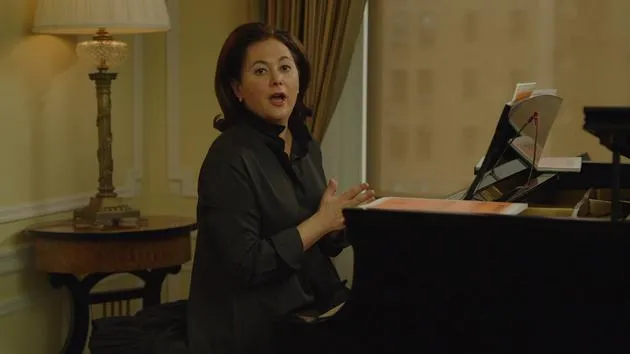
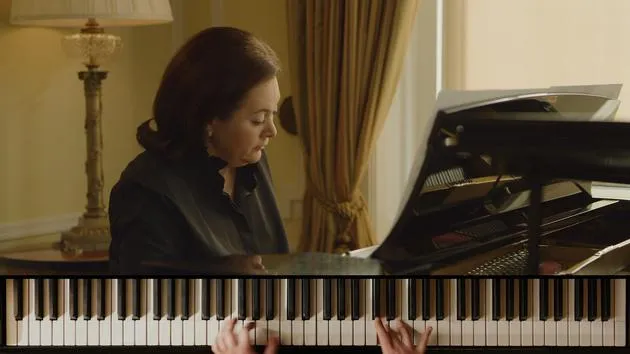
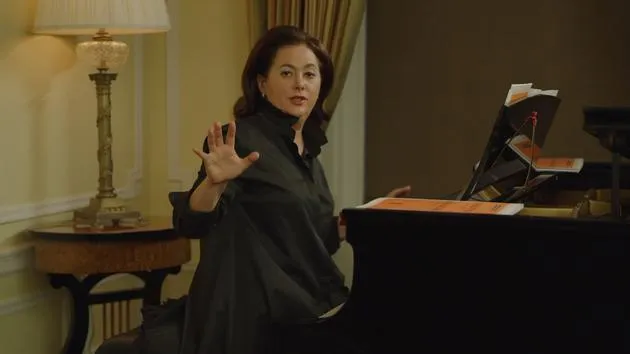
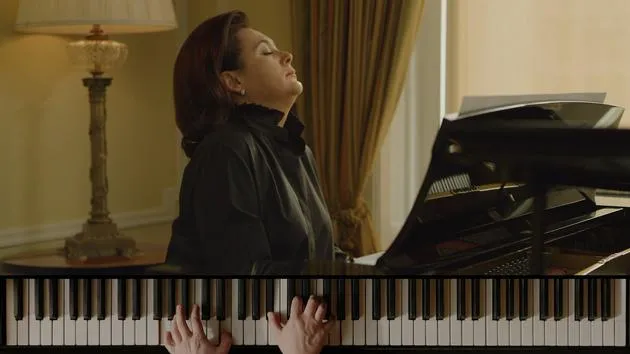
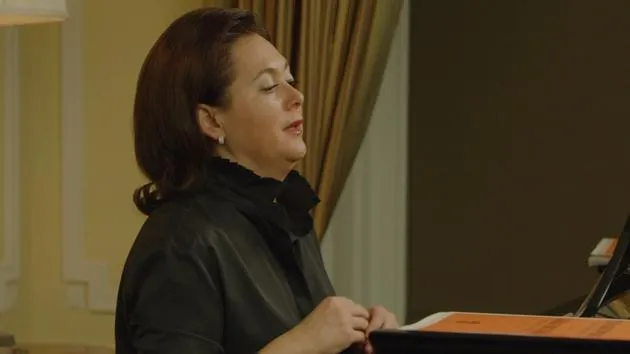
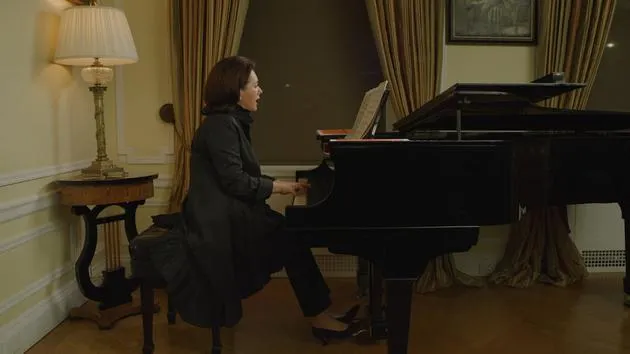
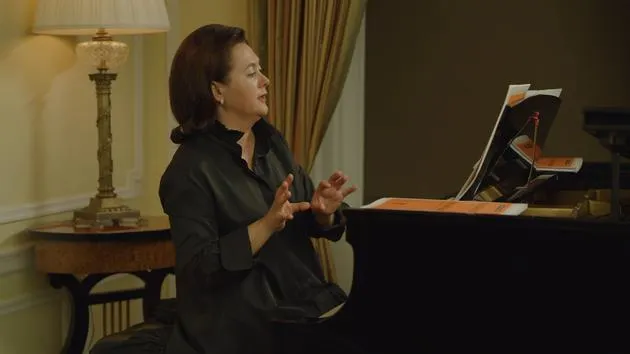
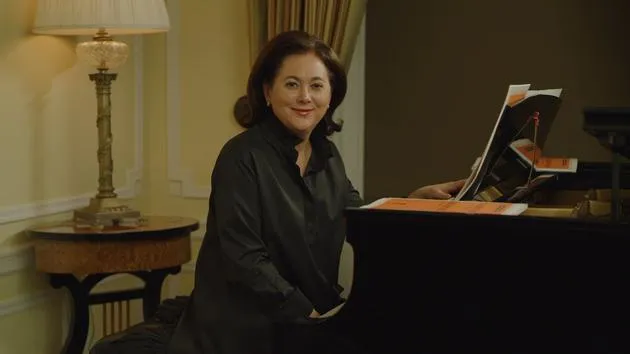
Julia ZilberquitJulia Zilberquit introduces Tchaikovsky's 'March: Song of the Lark' - its ABA structure, poetic inspiration and the mood you'll aim to capture.
What's in the course
27 lessons (1h 57m) · 1 free
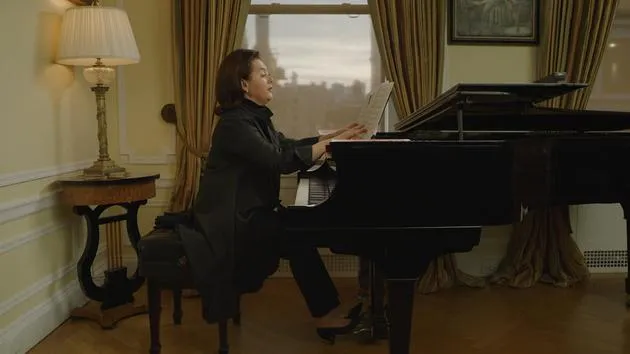
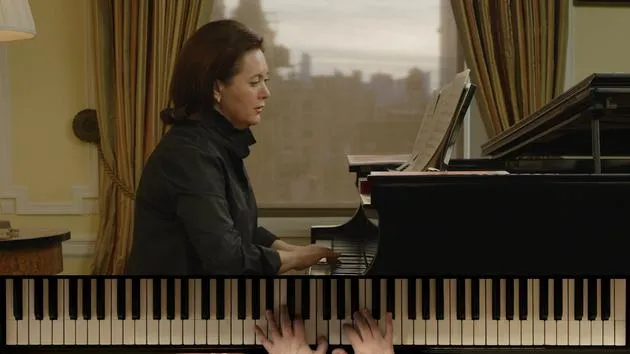
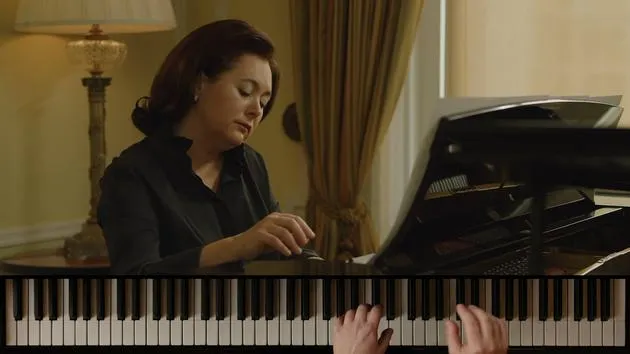
Lesson transcript
March: The Song of the Lark
Structure Overview:
- Three-Part Form (ABA form)
- Introduction: First two measures
- First Part: 20 measures (11 to 30)
- Middle Part: 8 measures (31 to 38)
- Conclusion: 8 measures (39 to 46)
Poetic Epigraph:
As mentioned previously, the publisher selected a poetic epigraph for each piece. For the March, the chosen poem is by the well-known Russian poet Apollon Maikov:
"The field shimmering with flowers,
The stars swirling in the heavens.
The song of the lark fills the blue abyss."
It's safe to assume that in this instance, the lark's song was suggested by the publisher. However, as we listen to the music, we hear remarkable imitation and mimicking of actual birds, which may well have been Tchaikovsky's own idea.
Characteristics of the Piece:
- March is the shortest and seemingly the simplest out of the 12 pieces.
- It features a beautiful melody and accompaniment.
- The real task lies in expressing and performing the subtle and refined structure inherent in the piece.
Practice Recommendations:
-
Separate Hands Practice:
- Start with the left hand.
- Tchaikovsky's so-called accompaniment is not simple; it is always polyphonic and rich.
-
Interaction Between Hands:
- Expect a question-and-answer dynamic with the right hand.
-
Setting the Mood:
- The introduction establishes the mode/mood of the piece, which is very somber and sad.
Contextual Analysis:
- March is recognized as the first spring month; however, in Russia, especially before global warming, March often still feels like winter.
- The atmosphere can be described as gloomy, particularly in G minor.
- There is a glimpse of spring represented in the B flat major section of the middle part.
Symbolism of the Lark:
- The lark is a solitary bird, often associated with the coming of spring; its song signifies that spring is approaching but not yet fully realized.
- This creates a profound sense of melancholy throughout the piece.
Performance Insights:
- Tchaikovsky provides clues through his writing:
- The lark's song indicates a vocal structure; performers should aim to "sing" the music.
- There are slurs that may correspond to a singer's breathing, emphasizing the need to create beautiful phrases with the accompaniment.
Tempo Indication:
- Andantino: Not too fast or too slow.
- Espressivo: With great expression.
These indications from Tchaikovsky are crucial hints for a compelling performance.
27 lessons
1h 57m of structured video lessons
Advanced video features
Slow down, loop a passage, follow along
Mobile, tablet & desktop
Practise wherever you are
100% satisfaction guarantee
30-day money-back guarantee
Meet your guru
Meet your guru
Russian-born American pianist Julia Zilberquit has earned critical acclaim as a recitalist, chamber musician and recording artist. She was praised by The New York Times as "an outstanding soloist" after her Carnegie Hall performance of Cesar Franck's symphonic poem Les Djinns for piano and orchestra with Leon Botstein and the American Symphony Orchestra.
In 2014, Warner Classics released her CD Bach: Complete Solo Keyboard Concertos. This recording features the premiere of two Bach-Vivaldi Concerti Grossi arranged by Ms. Zilberquit for piano and orchestra, and was hailed as a "gorgeous rendition" by the prestigious Gramophone Magazine. Her arrangement of the Shostakovich Concertino for 2 Pianos, Op. 94 for piano and orchestra was premiered at Carnegie Hall; she has performed it worldwide to critical acclaim and recorded it with Vladimir Spivakov and the Moscow Virtuosi. Other recordings include a solo recording, The Mystery of Bagatelles, released by Naxos. The CD was praised as a "superb performance" by The Washington Post, and described as an "adventurous program, sparkling with unusual clarity and pointillistic luminescence" in London's Piano Magazine.
Her recitals have taken place at major concert halls including New York's Weill Recital Hall at Carnegie Hall, the 92nd Street Y, and Alice Tully Hall at Lincoln Center. Engagements at major international music festivals include appearances in Seattle, Colmar (France), Klangbogen (Vienna), Valery Gergiev's "White Nights" (St. Petersburg), Richter's "December Nights" (Moscow), "The Palaces of St. Petersburg," the Bard Music Festival in New York, and the Penderecki Festival (Poland).
A native of Moscow, Julia Zilberquit was born into a family of musicians. She graduated from the Moscow Gnessin School of Music and The Juilliard School (class of Bella Davidovich). She lives in New York City with her husband, son and daughter.
In this course she draws on that artistry to guide you through four movements of Tchaikovsky's "The Seasons" - March, April, June and October - so you can shape their poetry and colour at the keyboard yourself.







