



First part
With
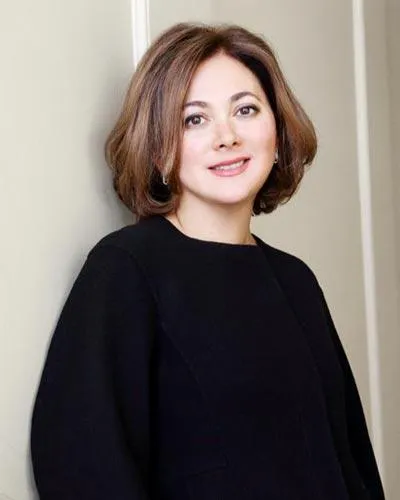
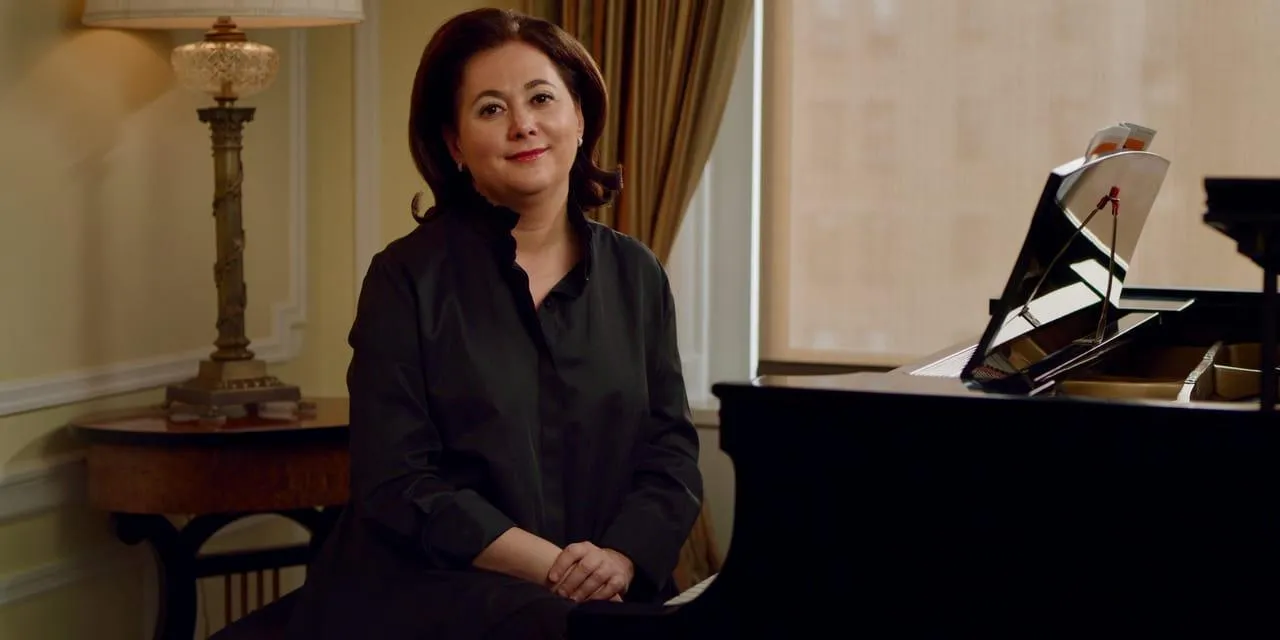
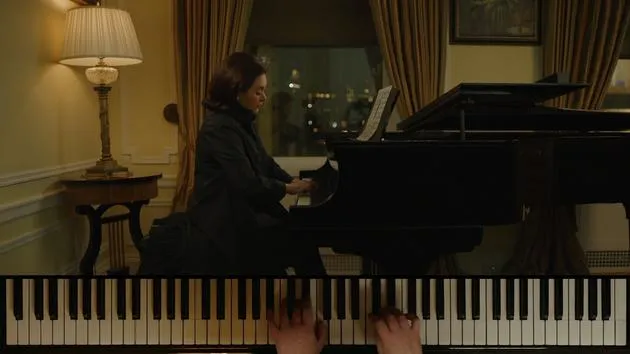
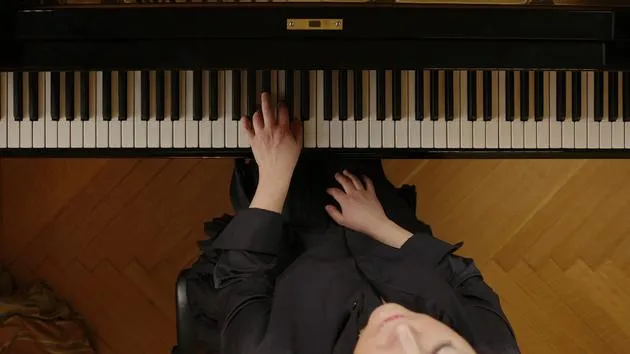
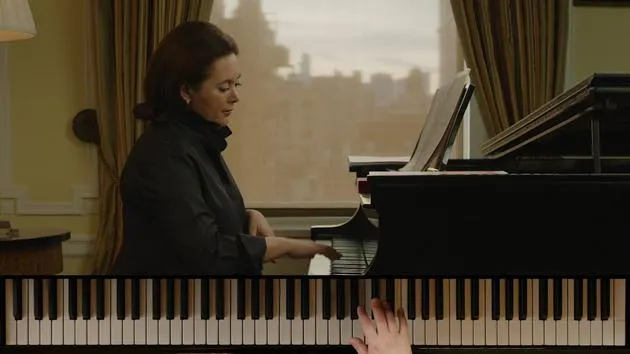
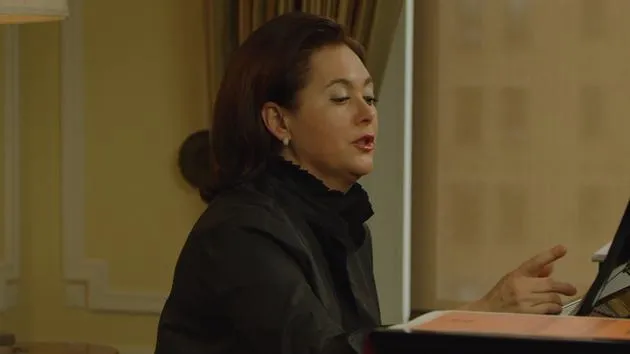
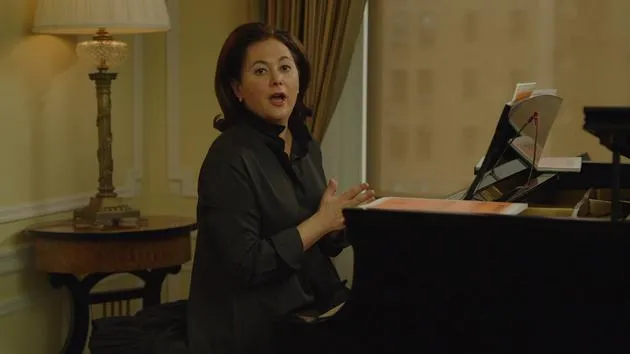
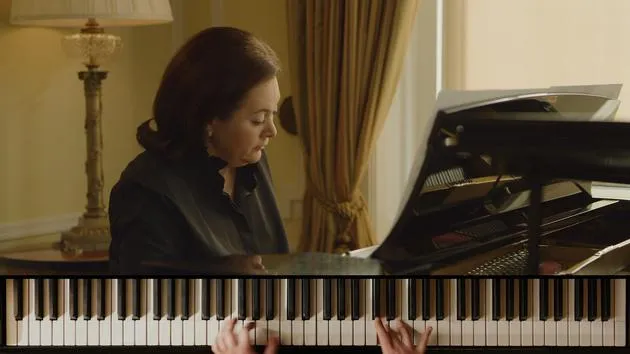
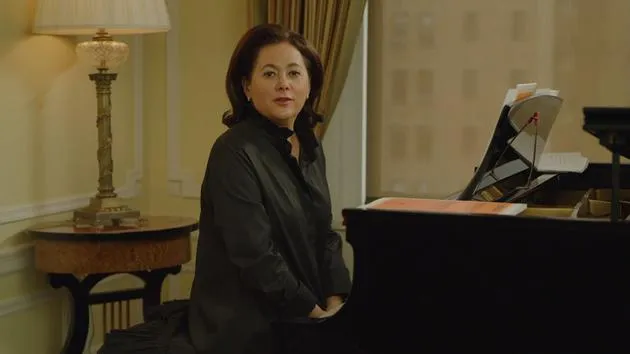
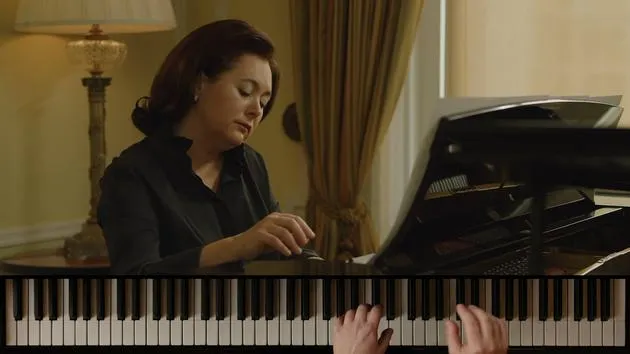
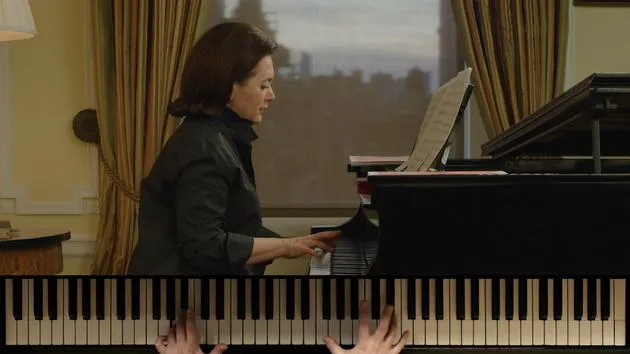
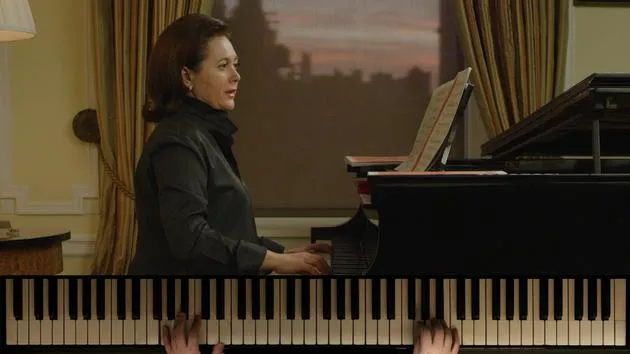
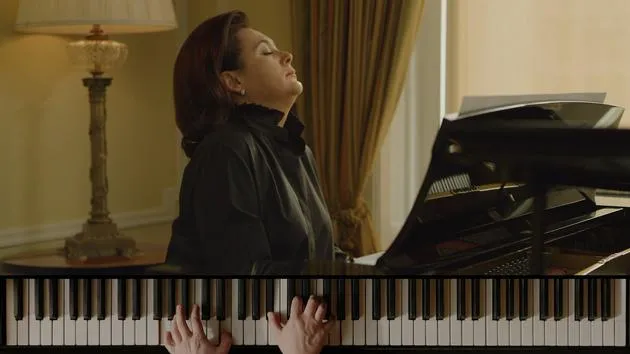
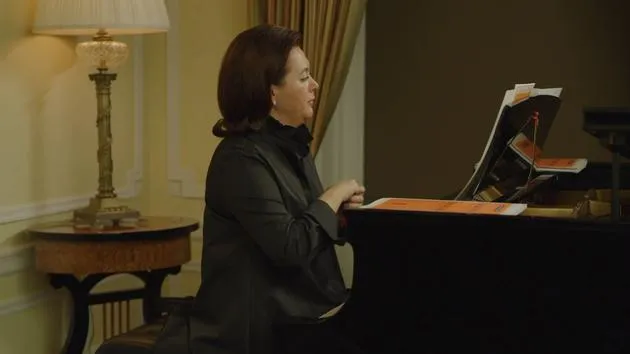
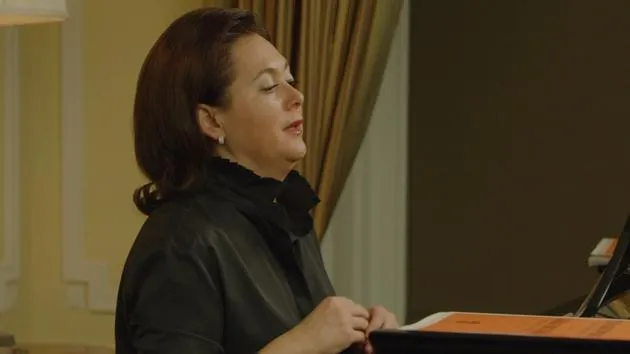
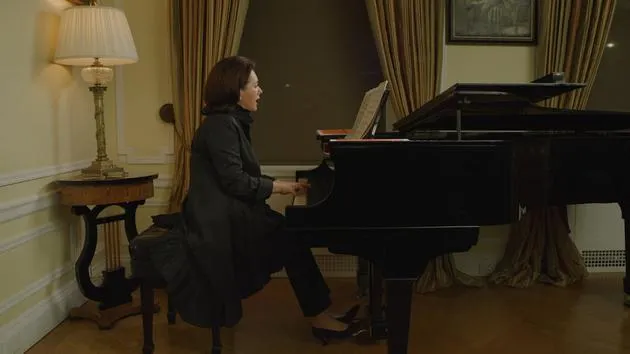
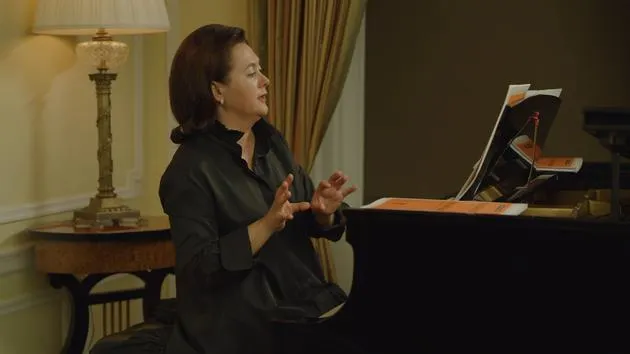
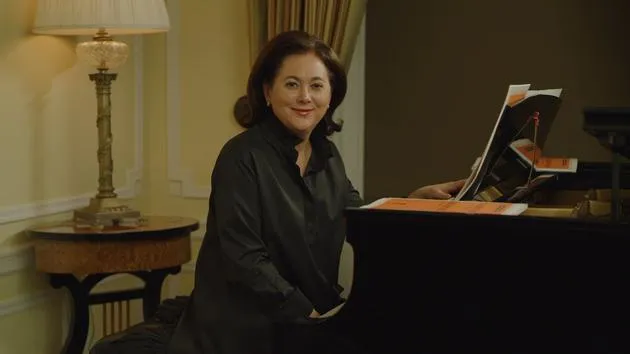
Julia ZilberquitJulia Zilberquit works through the first section of Tchaikovsky's March from The Seasons, focusing on a free, relaxed left hand and legato phrasing.
What's in the course
27 lessons (1h 57m) · 1 free
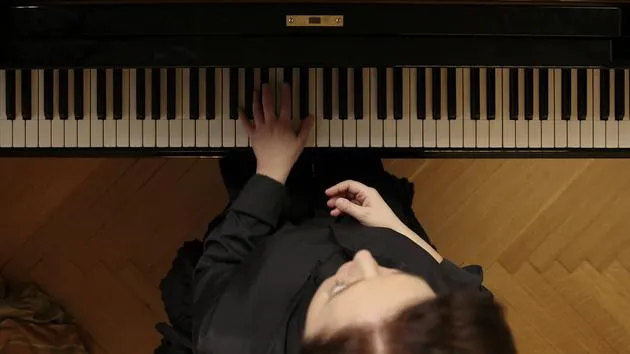
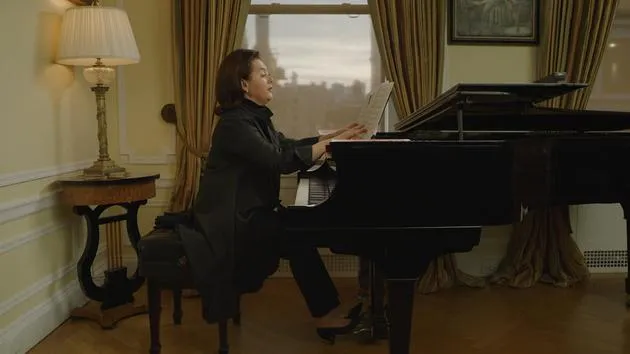
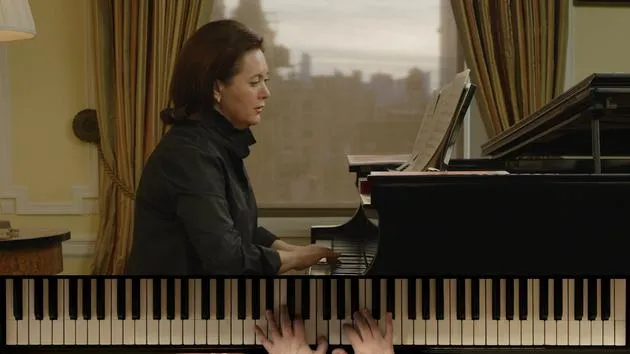
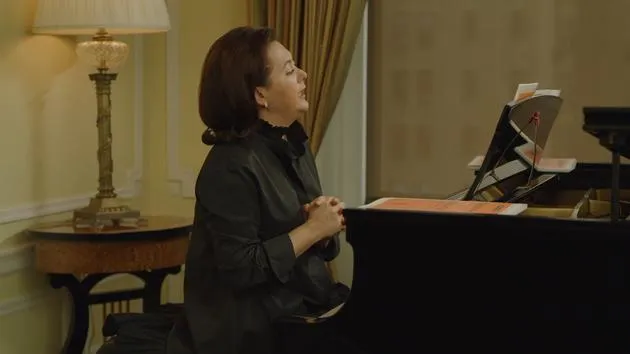
Lesson transcript
Music Lesson: Left Hand Techniques
Introduction
In this lesson, we will focus on the left hand and its role throughout the piece.
Practice Suggestions
-
Long Notes:
- Begin by taking a long note, whether it's a G in the first section or B flat in the second section.
- Ensure your hand is very free:
- Your wrist should be relaxed.
- Your elbow should be out while you play the chords, holding the bass.
- This is a very good and useful practice.
-
Middle Section:
- Practice the middle voice separately.
- Create a sense of legato in the middle voice, especially when the harmony changes in the left hand.
- It's essential to hear that line in the middle part.
-
For Beginners:
- Once you've side-read the piece, work through the text.
- Practice the left hand in full, complete chords to gain a better understanding of the harmonies.
Right Hand Techniques
As we shift to the right hand, remember:
Legato & Relaxation
- Aim for a good legato.
- Keep your wrists free and elbows out.
- Tchaikovsky mimics a bird in this piece, which we will explore.
Bird Sounds
- There are two ways he mimics birds:
- A fast triplet that sounds almost like a mordant.
- Ensure your wrist is flexible and your elbow is out.
- Suggested exercise: play hands separately, then together.
Grace Notes
- In the middle part, you'll notice grace notes that sound like a bird. Focus on:
- Playing the interval first (whether a third or a fourth).
- Keeping your elbow out and relaxed while playing grace notes.
- Establish a "circle" where your wrists are free, and elbows are out.
Avoiding Short Note Dangers
- Watch for the danger of playing shorter notes too loudly.
- Maintain a controlled sound, even when mimicking a bird.
Breathing as a Singer
An essential aspect of this piece is "breathing" when you play:
- Observe the slurs that Tchaikovsky includes; they guide the phrasing.
- Ensure a long, very smooth phrase, particularly as you crescendo towards G.
- Remember, the left hand:
- Mimics and repeats the same phrasing.
Left Hand as an Equal Partner
In Tchaikovsky's compositions:
- The left hand is not merely accompaniment; it's an equal partner.
- Think in terms of dialogue, like between a violin and cello or soprano and bass.
- Echoing, imitation, and question-answer dynamics are crucial.
Important Considerations
- When playing the first phrase leading to G, the left hand should mirror this.
- Pay attention to the descending bass line in the left hand; it's structurally important.
- The left hand can also contribute to the melody, often termed the middle voice or sub voice.
- This section should create a crescendo to a note and then transition into a diminuendo to finish.
27 lessons
1h 57m of structured video lessons
Advanced video features
Slow down, loop a passage, follow along
Mobile, tablet & desktop
Practise wherever you are
100% satisfaction guarantee
30-day money-back guarantee
Meet your guru
Meet your guru
Russian-born American pianist Julia Zilberquit has earned critical acclaim as a recitalist, chamber musician and recording artist. She was praised by The New York Times as "an outstanding soloist" after her Carnegie Hall performance of Cesar Franck's symphonic poem Les Djinns for piano and orchestra with Leon Botstein and the American Symphony Orchestra.
In 2014, Warner Classics released her CD Bach: Complete Solo Keyboard Concertos. This recording features the premiere of two Bach-Vivaldi Concerti Grossi arranged by Ms. Zilberquit for piano and orchestra, and was hailed as a "gorgeous rendition" by the prestigious Gramophone Magazine. Her arrangement of the Shostakovich Concertino for 2 Pianos, Op. 94 for piano and orchestra was premiered at Carnegie Hall; she has performed it worldwide to critical acclaim and recorded it with Vladimir Spivakov and the Moscow Virtuosi. Other recordings include a solo recording, The Mystery of Bagatelles, released by Naxos. The CD was praised as a "superb performance" by The Washington Post, and described as an "adventurous program, sparkling with unusual clarity and pointillistic luminescence" in London's Piano Magazine.
Her recitals have taken place at major concert halls including New York's Weill Recital Hall at Carnegie Hall, the 92nd Street Y, and Alice Tully Hall at Lincoln Center. Engagements at major international music festivals include appearances in Seattle, Colmar (France), Klangbogen (Vienna), Valery Gergiev's "White Nights" (St. Petersburg), Richter's "December Nights" (Moscow), "The Palaces of St. Petersburg," the Bard Music Festival in New York, and the Penderecki Festival (Poland).
A native of Moscow, Julia Zilberquit was born into a family of musicians. She graduated from the Moscow Gnessin School of Music and The Juilliard School (class of Bella Davidovich). She lives in New York City with her husband, son and daughter.
In this course she draws on that artistry to guide you through four movements of Tchaikovsky's "The Seasons" - March, April, June and October - so you can shape their poetry and colour at the keyboard yourself.







