



About the creation of "The Seasons"

With
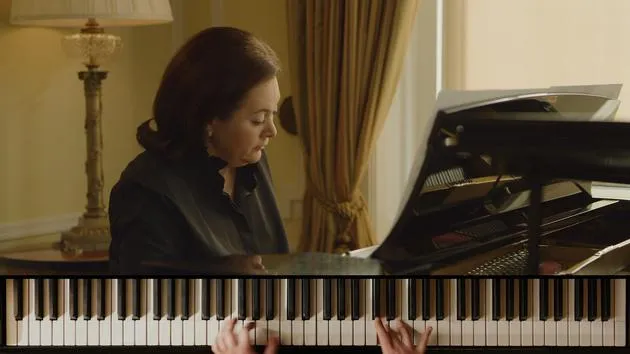
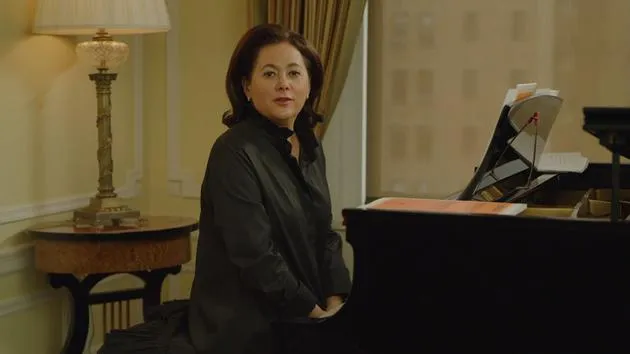
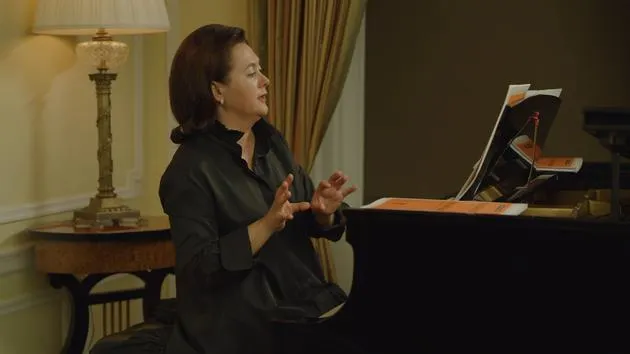
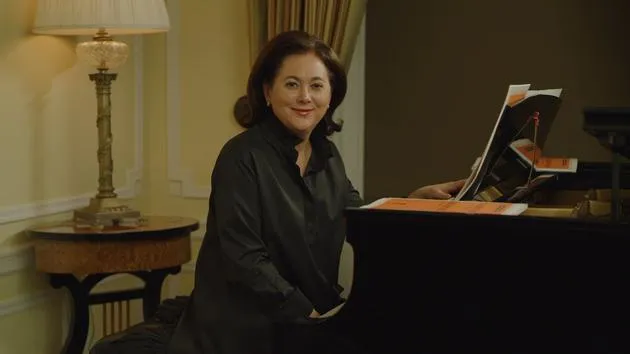
Julia ZilberquitJulia Zilberquit tells the story behind Tchaikovsky's The Seasons, the 1875–76 cycle written one piece a month for a St Petersburg magazine.

What's in the course
27 lessons (1h 57m) · 1 free
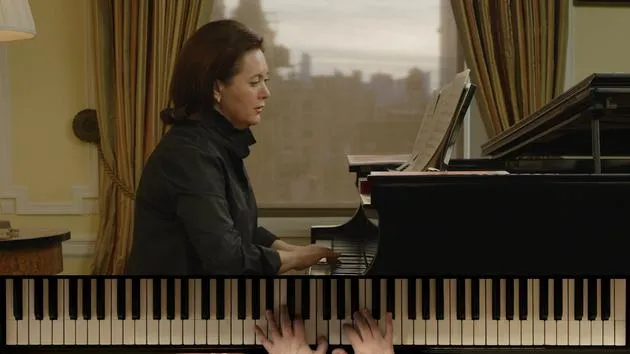
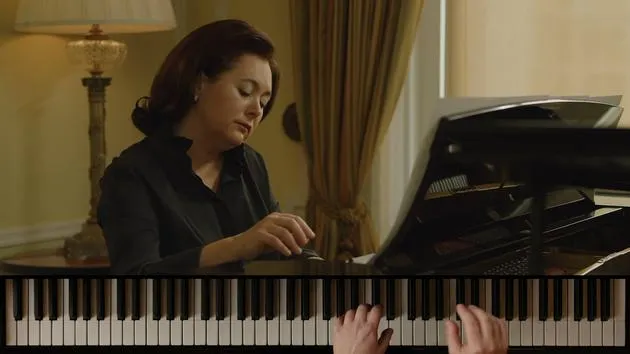
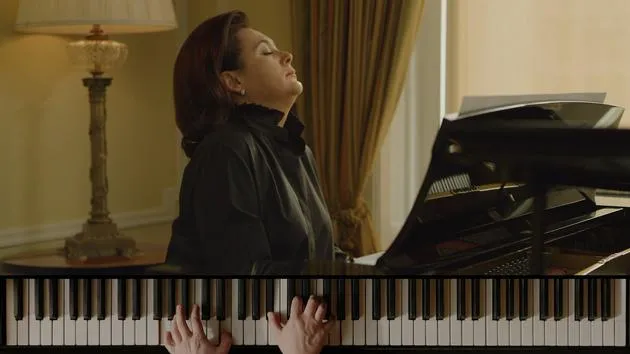

Lesson transcript
The History of the Cycle: The Seasons
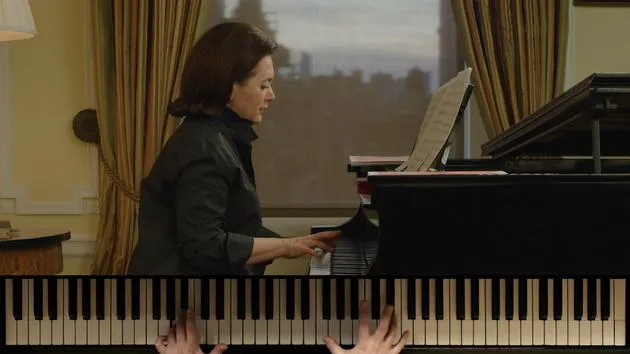
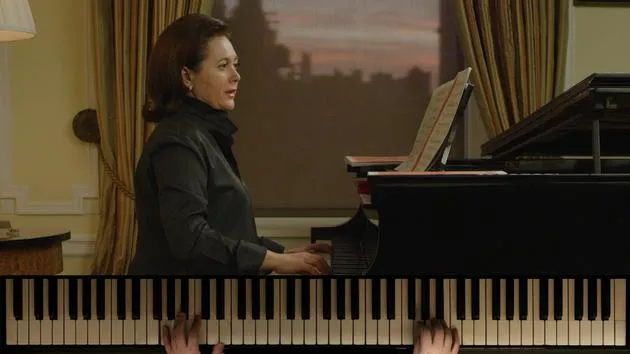
Welcome to our lesson on a very special piece in the piano repertoire: The Seasons by Tchaikovsky, composed in 1875-76. This cycle holds a unique place in music and was commissioned by the publisher Bernard for his monthly magazine, Nuvilist.
Background
- Monthly Publication: Each first of the month, a new piece would be featured in the magazine.
- Poetic Titles: The publisher created poetic quotes for each piece. While the titles such as May, June, and July stand alone, each also has a supplementary name:
- March: The Song of the Lark
- April: The Snowdrop
- ...and more.
Interestingly, Tchaikovsky didn't mind that the cycle was called The Seasons; he felt it could have been titled The Months. This distinction might be humorous considering the well-known Vivaldi's The Seasons, which features three movements for each of the four seasons. The publisher likely chose a familiar name for broader recognition.
Tchaikovsky's Intent
Tchaikovsky's main focus was to communicate the essence, expression, and depth of his musical thought within a very short format, a piano miniature. As a result, he produced 12 gems that can be played as a cycle or individually.
This cycle has maintained its fame since Tchaikovsky's time, remaining a best-seller for recordings, performances, and scores. In fact, in Russia, virtually everyone who studies piano has performed one, two, or even three pieces from this cycle.
Learning Approach
I am thrilled to share with you some insights into this masterpiece today.
The Importance of Melody
- Tchaikovsky is renowned for his beautiful melodies across genres.
- In The Seasons, mastering the melody is crucial:
- We need to sing the melody well.
- Tchaikovsky's opera background means he has a very vocal approach to composition.
However, it's not just about connecting melody with accompaniment. The accompaniment features rich textures and polyphony, requiring careful attention to detail when the melody shifts between hands.
Techniques for Mastery
By mastering the skills required to combine a beautiful melody with an intricate accompaniment, not only will you excel in these pieces, but you will also be equipping yourself for your broader musical studies.
For example, the same techniques will be applicable to a Chopin nocturne, where you'll find a beautiful song-like melody accompanying it.
Structure of The Pieces
All the pieces chosen for today are structured in a form known as three-part form or ABA form. Here's a breakdown:
- March, April, and October: Written in a simple ABA form.
- June: Features a complex ABA form with:
- Parts A, A (the first and third sections), and
- A middle section containing two distinct parts (C and D).
This three-part structure offers great advantages for performers, as often the third part is either a repetition or a modified version of the first part. This means:
- You might only need to learn two pages instead of three.
- It makes memorization easier.
The Role of Repeats
Tchaikovsky adored repeats in his compositions.
- Some sections have repeats with different endings and varied modulations, which can initially be confusing.
Practical Tips
To simplify memorization and performance, I suggest:
- Analysis: Take a pencil and analyze the piece:
- Mark the introduction
- Identify the closing section
- Note the recapitulation
- Highlight the middle section
This practice will greatly enhance your performance and understanding of the music.
Let's work together on this today!
27 lessons
1h 57m of structured video lessons
Advanced video features
Slow down, loop a passage, follow along
Mobile, tablet & desktop
Practise wherever you are
100% satisfaction guarantee
30-day money-back guarantee
Meet your guru
Meet your guru
Russian-born American pianist Julia Zilberquit has earned critical acclaim as a recitalist, chamber musician and recording artist. She was praised by The New York Times as "an outstanding soloist" after her Carnegie Hall performance of Cesar Franck's symphonic poem Les Djinns for piano and orchestra with Leon Botstein and the American Symphony Orchestra.
In 2014, Warner Classics released her CD Bach: Complete Solo Keyboard Concertos. This recording features the premiere of two Bach-Vivaldi Concerti Grossi arranged by Ms. Zilberquit for piano and orchestra, and was hailed as a "gorgeous rendition" by the prestigious Gramophone Magazine. Her arrangement of the Shostakovich Concertino for 2 Pianos, Op. 94 for piano and orchestra was premiered at Carnegie Hall; she has performed it worldwide to critical acclaim and recorded it with Vladimir Spivakov and the Moscow Virtuosi. Other recordings include a solo recording, The Mystery of Bagatelles, released by Naxos. The CD was praised as a "superb performance" by The Washington Post, and described as an "adventurous program, sparkling with unusual clarity and pointillistic luminescence" in London's Piano Magazine.
Her recitals have taken place at major concert halls including New York's Weill Recital Hall at Carnegie Hall, the 92nd Street Y, and Alice Tully Hall at Lincoln Center. Engagements at major international music festivals include appearances in Seattle, Colmar (France), Klangbogen (Vienna), Valery Gergiev's "White Nights" (St. Petersburg), Richter's "December Nights" (Moscow), "The Palaces of St. Petersburg," the Bard Music Festival in New York, and the Penderecki Festival (Poland).
A native of Moscow, Julia Zilberquit was born into a family of musicians. She graduated from the Moscow Gnessin School of Music and The Juilliard School (class of Bella Davidovich). She lives in New York City with her husband, son and daughter.
In this course she draws on that artistry to guide you through four movements of Tchaikovsky's "The Seasons" - March, April, June and October - so you can shape their poetry and colour at the keyboard yourself.







