



Final stage of learning

With
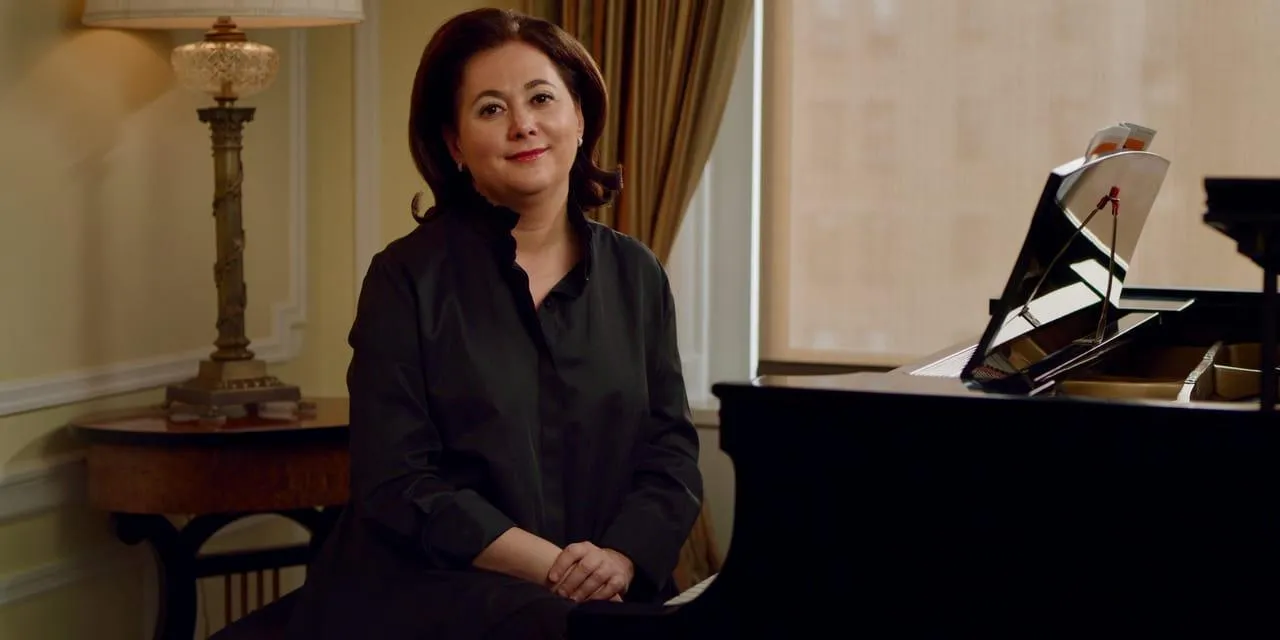
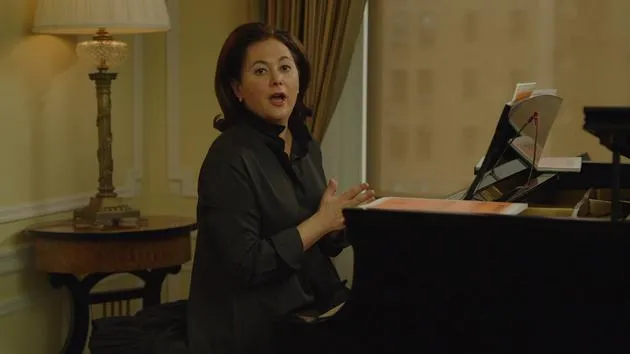
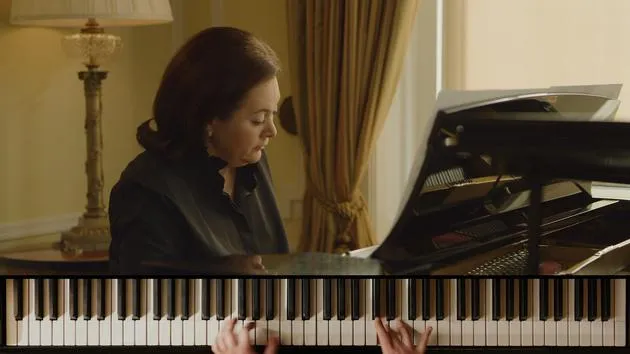
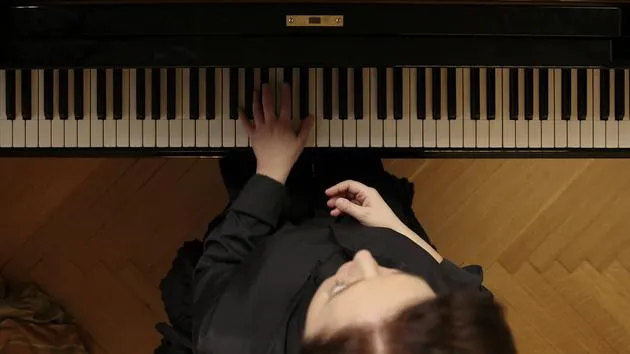
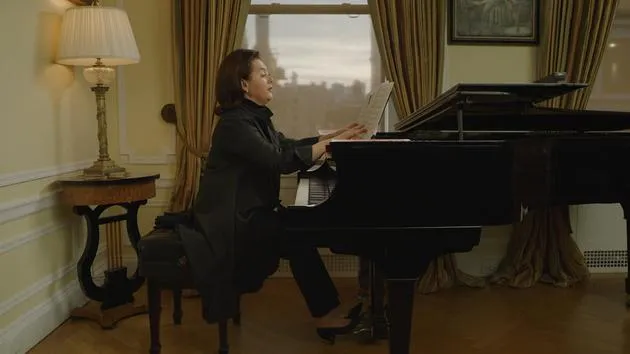
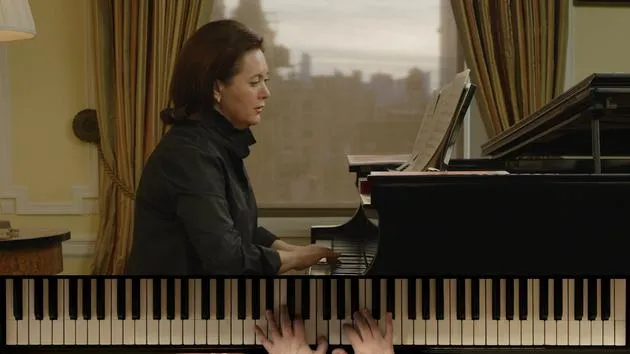
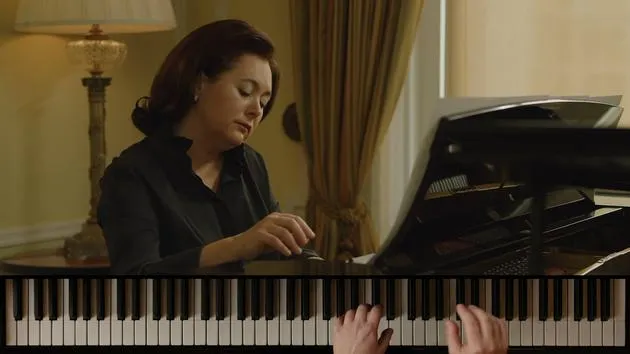
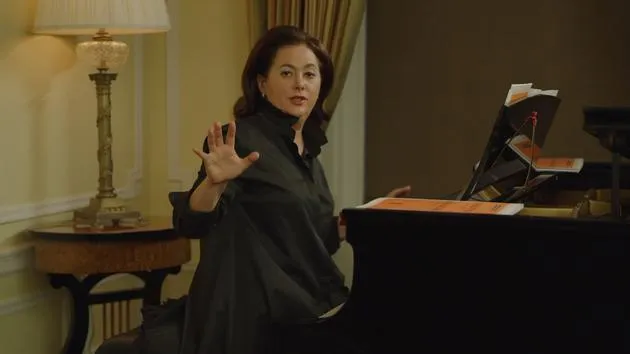
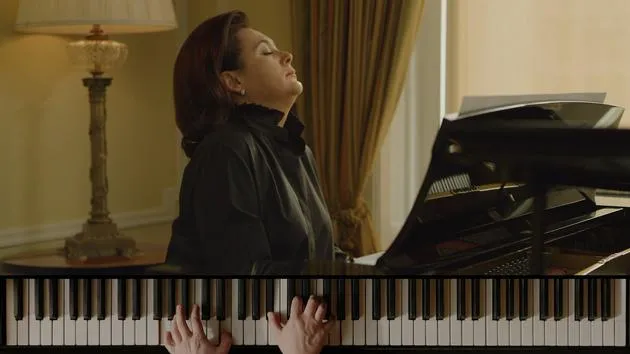
Julia ZilberquitJulia Zilberquit shares her three final steps for polishing Tchaikovsky's 'March' from The Seasons: learn the notes cold, follow the dynamics, then let go and enjoy it.
What's in the course
27 lessons (1h 57m) · 1 free
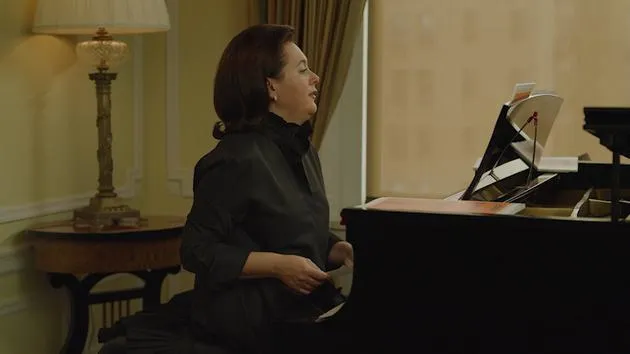
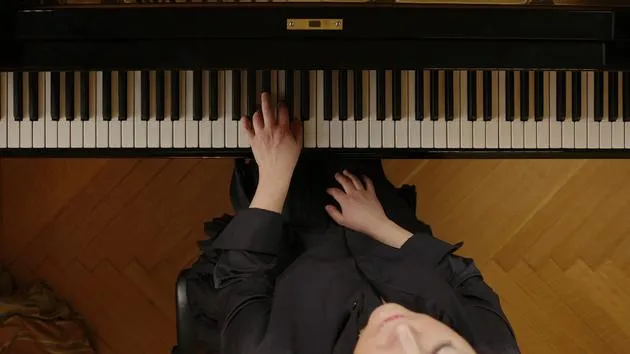
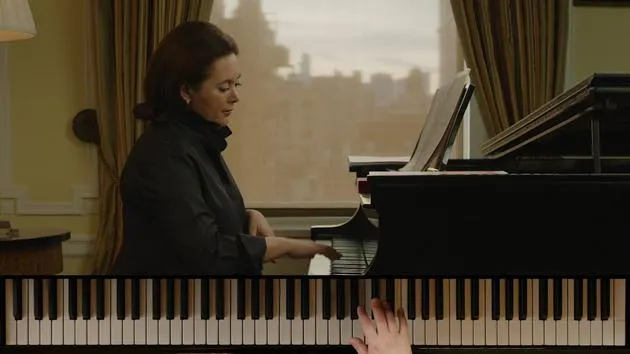
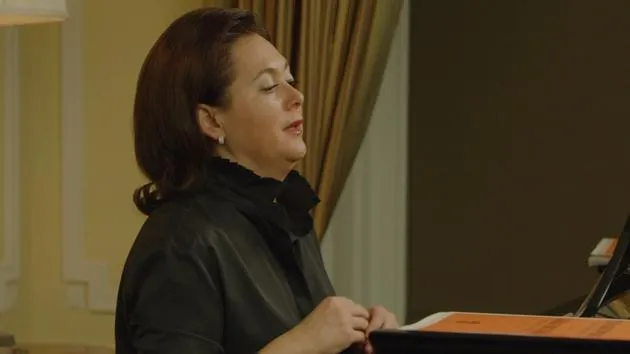
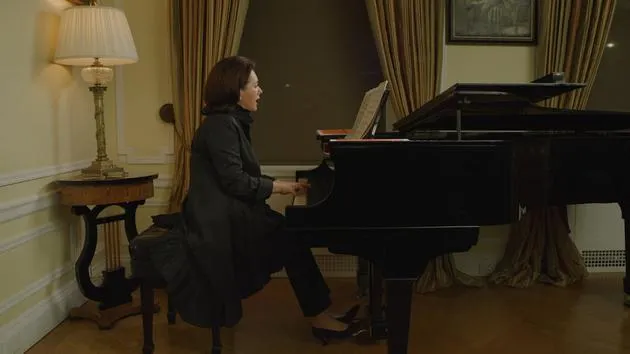
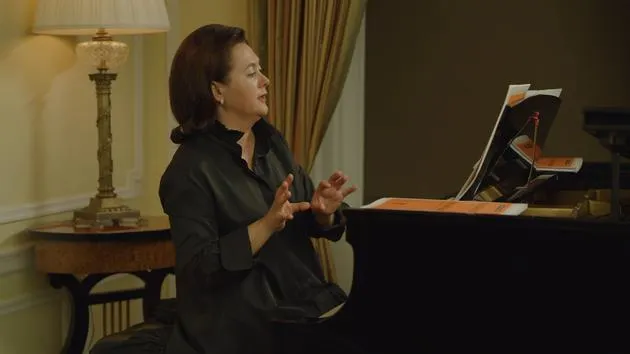
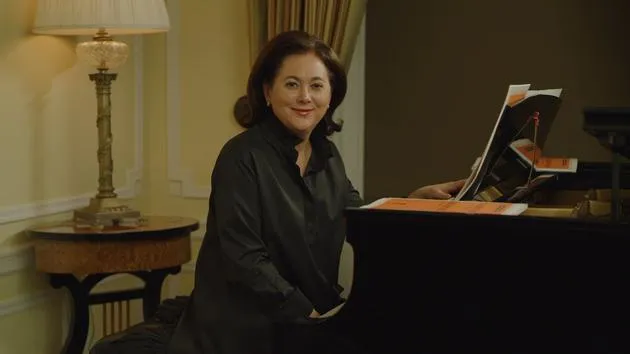
Lesson transcript
Final Stage of Your Musical Work
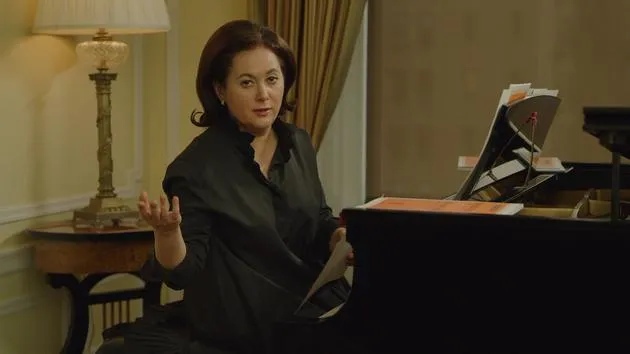
I would say three things are important for the so-called final stage of the work.
1. Learn the Text
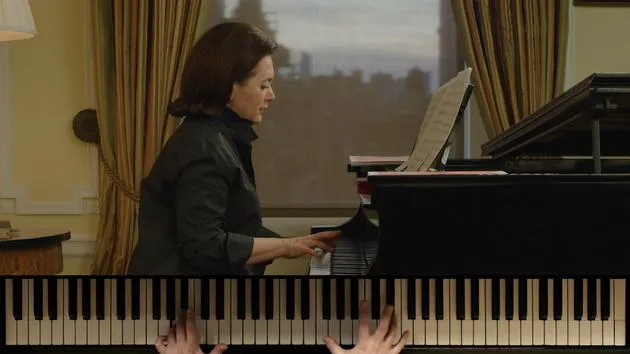
- First, of course, is to learn a text and to play it without mistakes from beginning to end.
- You may choose to:
- Play it with the score
- Play by heart, from memory
- Or do something in between (for example, play by heart while keeping the score nearby)
2. Follow Dynamic Instructions
The second task, which is very important, is to follow the composer's dynamic instructions. Consider the following:
- The tempos
- The dynamics
- Crescendos
- Diminuendos
It's essential to have a dynamic plan, especially in a piano miniature.
3. Relax and Enjoy the Music
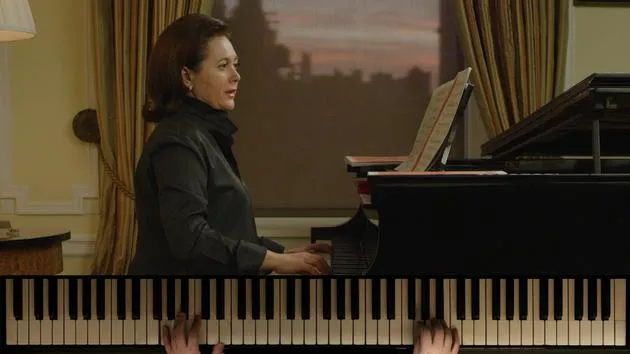
And number three, of course, is just to, as we say, relax and enjoy the music. You bring your own ideas and associations to your performance, so:
- Enjoy the process.
- Try to look at it from outside yourself.
I know it's very hard sometimes to play a piece from the beginning to the end, but it's essential and very important in completing your work.
Conclusion
I think the most rewarding stage of the work or performance is when you:
- Learn the text
- Know the dynamics
- Let go
It's very hard, but very important. Trust your musical instinct, perform, and enjoy it, your audience will, too.
And I hope, for those of you who haven't learned it yet, or who have played it before, that I brought a new perspective to the piece.
27 lessons
1h 57m of structured video lessons
Advanced video features
Slow down, loop a passage, follow along
Mobile, tablet & desktop
Practise wherever you are
100% satisfaction guarantee
30-day money-back guarantee
Meet your guru
Meet your guru
Russian-born American pianist Julia Zilberquit has earned critical acclaim as a recitalist, chamber musician and recording artist. She was praised by The New York Times as "an outstanding soloist" after her Carnegie Hall performance of Cesar Franck's symphonic poem Les Djinns for piano and orchestra with Leon Botstein and the American Symphony Orchestra.
In 2014, Warner Classics released her CD Bach: Complete Solo Keyboard Concertos. This recording features the premiere of two Bach-Vivaldi Concerti Grossi arranged by Ms. Zilberquit for piano and orchestra, and was hailed as a "gorgeous rendition" by the prestigious Gramophone Magazine. Her arrangement of the Shostakovich Concertino for 2 Pianos, Op. 94 for piano and orchestra was premiered at Carnegie Hall; she has performed it worldwide to critical acclaim and recorded it with Vladimir Spivakov and the Moscow Virtuosi. Other recordings include a solo recording, The Mystery of Bagatelles, released by Naxos. The CD was praised as a "superb performance" by The Washington Post, and described as an "adventurous program, sparkling with unusual clarity and pointillistic luminescence" in London's Piano Magazine.
Her recitals have taken place at major concert halls including New York's Weill Recital Hall at Carnegie Hall, the 92nd Street Y, and Alice Tully Hall at Lincoln Center. Engagements at major international music festivals include appearances in Seattle, Colmar (France), Klangbogen (Vienna), Valery Gergiev's "White Nights" (St. Petersburg), Richter's "December Nights" (Moscow), "The Palaces of St. Petersburg," the Bard Music Festival in New York, and the Penderecki Festival (Poland).
A native of Moscow, Julia Zilberquit was born into a family of musicians. She graduated from the Moscow Gnessin School of Music and The Juilliard School (class of Bella Davidovich). She lives in New York City with her husband, son and daughter.
In this course she draws on that artistry to guide you through four movements of Tchaikovsky's "The Seasons" - March, April, June and October - so you can shape their poetry and colour at the keyboard yourself.







