



Overview of the piece
With
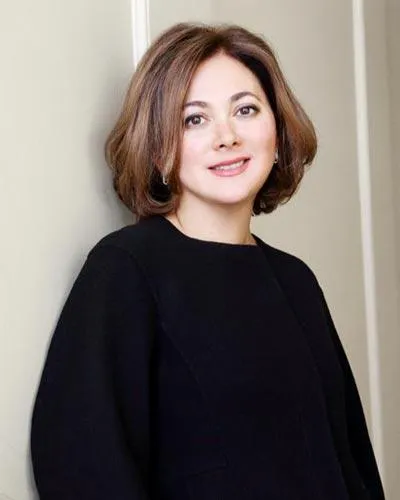
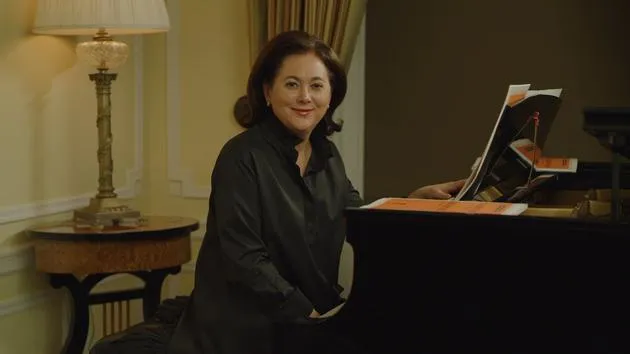
Julia Zilberquit
What's in the course
27 lessons (1h 57m) · 1 free
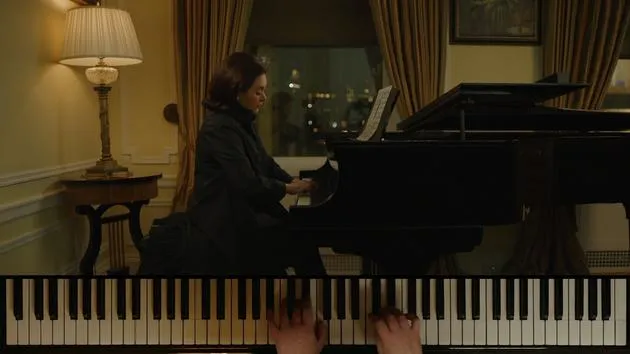
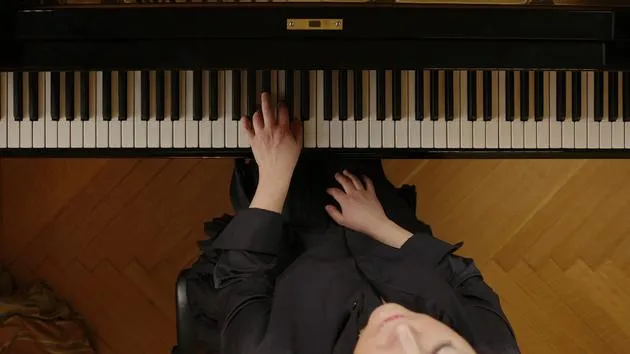
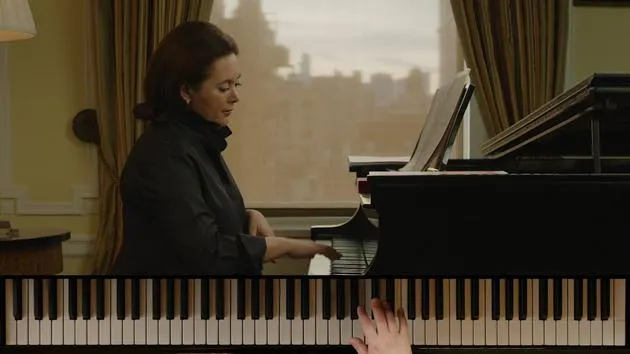
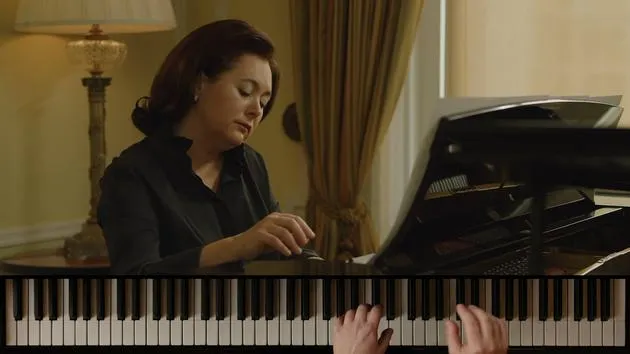
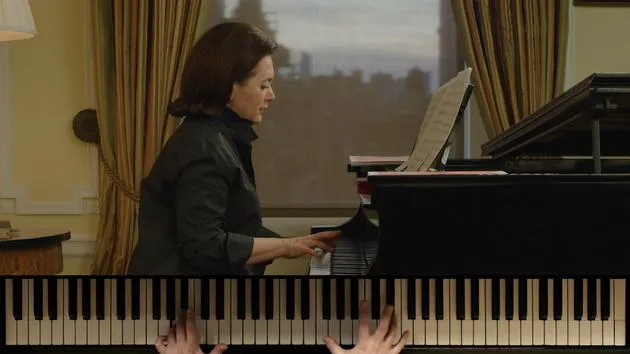
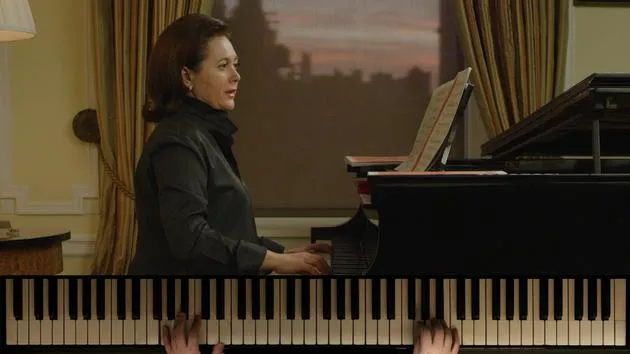
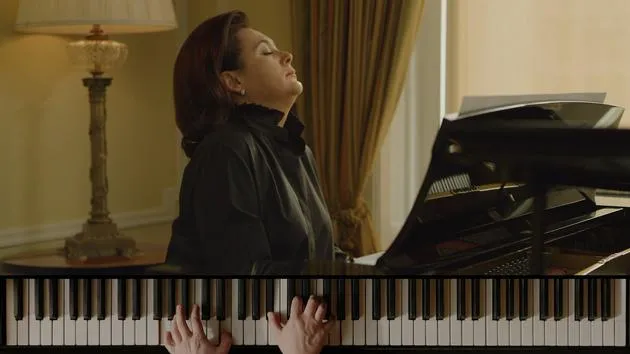
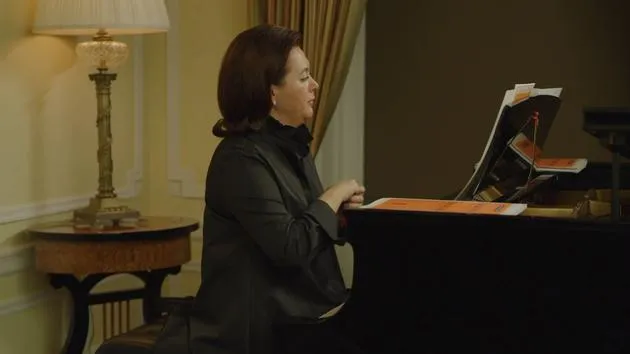
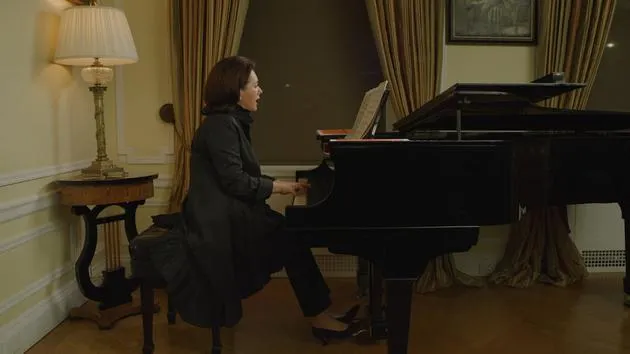
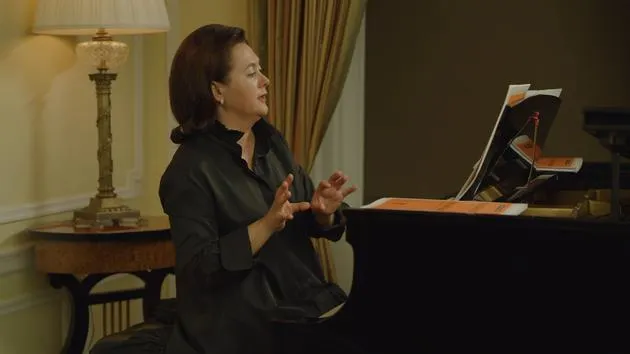
Lesson transcript
June: The Barca Roll
When the seasons were published, the June became an instant hit. It was a bestseller and, for many years, it was the most popular out of the 12 pieces.
The Essential Context
Now, there are a lot of arrangements:
- Cello and piano
- Violin and piano
- Piano trio
It's a beautiful, beautiful piece loved by many.
The Poetic Influence
The poem that the editor chose for this piece is by a very famous Russian poet of the time, Plyshev. I'll read it to you because it's essential to the context of the piece:
"Let us go to the shore where the waves will kiss our feet with mysterious sadness. The stars will shine upon us, or gaze upon us, depending on how you translate."
So, the suggestion here is that it's a summer night, thus the key of G minor. Tchaikovsky was quite melancholic; he was often sad, as we know, and we'll talk about that whole aspect of his personality more in October.
The Nature of the Barca Roll
Nevertheless, it is a summer night. As we know, barca rolls comes from two Italian words:
- Barca: a boat
- Rolare: to roll or to sway with the waves
The Barca roll is often referred to as the songs of the Venetian gondoliers. It was a folk song throughout the 18th, 19th, and 20th centuries. Composers loved the genre of barcarolle. We know of:
- Schubert's Barcarolle
- Mendelssohn
- Chopin
- Rachmaninoff
It's a very beloved genre which Tchaikovsky picked for this piece.
Musical Structure
- Summer night
- Very melancholic
- Key of G minor
The piece is written in what's called a complex three-part form. It's very important that we analyze this structure:
-
First and Third Parts (ABA):
- Both are in ABA forms with A being repeated identically.
- In the third part, it becomes a little more complex, as the left hand introduces additional text, creating a dialogue with the right hand.
-
Second Part:
- It can be divided into two sections, referred to as C and D for argument's sake.
- One section relates to the swaying of the waves or the boat, while the other resembles a dance, a Russian dance, in fact.
- Both sections are in G major.
The Coda
There is a beautiful coda that emerges, reminding us of when the stars are gazing upon us. For me, the ending symbolizes the sunrise, a very simple association, but it works.
The Essence of the Barcarolle
As we know, a barcarolle is a song. Everything stated before applies here:
- We need to produce and learn a beautiful melody with accompaniment.
- The piece is intricate and rich in texture, with many polyphonic responses and moving bass lines.
It is the longest piece out of the four, requiring a great deal of thought and planning. There are many repeats, so it's essential that it doesn't sound redundant or boring. We need to develop an effective melodic plan, and Tchaikovsky assists us in this.
Dynamics and Features
The other distinction between this piece and the other three is the dynamics. While the other three pieces retain dynamics between piano and mezzo forte, this piece includes:
- Forte
- Fortissimo: Highlighted in the famous, har-like cadenza before the third movement.
Before the recap in measures 52 and 53, there's a beautiful cello recitative or solo, Tchaikovsky's gift for cello solos. We also conclude with a lovely coda.
This is a long piece, and we will discuss it at length in future lessons.
27 lessons
1h 57m of structured video lessons
Advanced video features
Slow down, loop a passage, follow along
Mobile, tablet & desktop
Practise wherever you are
100% satisfaction guarantee
30-day money-back guarantee
Meet your guru
Meet your guru
Russian-born American pianist Julia Zilberquit has earned critical acclaim as a recitalist, chamber musician and recording artist. She was praised by The New York Times as "an outstanding soloist" after her Carnegie Hall performance of Cesar Franck's symphonic poem Les Djinns for piano and orchestra with Leon Botstein and the American Symphony Orchestra.
In 2014, Warner Classics released her CD Bach: Complete Solo Keyboard Concertos. This recording features the premiere of two Bach-Vivaldi Concerti Grossi arranged by Ms. Zilberquit for piano and orchestra, and was hailed as a "gorgeous rendition" by the prestigious Gramophone Magazine. Her arrangement of the Shostakovich Concertino for 2 Pianos, Op. 94 for piano and orchestra was premiered at Carnegie Hall; she has performed it worldwide to critical acclaim and recorded it with Vladimir Spivakov and the Moscow Virtuosi. Other recordings include a solo recording, The Mystery of Bagatelles, released by Naxos. The CD was praised as a "superb performance" by The Washington Post, and described as an "adventurous program, sparkling with unusual clarity and pointillistic luminescence" in London's Piano Magazine.
Her recitals have taken place at major concert halls including New York's Weill Recital Hall at Carnegie Hall, the 92nd Street Y, and Alice Tully Hall at Lincoln Center. Engagements at major international music festivals include appearances in Seattle, Colmar (France), Klangbogen (Vienna), Valery Gergiev's "White Nights" (St. Petersburg), Richter's "December Nights" (Moscow), "The Palaces of St. Petersburg," the Bard Music Festival in New York, and the Penderecki Festival (Poland).
A native of Moscow, Julia Zilberquit was born into a family of musicians. She graduated from the Moscow Gnessin School of Music and The Juilliard School (class of Bella Davidovich). She lives in New York City with her husband, son and daughter.
In this course she draws on that artistry to guide you through four movements of Tchaikovsky's "The Seasons" - March, April, June and October - so you can shape their poetry and colour at the keyboard yourself.







