



Overview of the piece

With
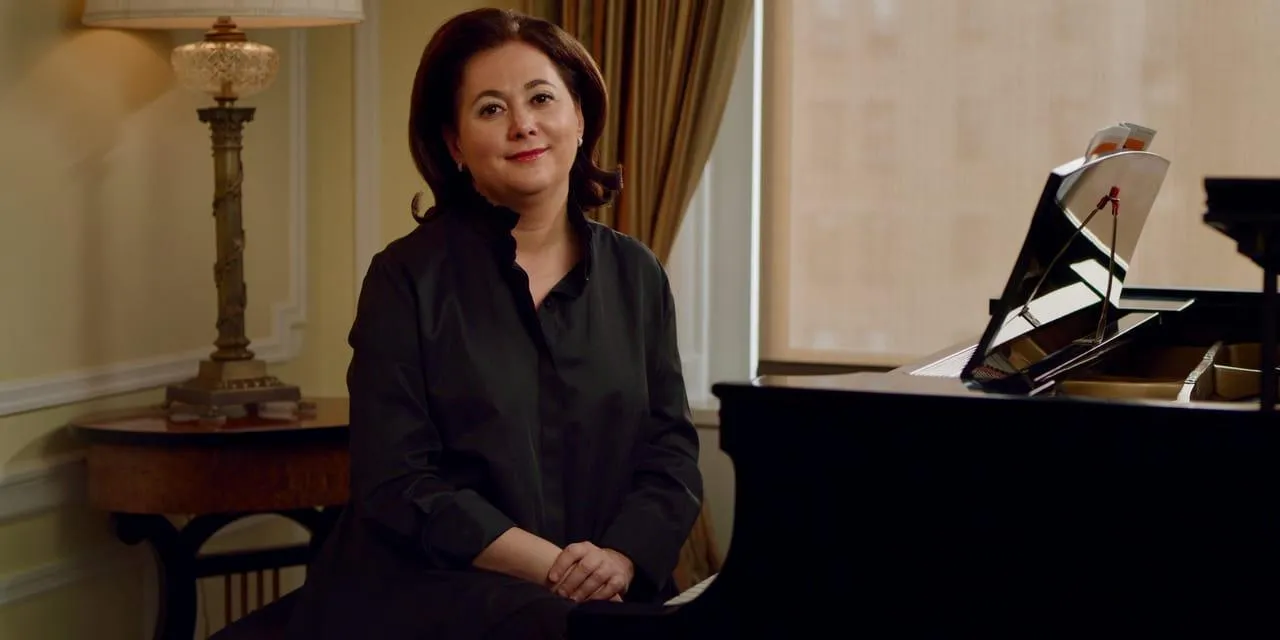
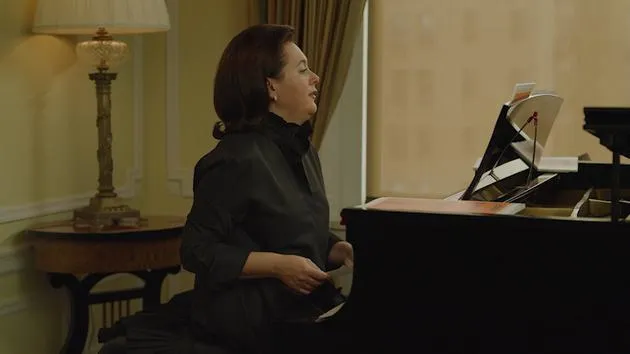
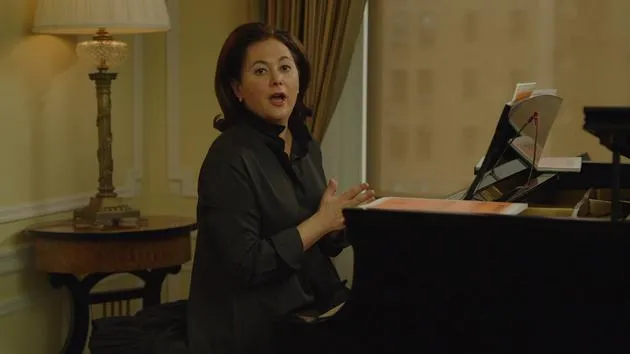
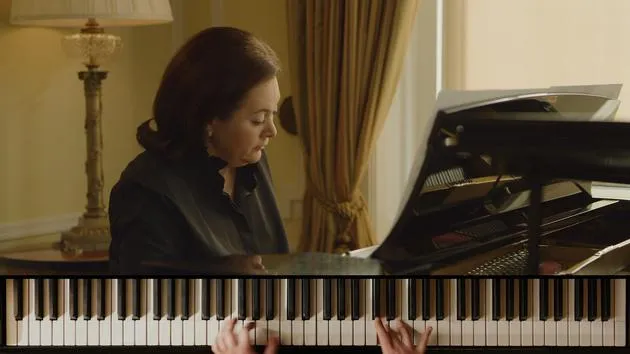
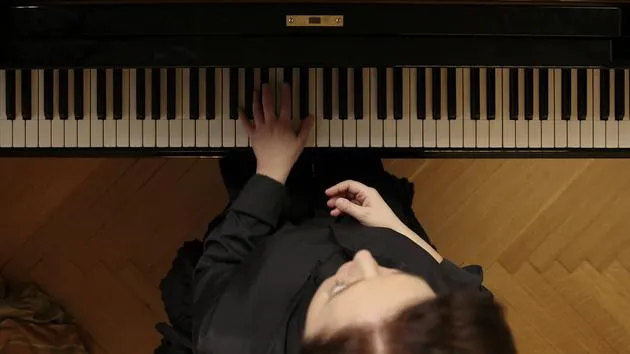
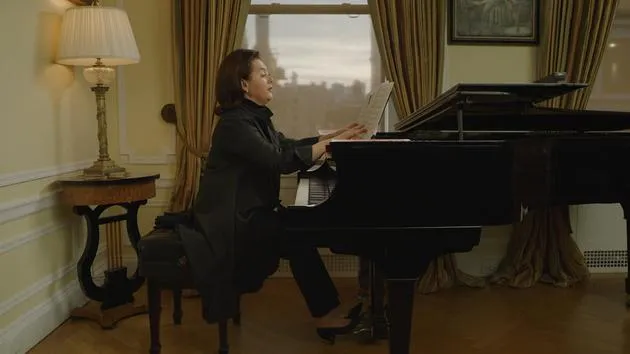
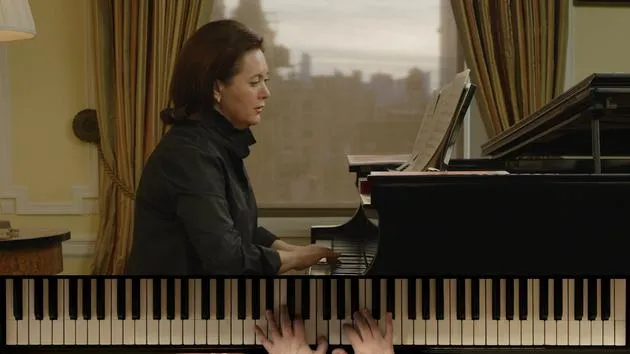
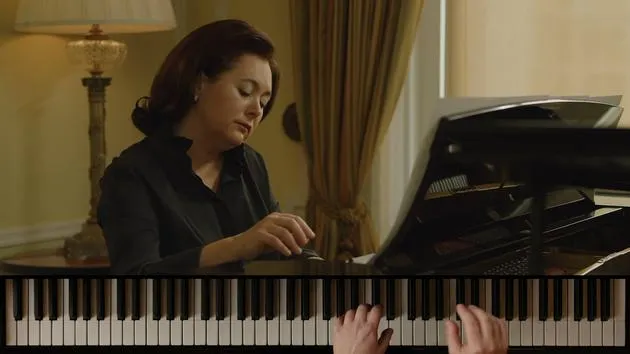
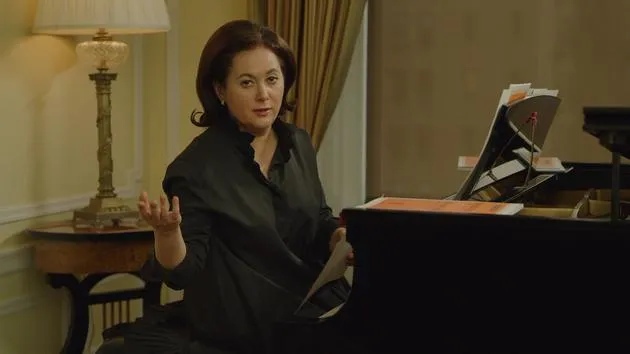
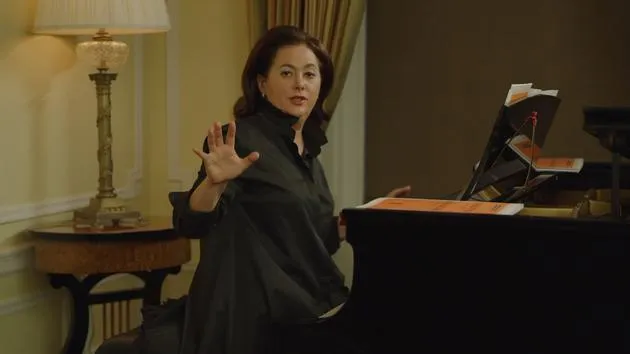
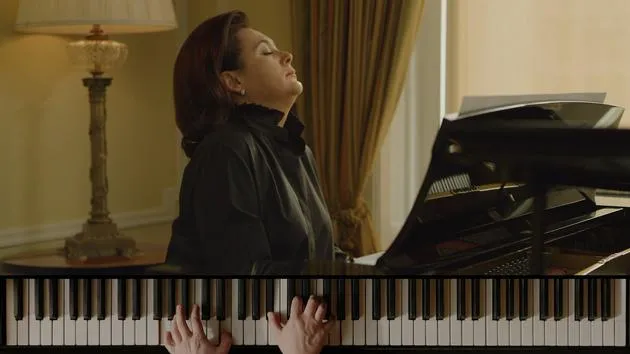
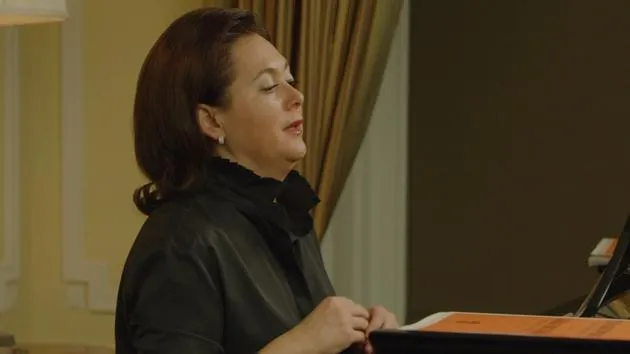
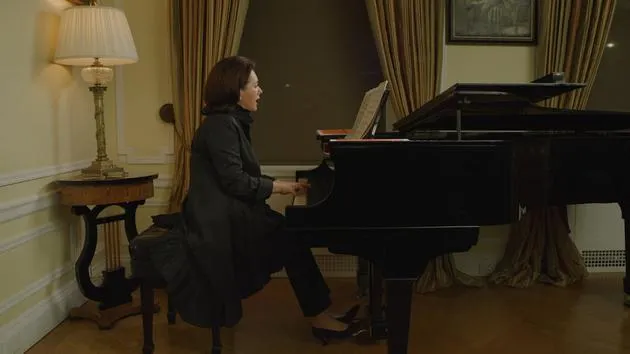
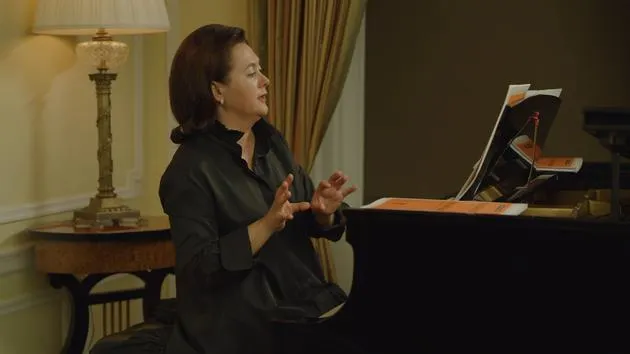
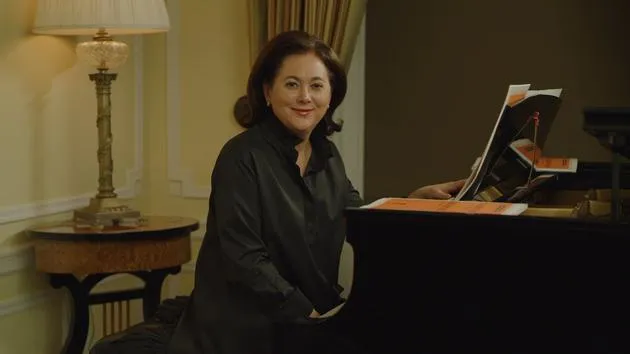
Julia ZilberquitJulia Zilberquit introduces Tchaikovsky's 'April: Snowdrop', walking through the piece's ABA structure, mood and the spring imagery behind it.
What's in the course
27 lessons (1h 57m) · 1 free
Lesson transcript
April: The Snowdrop
Here the publisher chose the poem by the same poet as March, Apollon Maikov, and I'll read it to you:
"The blue pure snowdrop flower. And near it last snow drops the last tears over the past griefs and first dreams of another happiness."
So spring month, April, is arriving. It's finally here, and we can certainly hear it in the piece.
Structure of the Piece
April, like March, is written in a three-part form, also known as ABA form.
-
First Part:
- The first 24 measures consist of three long phrases, each eight measures long.
-
Second Part:
- Contains 33 measures.
-
Third Part:
- Includes 27 measures and repeats the first part almost identically, but it's shorter.
Some people say it has a bit of a cadential conclusion, but it's really tied together with the third part. We won't delve into such details.
The Mood
There's a beautiful mood here, which is very hard to convey on the surface.
- It may seem like a simple piece:
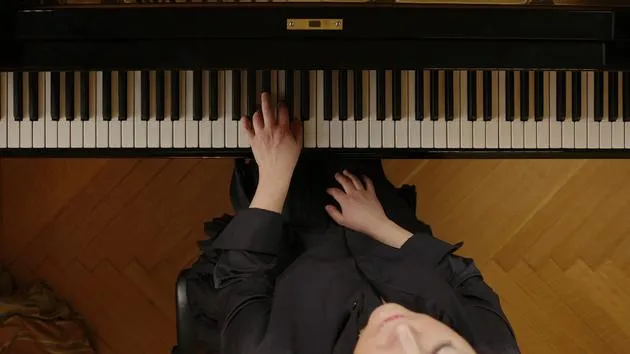
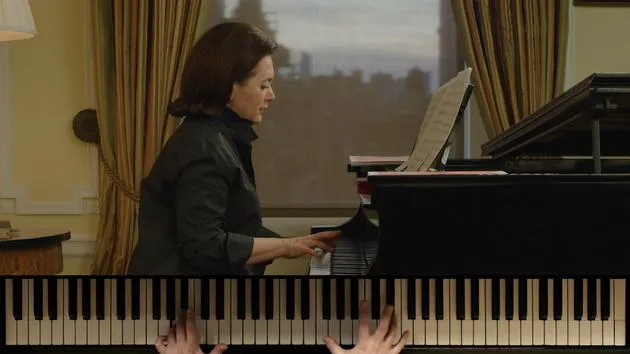
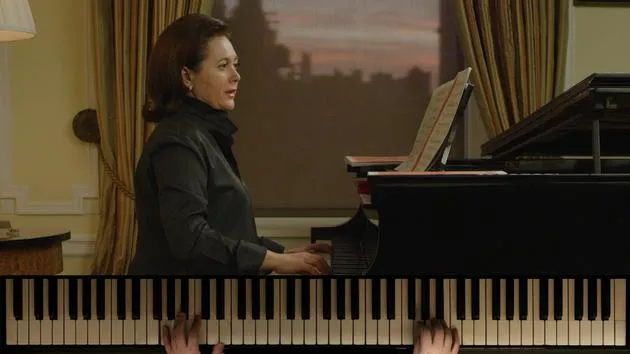
- Right hand: Melody
- Left hand: Chords (Accompaniment)
But this combination creates an illusion; it's not an easy thing to convey the feeling of arrival, of spring.
A European Perspective
This is a very European notion. In the United States, we have a beautiful fall that is long and not as cold as it is, for example, in Russia. However, there tends to be no spring; we have a long winter followed by summer.
Our listeners and audience in Europe know there's a unique fragrance of spring, a beautiful experience we usually have in April. I think Tchaikovsky really portrayed it beautifully.
You can almost hear the wind, the little breeze in the left hand, and the excitement of nature waking up. Of course, the snowdrop, in Russia, is a symbol of spring; it's a flower that emerges from the snow. So, I think the poem here is very symbolic.
Historical Context
However, again considering what was occurring in the late 19th century, we experience winter and snowstorms. There's a famous saying:
"It's as surprising as the snowstorm in the spring."
We have that D minor middle section with passages that remind us almost of the howling of the wind or possibly some spring rains. It brings a quite different character to the piece.
27 lessons
1h 57m of structured video lessons
Advanced video features
Slow down, loop a passage, follow along
Mobile, tablet & desktop
Practise wherever you are
100% satisfaction guarantee
30-day money-back guarantee
Meet your guru
Meet your guru
Russian-born American pianist Julia Zilberquit has earned critical acclaim as a recitalist, chamber musician and recording artist. She was praised by The New York Times as "an outstanding soloist" after her Carnegie Hall performance of Cesar Franck's symphonic poem Les Djinns for piano and orchestra with Leon Botstein and the American Symphony Orchestra.
In 2014, Warner Classics released her CD Bach: Complete Solo Keyboard Concertos. This recording features the premiere of two Bach-Vivaldi Concerti Grossi arranged by Ms. Zilberquit for piano and orchestra, and was hailed as a "gorgeous rendition" by the prestigious Gramophone Magazine. Her arrangement of the Shostakovich Concertino for 2 Pianos, Op. 94 for piano and orchestra was premiered at Carnegie Hall; she has performed it worldwide to critical acclaim and recorded it with Vladimir Spivakov and the Moscow Virtuosi. Other recordings include a solo recording, The Mystery of Bagatelles, released by Naxos. The CD was praised as a "superb performance" by The Washington Post, and described as an "adventurous program, sparkling with unusual clarity and pointillistic luminescence" in London's Piano Magazine.
Her recitals have taken place at major concert halls including New York's Weill Recital Hall at Carnegie Hall, the 92nd Street Y, and Alice Tully Hall at Lincoln Center. Engagements at major international music festivals include appearances in Seattle, Colmar (France), Klangbogen (Vienna), Valery Gergiev's "White Nights" (St. Petersburg), Richter's "December Nights" (Moscow), "The Palaces of St. Petersburg," the Bard Music Festival in New York, and the Penderecki Festival (Poland).
A native of Moscow, Julia Zilberquit was born into a family of musicians. She graduated from the Moscow Gnessin School of Music and The Juilliard School (class of Bella Davidovich). She lives in New York City with her husband, son and daughter.
In this course she draws on that artistry to guide you through four movements of Tchaikovsky's "The Seasons" - March, April, June and October - so you can shape their poetry and colour at the keyboard yourself.







