



Mic types & placement
With
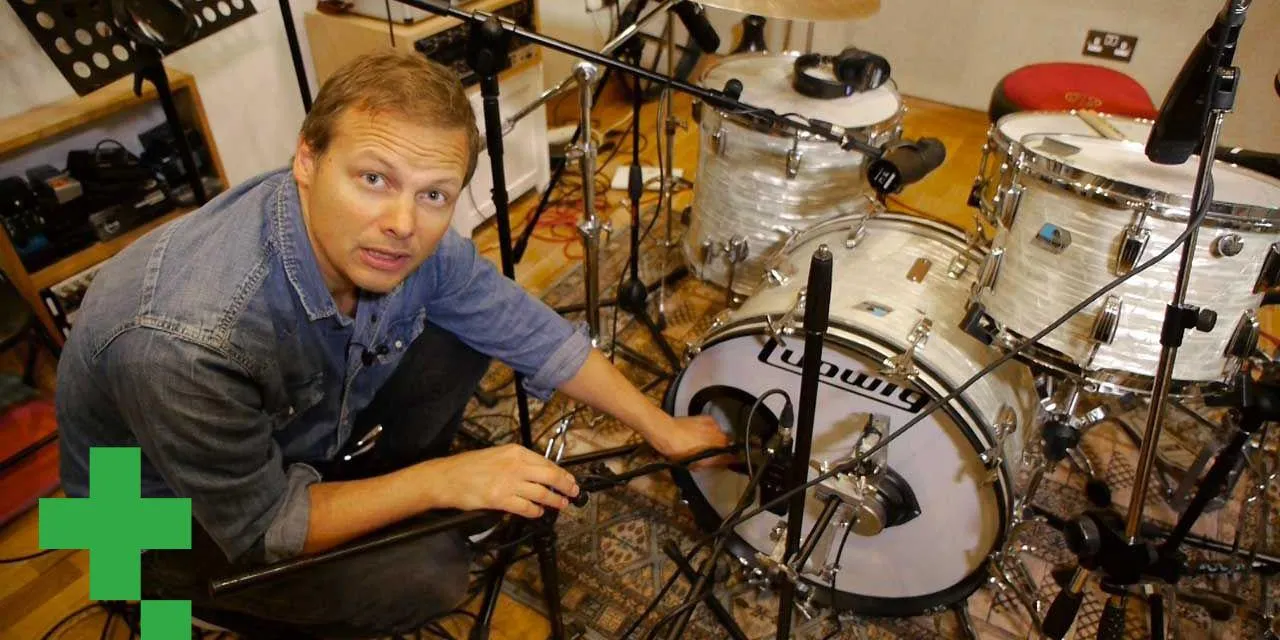
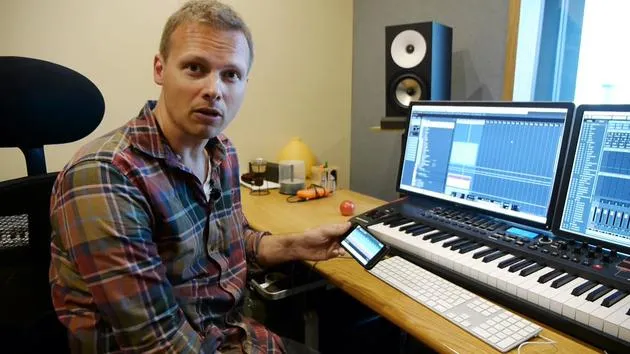
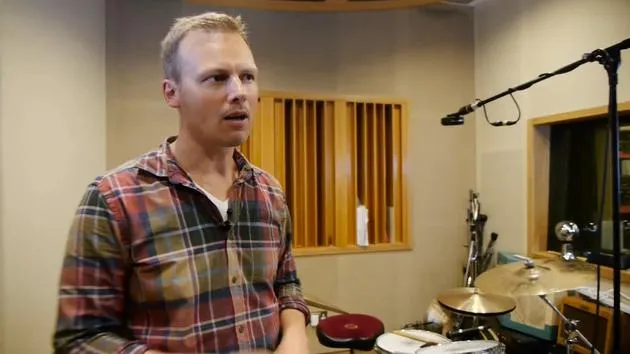
Nikolaj BjerreIn this lesson, Nik explains which microphones he uses to record a kick drum and how best to position them. His 3 microphones include an AKG D112 inside the drum, an AKG C414 outside the drum as well as a NS10 "speaker" used as a sub-mic outside the drum.
What's in the course
20 lessons (2h 11m) · 1 free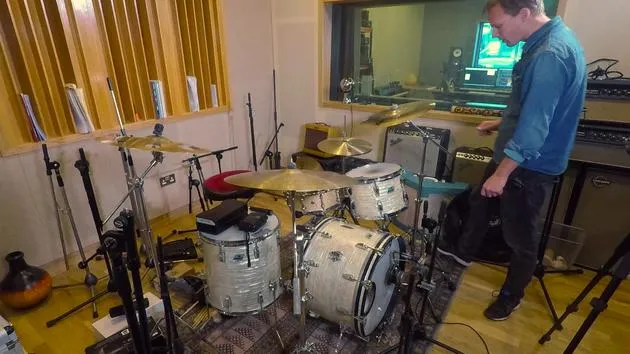
01. How to close-mic a drum kit, recording with a 13 microphone setup
14:49
02. Recap - how to record drums with 13 microphones
2:25
03. Mic types & placement
You are here3:19
04. Mic types & placement
Free lesson7:33
05. Overhead mic type & placement
3:50
06. Room mics type & placement
1:46
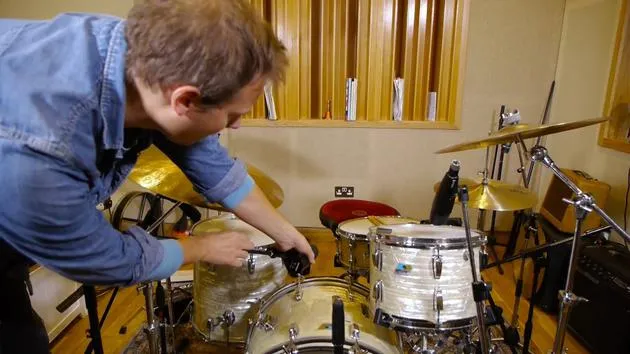
07. Tom mics type & placement
5:27
08. Hall mic types & placement
2:20
09. Setting preamp levels
15:29
10. Recording take #1
2:13
11. Take #1 adjustments
6:52
12. Recording take #2
2:09
13. Finalizing the recording and course wrap-up
4:41
Lesson transcript
Kick Drum Mic Placement and Techniques
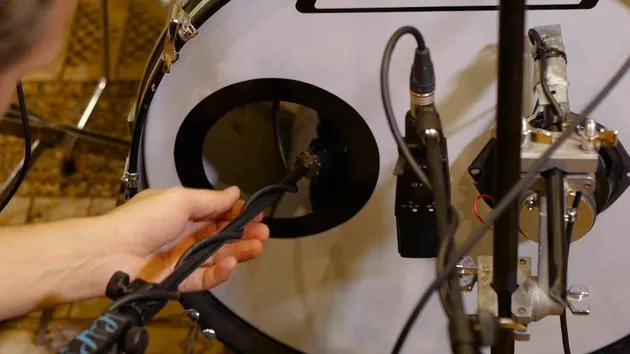
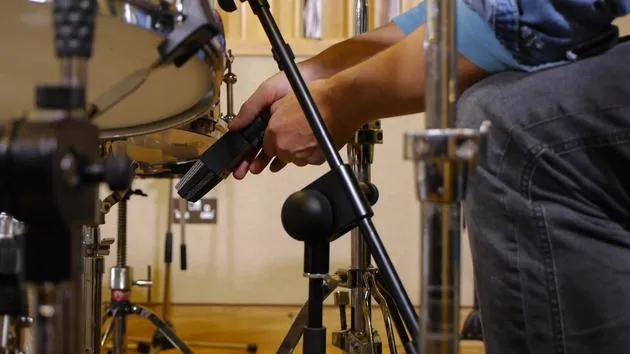
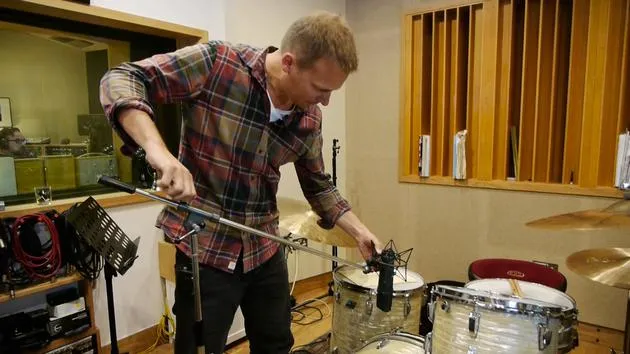
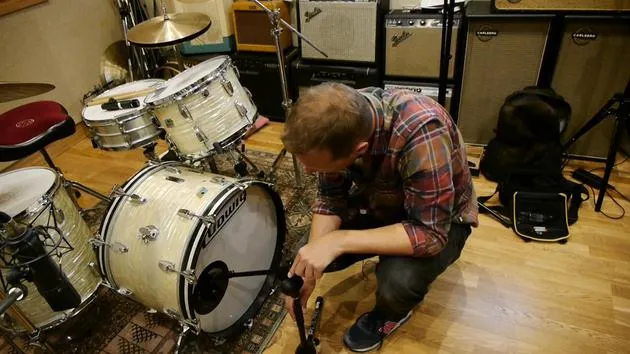
Here we are with the kick drum, and we're going to put the mic inside the kick and tilt the front of the mic so it's pointing towards the beater of the front head.
Mic Positioning
- Angle the Mic: I'm sitting on the lead here. I don't point it directly at where the beater is hitting the head because it tends to be too clicky and there's too much click information.
- Balanced Sound: We're not doing heavy metal here, so we're going to try and create a more balanced sound. I usually point it like one third into the head; that usually gives a good balance.
Purpose of the Mic
The purpose of this mic is really to capture the attack and the kind of fullness inside the kick.
Adjusting the Lead
Now we have this lead. It's a little bit. Really, what I should have is a clip. I usually just try and roll around to make sure that the lead is not touching the drum head, as that will rattle the drum head whenever it vibrates.
- Positioning: So, I position it slightly off the hole here so the air can get out, and the mic is not sitting directly where the air is pushing out.
Additional Considerations
You may have noticed there's a pillow inside the kick drum. That's mainly to dampen the drum heads so they don't vibrate too much.
Sound Requirements
For this track, we need quite a tight kick drum with lots of punch; we don't want a long boomy sound.
- Purpose of the Pillow: Therefore, the pillow is there to stop the drum heads from vibrating for too long.
- Experimentation: If the song is slower, and you maybe want a more rootsy kind of sound, you can experiment with taking the pillow out to get a long tone on the kick drum.
But for this track, we need a short attack and not too long a note on the kick drum.
20 lessons
2h 11m of structured video lessons
Advanced video features
Slow down, loop a passage, follow along
Mobile, tablet & desktop
Practise wherever you are
100% satisfaction guarantee
30-day money-back guarantee
Meet your guru
Meet your guru
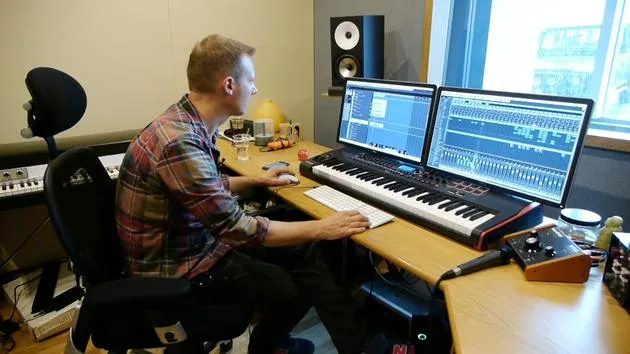
Nikolaj Bjerre is a Danish drummer and producer based at Tileyard Studios in London, who has worked with artists and bands including Lamb, the Ian Siegal Band, Ella Eyre and Heather Nova. His work spans live drumming, production, programming and writing, moving comfortably from organic, rootsy playing to cutting-edge electronic styles, and he is endorsed by Sabian, Hardcase and Protection Racket. In this course he shows you how to record live drums to a professional standard.







