



Overhead mic type & placement
With
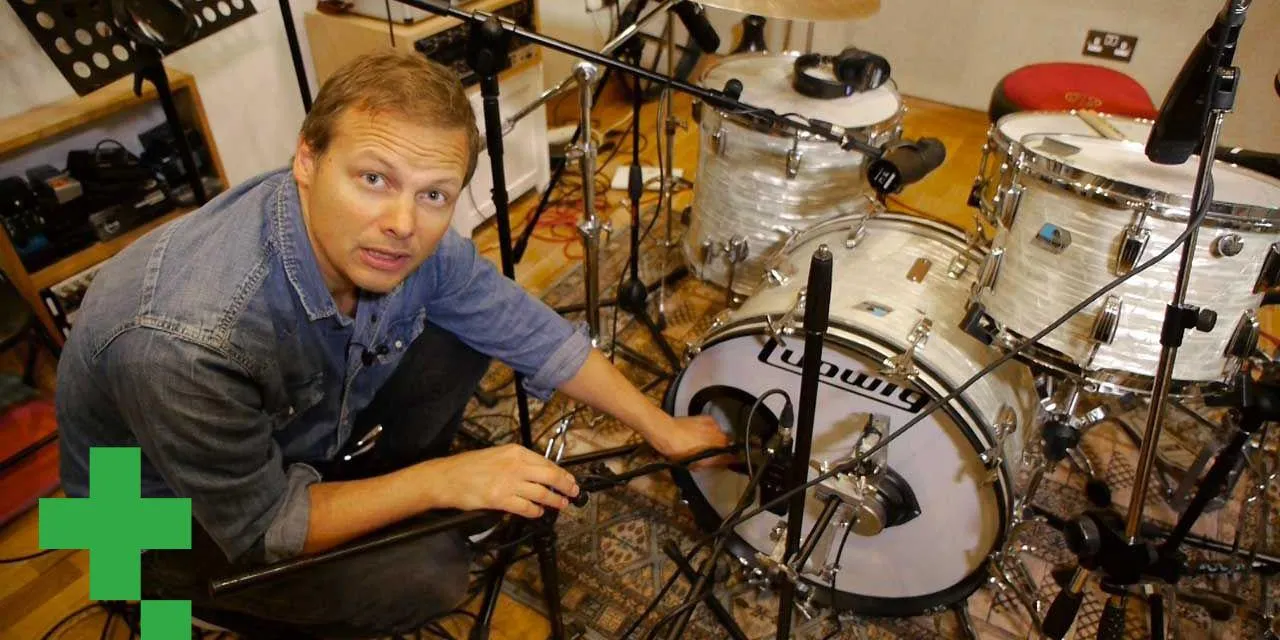
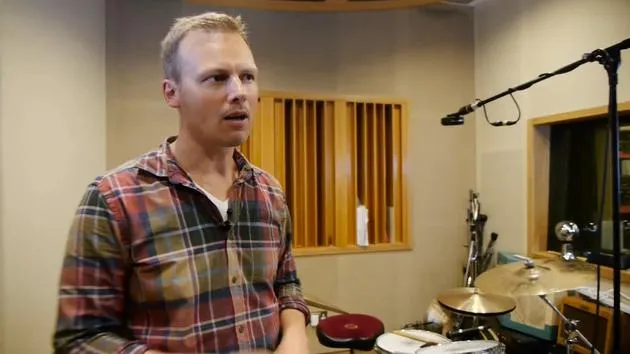
Nikolaj BjerreIn this lesson, Nik explains which microphones he uses to record overhead, above the drumkit and how best to position them. The microphones he uses are Josephson C42 condenser mics.
What's in the course
20 lessons (2h 11m) · 1 free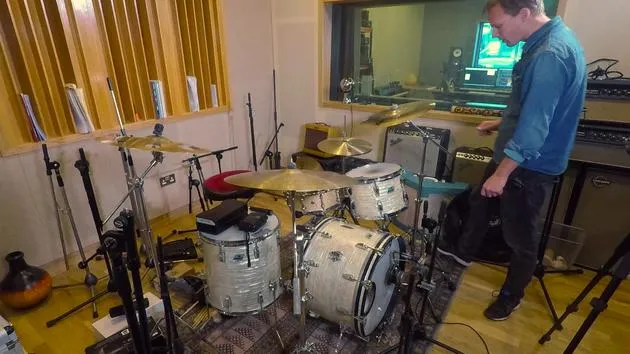
01. How to close-mic a drum kit, recording with a 13 microphone setup
14:49
02. Recap - how to record drums with 13 microphones
2:25
03. Mic types & placement
3:19
04. Mic types & placement
Free lesson7:33
05. Overhead mic type & placement
You are here3:50
06. Room mics type & placement
1:46
07. Tom mics type & placement
5:27
08. Hall mic types & placement
2:20
09. Setting preamp levels
15:29
10. Recording take #1
2:13
11. Take #1 adjustments
6:52
12. Recording take #2
2:09
13. Finalizing the recording and course wrap-up
4:41
Lesson transcript
Setting Up Overheads
And now we're going to move on to the overheads. Cool.
Capturing the Overheads
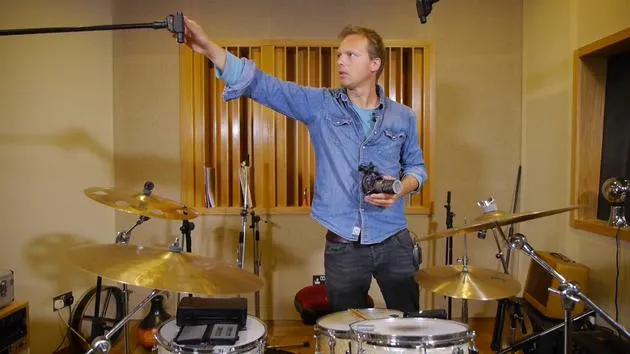
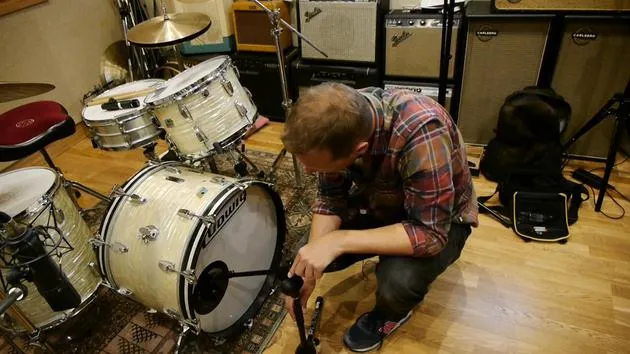
The way we are going to capture the overheads is, I guess you would call it a spaced pair.
- Mic Placement:
- This mic is going to capture this side of the kit.
- This mic is mainly focused on this side of the kit.
Distance Considerations
What you have to be aware of is the importance of trying to maintain almost equal distance to the snare and the kick, so:
- Prevent Phase Issues:
- If the distance is too much of a difference between the two mics, it will create phase problems.
Purpose of Overheads
For this recording, the overheads are primarily to capture:
- The cymbals
- The top end of the kit.
I'm going to try it with a fairly wide image. Obviously, the further apart they are from each other, the wider the stereo image you're going to get on the drum kit. I would say this is fairly wide.
Room Considerations
Of course, you also have to take into consideration the room size:
- You can't put the mic too far or too close to the wall.
- You don't want reflections from the wall getting into the mic.
I think this setup is pretty good, and we are ready to set up the room mics.
Cymbal Impact
Another thing to consider is when you hit the cymbals. If you hit the crash, they move a little bit, which can create some funny phase issues with the overhead.
- Check for Wobbly Phase Effects:
- Hit the cymbals quite hard to see if the movement creates a kind of wobbly phase effect on the overhead.
- It's usually if the overhead is too close to the cymbal that it can create that effect.
We might have to move it up a little bit, but I want a pretty tight sound for this recording.
Moving Forward
So here we go. Let's go for the room mics!
20 lessons
2h 11m of structured video lessons
Advanced video features
Slow down, loop a passage, follow along
Mobile, tablet & desktop
Practise wherever you are
100% satisfaction guarantee
30-day money-back guarantee
Meet your guru
Meet your guru
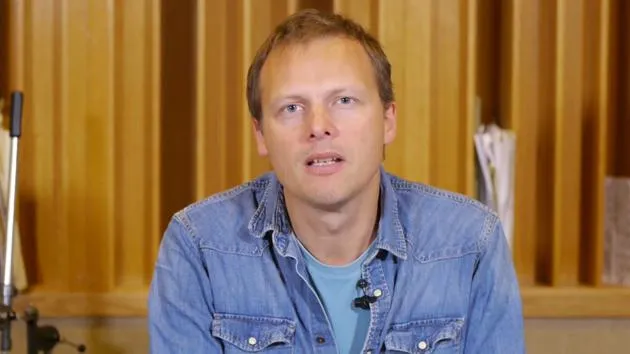
Nikolaj Bjerre is a Danish drummer and producer based at Tileyard Studios in London, who has worked with artists and bands including Lamb, the Ian Siegal Band, Ella Eyre and Heather Nova. His work spans live drumming, production, programming and writing, moving comfortably from organic, rootsy playing to cutting-edge electronic styles, and he is endorsed by Sabian, Hardcase and Protection Racket. In this course he shows you how to record live drums to a professional standard.







