



Adding sampled strings and flutes

With
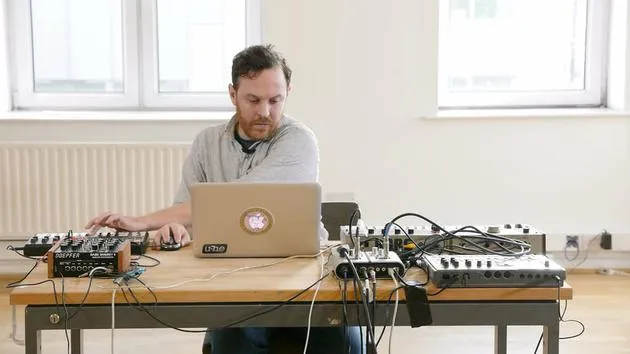
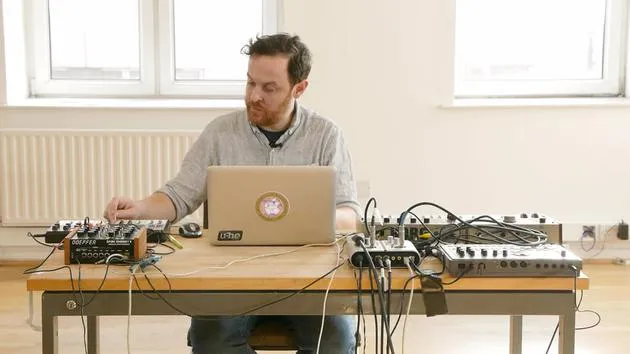
John WatsonJohn Watson layers sampled strings and flute over his percussive track in Ableton, loading sounds into Simpler on a new MIDI track to find what complements the groove.
What's in the course
14 lessons (2h 26m) · 2 free
01. Getting started & setup
3:21
02. Managing a sample library
Free lesson4:34
03. Ableton preferences
1:14
04. Using samples: Simpler and Sampler devices
7:04
05. Using samples in your track (trim, stretch, tune, EQ)
12:56
06. Adding sampled strings and flutes
You are here7:28
07. Adding sampled rhythm: kicks and snares
25:07
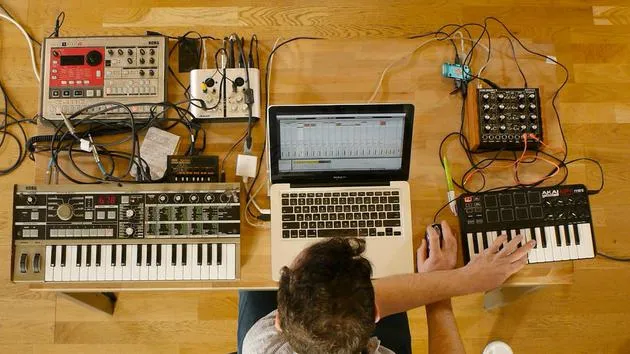
08. Sampling external intsruments - drum machine & synth
12:28
09. Building the parts in Session view
13:55
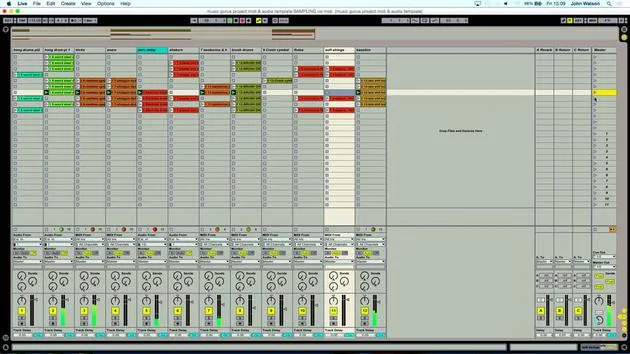
10. Recording the song into Arrange view
4:34
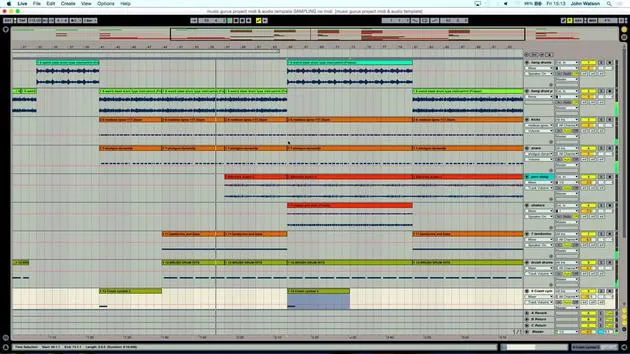
11. Fine tuning track structure
5:35
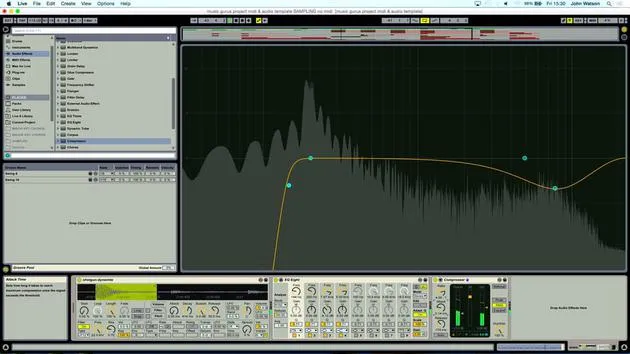
12. Mixing the track: effects
21:24
13. Final adjustments
13:14
14. BONUS: Mastering your track & uploading to Soundcloud
Free lesson13:31
Lesson transcript
Music Lesson
So next up, then, I'm thinking about another instrument that would work with this. When I collect samples, as I've shown before in an early video, you can see that everything is categorized into the type of instrument.
Choosing an Instrument
What I think might work quite well now are some strings to complement the mostly percussive thing that I've got going on.
-
Creating a New MIDI Track
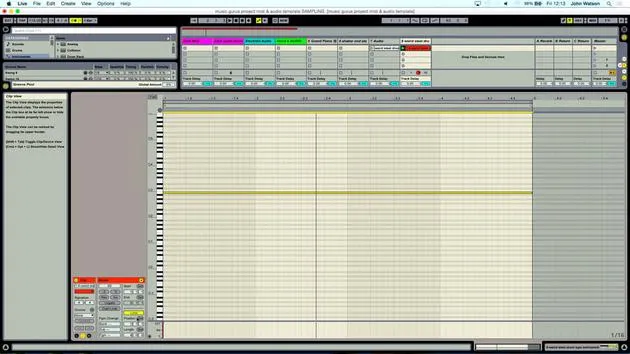
I'm going to create a new MIDI track here and we're going to go into instruments again, double-click for simpler. -
Arming the Track
So it's automatically mapped to my keyboard. I just have to arm the track here like so. -
Listening to Samples
Then, I'm going to scroll down into my strings folder, have a little listen, see what's available. That's really nice there, that sustained string sound.
Key Considerations
But it might not work. I might find that it's actually in A major or minor chord. I'm not sure what my hang drum is in yet, which key it's in. So it may or may not work.
- Quick Assessment
Again, it's very quick to work out whether this is going to fit.
-
Playing the Sample
So when I play the keyboard now, a whole sample comes in. What I'm really after is this little section here: a kind of gentle sustained string. -
Adjusting the Sample
Now, the front of the sample here, as you can hear, just sounds a little bit odd the way it comes in. If it had a bit more of a fade at the start, then that might help.- I'm going to take my attack position forwards, do a little bit more than that, and you can hear it kind of gently comes in, really just following the natural shape of the sound, really there. You see it fades in and it's held.
Testing Compatibility
So, what I also want to work out is whether it's going to work with the track.
- Playing the Track Together
Let's play the track. I'm feeling that the C is working nicely there, maybe the F.
Recording Ideas
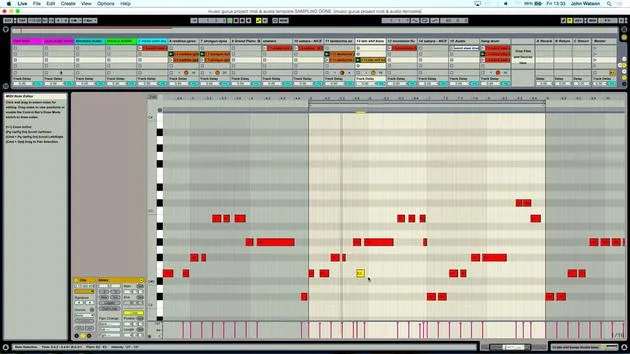
So, what I'm going to do is jam something in and give myself sort of free reign of record time.
- Click to Record
- Okay, so I've got a little something in there, a bit of variation as well.
- And, yeah, I'd like maybe to interject something in between each of those string elements that I've just added.
-
Duplicating the Track
To make my life a little bit easier, I'm just going to duplicate this track, like so, delete what I've recorded there, and I'm just going to replace the string sound. -
Jamming Again
I quite like this one here and let's just have a little jam again. At this stage, it's really generating ideas. I don't really necessarily know what's going to work, so it's just trial and error.
Filtering Sound
Now, listening to this sample, there's a little bit more low end in that, which is kind of confusing things. It's kind of getting in the way of the other sounds.
- Using a Bandpass Filter
I'm going to filter it, and what I'm going to do is switch over to a bandpass filter here. This is really going to filter out the low and high frequencies so that we have a slightly thinner, more resonant version of the sound. Let's just turn it down a little bit and have a little listen to that.
-
Evaluating the Sample
I quite like the way it ends here. It's quite rhythmical at the start; however, this little section here just sounds a little bit more fluid.- Because there's not really a defining rhythm there, it will actually fit better with the track.
- But you can hear that it ends quite abruptly.
Adjusting Fade Out
So what I'm doing here is adjusting the attack, decay, sustain, and release so that the sample will have a bit of a fade out.
-
I'm taking the sustain down, decay up full. A little bit too long there, so let's take that back down, add some release.
- So that sounds kind of cool. It has a bit more of a fade out at the end.
Final Thoughts
So let's play the track. Instantly, I'm feeling that I've got something interesting there.
-
Recording the Final Section
Let's just turn it up a little bit as well.- Yeah, I'm just gonna keep things fairly simple. I'm going to record this in now.
- So I'm going to come in between the last two string sections. That might do it there, just one simple little section.
14 lessons
2h 26m of structured video lessons
Advanced video features
Slow down, loop a passage, follow along
Mobile, tablet & desktop
Practise wherever you are
100% satisfaction guarantee
30-day money-back guarantee
Meet your guru
Meet your guru
After work experience with Depeche Mode and The Cure producer Dave Allen, John was inspired to study Music Technology in London. His music career took off after a successful signing to CookShop Records, releasing 9 singles and an album in 2007 that received rave reviews from Q, Uncut and Lowdown Magazine, plus radio play from XFM and Radio One.
John began training as an audio engineer at Bonafide studio in 2005, where he refined his talents, and later that year set up Jackdaw Recordings. He has collaborated with many successful artists, and in 2007 began playing for pop musician Patrick Wolf, performing at leading venues here in the UK and internationally - including The Astoria and Shepherds Bush Empire.
Based in his London studio, John now writes music, with two more releases on CookShop, does sound engineering for prominent artists, and creates sound design for TV ads, film, theatre and corporate video.
That rare mix of songwriter, producer and working studio engineer is exactly what John brings to his teaching. In Creative Composition & Production in Ableton Live and Creative Sampling & Production in Ableton Live, he shows you how he turns raw ideas into finished, release-ready tracks - the writing, the sampling, the sound design and the hands-on engineering know-how behind a professional record.







