



Recording the song into Arrange view
With
John Watson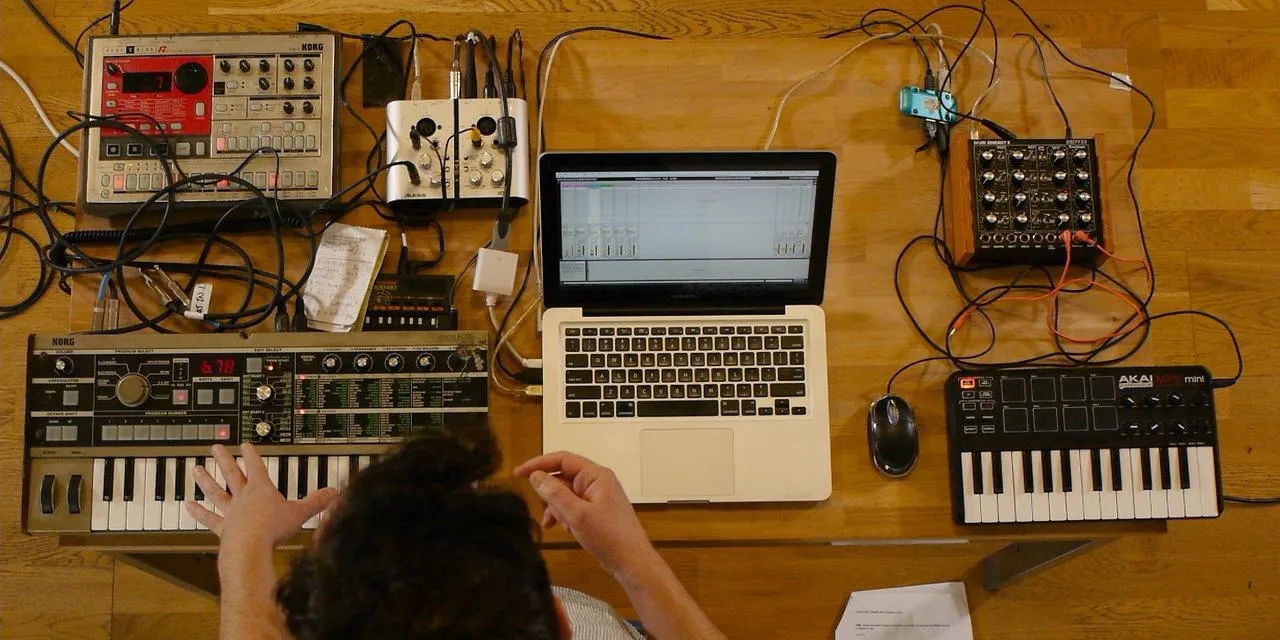
What's in the course
14 lessons (2h 26m) · 2 free
01. Getting started & setup
3:21
02. Managing a sample library
Free lesson4:34
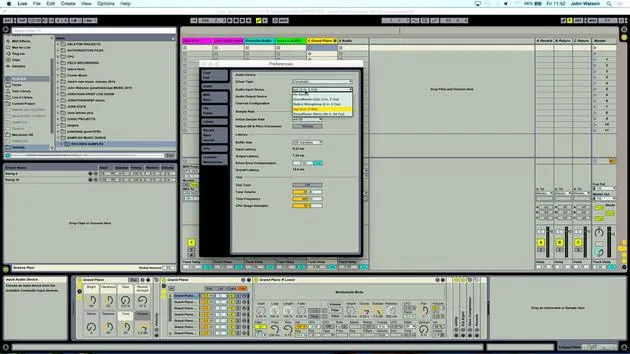
03. Ableton preferences
1:14
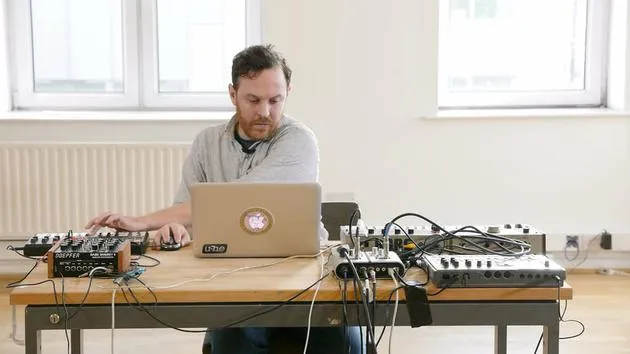
04. Using samples: Simpler and Sampler devices
7:04
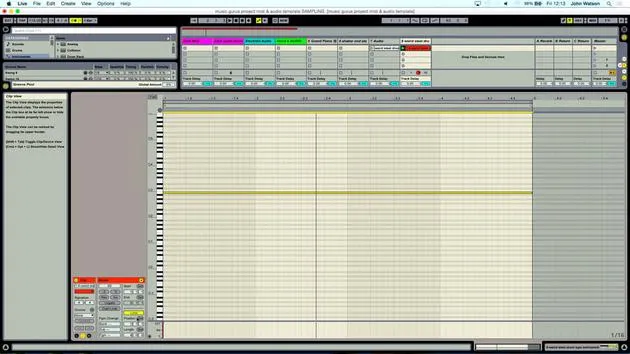
05. Using samples in your track (trim, stretch, tune, EQ)
12:56
06. Adding sampled strings and flutes
7:28
07. Adding sampled rhythm: kicks and snares
25:07
08. Sampling external intsruments - drum machine & synth
12:28
09. Building the parts in Session view
13:55
10. Recording the song into Arrange view
You are here4:34
11. Fine tuning track structure
5:35
12. Mixing the track: effects
21:24
13. Final adjustments
13:14
14. BONUS: Mastering your track & uploading to Soundcloud
Free lesson13:31
Lesson transcript
Music Lesson: Recording Scenes in Ableton
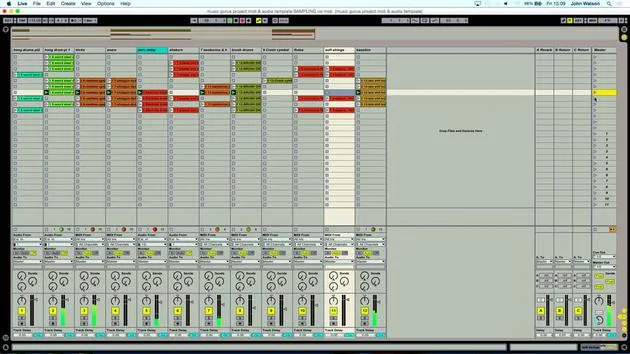
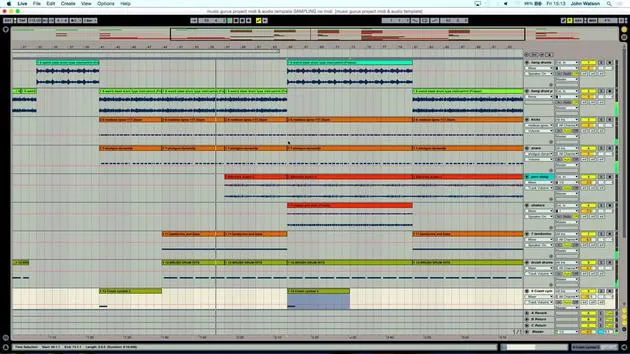
Okay, so I've just really done the pre-structure. Now the idea is to get this into what we call a range view.
Recording Scenes
- By pressing Tab on my keyboard, I've got a range view set.
- I need to record these scenes now.
Stopping the Scenes
- I will press Stop twice to stop all the scenes, so nothing can start spontaneously.
- I can come up to the top scene and start to record this in.
Starting the Recording
- I will hit Record and Play.
- Just before Ableton starts recording, I pop the metronome on at this point as well, so I can really hear the rhythm.
- I'm just jamming these scenes in here just before the next bar comes in.
Adjusting the Metronome
- If I click just before, I can now take this metronome off and sit with the strings.
- The strings play for quite a long time, so I double-click these.
Launching the Next Scene
- I really want to wait for all of these other parts to come in, so I'm nearly there.
- Time to launch the hang drums with the main drum.
Creating Contrast
- You've got a nice contrast between the more relaxed intro and, as things start to get going, it feels a little bit better.
Continuing with the Next Scene
- Back in with the strings again, a slightly longer clip.
- I'm just taking my time and working out that we've got 16 bars, possibly 32.
Conclusion
- Coming towards the end now, you can see what's happening.
- When I press Tab, everything's being recorded in and it's going to jump to the last scene now.
- There we have it! I've got to fine-tune it a little bit.
14 lessons
2h 26m of structured video lessons
Advanced video features
Slow down, loop a passage, follow along
Mobile, tablet & desktop
Practise wherever you are
100% satisfaction guarantee
30-day money-back guarantee
Meet your guru
Meet your guru
After work experience with Depeche Mode and The Cure producer Dave Allen, John was inspired to study Music Technology in London. His music career took off after a successful signing to CookShop Records, releasing 9 singles and an album in 2007 that received rave reviews from Q, Uncut and Lowdown Magazine, plus radio play from XFM and Radio One.
John began training as an audio engineer at Bonafide studio in 2005, where he refined his talents, and later that year set up Jackdaw Recordings. He has collaborated with many successful artists, and in 2007 began playing for pop musician Patrick Wolf, performing at leading venues here in the UK and internationally - including The Astoria and Shepherds Bush Empire.
Based in his London studio, John now writes music, with two more releases on CookShop, does sound engineering for prominent artists, and creates sound design for TV ads, film, theatre and corporate video.
That rare mix of songwriter, producer and working studio engineer is exactly what John brings to his teaching. In Creative Composition & Production in Ableton Live and Creative Sampling & Production in Ableton Live, he shows you how he turns raw ideas into finished, release-ready tracks - the writing, the sampling, the sound design and the hands-on engineering know-how behind a professional record.







