



Ajouter de l'intérêt rythmique à tes solos
Improviser à la guitare, ce n'est pas seulement choisir les notes et les accords, c'est aussi choisir un rythme.

Le contenu du cours
43 leçons (3h 11min) · 1 gratuites
01. Introduction aux approches de l'improvisation
1:00
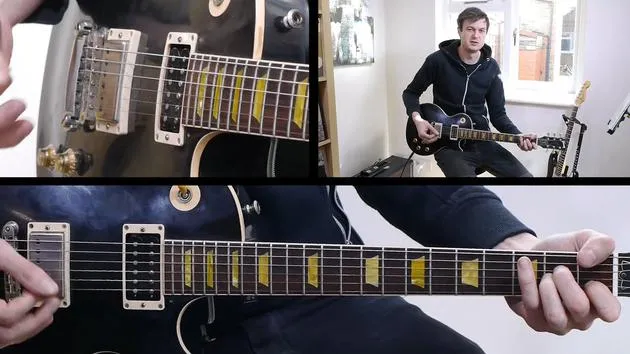
02. Premiers pas dans l'improvisation
9:22
03. Improviser sur les notes de l'accord
10:18
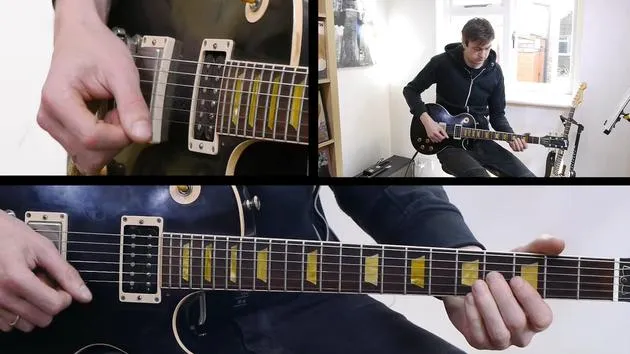
04. Exercice : Trouver les notes de l'accord
4:05
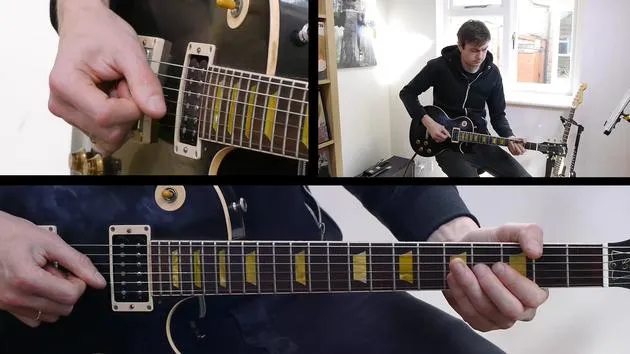
05. Ajouter de l'intérêt rythmique à tes solos
Tu es ici4:11
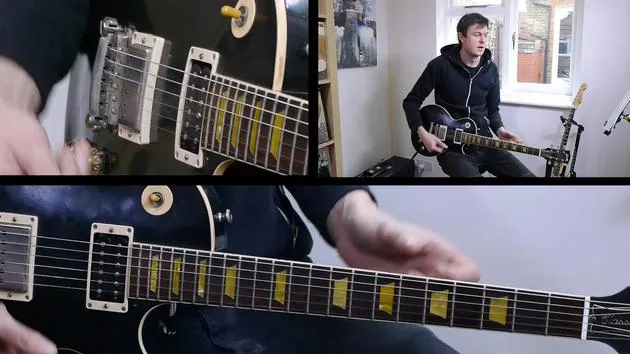
06. Exercice : improviser sur un changement d'accord
2:52
07. Défi : envoie ton impro
0:24
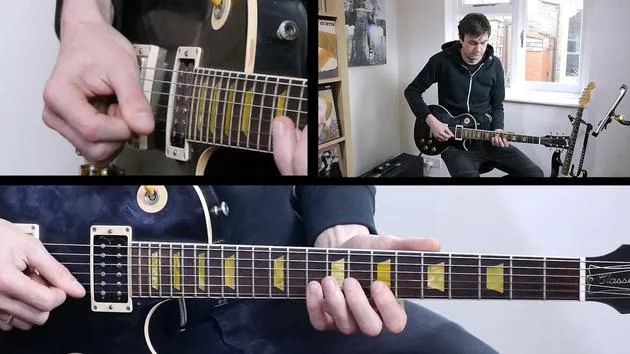
08. Embellir une mélodie
5:36
09. Défi : Envoie ta mélodie
0:26
10. Impro rythmique et comping
9:55

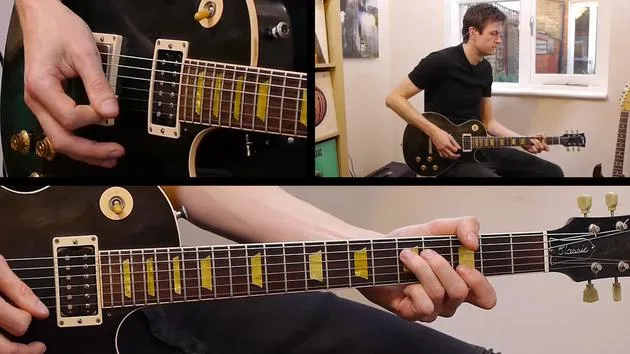
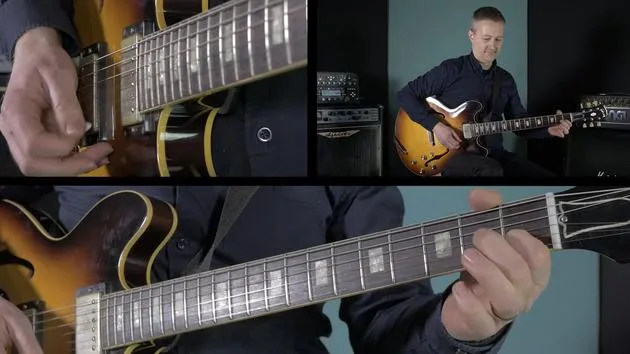
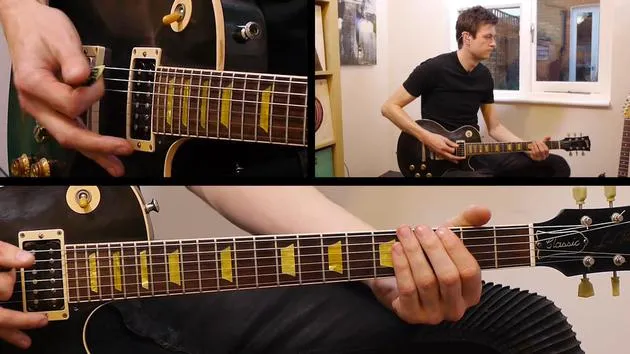
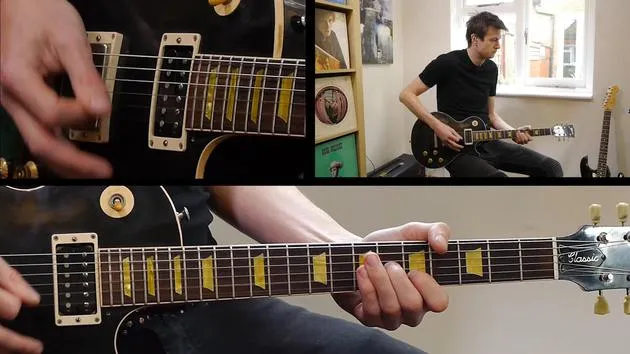
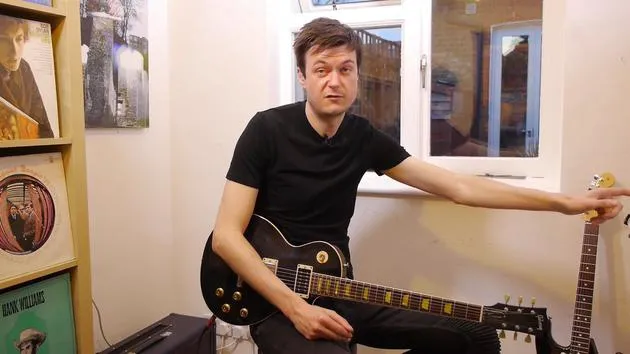
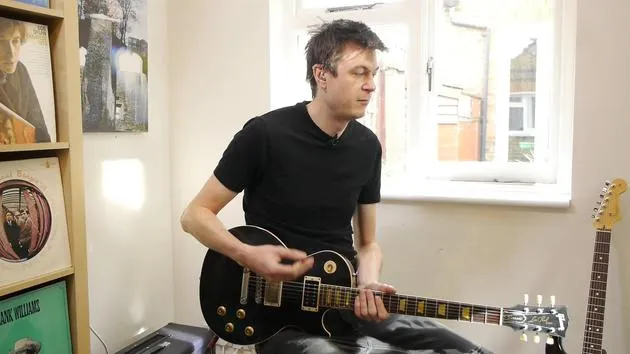

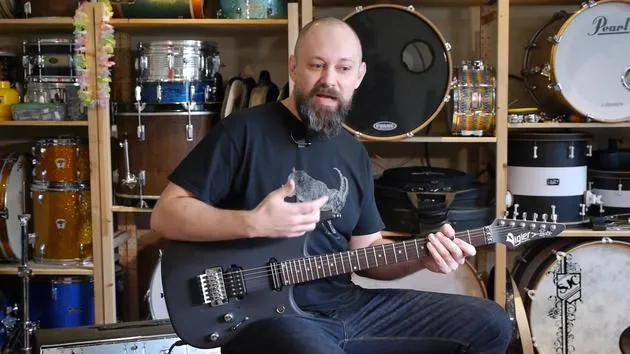
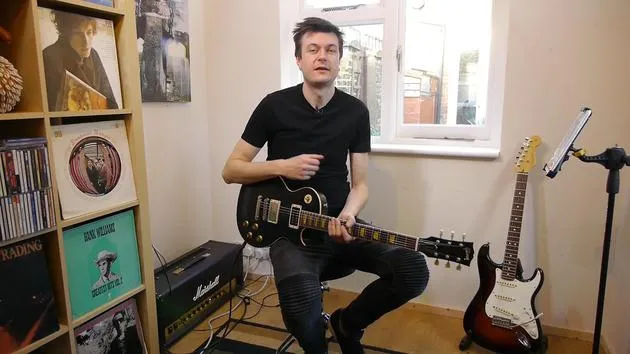
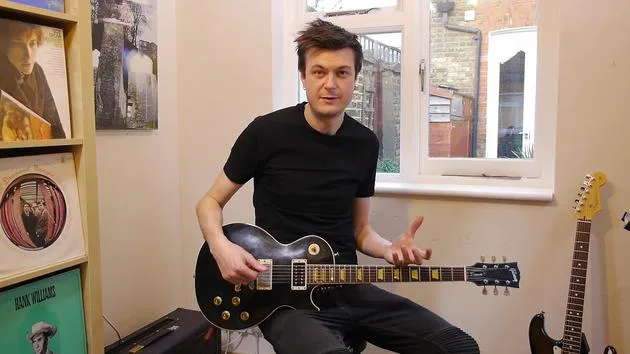

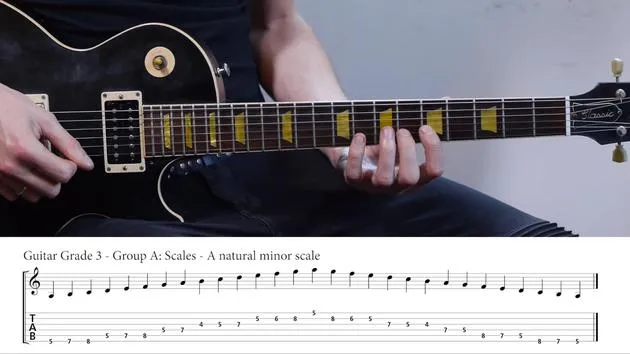
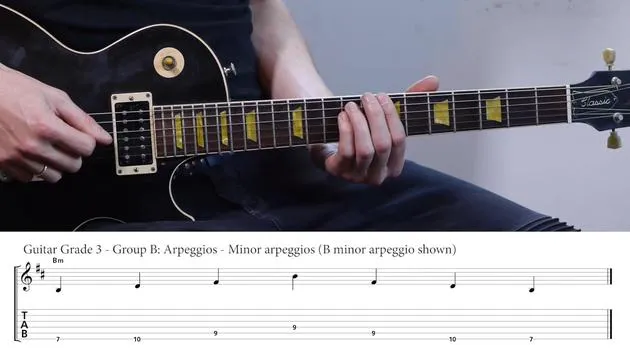
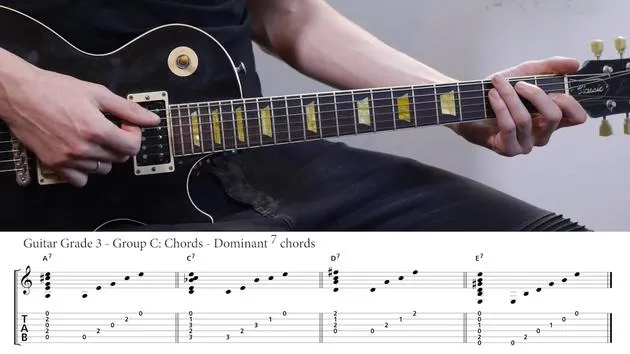
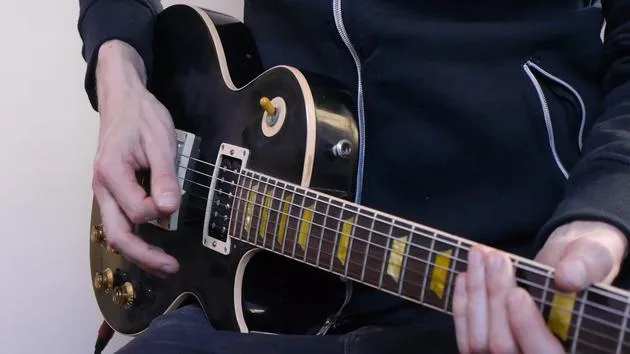
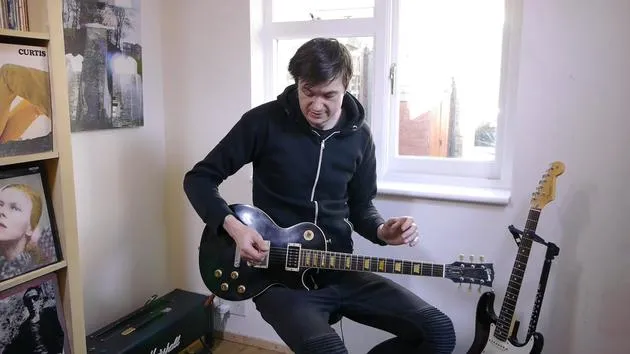
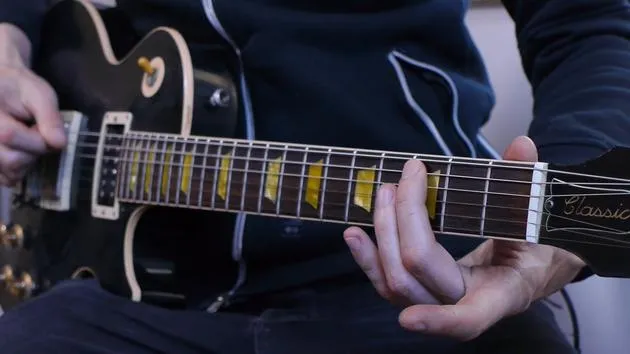
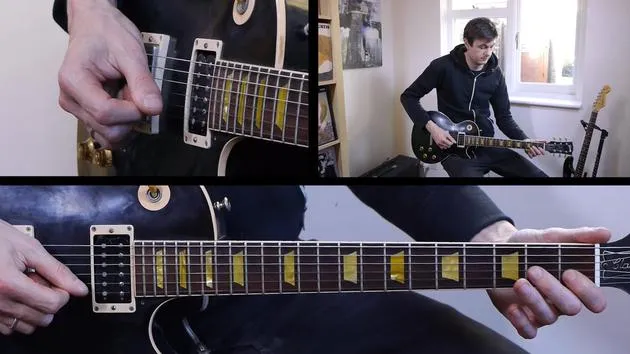
Transcription de la leçon
Exploring Rhythmic Variations in Music
Alright then guys,
Now that we've talked about some good tones to find over chords, what we're going to do now is look at varying the rhythm.
Focus on the Right Hand
Intentionally, when examining the chord tones, we've kept the right hand really simple because we want to focus on finding the good notes.
- Why? We don't want to worry too much about when to play these notes.
- That's why I played everything on beat one pretty much; it allows me to concentrate on my left hand.
When you're new to this, there's a lot to think about:
- "Right, okay, I want to play the third of this chord. What is it? Where is it?"
It's overwhelming enough without having to worry about rhythm at the same time.
Restricting the Left Hand
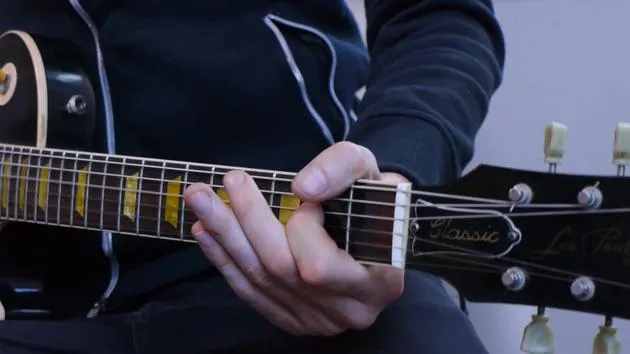
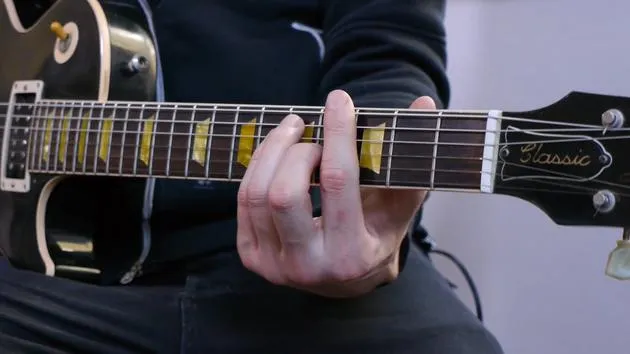
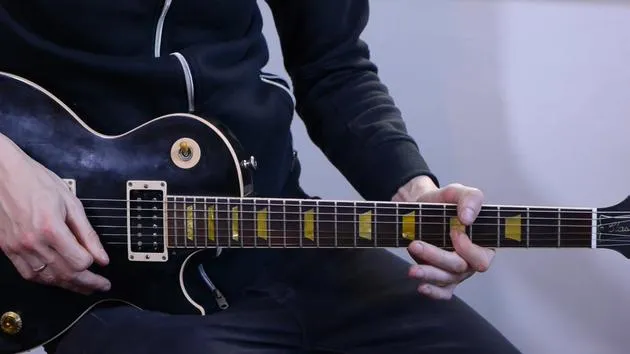
Let's try now restricting the left hand a little more. We're not going to move around anywhere near as much.
- We're still going to take the three chord tones, but in a limited area.
- This time, we can start to focus more on the right hand.
Rhythmic Ideas
Here are some different rhythms that you could explore:
- If you have a friend who plays, they might lay down a rhythmic strum pattern instead of just a single chord.
- Maybe your teacher can help, or if you have a loop pedal, you can pop down some simple strum patterns.
We'll start with a simple strum pattern on a G chord and then mess around with some rhythmic ideas using only three notes.
Remember:
- Our three chord tones over G are G, B.
- Start off really basic with just three instances of those chord tones.
As you may get bored hearing those particular tones, try these:
- Move down to some lower tones.
- Then move up to some higher tones.
Experimenting with Rhythms
Try to avoid moving around too much within one particular instance. Instead, experiment with varying the rhythmic divisions you're playing:
- Quarter notes
- Eighth notes
- Sixteenth notes
- Triplets
You have loads of options to experiment with!
Simplify and Experiment
Developing your rhythmic play can be done effectively by restricting your left hand. You don't want to be thinking about coming up with cool rhythms while also worrying about what notes to play.
- Simplify one hand, experiment with the other.
- Then, simplify the other hand, experiment with the first.
- Finally, put it all together and see how you get on.
Next Steps
The next step will be applying these rhythms to a natural chord progression where we change the chords underneath instead of sticking to a single chord.
Good luck with that! Let's check out some chord progressions.
43 leçons
3h 11m de leçons vidéo structurées
Fonctions vidéo avancées
Ralentissez, bouclez un passage, suivez la partition
Mobile, tablette et ordinateur
Pratiquez où vous voulez
Satisfaction garantie à 100 %
Garantie remboursement 30 jours







