



Position de la main du médiator
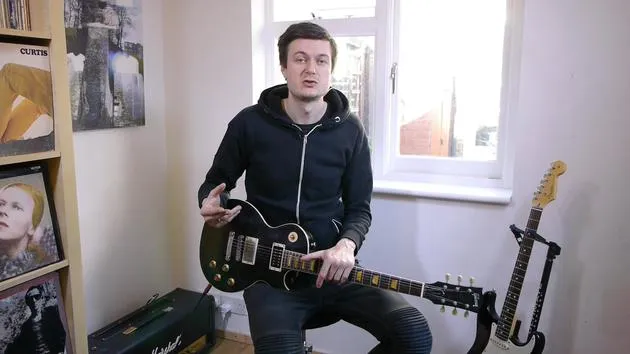
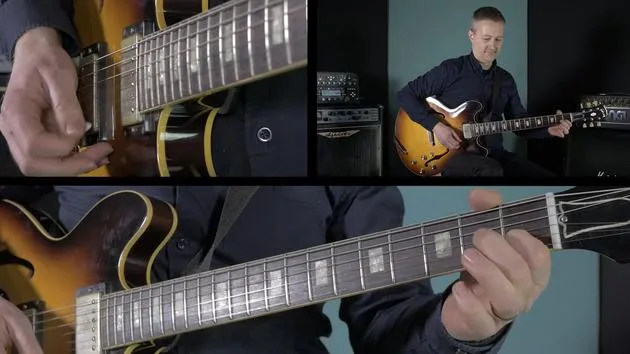
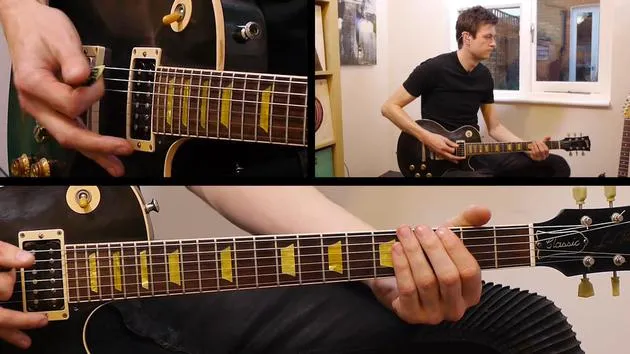
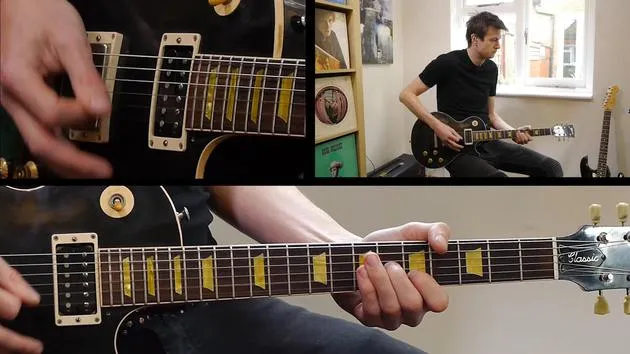
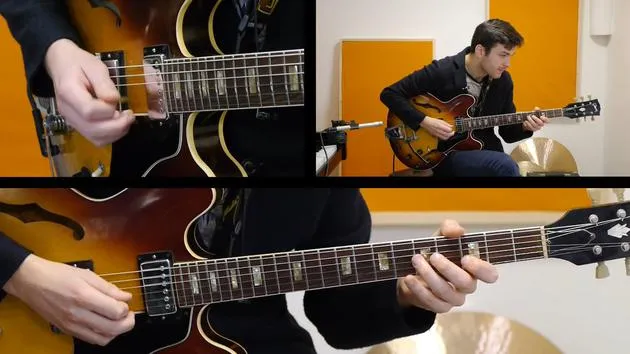
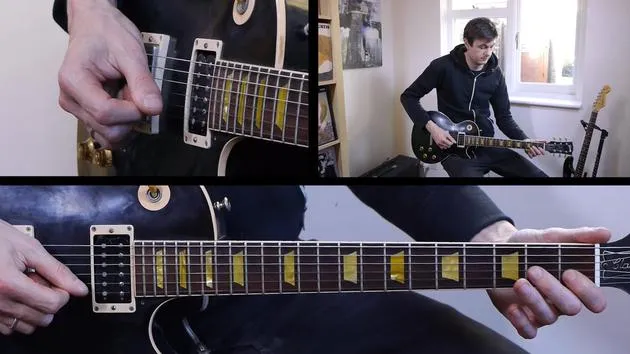
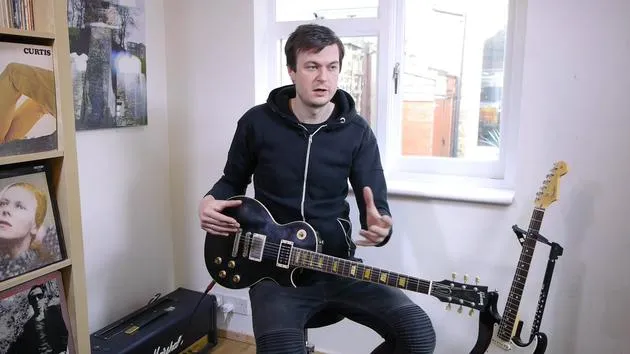
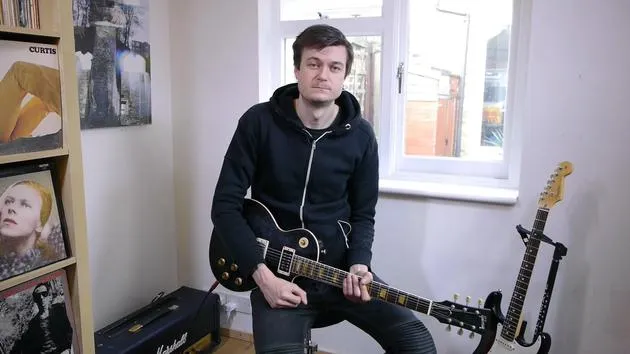
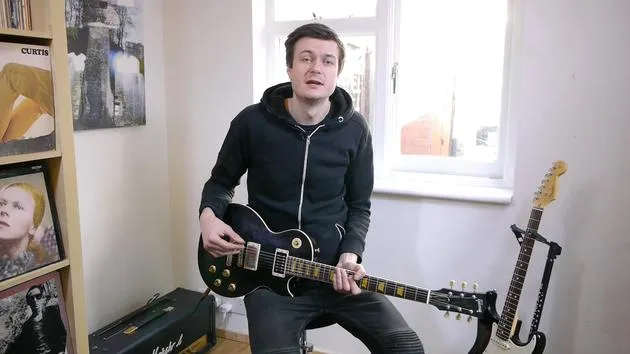
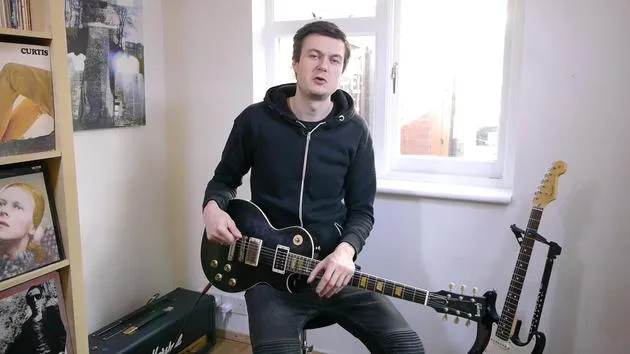
James Barratt te montre où poser ta main du médiator sur le chevalet de la guitare, et pourquoi être à l'aise dans cette position débloque tant de techniques.
Le contenu du cours
43 leçons (3h 11min) · 1 gratuites
01. Introduction aux approches de l'improvisation
1:00
02. Premiers pas dans l'improvisation
9:22
03. Improviser sur les notes de l'accord
10:18
04. Exercice : Trouver les notes de l'accord
4:05
05. Ajouter de l'intérêt rythmique à tes solos
4:11
06. Exercice : improviser sur un changement d'accord
2:52
07. Défi : envoie ton impro
0:24
08. Embellir une mélodie
5:36
09. Défi : Envoie ta mélodie
0:26
10. Impro rythmique et comping
9:55
Transcription de la leçon
Basic Hand Position on the Guitar
So in terms of basic hand position, let's discuss this briefly.
Right Hand Placement
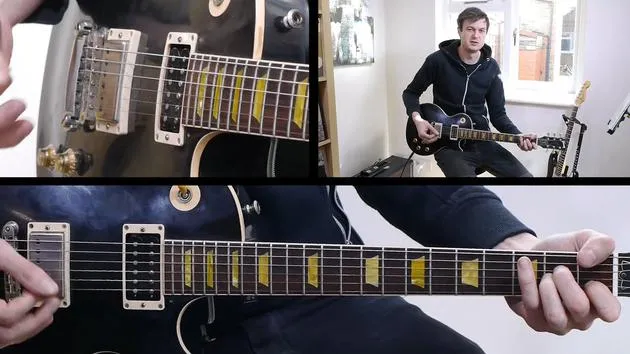
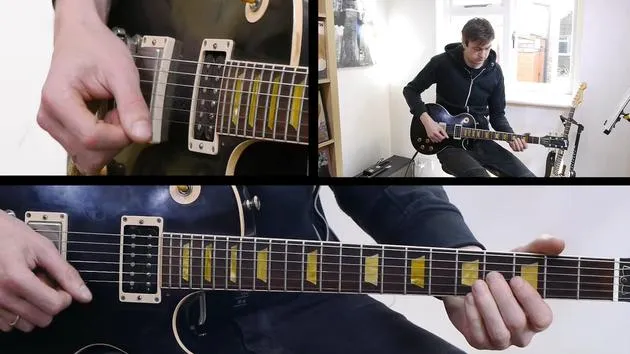
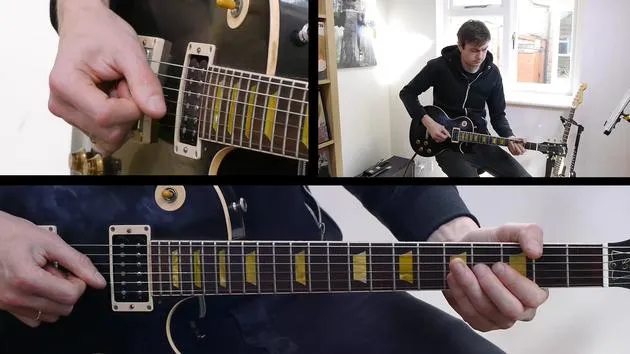
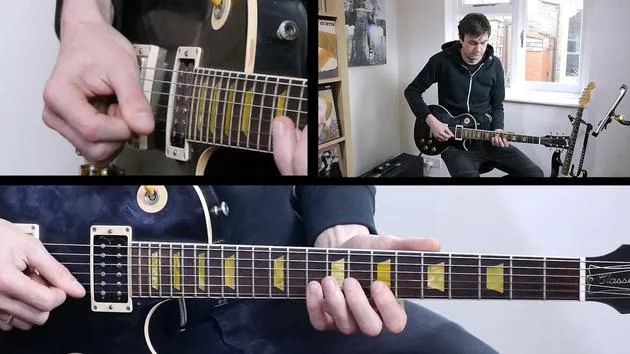
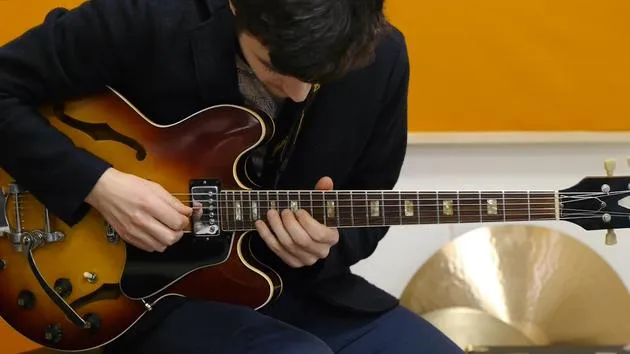
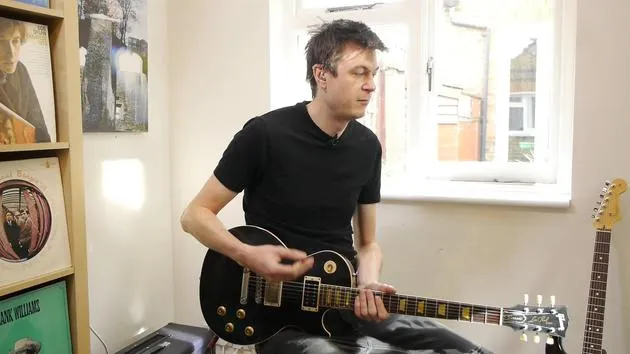
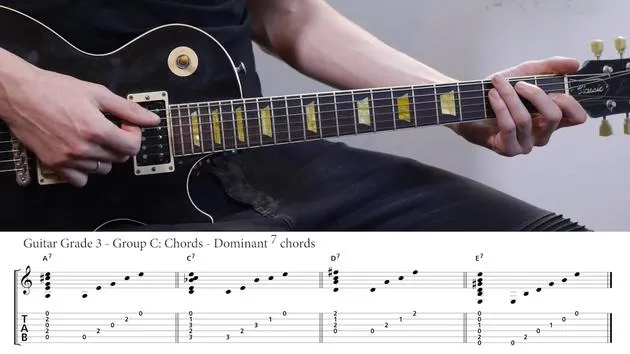
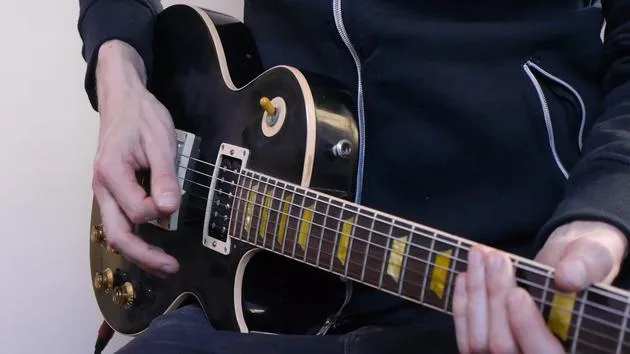
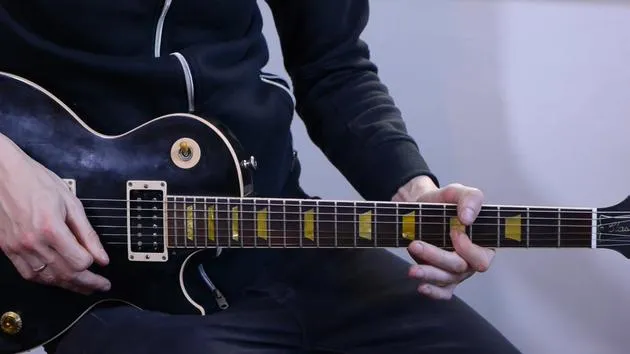
- A lot of the time, your right hand is going to live on this part of the guitar here, which is called the bridge.
- When I'm talking about my right hand, I'm referring to the palm of your right hand sitting right on that bridge.
It's a great place for your right hand to be. The sooner you can get comfortable with your right hand being anchored to the guitar, the better.
Importance of Right Hand Anchoring
- It's really important to get comfortable with this position.
- There are loads of techniques that come off this hand position, and your right hand accuracy is greatly improved when it is anchored to the bridge.
When to Loosen Up
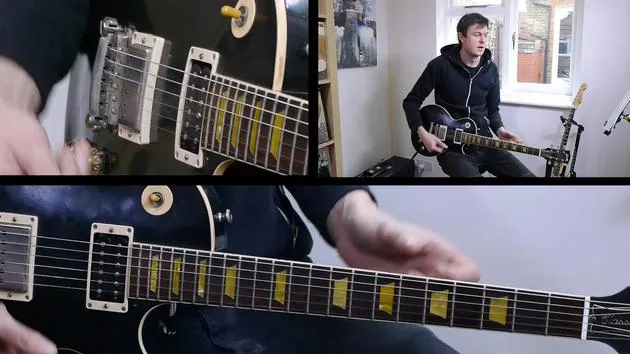
The only time you don't necessarily want to be tied down to the bridge is when you're strumming open chords really freely.
- We don't want to be tied down at that point.
- If we're doing a strummy vibe, then we don't need to be anchored to the bridge, it would feel quite restricted.
Picking Techniques
Whenever we're going to delve into picking out a single string at a time, it's instant: right hand on the bridge, and we can be really accurate with where we place the pick.
Recommended Exercise
A really great exercise to try out is:
- Rest your hand on the bridge.
- Don't look at your right hand.
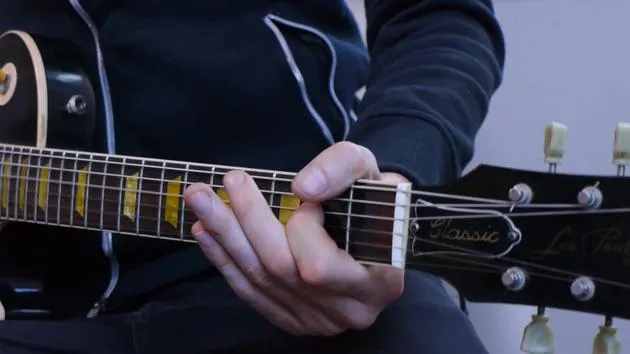
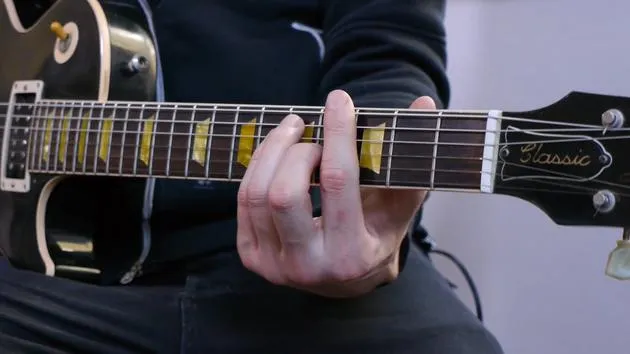
This is important because many players get glued to what their right hand is doing and forget about the left hand, which may end up doing all sorts of crazy things.
- So, get your right hand on the bridge.
- Either shut your eyes or avoid looking at your right hand and just try to pick out a specific string.
String Identification
Say to yourself:
- "I want to pick the G string."
- "I want to pick the A string."
- "I want to pick the E string."
- "I want to pick the D string."
Benefits of This Exercise
You'll be amazed at how accurate you can be without looking. It may feel like you have to look at your right hand at all times, but having it in the right position is incredibly beneficial.
- This will help you begin to wean yourself off the habit of visually monitoring your right hand constantly.
Balancing Focus Between Hands
Logically thinking:
- The right hand controls a tiny area of about two inches, which interacts with the six strings.
- Meanwhile, your left hand has the entire neck to manage.
The sooner we can leave the right hand to its own work, the better. This allows us to concentrate on what our left hand is doing, look at some music, or focus on whatever else is going on.
Final Thoughts
It's a really important thing to bear in mind!
43 leçons
3h 11m de leçons vidéo structurées
Fonctions vidéo avancées
Ralentissez, bouclez un passage, suivez la partition
Mobile, tablette et ordinateur
Pratiquez où vous voulez
Satisfaction garantie à 100 %
Garantie remboursement 30 jours







