



Embellir une mélodie

Le contenu du cours
43 leçons (3h 11min) · 1 gratuites
01. Introduction aux approches de l'improvisation
1:00
02. Premiers pas dans l'improvisation
9:22
03. Improviser sur les notes de l'accord
10:18
04. Exercice : Trouver les notes de l'accord
4:05
05. Ajouter de l'intérêt rythmique à tes solos
4:11
06. Exercice : improviser sur un changement d'accord
2:52
07. Défi : envoie ton impro
0:24
08. Embellir une mélodie
Tu es ici5:36
09. Défi : Envoie ta mélodie
0:26
10. Impro rythmique et comping
9:55
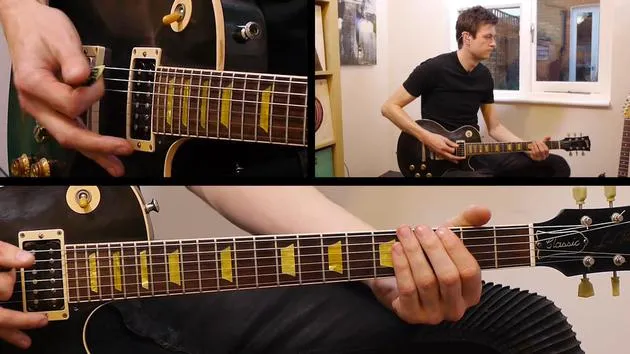
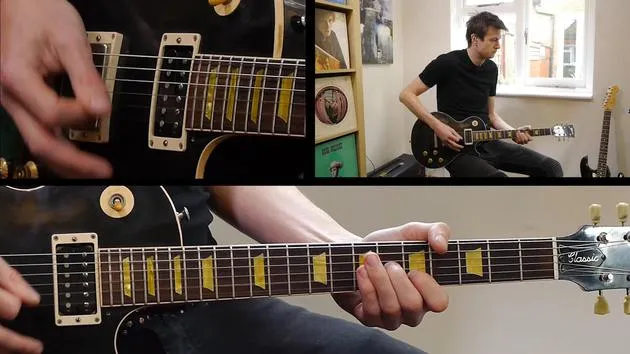
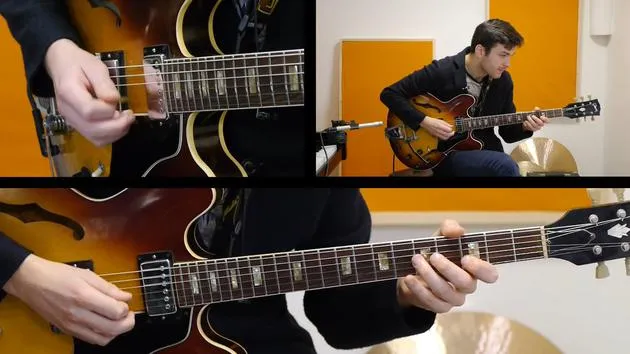
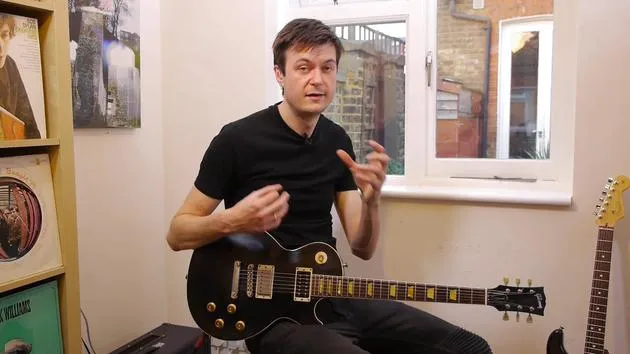
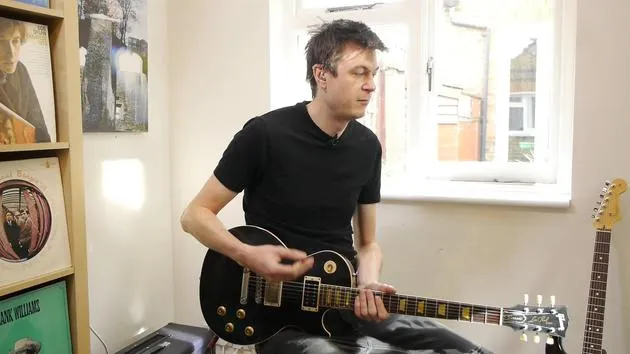


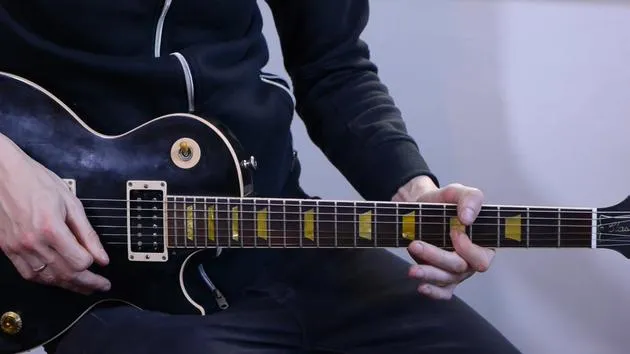
Transcription de la leçon
Exploring Melodic Embellishments
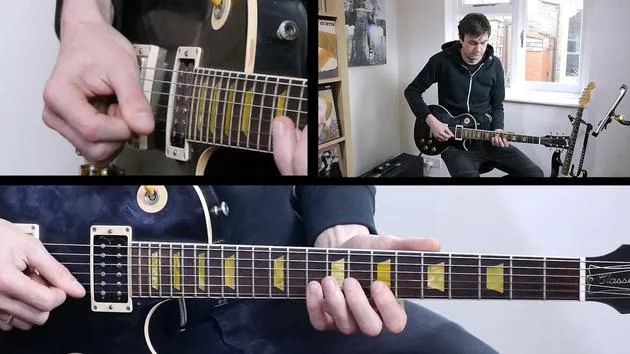
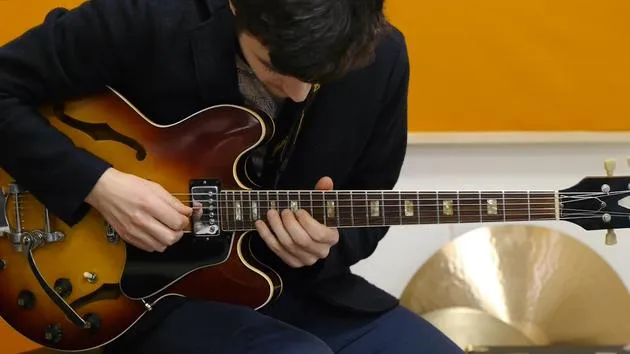
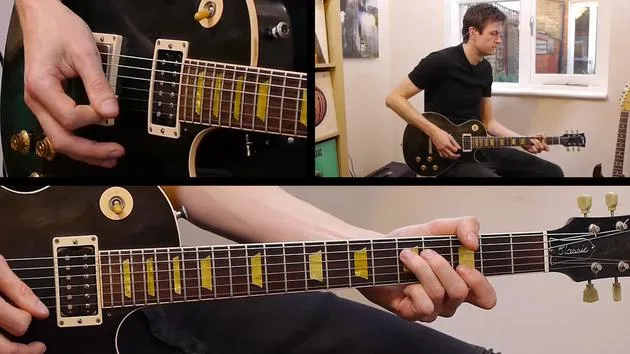
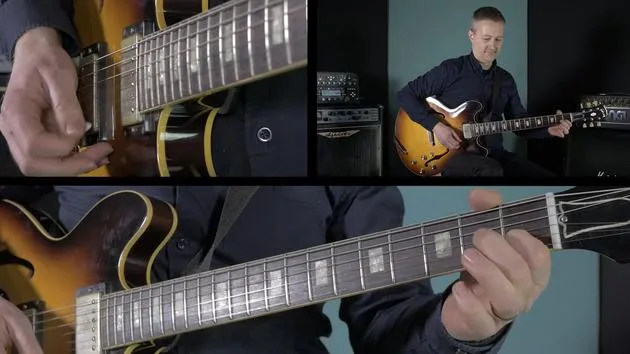
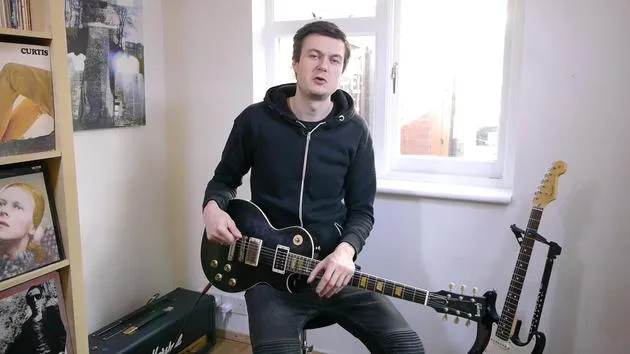
Okay, then. So the next approach I want to talk about is taking a melody. We're going to use the same melody over and over again and start thinking about ways that we can embellish that melody.
What is Embellishment?
An embellishment could be something as simple as adding vibrato or thinking about how we approach a specific note. We might ask:
- Do we slide into it?
- Do we pick it?
- Are we playing legato with hammer-ons and pull-offs?
- Are we tapping the note?
- Are we bending up to the note?
There are so many different ways we can approach playing even just one single note on the guitar.
The Example: Sweet Child of Mine
What I thought would be a good idea is if we take a melody that I imagine a lot of you will know. We're going to use the vocal melody, just one bar of it, from Sweet Child of Mine by Guns N' Roses.
Hopefully, this melody is familiar to you if you're familiar with that song. If you're not, go and check it out! Just have a listen to the opening vocal phrase, and instantly you'll recognize that melody.
Key Information
- Key: D Major
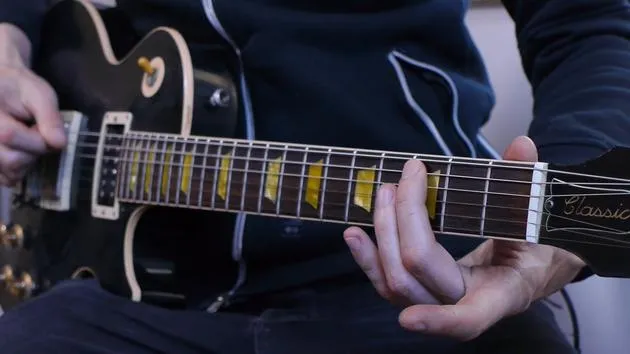
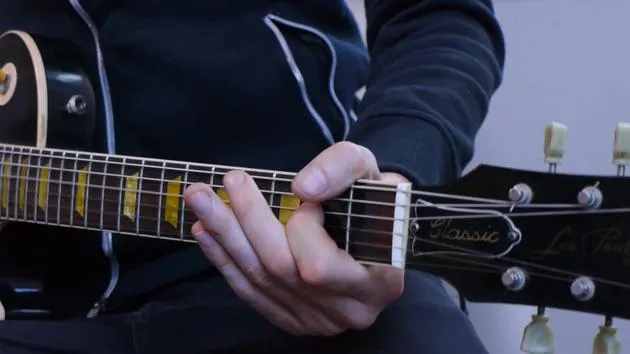
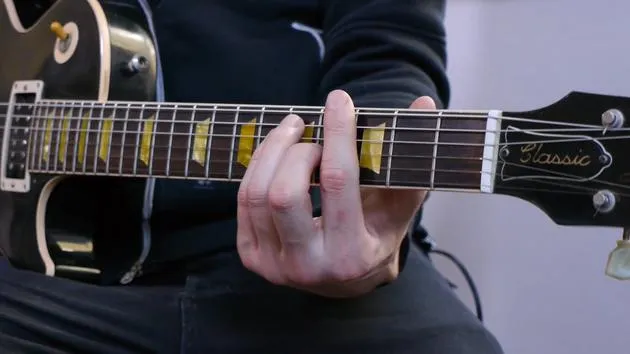
- Starting Position: B string with your little finger, picking it three times.
- Sequence: Descending down and then across the G string for the last two notes.
At the moment, it sounds a little flat, as I'm not adding any articulation or embellishment to those notes whatsoever. So, it sounds a little stale really.
Your Task
What I'd like you to work on is playing that same melody, but thinking about different ways of approaching various notes within it. For example:
- Perhaps you might bend up to that third note that you're repeating.
- Maybe add some slides in there.
- Add a little bit of vibrato.
There are so many different ways we could try playing that melody. You might change the position of it to get a different tone, perhaps ending up playing it higher for a warmer sound.
Technique Restriction
To start with, I think a good idea is to restrict yourself and just apply one technique at a time. For example, let's focus on:
- Slides: It's easy to overdo the slides, but it gives you an idea.
- Vibrato: This is one of the most expressive things you can do to a note to really make it work. Aim to add vibrato on sustained notes, such as that third note and certainly at the end of the phrase.
Combining Techniques
Let's have a look at combining a few different techniques:
- Some slides and some bends, perhaps.
- Add some pre-bends and get some vibrato that way.
There are almost infinite possibilities just by sticking with that melody and changing the way you approach playing it.
Think Like a Vocalist
It's a really nice example using that particular melody, as it's a vocal phrase.
When you play your notes as a guitar player, we can keep going up and down without needing to take a physical breath. In contrast, a vocalist has to physically breathe, have a gap, and then start again.
This can be something to think about in your phrasing:
- Play a little bit, breathe, let it sit.
- Next phrase, play a bit, let it breathe.
Combine these little things together, and suddenly your improvisations start to sound a lot more musical, rather than just playing up and down shapes you might be familiar with from scales.
Your Own Melodies
So, do give that a try and work with your own melodies as well. Not just melodies from songs you like, though that's a great thing to practice.
Come up with your own melodies using the methods we've talked about previously, and try keeping those melodies the same while varying how you embellish them.
Focus on:
- Whether you're bending up to notes,
- Sliding into notes,
- Adding vibrato, etc.
Think about these embellishments rather than the note choice, because you've already settled on a melody that you like and think works.
It's a really cool thing to experiment with, so good luck with that!
43 leçons
3h 11m de leçons vidéo structurées
Fonctions vidéo avancées
Ralentissez, bouclez un passage, suivez la partition
Mobile, tablette et ordinateur
Pratiquez où vous voulez
Satisfaction garantie à 100 %
Garantie remboursement 30 jours







