



Accords barrés
James Barratt décompose les accords barrés, des petits barrés de deux cordes aux formes complètes de six cordes comme Sol majeur, avec des conseils pour développer la technique.

Le contenu du cours
43 leçons (3h 11min) · 1 gratuites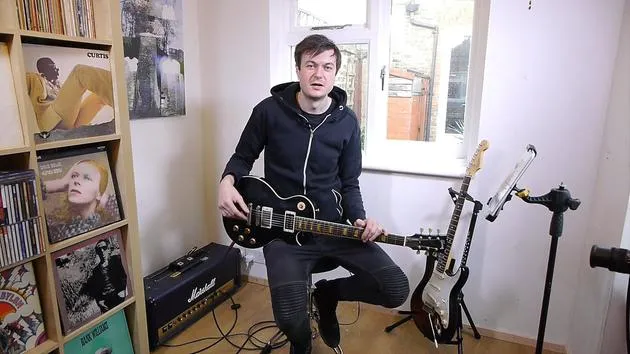
01. Introduction aux approches de l'improvisation
1:00
02. Premiers pas dans l'improvisation
9:22
03. Improviser sur les notes de l'accord
10:18
04. Exercice : Trouver les notes de l'accord
4:05
05. Ajouter de l'intérêt rythmique à tes solos
4:11
06. Exercice : improviser sur un changement d'accord
2:52
07. Défi : envoie ton impro
0:24
08. Embellir une mélodie
5:36
09. Défi : Envoie ta mélodie
0:26
10. Impro rythmique et comping
9:55
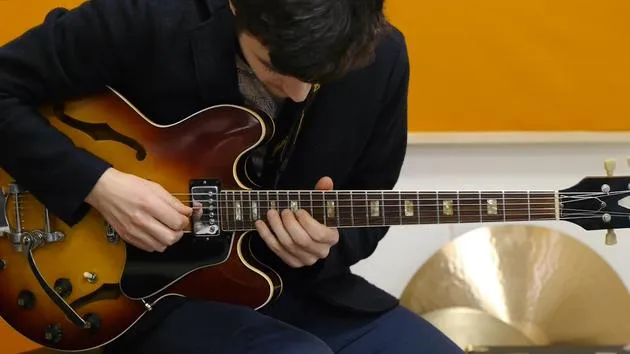
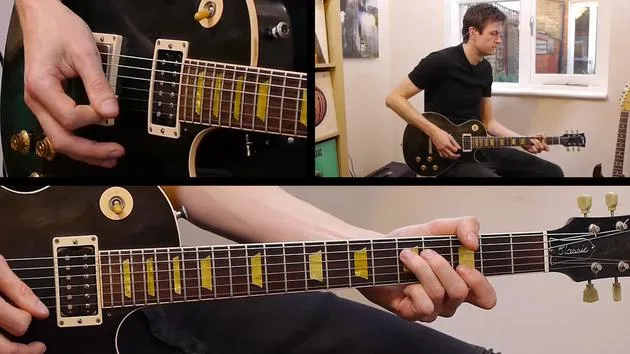
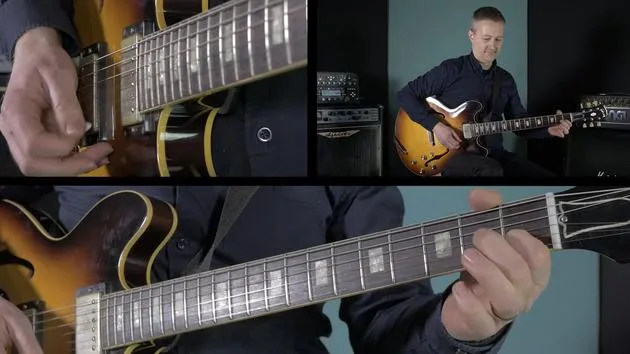
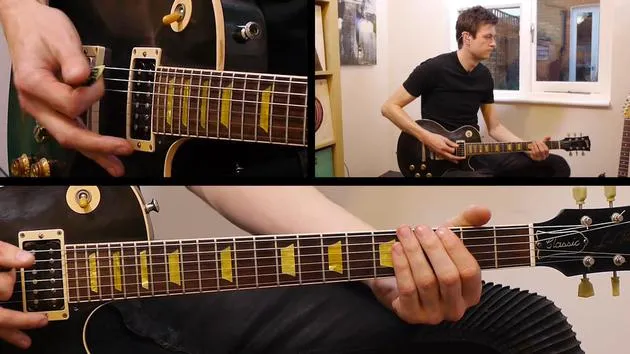
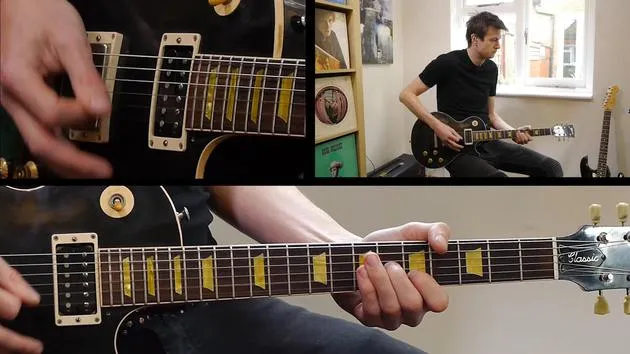
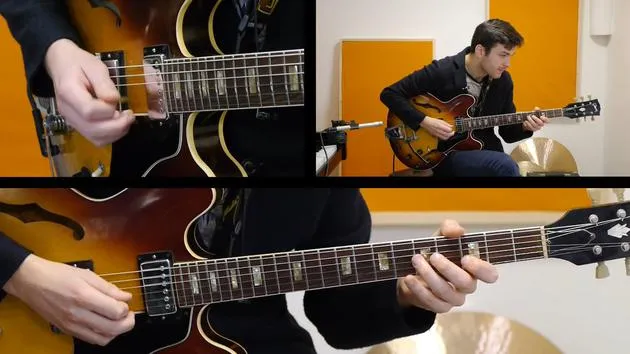
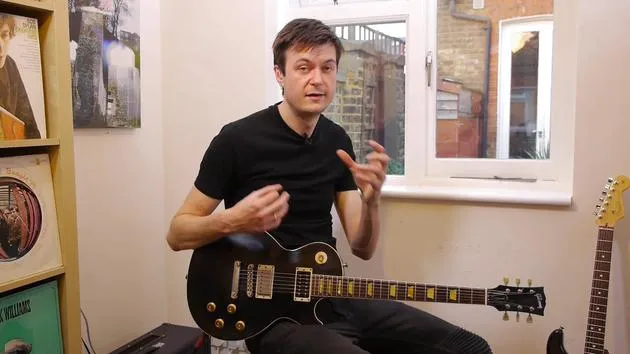
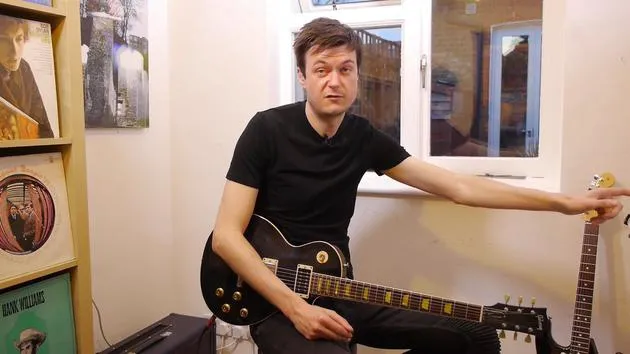
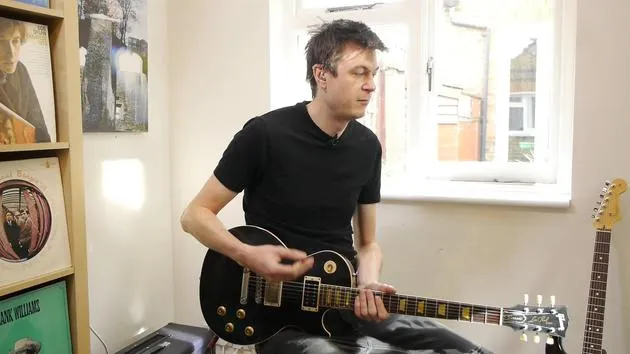

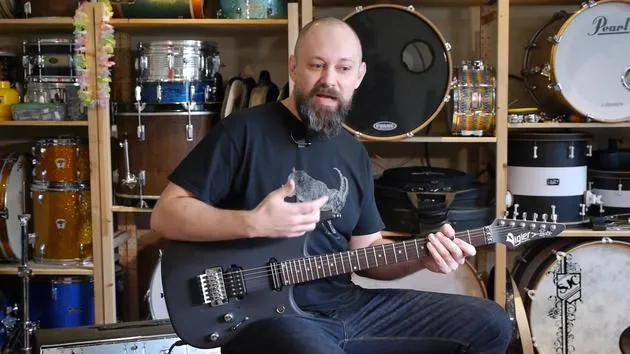
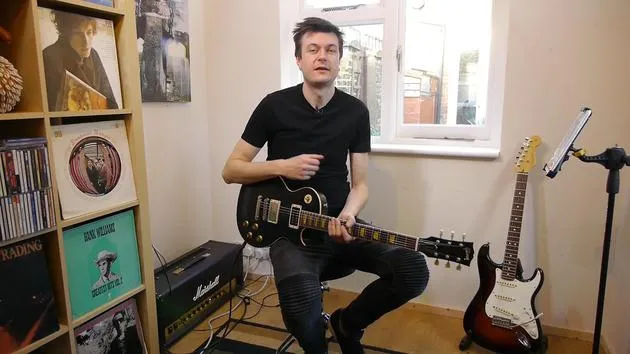
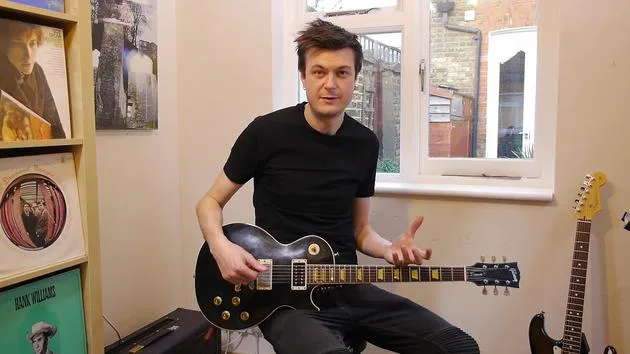
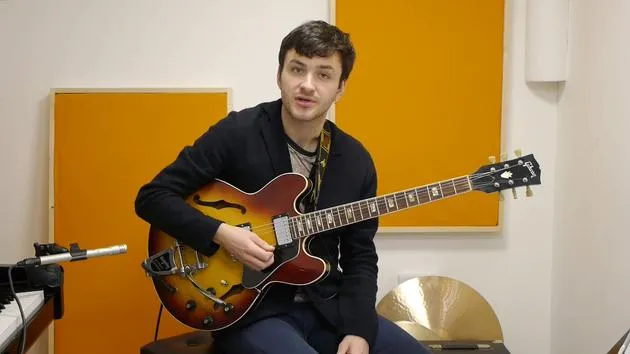
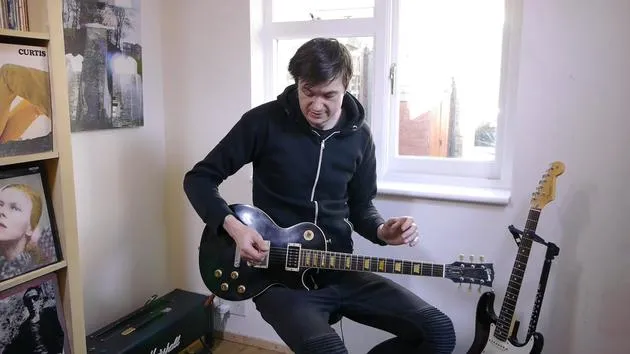
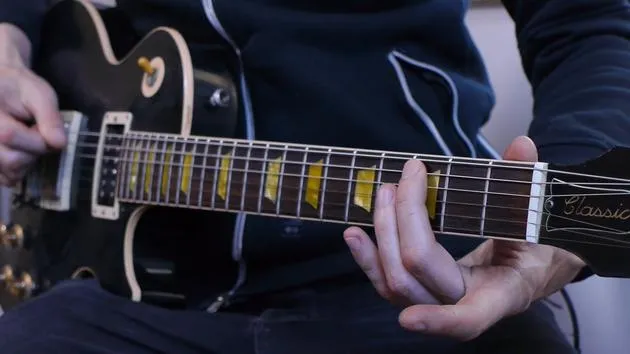
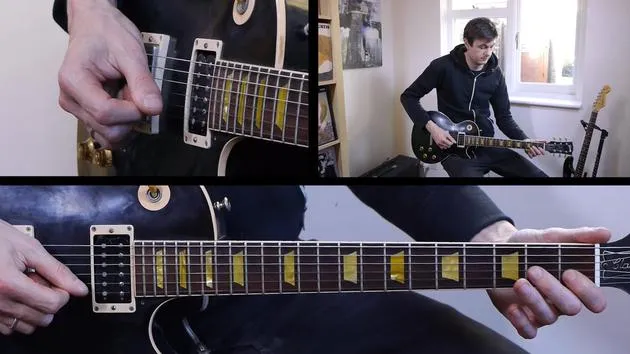
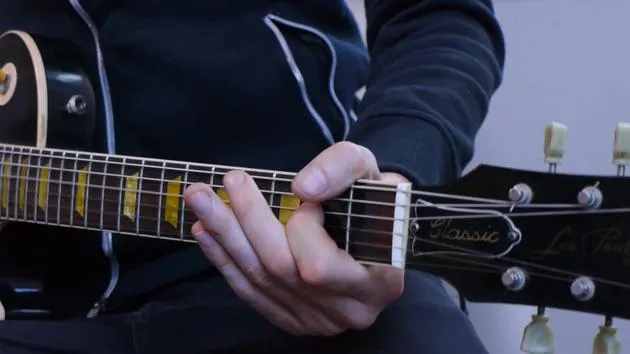
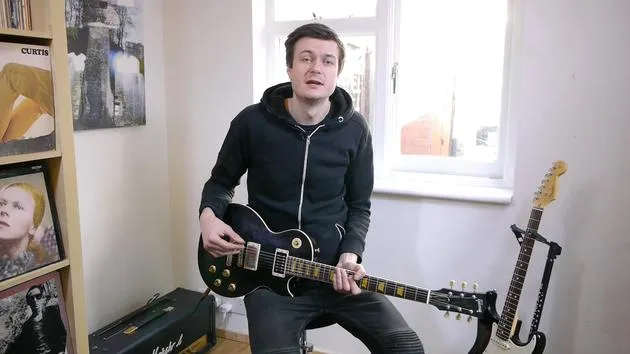
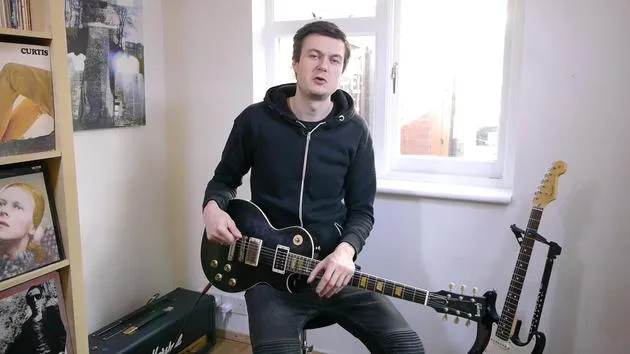
Transcription de la leçon
Discussion on Bar Chords
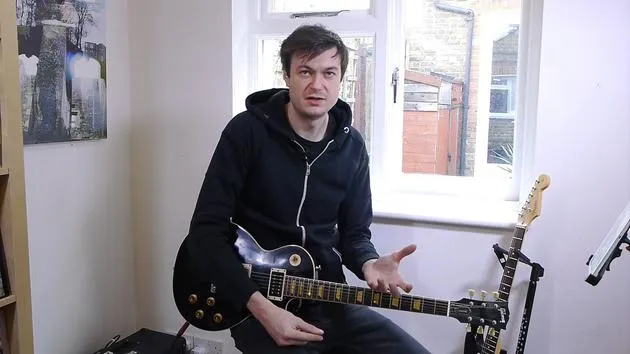
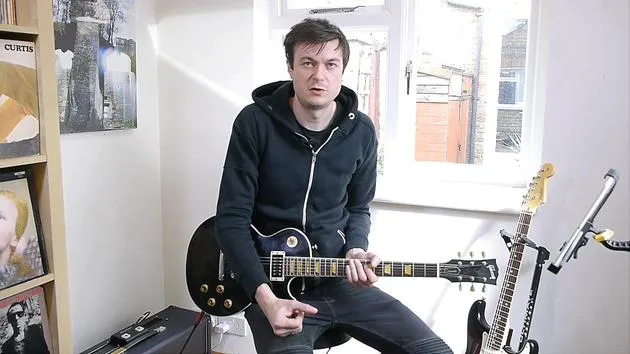
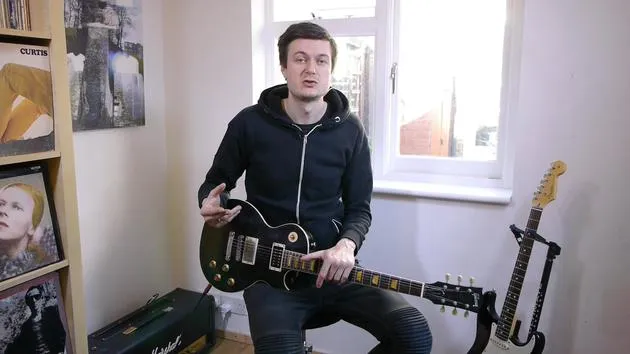
Okay, we're gonna have a little discussion about bar chords now. These can be a real challenge when you first look at them. I know a lot of people struggle, myself included. When I first started and was first presented with a bar chord, it just didn't seem to work for quite a while.
There's a few little things I can maybe help you with that might enable that confidence to come a bit quicker with this technique.
What is Barring?
Barring is simply when you cover more than one string with one finger.
Examples of Barring
-
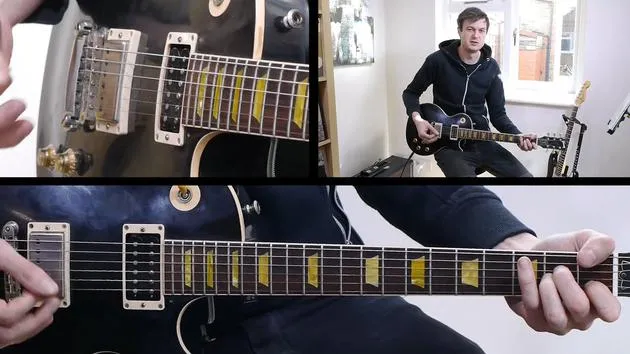
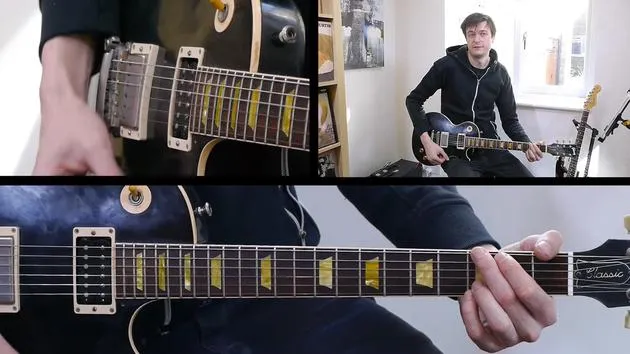
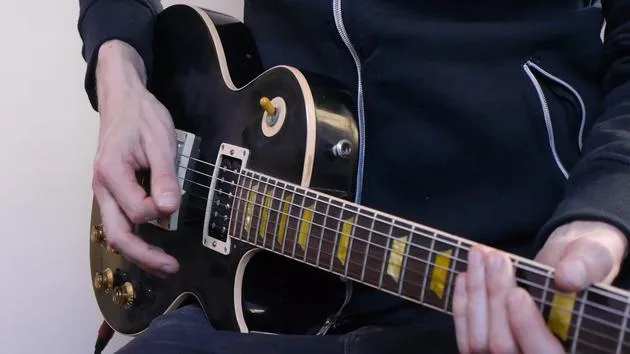
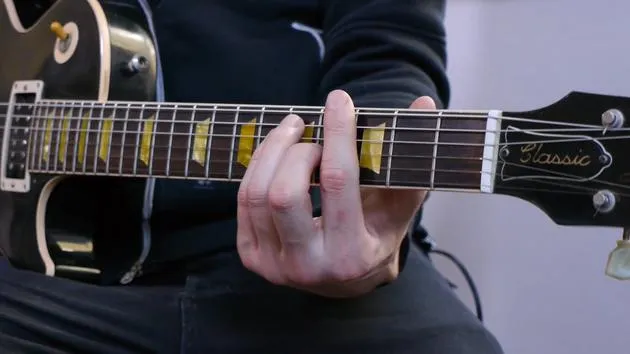
Small Bar: If I went on the third fret here and just covered the B and E strings, that's the smallest bar I could do, two strings. So I'm using one finger to play two notes there.
-
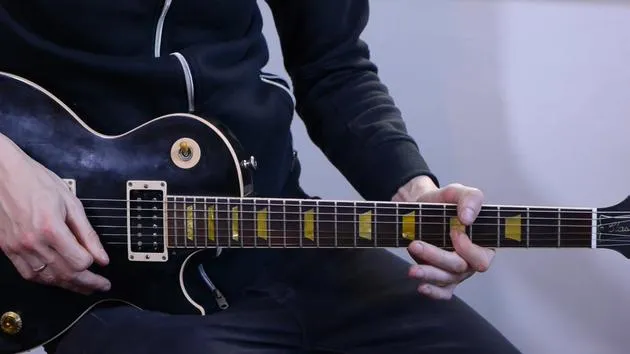
Full-Size Barre Chords: Often, this requires covering all six strings with your first finger and then fretting some of the middle strings with other fingers to produce a chord.
G Major as a Barre Chord
We're going to have a look at playing a chord you're probably familiar with already, which is G major, but as a barre chord instead. It's a slightly different sound, but it's all the same notes happening, just a different position to play this chord.
Setting Up the Bar
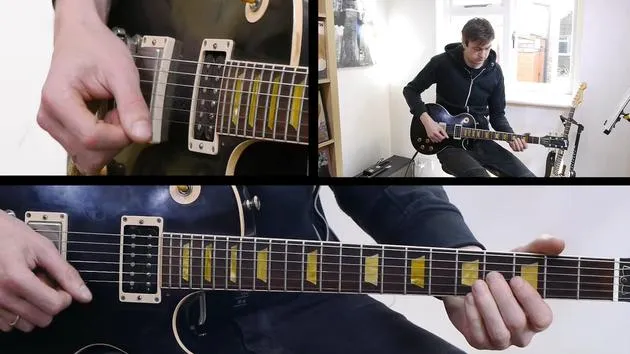
- First Finger Placement: Place your first finger across all six strings.
- Testing the Chord: Before we even add any other fingers, it's important to be able to play the bottom string (the E) and then the G, B, and E strings.
Make sure you can hear no buzzes there. You should be getting quite a nice, even amount of pressure from this first finger. It takes a bit of getting used to.
Adjusting Your Technique
You might find it helps to rotate that first finger ever so slightly. Instead of it being straight onto the strings, you can give yourself a little bit of an angle. This means that the ridges in your fingers won't fall on strings, causing them to be muted.
- Tip: Just go slightly on the side of your finger for a much cleaner bar.
Now, maintaining that pressure while adding the other fingers to create our full chord is the tricky bit!
Forming the E Major Shape
The other fingers will form an E major chord. This shape was down here. A useful practice technique is to practice an E major chord with the "wrong fingers" (inverted commas).
- Use your second, third, and fourth fingers to play an E major chord.
- Then, move it up three frets, keeping the same shape, and add your bar at the end if you like.
Practicing Chords with Arpeggios
I feel that practicing chords by arpeggiating them with the right hand is a really strong way of ensuring you have a pristine, clean chord.
- Demonstration: If I strum this chord and then pick it, I can confirm that all the notes are there.
If you're not familiar with the sounds of these chords, you could forgive yourself for thinking you have a complete sound. However, going through each note individually helps in identifying any that aren't as clean.
Identifying Common Issues
If the notes are not clear, there are usually a few culprits at play:
-
Position: Check the position of your barring finger. If it's not nice and straight with the frets, that can be a problem.
-
Pressure: The pressure that you're applying with your first finger may not be enough. Imagine a seesaw with an arc of pressure across your barring finger. You want to play the bass note with the tip and the higher, thinner strings with the back of your finger.
-
Finger Placement: Your other fingers need to be on their fingertips. If they're flat, they can start muting each other, leading to a less clean chord sound.
Overall Hand Position
-
Thumb Position: Keep your thumb placement nice and centered, perhaps on the top third of the neck.
-
Wrist and Elbow: Ensure both are relaxed and there's a comfortable gap at the back for a better angle.
Practicing with Care
Lastly, be careful about practicing barre chords for any prolonged amount of time, especially if you're new to them. You may find you're applying too much pressure with your barring finger, which can lead to discomfort.
- Recommendation: Practice for 5-10 minutes at a time, then take a rest and practice something else that doesn't involve barring. You can return to it the next day, and it will gradually improve over time.
Remember, it will definitely get better!
43 leçons
3h 11m de leçons vidéo structurées
Fonctions vidéo avancées
Ralentissez, bouclez un passage, suivez la partition
Mobile, tablette et ordinateur
Pratiquez où vous voulez
Satisfaction garantie à 100 %
Garantie remboursement 30 jours







