



Exercice : Trouver les notes de l'accord
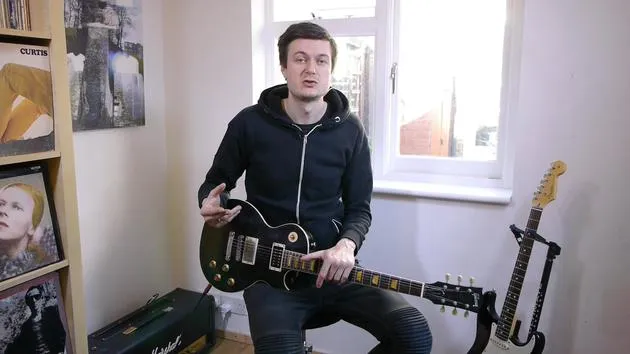
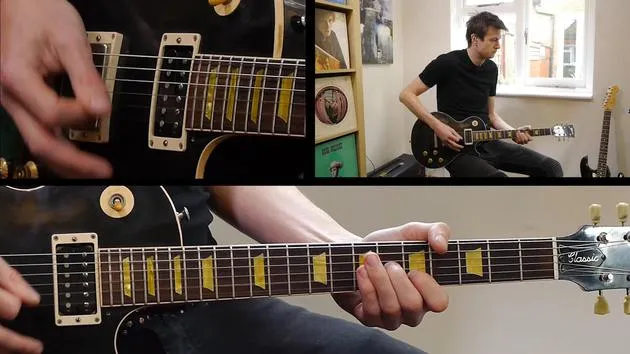
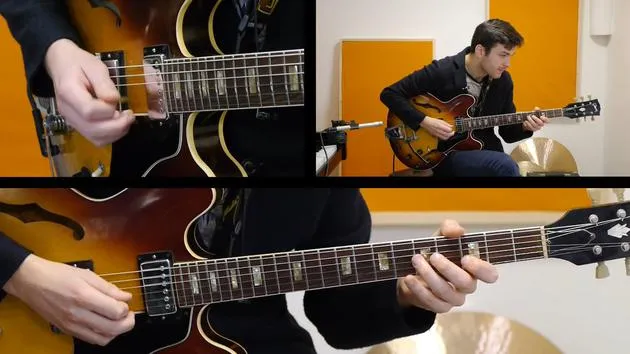
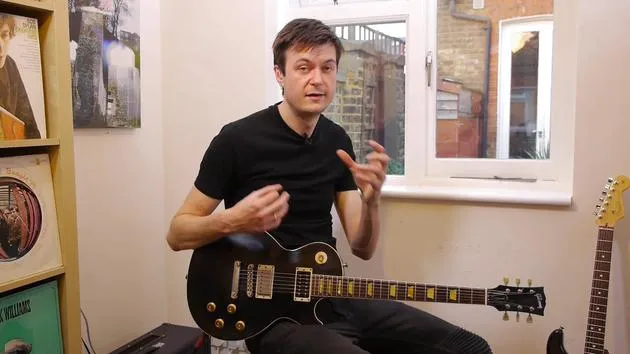
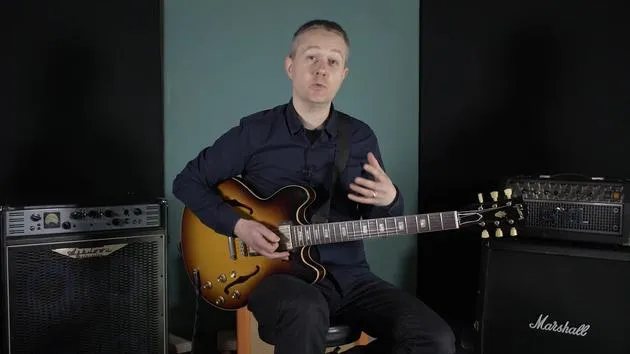
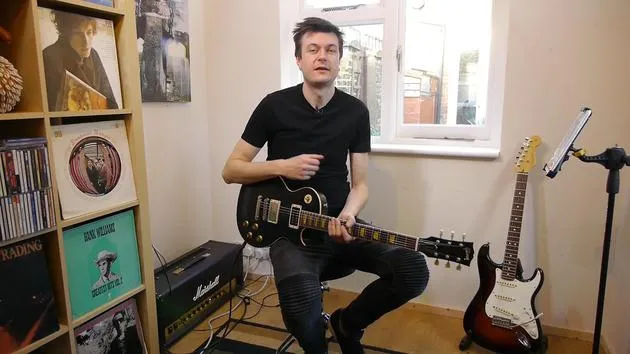
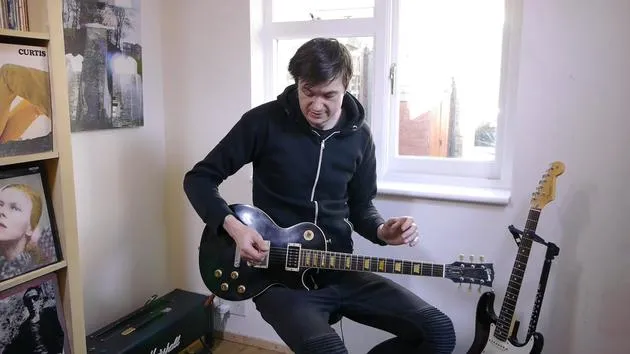
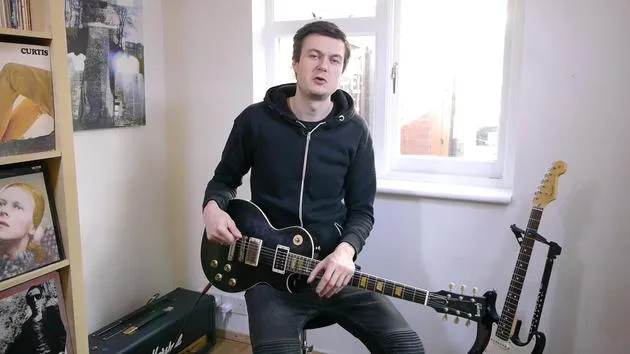
James Barratt te donne un exercice simple mais efficace pour t'entraîner à trouver les notes de l'accord à la guitare.

Le contenu du cours
43 leçons (3h 11min) · 1 gratuites
01. Introduction aux approches de l'improvisation
1:00
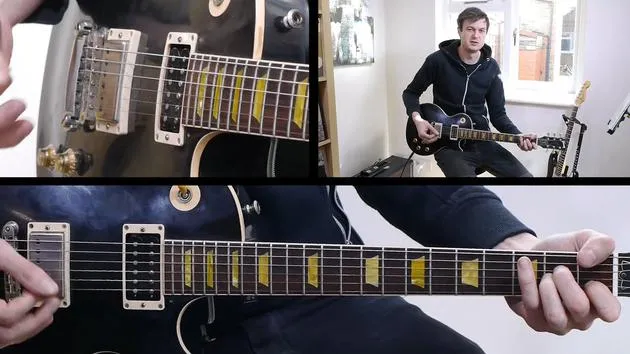
02. Premiers pas dans l'improvisation
9:22
03. Improviser sur les notes de l'accord
10:18
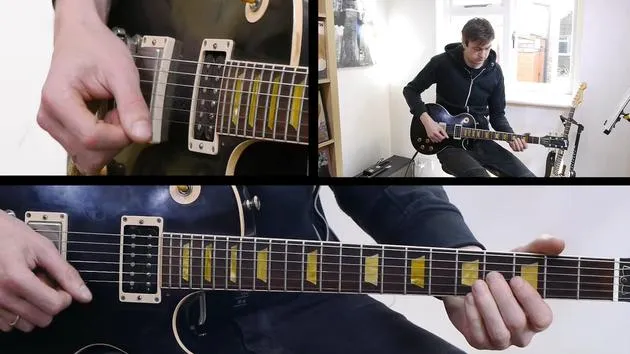
04. Exercice : Trouver les notes de l'accord
Tu es ici4:05
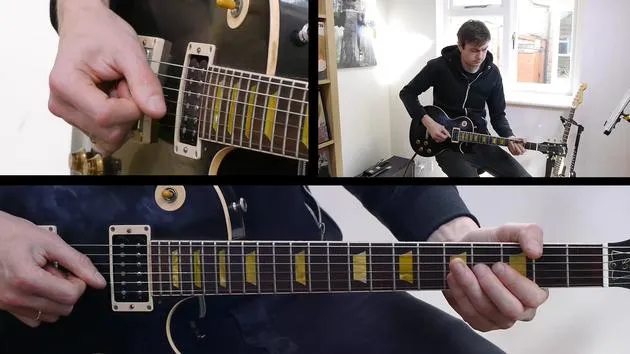
05. Ajouter de l'intérêt rythmique à tes solos
4:11
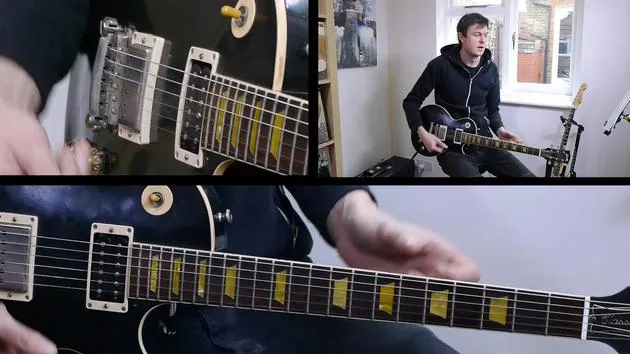
06. Exercice : improviser sur un changement d'accord
2:52
07. Défi : envoie ton impro
0:24
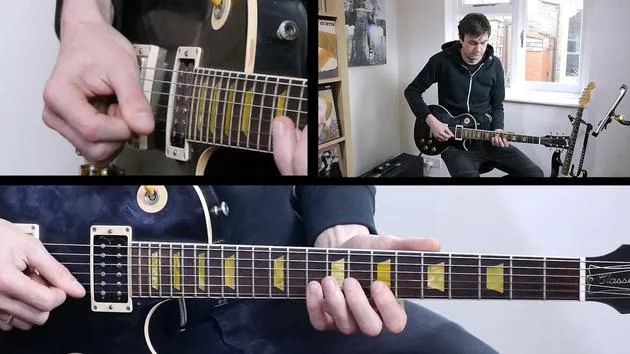
08. Embellir une mélodie
5:36
09. Défi : Envoie ta mélodie
0:26
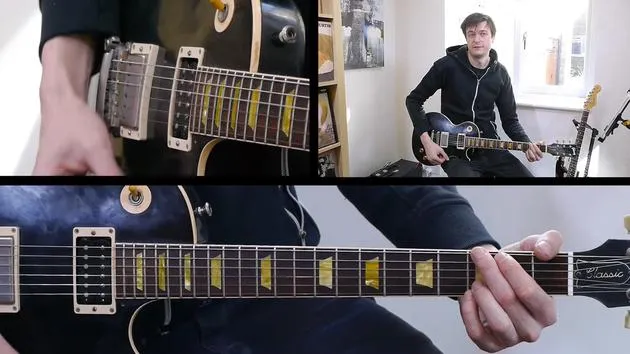
10. Impro rythmique et comping
9:55

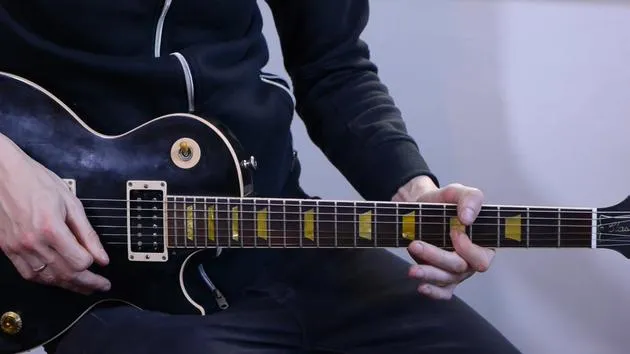
Transcription de la leçon
Exploring Chord Tones on the Guitar
Okay, then. So now we've found our chord tones. We know how to find our chord tones for a major or a minor chord.
Exercise: Chord Tones Practice
A really great exercise I'd like you to try at home is to play an A major or a minor chord, whichever you've chosen.
For example, let's go for a G major chord. Here's what I suggest:
- Record the Chord: Loop the G major chord using:
- Your phone
- A loop pedal
- A friend or teacher who plays guitar
The idea is to have a G chord ringing out. It doesn't need to go anywhere; just keep it simple.
Finding Chord Tones
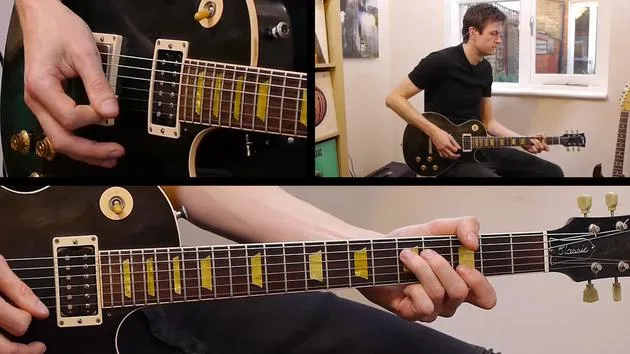
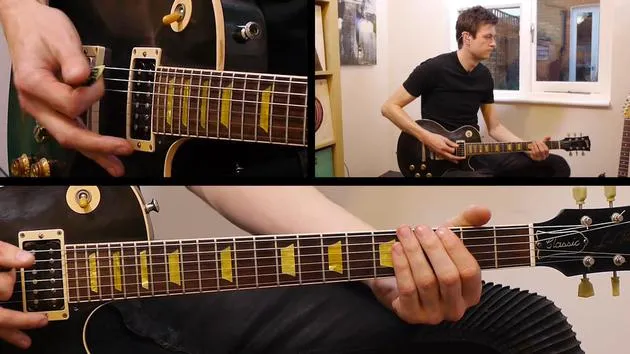
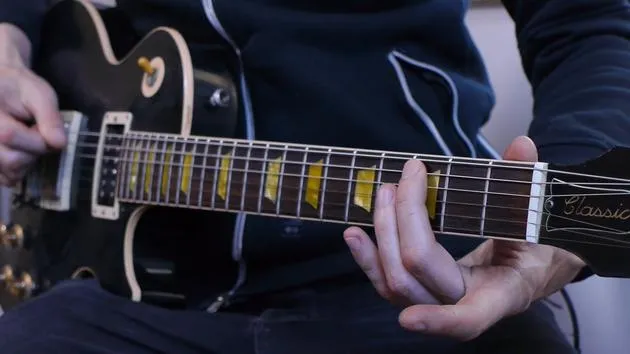
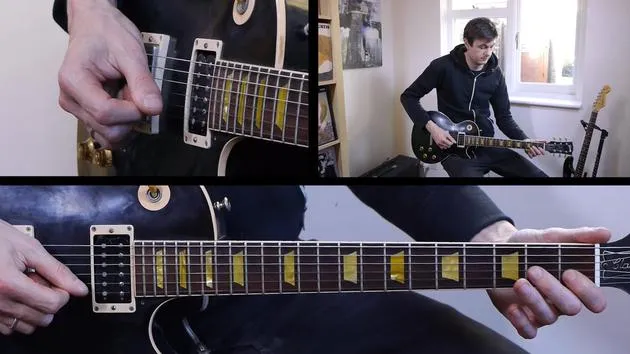
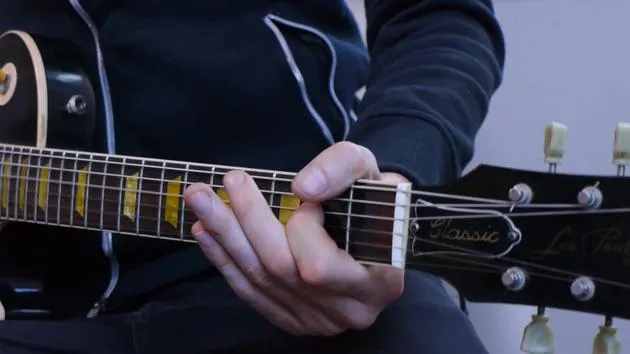
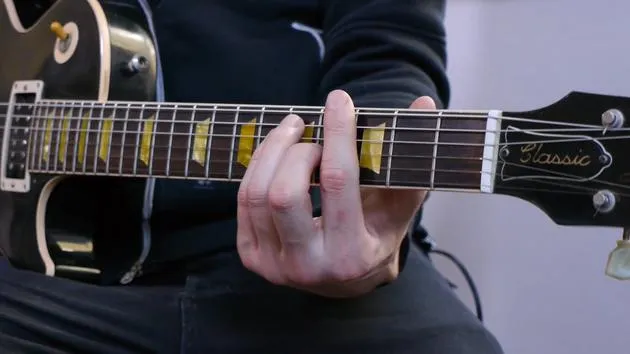
What I'd like you to do is to practice finding the chord tones in as many places as you can on the guitar. This has a huge benefit for improving your fretboard knowledge and understanding.
Importance of Understanding Notes
It's really important that we understand the notes we're playing and when.
- Sound Quality: It's essential that they sound good.
- Understanding: Aim for an understanding of:
- Where you are playing a G
- Where you are playing a B
- Where you are playing a D
So let's pop down a quick loop. Here's something I'd like you to try and practice at home.
Example Loop
- Tempo: Three, four.
- Background Chord: Just a G chord ringing out.
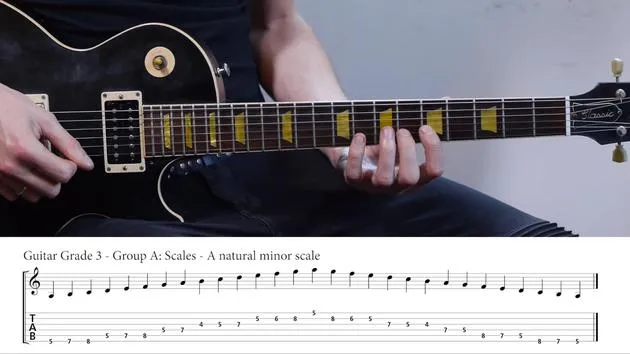
Now, let's find as many chord tones as we can. Remember, these are G, B, and D. We found these from our G major scale: notes 1, 3, and 5.
Practicing Different Tones
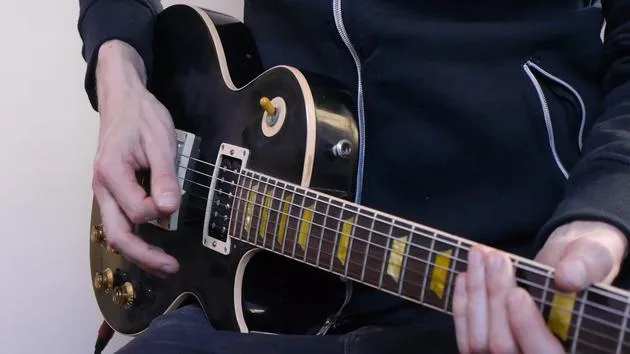
- Open G String: Don't forget the easiest one of all, the open G string.
- Finding Thirds: Let's find some thirds, so B.
- Hear how different that sounds?
- Finding Fifths: Now let's find some fifths, so some Ds.
- Listen to the different sound and relationship to the chord beneath.
Arpeggio Ideas
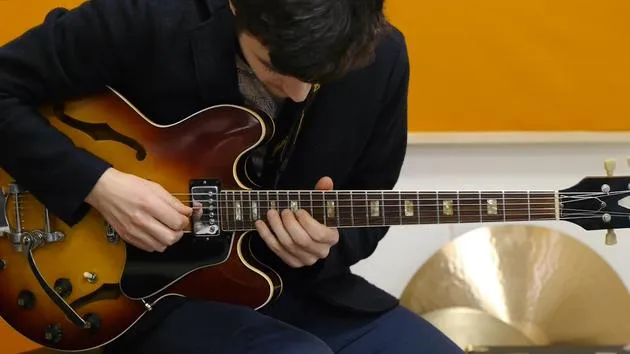
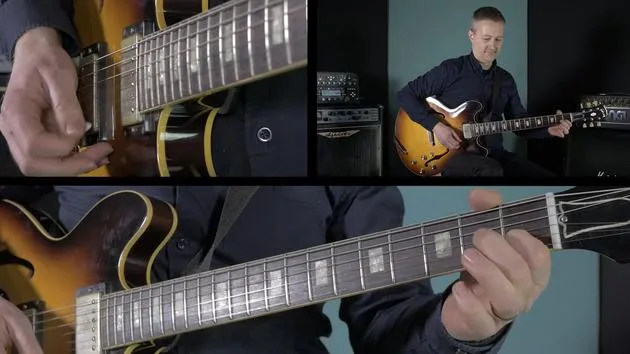
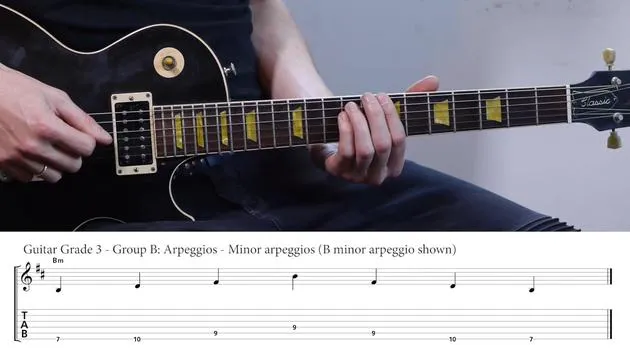
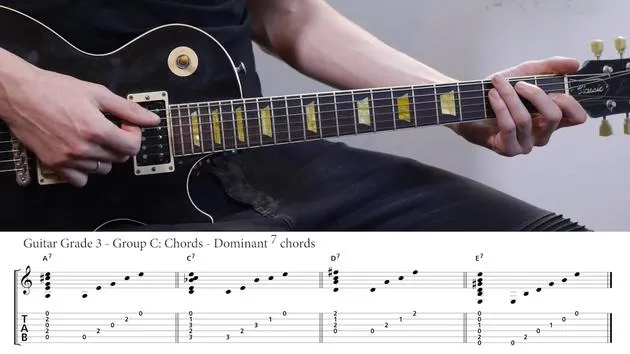
At the end there, I was just playing little simple arpeggio ideas, moving around the neck.
- This is a great way to explore where you can play a G major chord in lots of different places.
- You'll really surprise yourself as you discover where these notes are and how to play them simultaneously, creating chords rather than just melodies or arpeggios.
Benefits of This Exercise
By developing this skill, you are:
- Expanding your chord library
- Increasing your arpeggio library
- Enhancing your understanding of the fretboard
- Learning how these notes relate to the chords underneath
- Improving your ear training
- Boosting your creativity when faced with a chord progression
With these foundations, you'll have a better idea of how to come up with something unique.
Now, let's take a look at the next idea!
43 leçons
3h 11m de leçons vidéo structurées
Fonctions vidéo avancées
Ralentissez, bouclez un passage, suivez la partition
Mobile, tablette et ordinateur
Pratiquez où vous voulez
Satisfaction garantie à 100 %
Garantie remboursement 30 jours







