



Desarrollar tu estilo de vibrato
Con
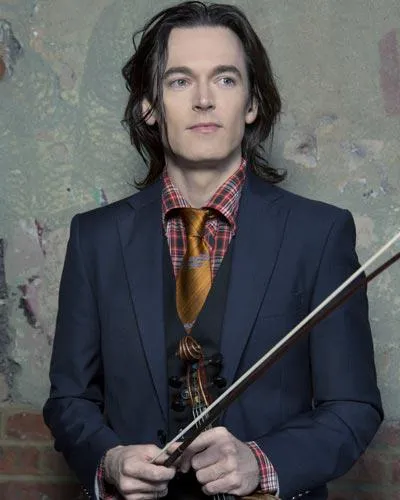
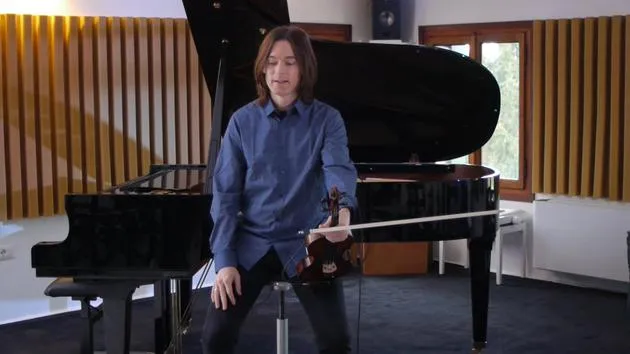
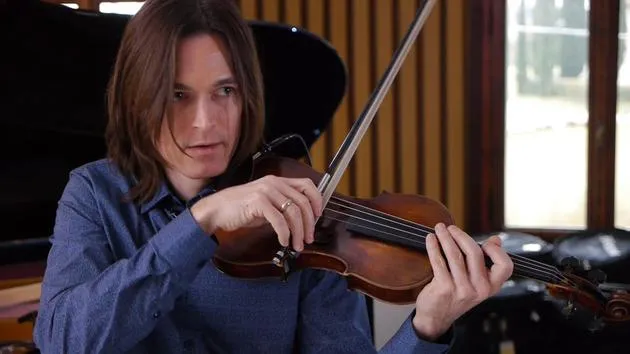
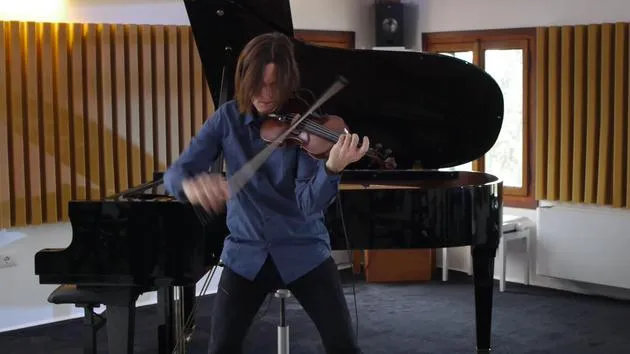
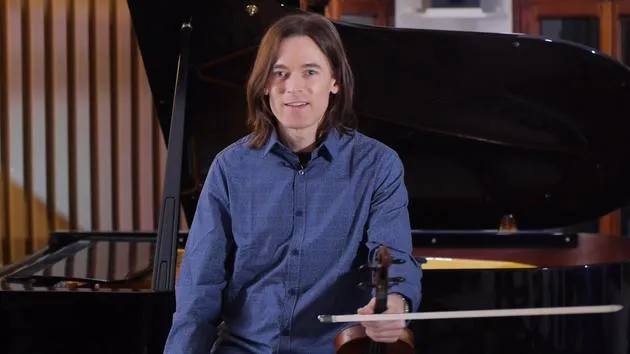
Zach BrockZach Brock habla de desarrollar tu propio vibrato, yendo más allá del sonido clásico tradicional para usar el violín como un ‘ventrílocuo musical’.
Publica un vídeo tuyo probando distintos estilos de vibrato en el grupo exclusivo de Facebook de este curso: Improvise & Groove on Strings
Qué incluye el curso
24 lecciones (2h 32m) · 1 gratis
Transcripción de la lección
Understanding Vibrato
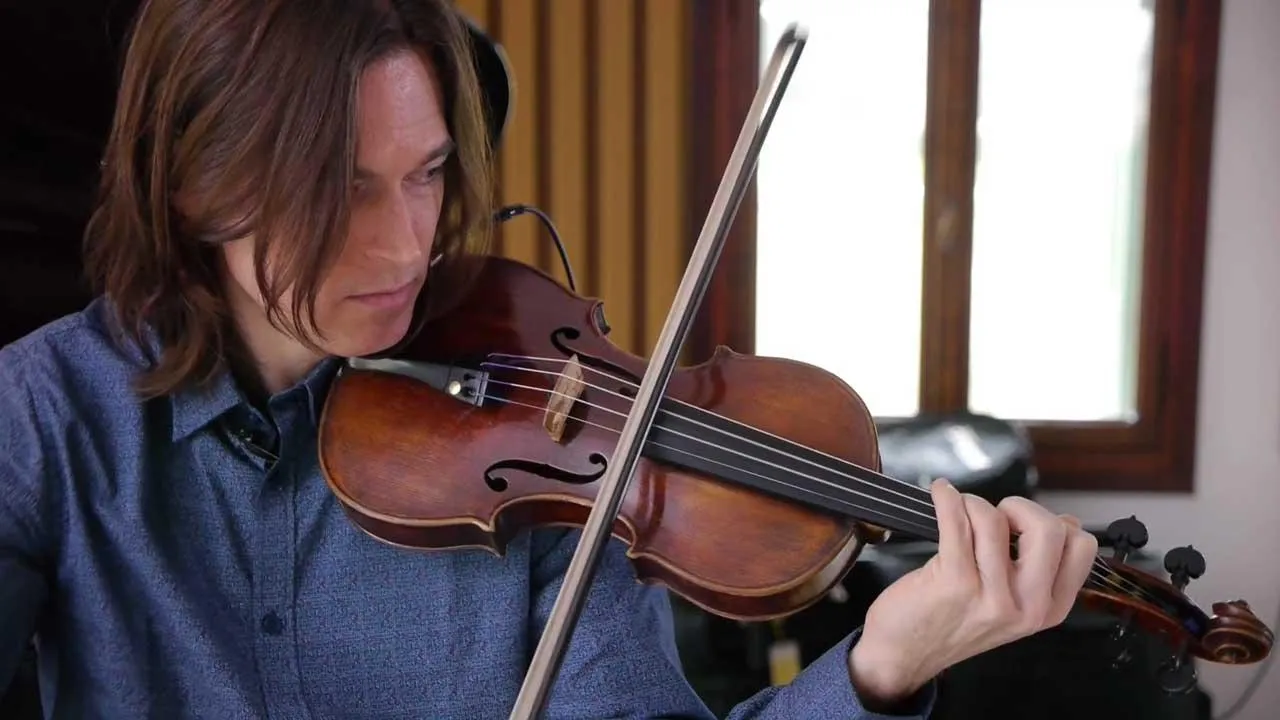
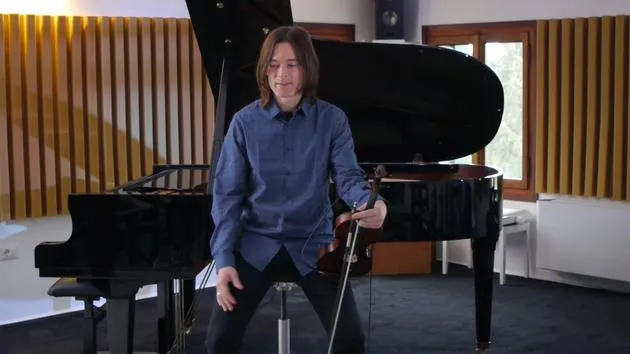
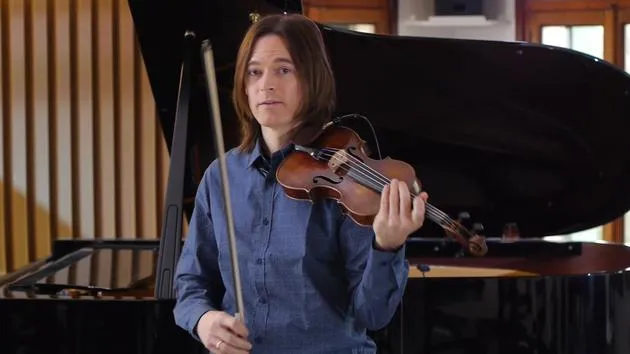
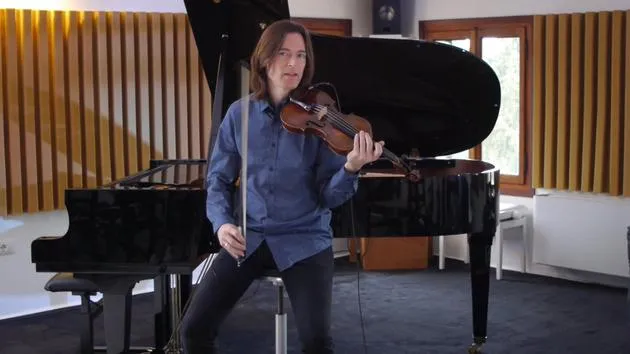
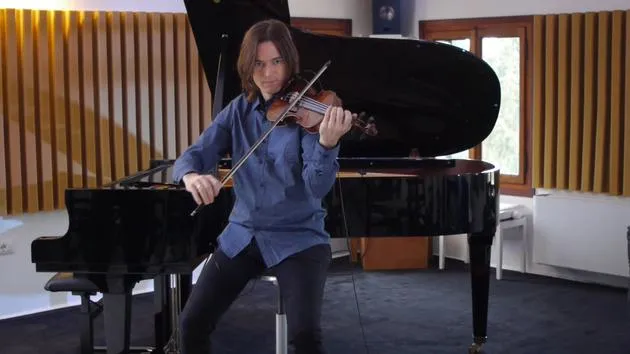
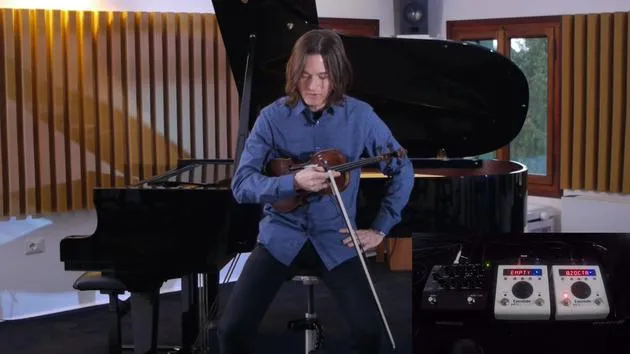
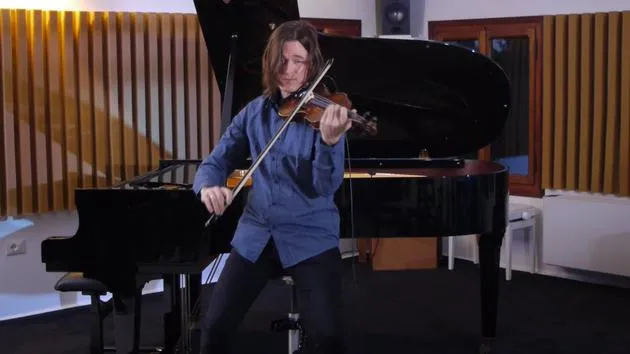
I want to talk about vibrato. This is a big topic for violin players and, in many ways, one of the biggest hang-ups that people have. As you can tell from my playing or anything I've done in this course, I'm not using the type of vibrato often associated with classical music, like Mozart, Beethoven, or Brahms.
Traditional vs. Expressive Vibrato
This leads us to a question of preference:
- Do you want to hear the violin played in a "correct" or traditional way?
- Or are you open to exploring its ability to mimic and serve as a musical ventriloquist?
The violin can imitate pretty much anything, including the human voice. Vocalists are the ones to look to for tone in various styles.
Exploring Mozart
Let's take Mozart, for instance, think about Don Giovanni. The way people sing in that musical context can be mirrored by the way the violin is played.
- Does it make sense to use a Don Giovanni-style tone in vibrato when playing blues or rhythm changes?
- If it resonates with you, don't let anyone stop you!
Vibrato in Jazz and Beyond
In jazz, different singers from various eras have unique ways of producing tone, much like instrumentalists.
Consider these influential jazz artists:
- Billie Holiday: Pay attention to her use of vibrato or lack thereof.
- Sarah Vaughan
- Ella Fitzgerald
- Louis Armstrong
- Frank Sinatra
Each of these artists offers a valid approach to vibrato on the violin.
Non-Classical Vibrato Exercise
I want to give you a non-classical vibrato exercise, which is also beneficial for classical vibrato.
-
Listening: Start with a listening exercise.
- Pick a track featuring an instrument other than the violin, perhaps a woodwind or brass instrument, or even a vocalist.
-
Imitation: Notice how vibrato is utilized.
- How does the artist begin their tone?
- At what point in the note does vibrato come in?
- For horn players:
- Do they vibrate from the beginning?
- Is it just a couple of shakes at the end? If so, how many?
- How wide or narrow is the vibrato?
After listening, experiment with your own vibrato. Here are some iconic examples:
- Terminal Vibrato: This describes a style often noted in saxophone playing from the mid to late 50s. Think of it as ending the note with a little vibrato.
- Contrast this with notes that start immediately with vibrato.
Experiment with Your Vibrato
Feel free to produce vibrato in various ways:
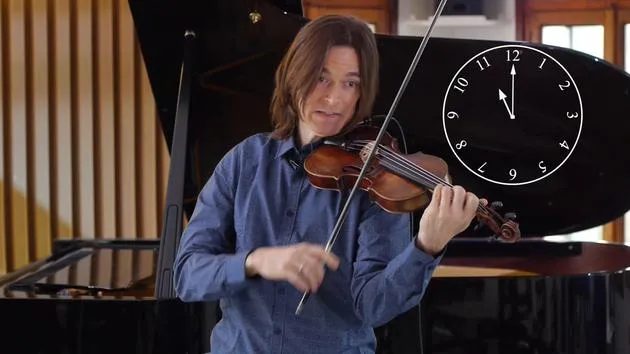
- Not just rocking from pitch backward, as we usually learn.
- Try sliding and glissando techniques, an approach I learned from Stuff Smith.
You can't spend too much time developing your vibrato; it becomes part of your signature sound. If you're not aware of it, it already defines you. If you're ready to think about it, dive in!
Mastering your vibrato is a magical aspect of your playing that can transcend mere scales, rhythms, and chords. Once you get it down, you'll have something unique to bring into any musical context. People will hear you, and they will want to listen!
24 lecciones
2h 32m de lecciones en vídeo estructuradas
Funciones de vídeo avanzadas
Ralentiza, repite un pasaje, sigue la partitura
Móvil, tablet y ordenador
Practica donde quieras
Garantía de satisfacción 100%
30 días de garantía de devolución
Conoce a tu gurú
Conoce a tu gurú
Aclamado como "el violinista improvisador preeminente de su generación", Zach Brock es un violinista y compositor cuya música bebe de las tradiciones del jazz, la música clásica, la música del mundo y la música popular.
Zach recibió su primer Grammy en 2017 por su trabajo en el álbum Culcha Vulcha de Snarky Puppy. Su reconocimiento como líder de banda ha crecido con actuaciones en salas como el Carnegie Hall y festivales como "Tudo e Jazz" en Brasil, mientras que su reputación como acompañante se ha extendido a través de su trabajo con el legendario bajista Stanley Clarke, el supergrupo instrumental contemporáneo Snarky Puppy y los maestros del jazz Phil Markowitz y Dave Liebman.
Zach ha realizado diez grabaciones como líder o co-líder y es el primer violinista en grabar para el prestigioso sello holandés de jazz Criss Cross. También ha representado al Departamento de Estado de EE. UU. como Embajador Musical en las Islas Salomón, ha actuado como solista invitado en las bandas sonoras de dos largometrajes del Festival de Sundance y actualmente es Artista en Residencia en la Temple University de Filadelfia.
En su curso aprenderás a improvisar al violín directamente desde la fuente: cómo aborda Zach la melodía, el ritmo y la armonía, y cómo empezar a encontrar tu propia voz tal como él lo ha hecho junto a Snarky Puppy y más allá.







