



Permitirte tocar 'mal': mentalidad e influencias
Con
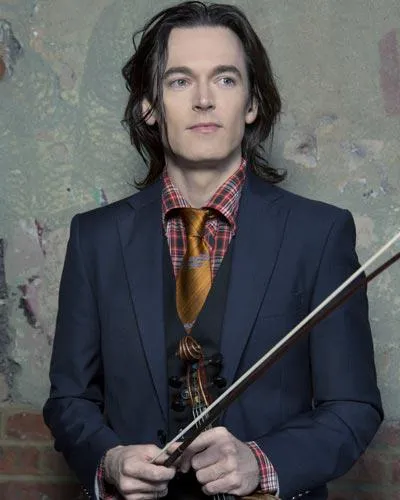
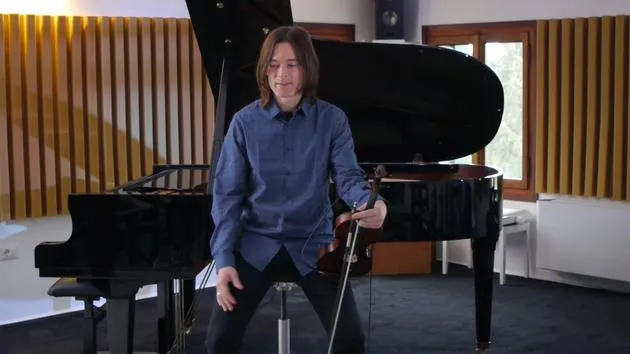
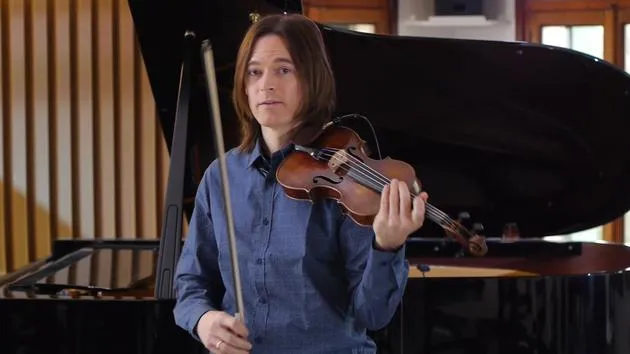
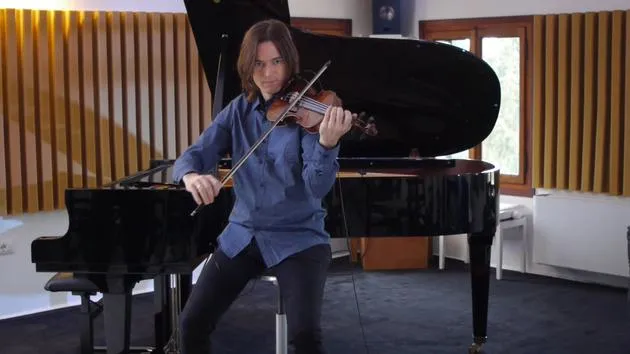
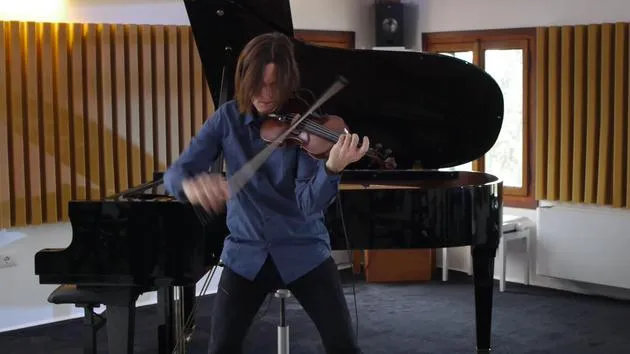
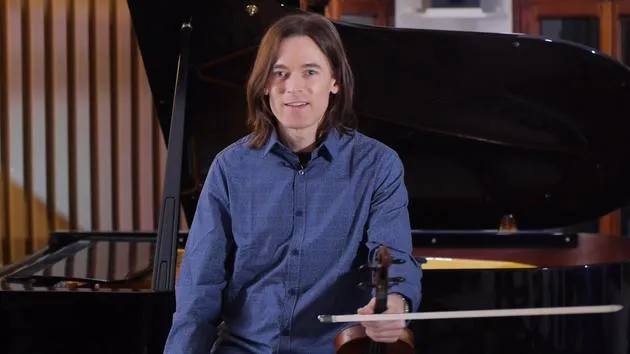
Zach BrockZach habla de su trayectoria e influencias, y de no dejar que la concepción tradicional del violín dicte tu estilo. Habla de sus héroes Stéphane Grappelli y Stuff Smith, a quienes puedes escuchar en su lista de reproducción de Spotify.
https://open.spotify.com/user/12396327/playlist/15zfRyZbOJNX6q52tD7fGG
Qué incluye el curso
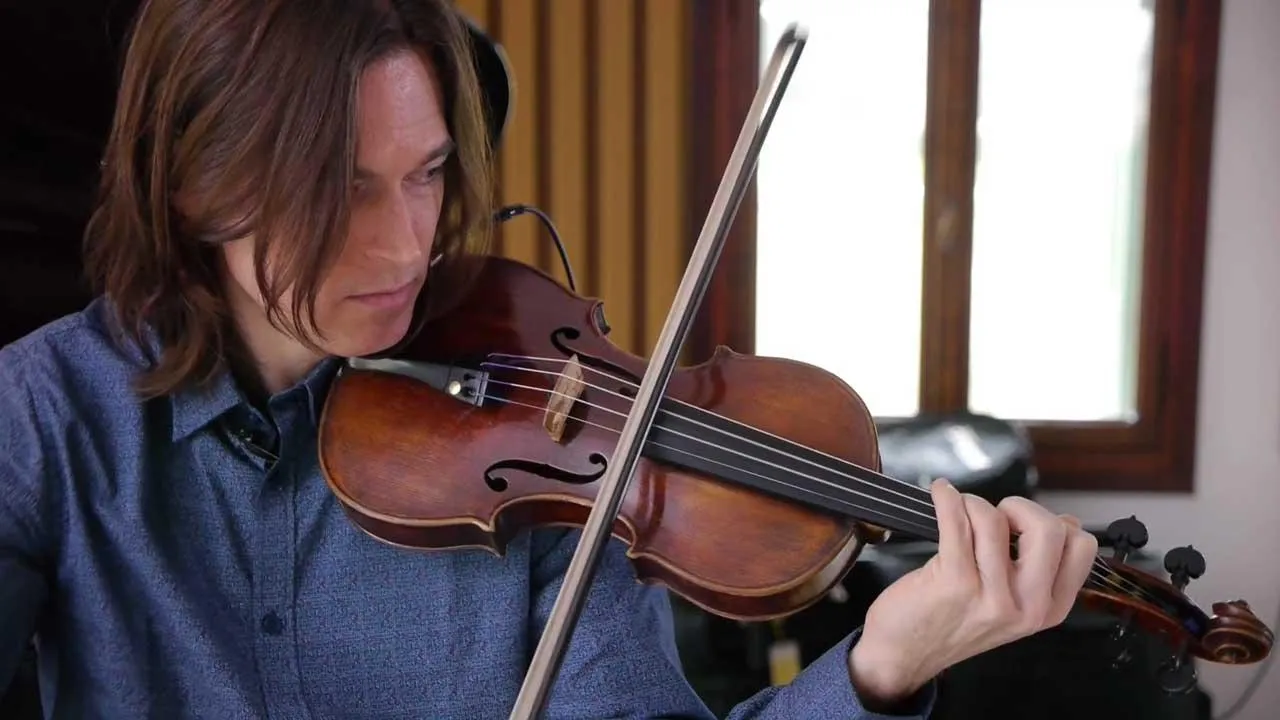
24 lecciones (2h 32m) · 1 gratis
Transcripción de la lección
Lessons in Improvisation: A Personal Journey
As you can tell, a lot of the stuff that we've been talking about in this course involves doing certain things that might run counterintuitive to the way you've been taught.
A Short Story
I'll tell you a little story. This may end up being quite long because, as my friends know, it's impossible for me to tell a short story! But I'll really try.
When I was a kid, I was getting more and more into improvisation, and specifically into jazz, because my dad brought home some Stefan Grappelli records. At that time, I was studying classical violin. When I heard Grappelli and discovered that he was improvising, the way he played, his tone, his molto vibrato, and the distinctly European style, blew my mind. He had this nice bounce, making all this music up on the spot. I just wanted to be exactly like him.
In certain ways, I still do because he is one of the all-time greats, a true master, and a real pioneer.
Discovering Stuff Smith
At the same time that my dad got me the Grappelli record, he also got me some records of Stuff Smith.
For those of you who don't know, Stuff Smith was an American violinist who was developing his musical language on the violin in the 1930s, much like Grappelli and Reinhardt. However, Stuff was in New York, leading a band at the Onyx Club and playing jazz with horn players and drummers.
Key Recognition:
- Stuff was one of the first violinists to amplify his violin.
- He chose to play in a way that channeled the vocalists and horn players of his time.
A Different Approach
Stuff Smith played in a very different way than Grappelli. While Grappelli sounded almost like a classical violinist improvising, he made it easy for classical violinists to transition into improvisation. Grappelli's approach did not challenge traditional tone production.
In contrast, Stuff Smith was swinging in a way that made his vibrato sound like that of saxophonists, trumpet players, and singers. As a kid, when I heard this, I thought it was wrong. I shut it out and thought:
"That's not correct violin playing. It's not going to help me, or it's going to make me a bad violin player."
So, I only listened to Grappelli for many years.
Revisiting Stuff Smith
Now, as a professional violinist, my relationship to the music of Stuff Smith has evolved. I see Stuff Smith as perhaps the greatest genius of jazz violin. Everything he did was without precedent; I don't know anyone who captured similar sounds on recording.
In that way, he opened the path for violin players to find their own tone. It's important to understand:
- Your instrument doesn't determine how you should sound.
- Your instrument reflects the music you hear and the language you want to express.
The Versatility of the Violin
This versatility is a great advantage of the violin. The violin shows up in various genres, including:
- Celtic music
- Bluegrass music
- Classical music
- Carnatic (Indian classical music)
The violin has been used in almost every folk and classical tradition worldwide.
In contrast, it's less common to hear a trumpet player performing Scottish Highland music. This adaptability means that some challenges of playing the violin can ultimately become its advantages.
The Vocal Quality of Strings
Stringed instruments, particularly the violin, have a vocal quality, offering the chance to play various imitation games. This allows you to create different tones and sounds with your instrument.
Assignment
What I want you to do is:
- Take one note or a motif.
- Experiment to see how many weird, "wrong" sounds you can come up with.
- Take note of any elements you'd like to incorporate into a solo or a line.
Happy experimenting!
24 lecciones
2h 32m de lecciones en vídeo estructuradas
Funciones de vídeo avanzadas
Ralentiza, repite un pasaje, sigue la partitura
Móvil, tablet y ordenador
Practica donde quieras
Garantía de satisfacción 100%
30 días de garantía de devolución
Conoce a tu gurú
Conoce a tu gurú
Aclamado como "el violinista improvisador preeminente de su generación", Zach Brock es un violinista y compositor cuya música bebe de las tradiciones del jazz, la música clásica, la música del mundo y la música popular.
Zach recibió su primer Grammy en 2017 por su trabajo en el álbum Culcha Vulcha de Snarky Puppy. Su reconocimiento como líder de banda ha crecido con actuaciones en salas como el Carnegie Hall y festivales como "Tudo e Jazz" en Brasil, mientras que su reputación como acompañante se ha extendido a través de su trabajo con el legendario bajista Stanley Clarke, el supergrupo instrumental contemporáneo Snarky Puppy y los maestros del jazz Phil Markowitz y Dave Liebman.
Zach ha realizado diez grabaciones como líder o co-líder y es el primer violinista en grabar para el prestigioso sello holandés de jazz Criss Cross. También ha representado al Departamento de Estado de EE. UU. como Embajador Musical en las Islas Salomón, ha actuado como solista invitado en las bandas sonoras de dos largometrajes del Festival de Sundance y actualmente es Artista en Residencia en la Temple University de Filadelfia.
En su curso aprenderás a improvisar al violín directamente desde la fuente: cómo aborda Zach la melodía, el ritmo y la armonía, y cómo empezar a encontrar tu propia voz tal como él lo ha hecho junto a Snarky Puppy y más allá.







