



Herramientas para mejorar: grabar, escuchar y llevar un diario de práctica
Con
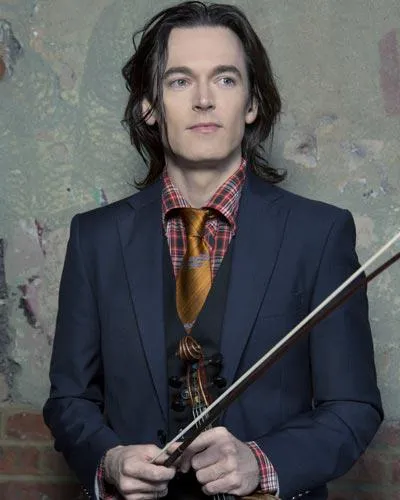
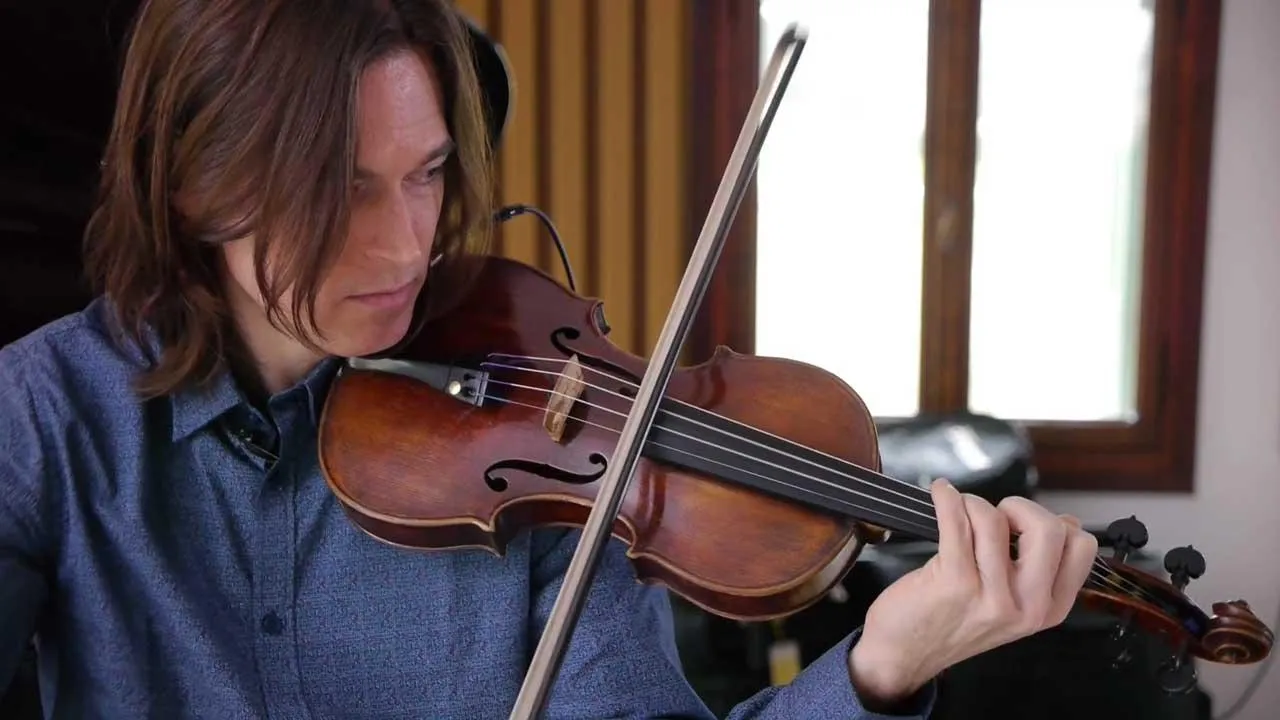
Zach BrockZach Brock repasa los hábitos universales que mejoran a cualquier intérprete: grabarte a ti mismo, llevar un diario de práctica y escuchar en profundidad música grabada y en directo.
Qué incluye el curso
24 lecciones (2h 32m) · 1 gratis
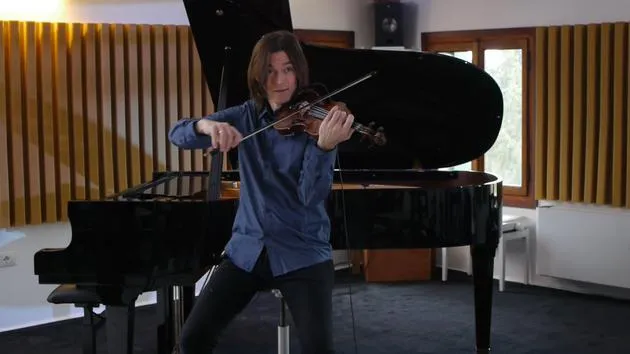
Transcripción de la lección
Understanding Your Musical Development
The Importance of Recording Yourself
I also want to mention something that is really, really important for your development.
- Now, this could be on the written page or off the page, but it's crucial to record yourself.
- Some of you out there probably already do this, while others dread it and really, really can't stand to do it.
Embracing the Process
Recording can be a painful thing if you're not used to it. However, I promise you, if you continue to repeat the process of:
- Playing something,
- Recording yourself,
- Listening back,
It will become less and less painful. You'll gain a little bit of detachment each time and ultimately, you'll almost be able to develop an objective understanding of what you're doing.
Keeping a Practice Journal
- I would really urge you to keep a practice journal if you're not doing so already.
- I used to have notebooks filled with notes from all my teachers, classical, jazz, or any idea that popped into my head while practicing.
Eventually, I migrated to taking notes on my computer, and now I just use an app on my phone, which is synced. This allows me to access my notes even while on the go, like on an airplane.
What to Include in Your Journal
Your practice journal can include:
- Warm-ups that you use.
- Notes on specific scales, such as "Tuesday: Worked on G flat harmonic minor."
- Ideas for different bowing techniques.
Additionally, it can also encapsulate your most connected and exciting moments of musical development. For example:
- Notes after rehearsals or concerts,
- Observations after listening back to your playing,
- Insights gained from riding the subway, perfect for reviewing your previous gig.
Learning to Improvise
Learning how to improvise is much like learning a foreign language.
The Importance of Immersion
- Immersion is crucial for your development.
- You can't truly grasp the intricacies until you are surrounded by the sounds of the culture, which aids in getting correct pronunciations and idiomatic expressions.
Listen Voraciously
- It's essential to listen a lot. We often take music for granted; even those who profess to love it.
- With just a phone, you can access most of the history of recorded music, so use that!
Detailed Listening
However, different ways of listening are key. We're used to generalized and background listening, where music is always on, like in restaurants or during a jog.
Focused Listening Exercise
The type of listening that I recommend is detailed and focused.
- For example, take a favorite song and ask yourself:
- Have you really listened to the bass line?
- Can you vocalize the drum pattern?
- Do you know what chords are being played?
- Have you thought about dynamic shapes?
Consider the instrumental density: Maybe everyone is playing during the chorus, but other instruments might drop out during a solo or vocal section. Are you aware of these changes?
This level of listening is essential to develop as an improviser.
The Importance of Live Music
Live music is irreplaceable in your growth as a musician.
- While I may be biased as a performer, there are experiences from a live gig that you won't get from a recording.
- It doesn't need to be a famous artist or an idol; even local friends or family can inspire you.
Recording Your Experiences
Upon returning from a live outing, record your thoughts in your music journal.
- Live performances also offer insights into how musicians communicate on stage.
- This visual communication, how the drummer interacts with the bass player or how the keyboard player encourages the soloist, is vital for improvisers of all styles.
Practical Exercise: Analyze a Favorite Song
Take a song that you love and do the following:
- Write down in your journal how many instruments are in the band (including vocals).
- Listen to the song as many times as there are people in the group.
- Each time, focus on just one particular role in the music.
- Record your observations of that role.
Have fun with this exercise!
24 lecciones
2h 32m de lecciones en vídeo estructuradas
Funciones de vídeo avanzadas
Ralentiza, repite un pasaje, sigue la partitura
Móvil, tablet y ordenador
Practica donde quieras
Garantía de satisfacción 100%
30 días de garantía de devolución
Conoce a tu gurú
Conoce a tu gurú
Aclamado como "el violinista improvisador preeminente de su generación", Zach Brock es un violinista y compositor cuya música bebe de las tradiciones del jazz, la música clásica, la música del mundo y la música popular.
Zach recibió su primer Grammy en 2017 por su trabajo en el álbum Culcha Vulcha de Snarky Puppy. Su reconocimiento como líder de banda ha crecido con actuaciones en salas como el Carnegie Hall y festivales como "Tudo e Jazz" en Brasil, mientras que su reputación como acompañante se ha extendido a través de su trabajo con el legendario bajista Stanley Clarke, el supergrupo instrumental contemporáneo Snarky Puppy y los maestros del jazz Phil Markowitz y Dave Liebman.
Zach ha realizado diez grabaciones como líder o co-líder y es el primer violinista en grabar para el prestigioso sello holandés de jazz Criss Cross. También ha representado al Departamento de Estado de EE. UU. como Embajador Musical en las Islas Salomón, ha actuado como solista invitado en las bandas sonoras de dos largometrajes del Festival de Sundance y actualmente es Artista en Residencia en la Temple University de Filadelfia.
En su curso aprenderás a improvisar al violín directamente desde la fuente: cómo aborda Zach la melodía, el ritmo y la armonía, y cómo empezar a encontrar tu propia voz tal como él lo ha hecho junto a Snarky Puppy y más allá.







