



Arcadas: ¡prepárate para lo inesperado!
Con
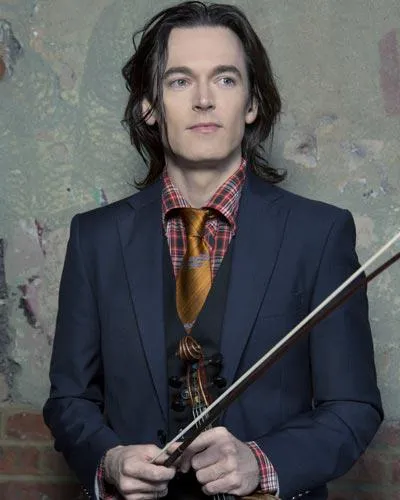
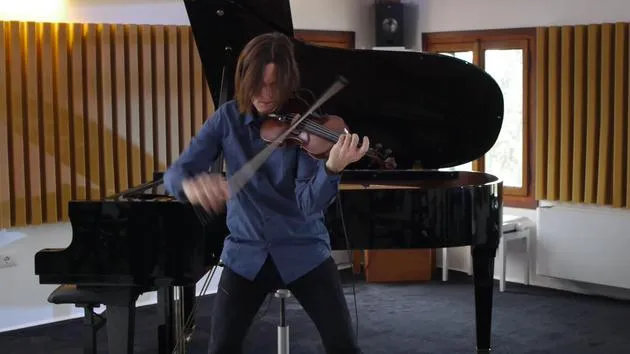
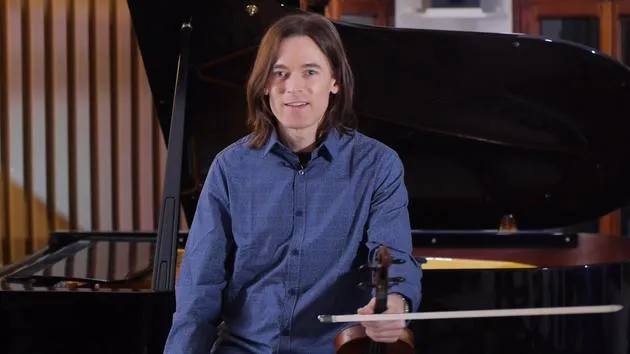
Zach BrockZach da consejos sobre arcadas útiles para improvisadores y para tocar música menos arreglada. Da un truco para pensar en la sensación de 'swing' como tresillos y no como corcheas con puntillo o semicorcheas.
Qué incluye el curso
24 lecciones (2h 32m) · 1 gratis
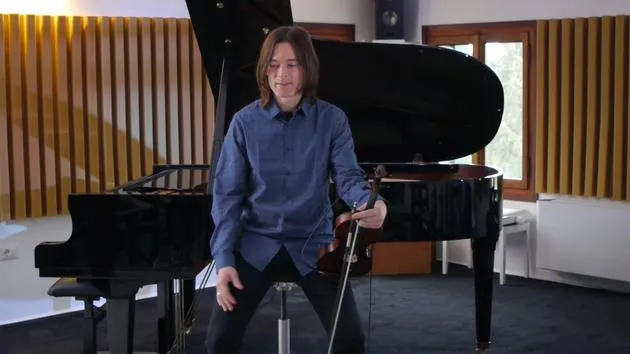
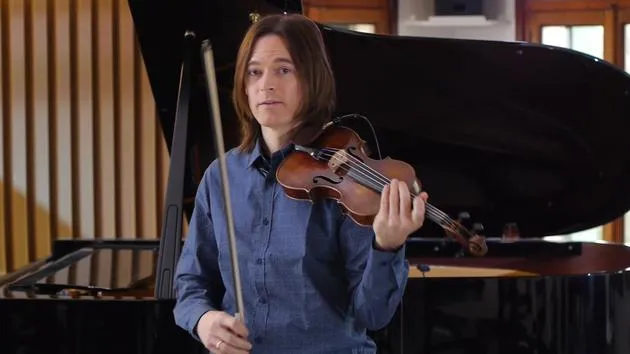
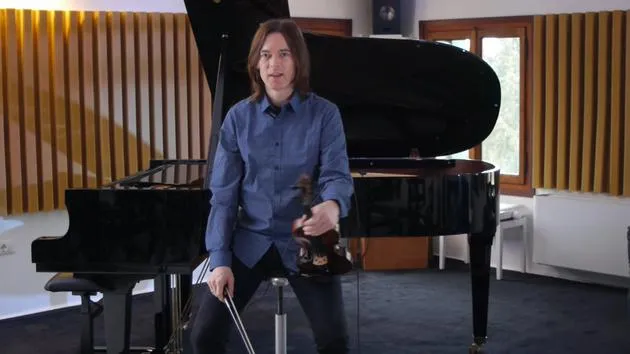
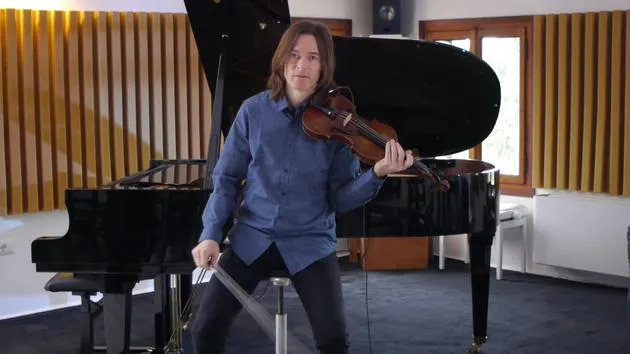
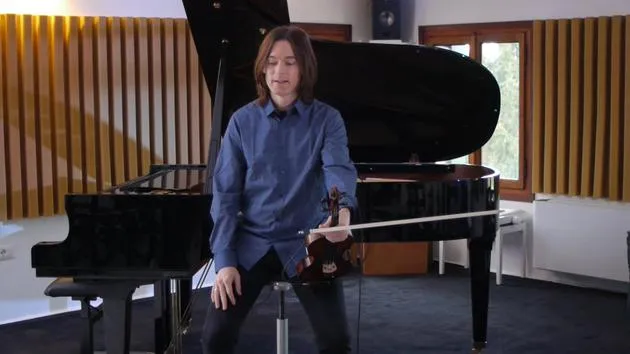
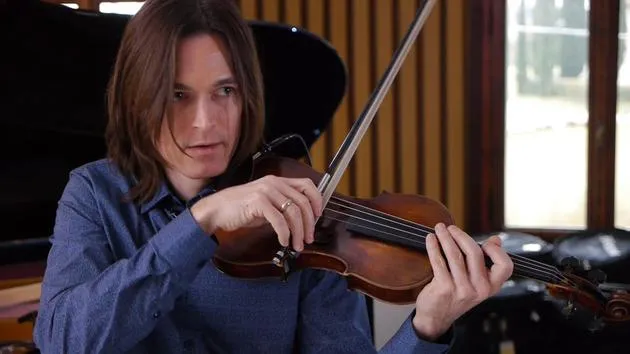
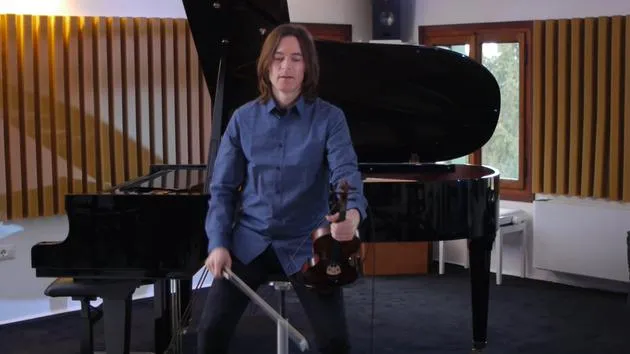
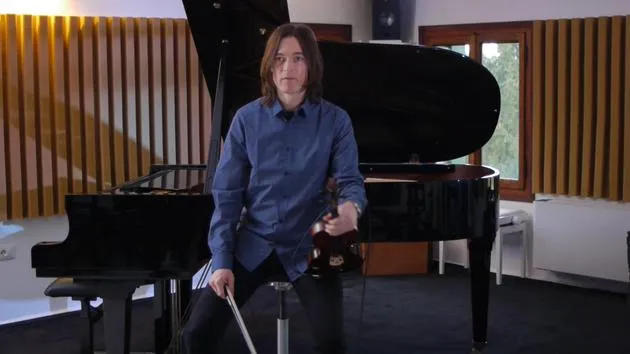
Transcripción de la lección
Exploring the Bow and Time Feel in Music
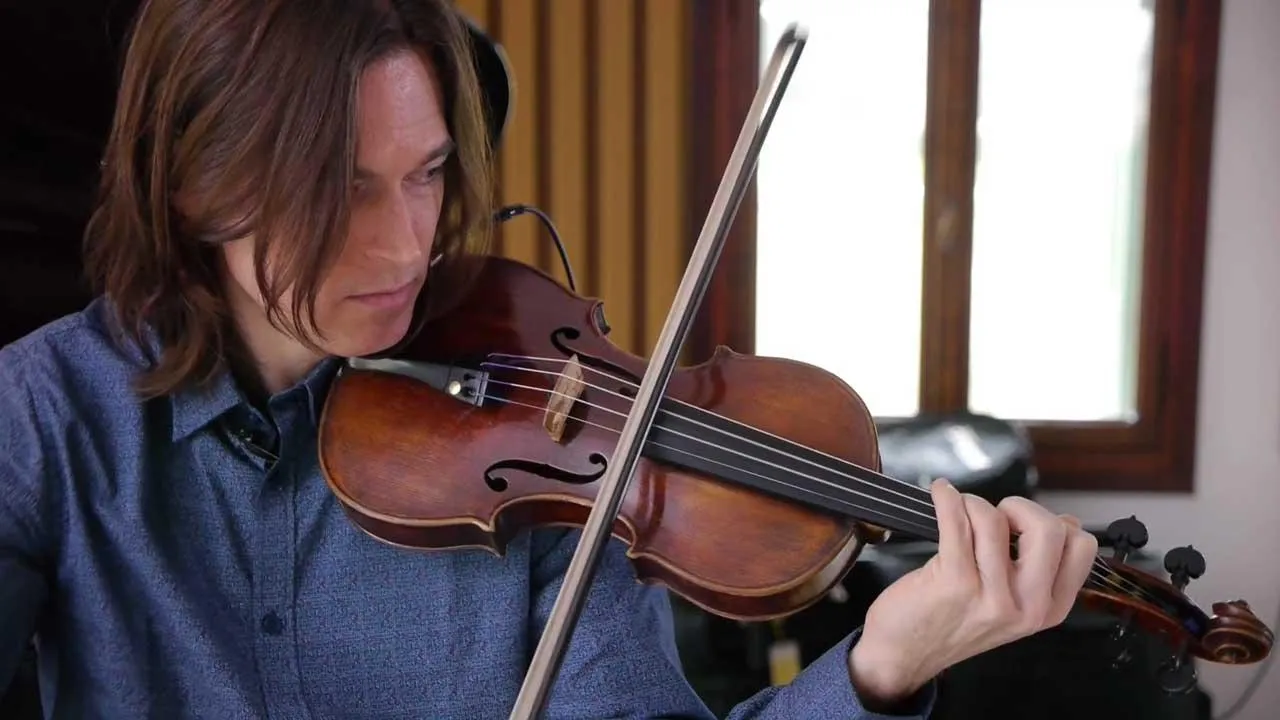
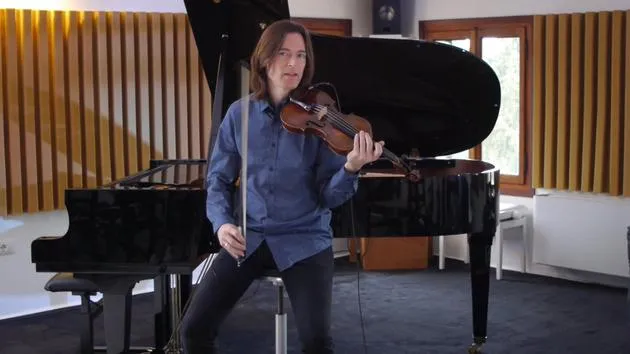
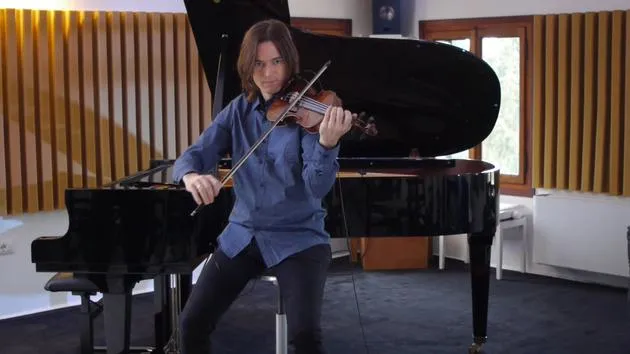
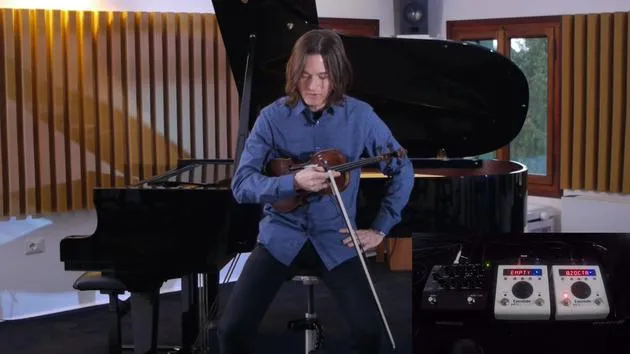
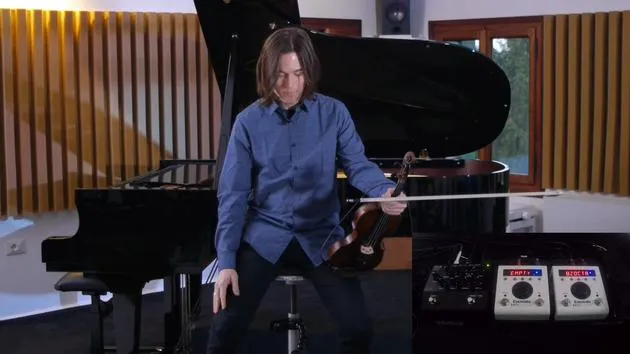
Let's talk about the bow and how it relates to time feel. I'm assuming that if you're watching this, you've spent considerable time using your bow to create the proper sound on your instrument or to achieve a nice tone.
In more advanced discussions, we'll delve into various sounds and ways to purposely play incorrectly to create effects. For instance, you can create electronic effects on your string instrument with no electronics.
For now, let's focus on some alternate bowings that will help you improve your time feel.
Basic Bowing Techniques
Of course, we've got our basic detach? (separate bows). Many of you are probably also accustomed to:
- Slurring every four notes
- Slurring every two notes
Before we explore odd groupings (a whole other topic), I want to discuss slurring two notes, but without slurring from the first beat. We are specifically addressing 4/4 time right now. Later, we'll explore different time signatures and related concepts.
Slurring Practice
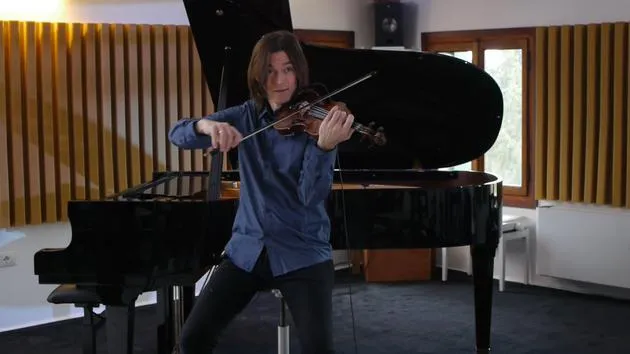
Let's get the trusty metronome going. I'm going to play eighth notes, slurring every two.
Exercise:
- Put the slur on the second to third notes.
- Then, place the slur on the fourth to the first notes.
So right now, we're slurring 1 to 2 and 3 to 4. In terms of the eighth notes, I want you to slur like this:
- Separate
- Slur
- Slur
- Slur
- Slur
It should sound like this:
"S-L-U-R!"
There's something about that which already feels a little groovier.
Creating Rhythmic Impulse
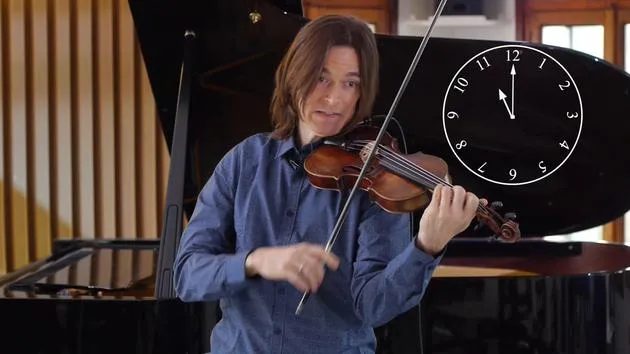
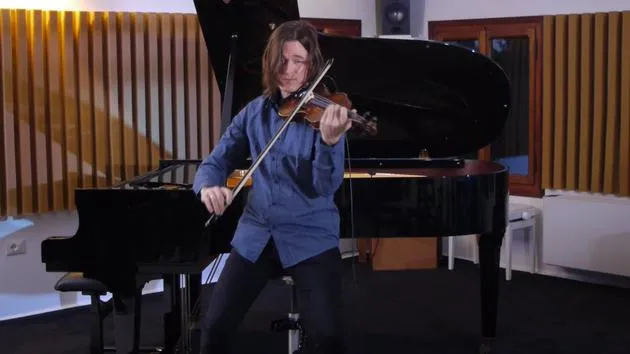
Now, let's say I emphasize the accents more when I change the bow. I achieve this with a little pronation in my bow hand, giving it that extra impulse.
As classical players, we're often trained to disguise the shift and the bow change. However, here, I'm actually using the bow change to add rhythm to my line.
Classical Versus Jazz Styles
For some of you who have experimented with jazz, you know the dreaded sound of a classical player trying to adapt to a jazzy time feel. Oftentimes, this is a result of poorly written pop scores where a swing rhythm is represented as a dotted eighth note followed by a sixteenth note.
This creates a very stilted sound, unless you're aiming for that old-time recording quality.
For those who are struggling with herky-jerky time, consider this:
- Just think straight eighth notes at first.
- Don't worry about trying to make it swing or groove.
- Change your bow on the offbeat.
Approaching Swing Rhythm
If we want to get into a more technical discussion about how to approach swing, I suggest that classical players think about groove or swing more in terms of triplets rather than dotted eighths and sixteenths.
This idea stems from the fact that within every duple, there is a triple, and within every triple, there is also a duple. This concept runs through the time feel of great improvisers, regardless of style.
To enhance your swing concept, consider:
- Treating two triplets tied together.
- Connecting the next triplet to the following one.
However, if that still doesn't sound right to you, don't worry; there are many resources available to explore this further.
Alternate Bowing Variations
We can practice every other note bowing. For example, consider groups of:
- Threes: 1, 2, 3.
- Fives: 1, 2, 3, 4, 5.
These variations, as seen in the Galamian bowing techniques, are highly useful for improvisation.
Randomizing Bowing Patterns
I encourage you to revisit some of the modes and scales we've worked on and alter your bowing techniques:
- Instead of maintaining a consistent pattern, try randomizing the direction.
- For instance, you could go up, up, up, down, down, up.
When practicing bowings, make sure not to always start with a down bow. It's beneficial to alternate and practice starting with an up bow.
Preparing for the Unexpected
As you can see, preparing for improvisation means preparing for the unexpected. Think of it like a football player doing tire exercises:
- You aren't just running in a straight line.
- You must be able to move laterally and diagonally because you don't know what's coming next, whether it's from a bandmate or your own imagination.
As you engage with each exercise we discuss, always think about practicing the opposite. If there's a certain direction you typically follow, try reversing it!
24 lecciones
2h 32m de lecciones en vídeo estructuradas
Funciones de vídeo avanzadas
Ralentiza, repite un pasaje, sigue la partitura
Móvil, tablet y ordenador
Practica donde quieras
Garantía de satisfacción 100%
30 días de garantía de devolución
Conoce a tu gurú
Conoce a tu gurú
Aclamado como "el violinista improvisador preeminente de su generación", Zach Brock es un violinista y compositor cuya música bebe de las tradiciones del jazz, la música clásica, la música del mundo y la música popular.
Zach recibió su primer Grammy en 2017 por su trabajo en el álbum Culcha Vulcha de Snarky Puppy. Su reconocimiento como líder de banda ha crecido con actuaciones en salas como el Carnegie Hall y festivales como "Tudo e Jazz" en Brasil, mientras que su reputación como acompañante se ha extendido a través de su trabajo con el legendario bajista Stanley Clarke, el supergrupo instrumental contemporáneo Snarky Puppy y los maestros del jazz Phil Markowitz y Dave Liebman.
Zach ha realizado diez grabaciones como líder o co-líder y es el primer violinista en grabar para el prestigioso sello holandés de jazz Criss Cross. También ha representado al Departamento de Estado de EE. UU. como Embajador Musical en las Islas Salomón, ha actuado como solista invitado en las bandas sonoras de dos largometrajes del Festival de Sundance y actualmente es Artista en Residencia en la Temple University de Filadelfia.
En su curso aprenderás a improvisar al violín directamente desde la fuente: cómo aborda Zach la melodía, el ritmo y la armonía, y cómo empezar a encontrar tu propia voz tal como él lo ha hecho junto a Snarky Puppy y más allá.







