



Práctica creativa de escalas
Con
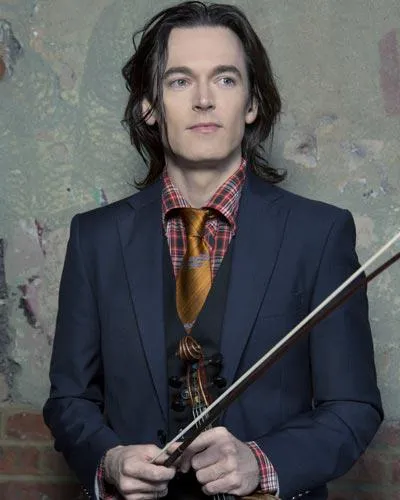
Zach BrockZach Brock replantea las escalas y los arpegios como herramientas armónicas -tocándolos de forma vertical y horizontal a través de las cuerdas- para desarrollar una fluidez real al improvisar.
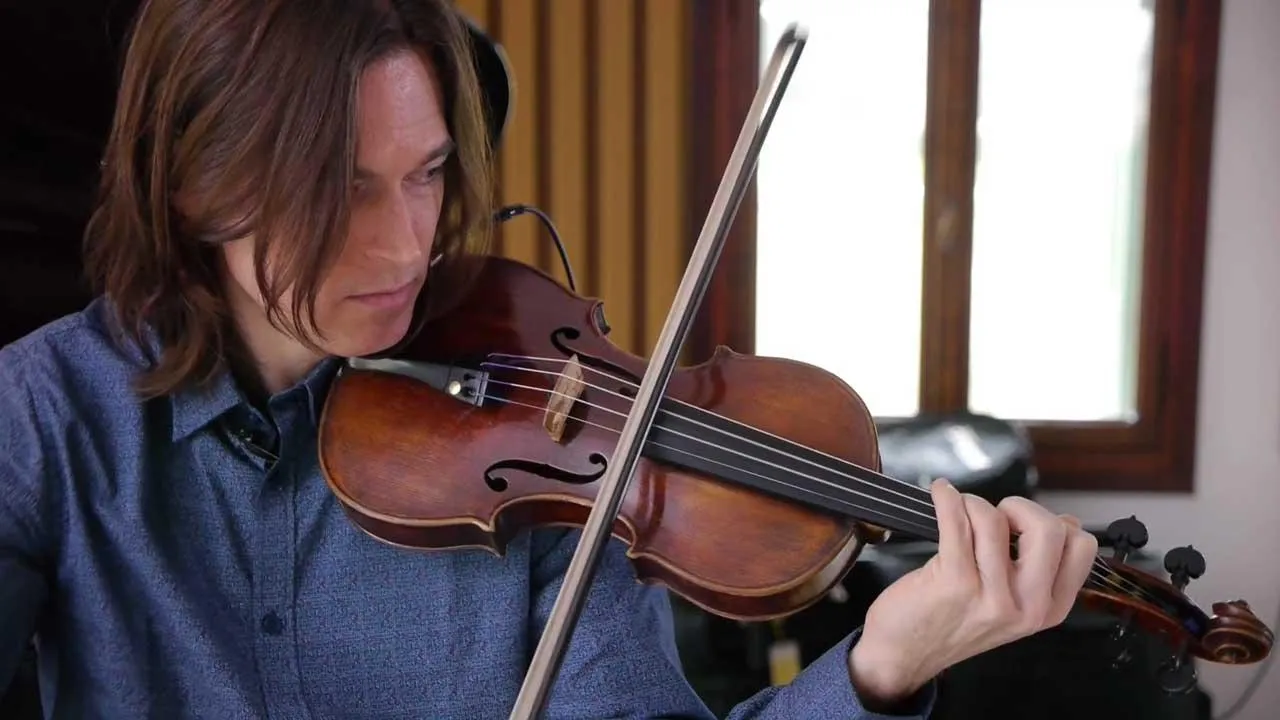
Qué incluye el curso
24 lecciones (2h 32m) · 1 gratis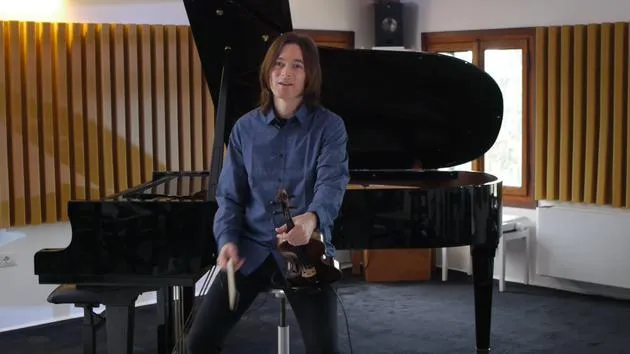
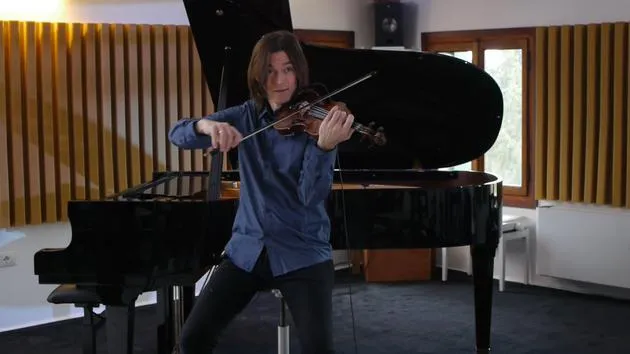
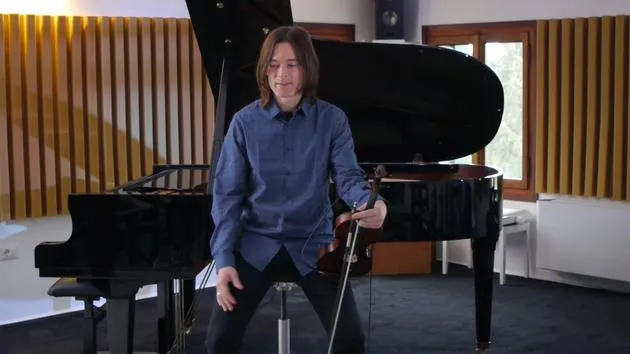
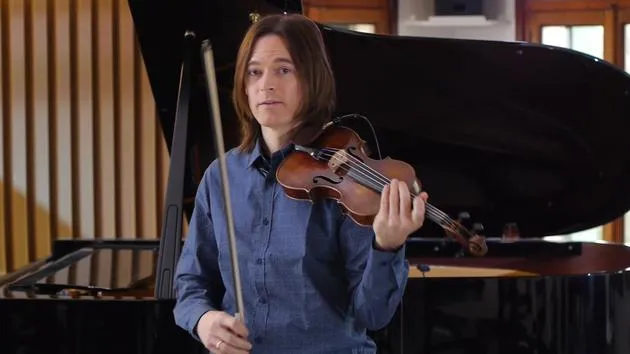
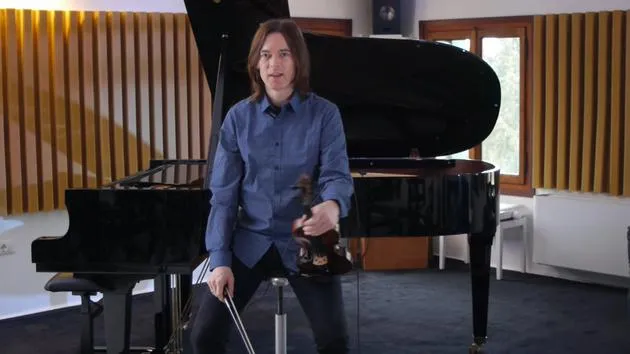
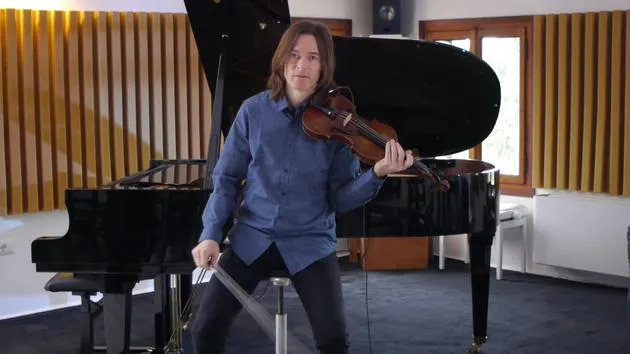
Transcripción de la lección
Understanding Music Fundamentals
Everything that we're going to do from a technical standpoint with our string instrument will deal with the three areas that make up music:
- Melody
- Harmony
- Rhythm
I won't get into aspects like vibe and atmosphere, as that can all be part of those three fundamental areas.
The Importance of Scales
Let's talk about scales. We will be playing scales in ways that you may not have practiced before. It's important to think about the direction and the container of the scale you're playing on your instrument while practicing.
-
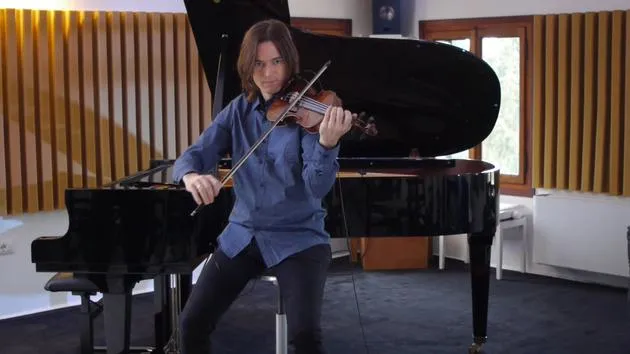
Vertical Playing: For me, if I play a scale on one string, I call that completely vertical.
-
Horizontal Playing: Playing in position, whether I'm in first, second, third, etc., refers to horizontal playing.
When you combine these two approaches, that's essentially what you are doing. For example, if you're playing your three-octave scales and arpeggios, etc., this combination is crucial.
Exploring Modes and Container Techniques
Additionally, there's another useful way of playing scales: focusing on modes. This is a great way to open up your creative spirit and explore what you're already playing on your instrument.
Two-String Octave Containment
On the violin and viola, we are fortunate to have the ability to contain one octave across two strings. For cello players, I know it gets a bit more complicated. And bass players, well, you're on your own!
When thinking about scales within the one-octave container:
- This also applies to arpeggios.
- For example, playing an A flat octave: A, B flat, C, F.
- I'm simply moving the frame to each root and playing within it.
Of course, this could also be an arpeggio:
- A B major triad
- An E flat major triad
- A G major triad
Understanding Seventh Chords
We will discuss seventh chords, which are extremely useful for improvisation across all styles when talking about harmony.
After mapping out your arpeggios, if you're playing in the key of E flat, for instance, adding the D natural, the seventh tone, will be key.
I should also mention that, while discussing arpeggios, I will refer to them as voicings. On instruments like the piano or guitar, you can play all of those sounds simultaneously. We can also play those voicings in a more linear way.
Basic Forms of Harmonic Information
You want to first focus on the most basic forms of these pieces of harmonic information. You will come back to this foundational knowledge regularly.
- As you advance, you will realize the importance of understanding the basic structure of chords:
- A major triad
- A minor triad on top of that
- Perhaps another minor triad
Starting to think about harmony in this way will help you avoid getting stuck. Skipping the basics and jumping straight to more complex voicings, like a C7, can leave you feeling lost if you're unaware of the underlying structures.
Fun Scale Exercise
Here's a fun scale exercise you can try:
-
Pick one particular fingering and practice moving that around the instrument.
-
Next, try playing a G major scale, starting on the open G.
-
Move that up to the next pair of strings (you'll get a D major scale).
-
Then, move it up to the next set of strings, up a fifth.
Let's also talk about making variations or creating a little melody within that frame. Play a scale, then challenge yourself to create a melody assignment using the notes you have right there.
That's the first thing I want you to do before we transition into more advanced techniques.
24 lecciones
2h 32m de lecciones en vídeo estructuradas
Funciones de vídeo avanzadas
Ralentiza, repite un pasaje, sigue la partitura
Móvil, tablet y ordenador
Practica donde quieras
Garantía de satisfacción 100%
30 días de garantía de devolución
Conoce a tu gurú
Conoce a tu gurú
Aclamado como "el violinista improvisador preeminente de su generación", Zach Brock es un violinista y compositor cuya música bebe de las tradiciones del jazz, la música clásica, la música del mundo y la música popular.
Zach recibió su primer Grammy en 2017 por su trabajo en el álbum Culcha Vulcha de Snarky Puppy. Su reconocimiento como líder de banda ha crecido con actuaciones en salas como el Carnegie Hall y festivales como "Tudo e Jazz" en Brasil, mientras que su reputación como acompañante se ha extendido a través de su trabajo con el legendario bajista Stanley Clarke, el supergrupo instrumental contemporáneo Snarky Puppy y los maestros del jazz Phil Markowitz y Dave Liebman.
Zach ha realizado diez grabaciones como líder o co-líder y es el primer violinista en grabar para el prestigioso sello holandés de jazz Criss Cross. También ha representado al Departamento de Estado de EE. UU. como Embajador Musical en las Islas Salomón, ha actuado como solista invitado en las bandas sonoras de dos largometrajes del Festival de Sundance y actualmente es Artista en Residencia en la Temple University de Filadelfia.
En su curso aprenderás a improvisar al violín directamente desde la fuente: cómo aborda Zach la melodía, el ritmo y la armonía, y cómo empezar a encontrar tu propia voz tal como él lo ha hecho junto a Snarky Puppy y más allá.







