



Conceptos musicales

Con
Isaac CotecFijarnos en el porqué de la música puede impactar enormemente en nuestra creatividad. Este vídeo te dará una mirada profunda a cómo construir una historia, imágenes y conceptos en torno a tu música. No olvides descargar los Live Sets de ejemplo adjuntos a esta lección.
Qué incluye el curso
19 lecciones (2h 54m) · 1 gratis
Transcripción de la lección
Fast Songwriting: Building Concepts for Your Music
In this video, we're going to continue on with fast songwriting by looking at how we can conceptually approach our music, the story behind it, and the overall mood we want to convey. This foundational work will help us create a solid narrative to draw from during the songwriting process.
Stages of Music Production: Stage Zero - The Concepts
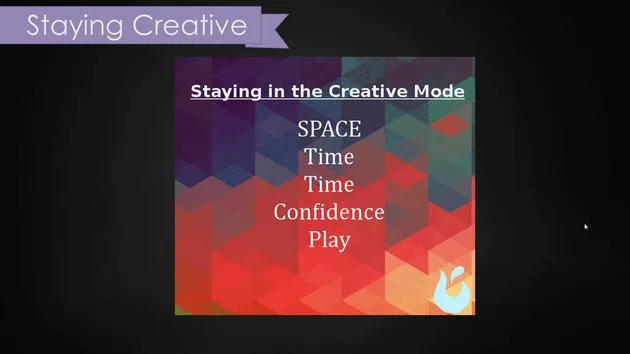
Stage Zero is where we build musical ideas. This includes:
- The idea of the music
- The message behind it
- Creative imagery
- The feel and mood
- Your intention and statement as a creator
The Importance of Conceptualization
Being a musician or a creative person is fundamentally about expression. We all have feelings and experiences that are worth sharing or discussing. In fact, we are often more interesting than we might realize, and music is a powerful medium to share our stories.
Building Your Concept
-
Creating a Mythos:
- I think of my music as creating a mythos, a whole world or place where the music exists.
- This allows for a narrative to unfold with interesting characters that engage the listener.
-
Visual Inspiration:
- As a visual person, even though I'm making music, envisioning a space or scene greatly influences my creative process.
- Example: One of my songs was inspired by the image of a person jumping into a cave with water at the bottom. The scene included iridescent lights, and I produced sound design to match this imagery.
-
Exploring the 'What' and the 'Who':
- It's crucial to ask:
- What is in that space?
- Who is in that space?
- This promotes an imaginative approach, allowing us to play without being overly logical.
- It's crucial to ask:
Concept Music Guide
I created a Concept Music Guide that provides questions to help you articulate your production goals. You can fill it out and use it as a helpful resource.
Utilizing Video for Inspiration
Let me show you a cool technique involving video:
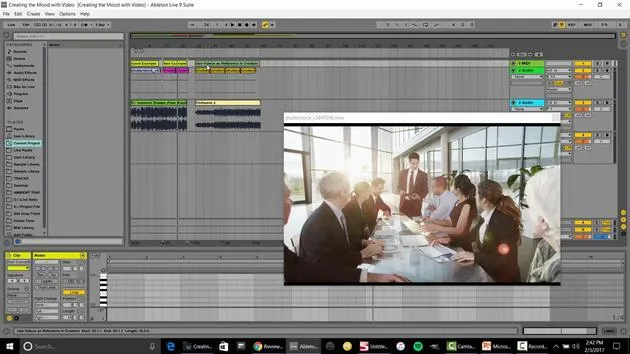
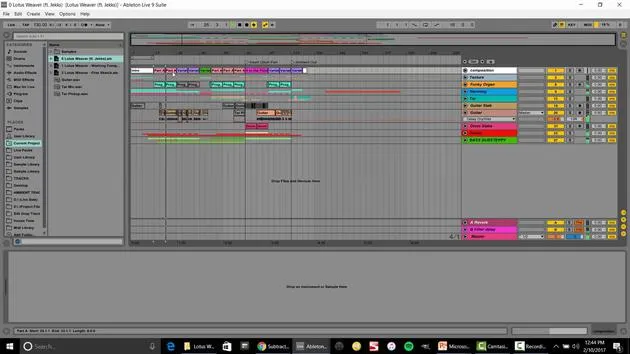
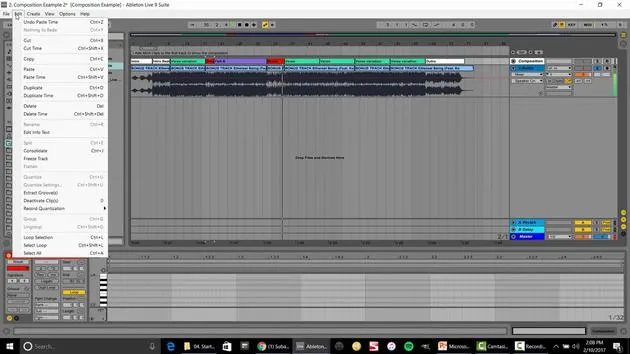
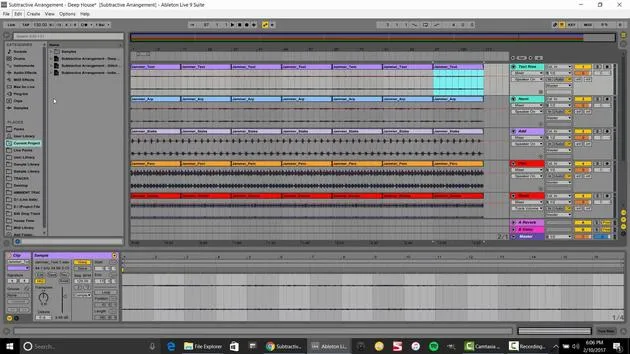
- I often play a video on another screen while composing music to see how my music can enhance the video's mood.
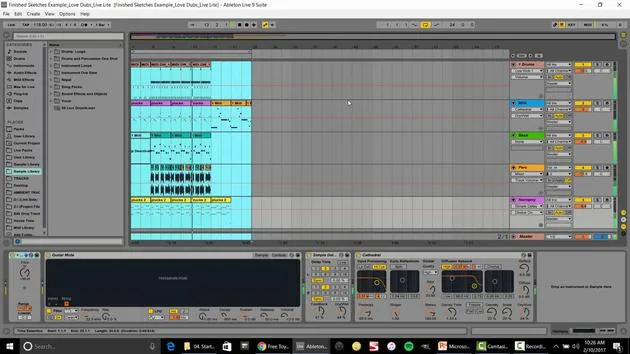
- Note: This technique works in Ableton Live (Standard and Suite versions). You can import video (.mov files) into your project and use the built-in video viewer.
- If you don't have Ableton Live, consider playing the video through alternative software.
Examples
-
Good Example:
- A slow, groovy song paired with imagery of a woman dancing captures a mysterious mood. This resonates because I've experienced similar atmospheres at parties.
-
Bad Example:
- A boardroom setting is an obvious mismatch for my music. The vibe is all wrong.
-
Another Good Example:
- A video depicting a summer house gathering conveys a relaxing vibe, fitting perfectly with a different track.
Finding Inspiration
Check out YouTube or Vimeo for artistic videos. I often prefer Vimeo for its unique content. Download or simply watch these videos while you produce to spark new ideas.
Conclusion
This overview of Stage Zero and concept building in your music creation process should inspire you to explore and expand your creativity. Personally, I've found these techniques incredibly beneficial; they enhance my music production and make the experience more engaging, especially since I'm a visual thinker.
I hope you enjoy experimenting with these ideas and come up with some amazing concepts for your music!
19 lecciones
2h 54m de lecciones en vídeo estructuradas
Funciones de vídeo avanzadas
Ralentiza, repite un pasaje, sigue la partitura
Móvil, tablet y ordenador
Practica donde quieras
Garantía de satisfacción 100%
30 días de garantía de devolución
Conoce a tu gurú
Conoce a tu gurú
Isaac Cotec es, posiblemente, ¡uno de los mejores formadores de Ableton del mundo! Mientras trabajaba en su propia música, empezó a enseñar técnicas de grabación, diseño sonoro y Ableton Live a alumnos particulares y, desde que obtuvo su certificación como Ableton Certified Trainer oficial, ha ayudado a miles de productores a mejorar su nivel y triunfar como músicos.
Isaac comenzó a producir música electrónica en 2005 con Psyche Sonics, un grupo experimental que trabajaba con la ciencia y la investigación de los binaural beats y la alteración de la consciencia a través del sonido. Tras salir de gira, siguió componiendo música bajo el alias Cotec y más tarde surgió como el artista Subaqueous, fusionando su pasado electrónico con técnicas de producción tanto futuristas como orgánicas. Hasta la fecha ha publicado 3 álbumes y 4 EPs.
Isaac es también fundador y gerente del sello discográfico Invibe Music, que representa a algunos de los mejores artistas de música electrónica del Pacífico Noroeste y se especializa en dance de midtempo.
En sus cursos de Ableton Live, Isaac comparte las técnicas de producción, diseño sonoro y composición que ha pasado años perfeccionando: justo las habilidades que emplea para convertir la chispa de una idea en un tema terminado.







