



Tercera bemol, séptima bemol y power chords
Con
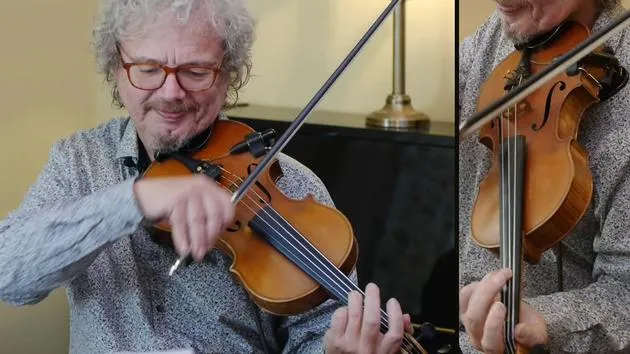
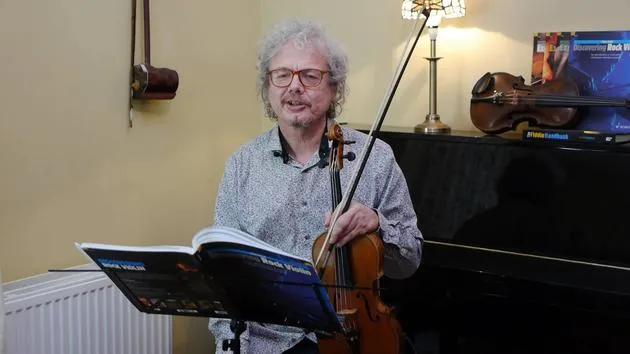
Chris HaighChris Haigh muestra cómo bemolizar la tercera y la séptima (notas que quedan fuera de la tonalidad) da a tus líneas de violín un auténtico toque rock, y cómo los power chords lo refuerzan.
© 2011 Schott Music Ltd, London
Qué incluye el curso
28 lecciones (2h 28m) · 1 gratis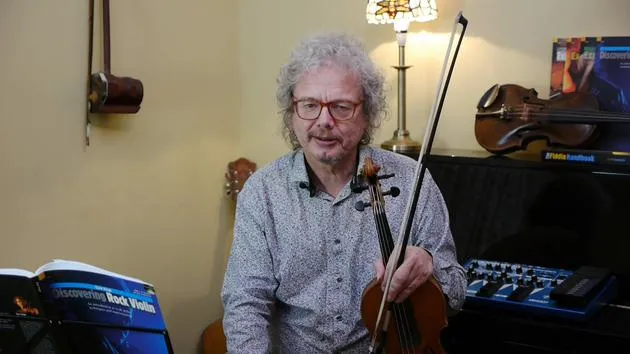
Transcripción de la lección
Music Lesson: The Importance of Flattened Thirds and Flattened Sevenths
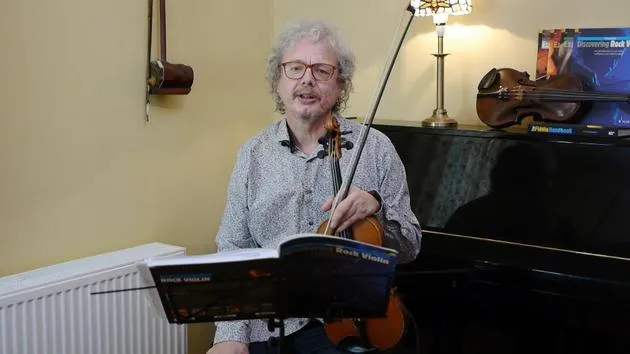
Hi. In this lesson, we're going to talk about the importance of flattened thirds and flattened sevenths.
Major Seven: The Achilles Heel
Now, in the lesson where we discussed the twin paths of destiny, we identified the Achilles heel as what's called a major seven.
- In the key of G, it's that note which is the offending note.
- We found that by flattening it, we achieve a much more rock sound.
Rock Lick Demonstration
Let's remind ourselves of what a rock lick sounds like with a major seven.
"Now, that sounds pretty weird, but let's flatten the seventh."
And now it suddenly sounds rock. Although we're playing over the chord of G in the key of G, that different note, which doesn't belong in the key of G, is the one that gives it the rock sound.
Importance of Flattening the Seventh
We have also examined pairs of notes and how crucial it is to flatten the seventh again.
Example Lick in C
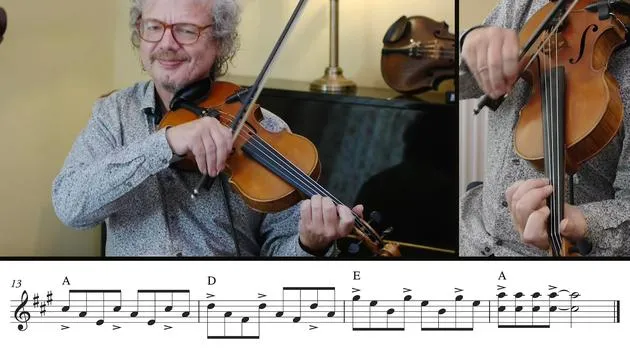
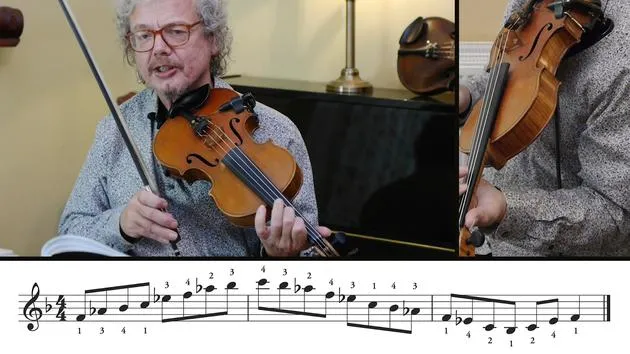
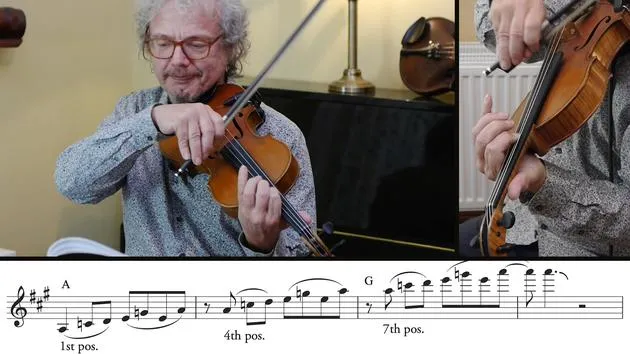
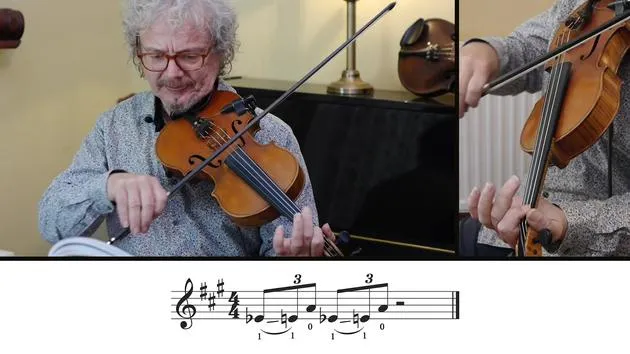
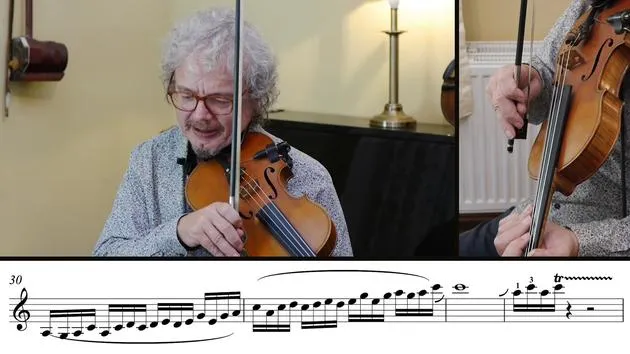
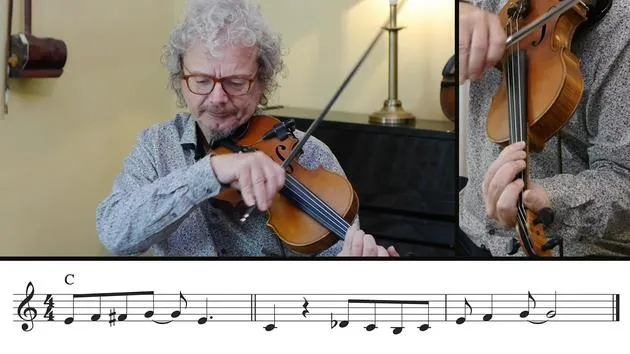
Here's a little lick in C where we're going to flatten that seventh:
- From here to here, as opposed to.
And here's the same thing in a higher register.
Limp Rock Licks
Now, we've already demonstrated how limp licks can sound, but I can't resist playing some more limp rock licks.
"So here we go. And finally."
So if there was a rock tribunal for crimes against rock, then those three would get me into serious trouble.
Transition to Flattened Thirds
To get myself out of trouble, I'm going to play the same three licks, this time with flattened thirds.
"And finally, I think I can walk free from that particular problem."
Now, we've talked about the flattened seventh. Let's look at the flattened third.
Flattened Third in G Major Chord
For a G major chord, one of the first rules that you'd learn in classical theory is that a G major chord has to have a major third.
- In rock, we often flatten that third, even while keeping a G major chord behind it.
Example Licks with Flattened Thirds
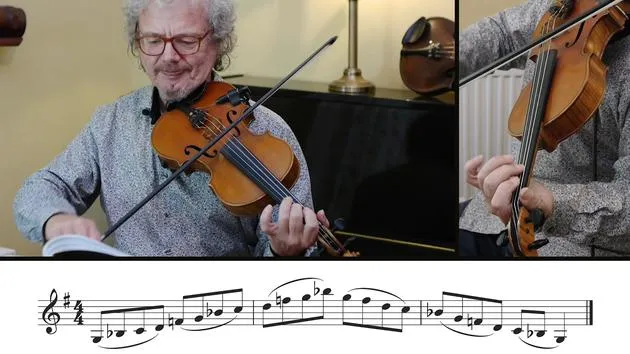
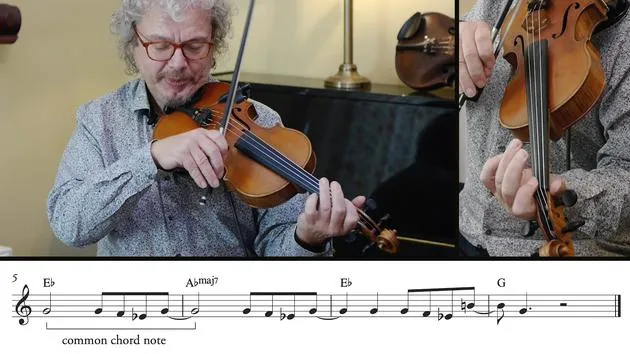
Here's a little lick which uses both a flattened seventh and a flattened third.
- And here's another one.
- And finally.
All of these had flattened thirds, and some of them had flattened sevenths as well. You can see how important it is to get those notes in there.
Conflict Between Major Chord and Flattened Notes
The conflict between the major chord and the flattened notes that we play in these kind of licks is a problem for guitarists in particular, and they have found two ingenious ways around it.
Power Chords
One solution is to play what's called a power chord, which consists of the root and the fifth and no third.
- This sidesteps the problem completely.
For example, if you play something like that, you've got a root and a fifth with no third in between, or that kind of thing. That's what's called a power chord, and guitarists use them all the time.
Fingering Technique for Fiddlers
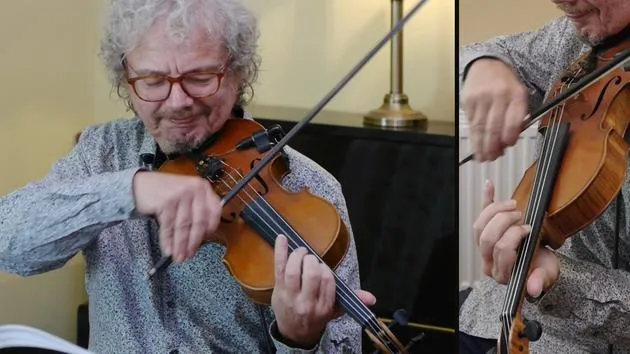
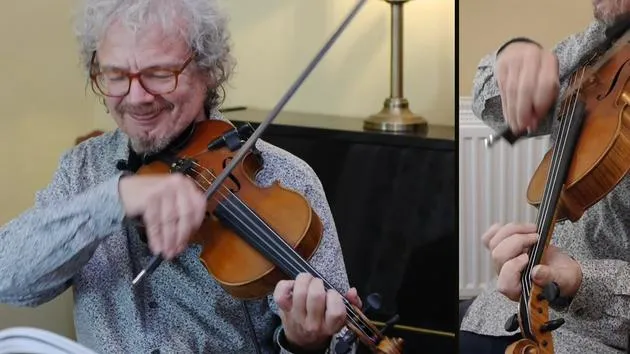
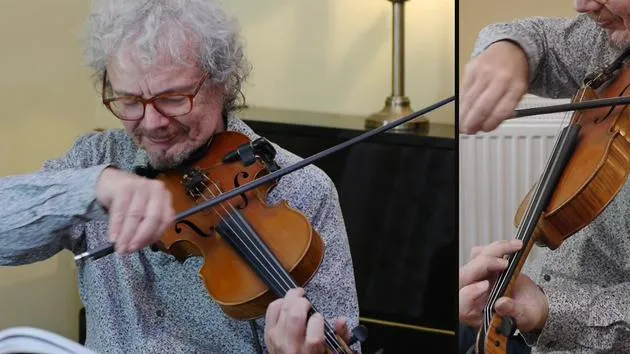
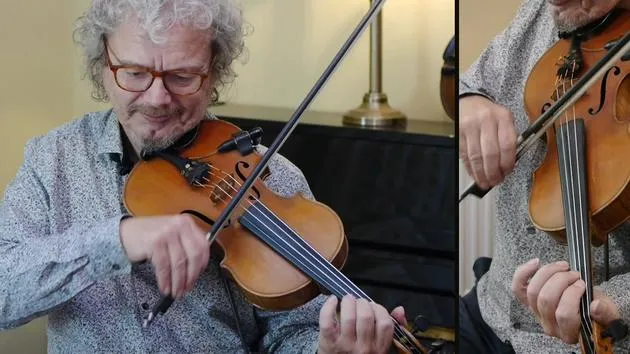
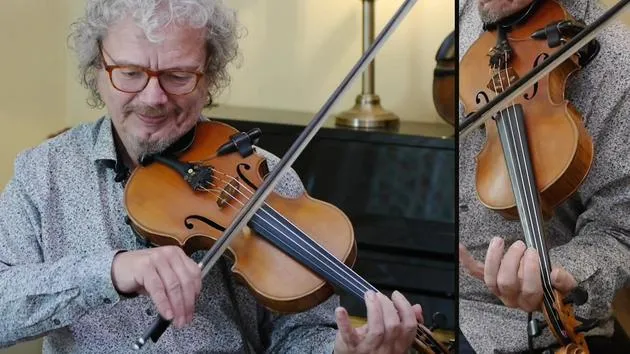
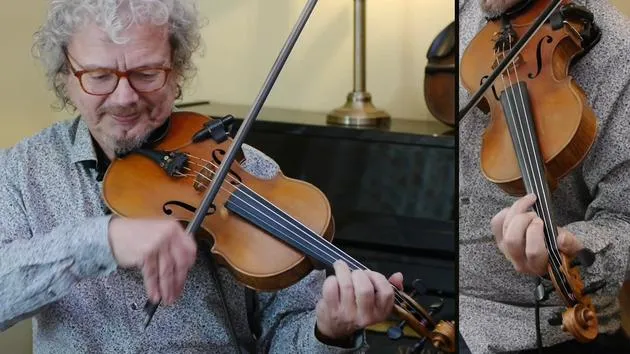
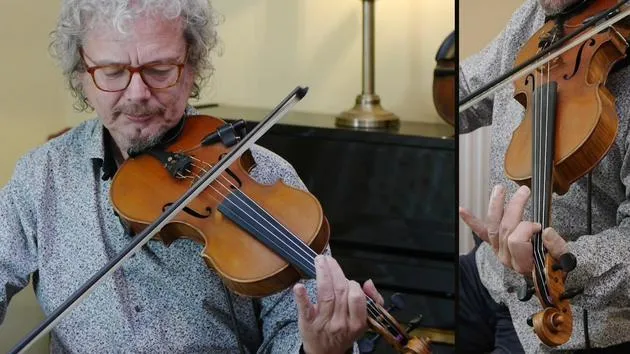
It's very useful for a fiddler. You think of the lower note as your melody note, and you place your finger across both strings.
- The first few times you do that, it might be difficult, but it's really pretty easy.
So your finger is playing both the melody note and the fifth above, without having to think about what that upper note is. It will sort itself out.
Example of Power Chord Lick
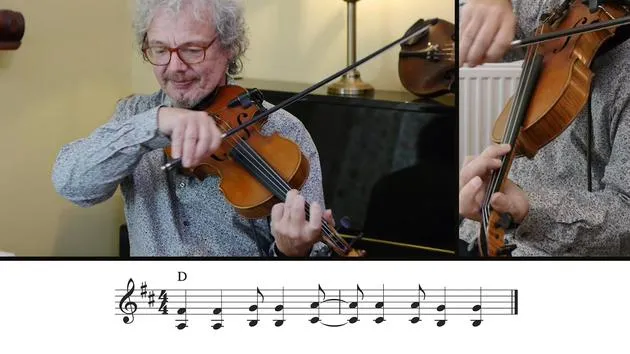
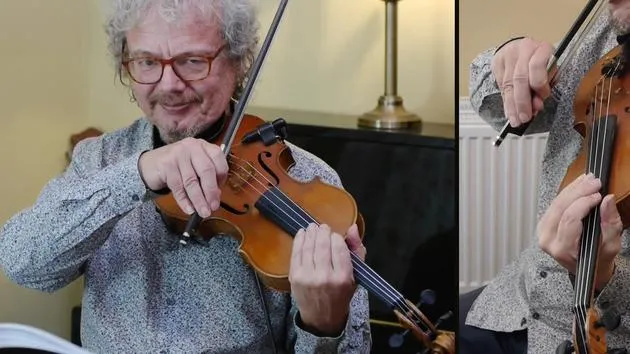
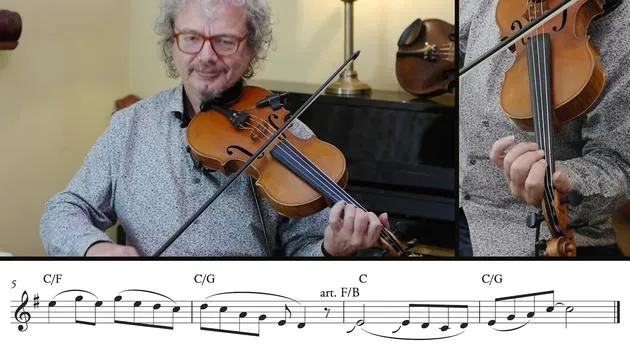
Here's a lick that demonstrates the power chord.
"If that doesn't get the heart beating and the juices flowing, then nothing will."
Hendrix Chord
Finally, there's another approach that guitarists have taken, particularly one guitarist: Jimi Hendrix.
He came up with a wonderful chord called the Hendrix chord, which has a sharpened ninth.
- An E7 sharp nine has a normal sharpened third and a flattened third at the top, which is also called a sharpened nine.
This allows you to be both major and minor at the same time.
Listening to the Hendrix Chord
Let's have a listen to what that sounds like.
"So that's a really distinctive and funky chord. It's a great chord to play with."
Personal Practice Suggestions
So, starting with the examples of the licks we've played:
- Try making up some of your own licks using the flattened third and the flattened seventh.
- Experiment with those licks using your finger across both strings to create power chords.
- Finally, find a few classic heavy guitar riffs and see if you can play those yourself with the power chords.
28 lecciones
2h 28m de lecciones en vídeo estructuradas
Funciones de vídeo avanzadas
Ralentiza, repite un pasaje, sigue la partitura
Móvil, tablet y ordenador
Practica donde quieras
Garantía de satisfacción 100%
30 días de garantía de devolución
Conoce a tu gurú
Conoce a tu gurú
Chris Haigh es violinista profesional desde hace 25 años, con experiencia en muchos géneros distintos. Ha tocado en más de 75 álbumes, trabajando con artistas como Alison Moyet, Bob Geldof, All About Eve, Michael Ball, David Soul, Oumou Sangare, The Quireboys, Riverdance, Morcheeba, James Galway y Steps.
Ha tocado swing y jazz con The Kimbara Brothers, Diz Disley, Le Jazz, The Hot Club of London y los Quecumbar Allstars, y lidera una banda de swing soviético de siete integrantes, The Kremlinaires.
Chris imparte clases y talleres sobre técnica de violín de jazz y ha enseñado violín de jazz en las universidades de Middlesex, Brunel y Newcastle y en el Truro College. Entre sus créditos como autor figuran nueve libros de violín, entre ellos The Fiddle Handbook.
También dirige Fiddling Around (fiddlingaround.co.uk), probablemente la fuente de información sobre violín más completa y visitada de la red.







