



Ritmo básico 2
Con
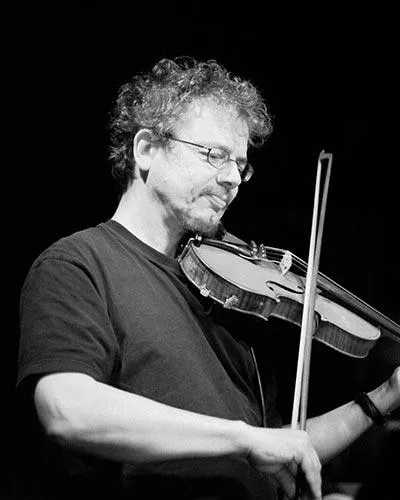
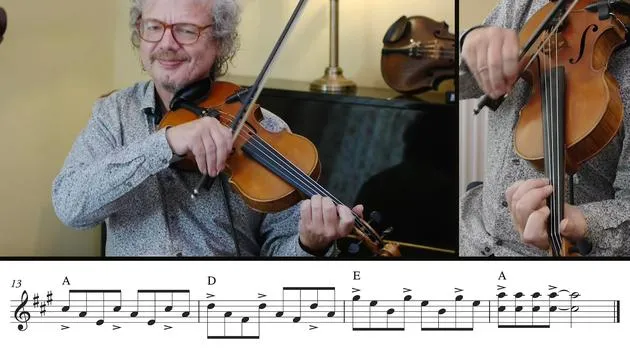
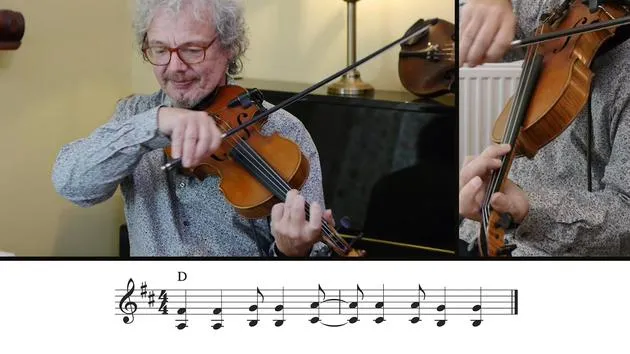
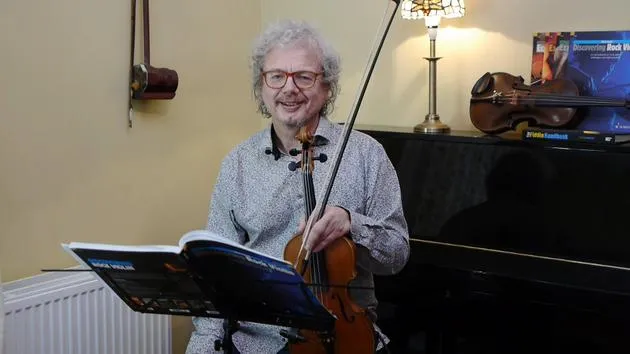
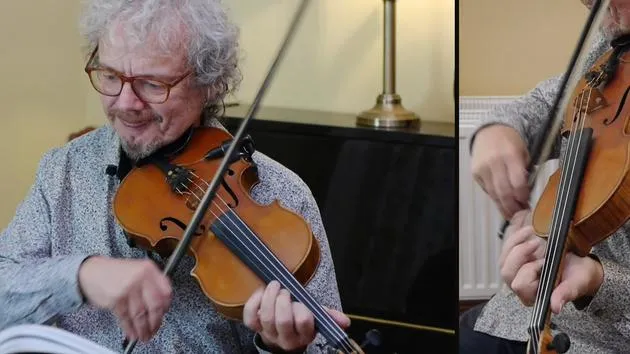
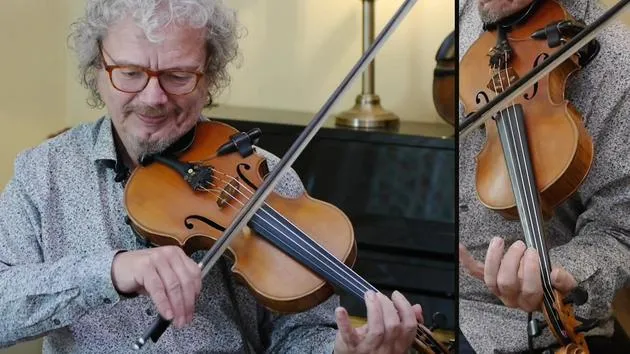
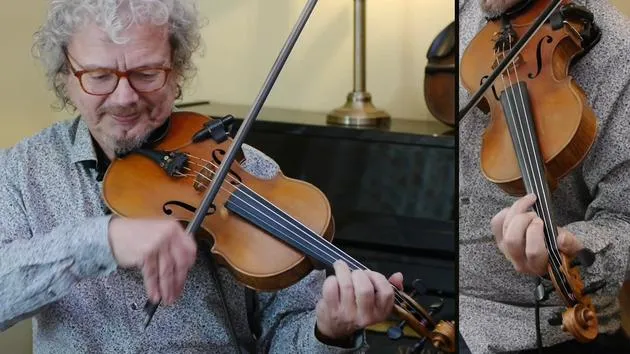
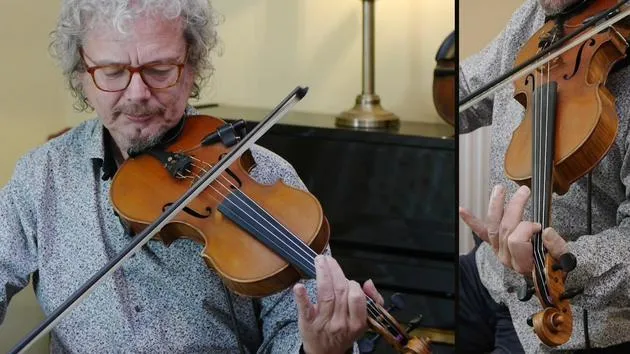
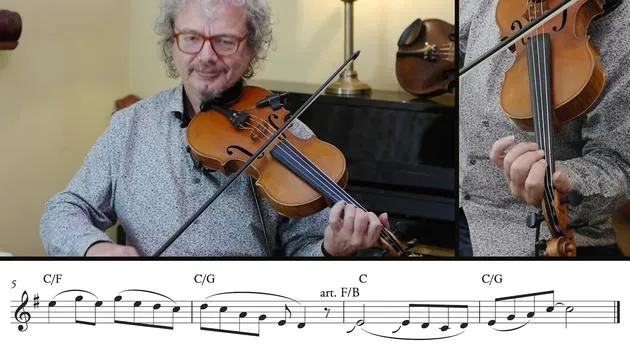
Chris HaighChris Haigh lleva el ritmo básico a las dobles cuerdas, mostrando qué pares de notas -fundamental, tercera y quinta- forman el acorde de La a lo largo de las cuerdas.
© 2011 Schott Music Ltd, London

Qué incluye el curso
28 lecciones (2h 28m) · 1 gratis
Transcripción de la lección
Lesson: Exploring Double Stops and Chord Patterns
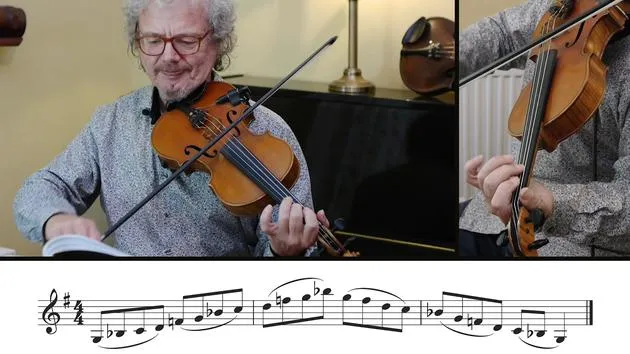
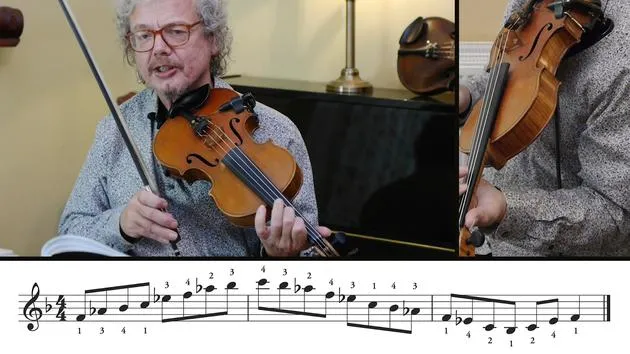
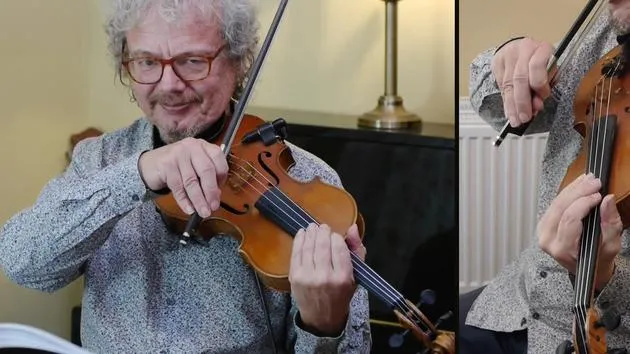
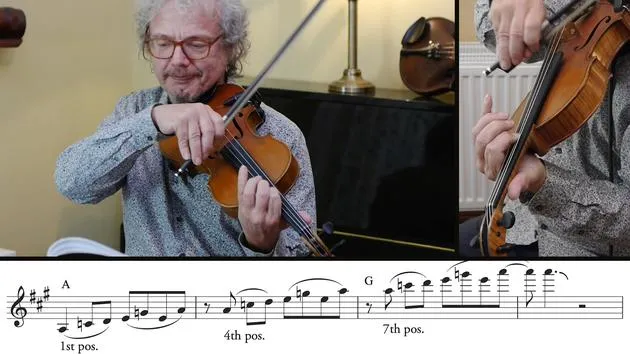
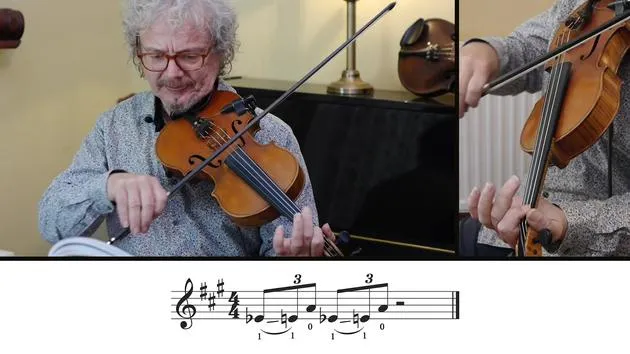
In this lesson, we're going to continue with basic rhythm, but this time we're focusing not just on single notes, but on double stops, or two notes at a time. This requires experience in knowing which two notes make up a chord.
Understanding the Chord of A
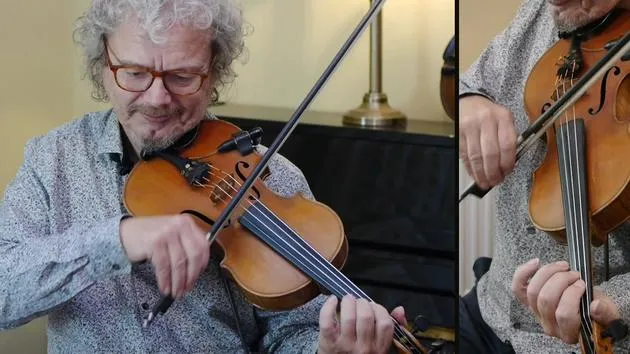
Let's take the chord of A as an example. We have various double stops that allow you to play parts of an A chord:
- Root and Fifth
- Third and Fifth
- Fifth and Root
- Fifth and Third
- Root and Third
For all of these, you're playing different combinations of root, third, and fifth on alternate strings. It's essential to be familiar with all these combinations. The ideal situation is to know that you're in the key of A, think of one note, and automatically recognize the adjacent notes that complete your chord.
Just like a guitarist recognizes multiple inversions of an A chord, you need to learn two-note inversions for each chord.
Moving to Other Chords
Now, let's apply the same principle to the chord of D and the chord of E.
Learning Strategy
To learn this effectively:
- Learn Physically: Practice these exercises until you feel comfortable with them.
- Understand Theory: Know how to identify the root, third, and fifth so you can work it out for any chord.
- Final Execution: Aim to play without having to think about it.
The difference between learning and executing without conscious thought can vary from hours to years.
Setting Goals
When learning the violin, it's important to set realistic, individual goals for how long things will take. Familiarizing yourself with all the double stops for an A chord, for example, should ideally take a week or a month. If you think it will take six months, you might be being lazy. If you think it can be done in an hour, you're likely overly optimistic.
Practicing Chord Sequences
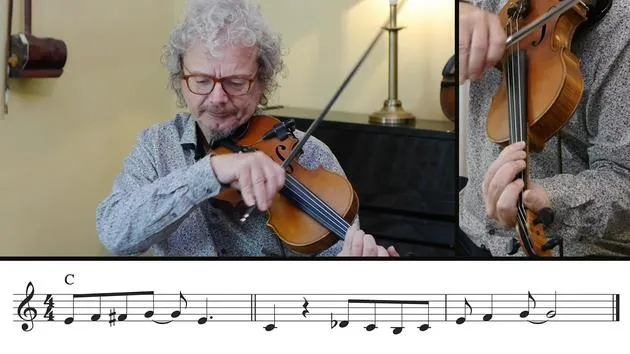
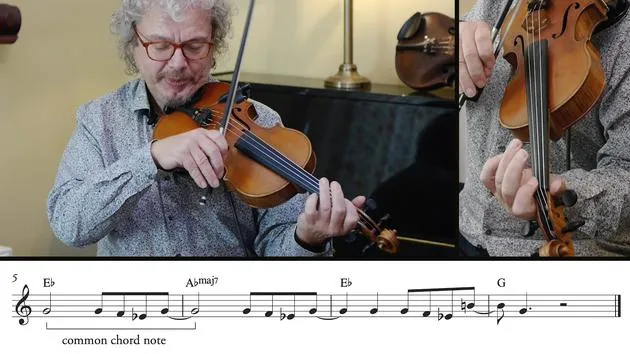
Let's now play over a chord sequence and practice what I call broken chords, which are parts of arpeggios or these two-note patterns.
We'll go through this sequence four times, each time approaching it differently in terms of note choices:
- Choose a Different Pattern: For example, use one pattern for the first half of the verse, another for the second half, different for the chorus, and yet another for the middle eight. This structure keeps it interesting for both you and your audience.
Economical Movement Between Chords
When moving from one chord to another, it's best to select adjacent pairs of notes.
For instance, transitioning from an A chord to a D chord can be done economically by:
- Using your first and second fingers for A
- Following with your second and third fingers for D
Avoid making large jumps; always look for the easiest way to shift between chord shapes.
Two Patterns for Each Chord
Here's a method for working through the three chords A, D, E, A, where you will use two different patterns for each chord:
- For A, emphasize strong notes (root, third, fifth).
- For D and E, maintain that emphasis but introduce a suspension with weaker notes before returning to the strong notes.
Experiencing Tension and Release
This creates an interesting dynamic where you build tension and then relieve it. Think of the guitar part in "Honky Tonk Woman" by the Rolling Stones, which incorporates this concept of chord suspension.
Let's practice this with the chords:
D - G - A - D
Now, we can expand by moving:
- Two Steps Forward: Instead of moving one step back, let's practice moving two steps away from the original pair of notes.
Broken Chords and Pizzicato
Now let's transition into doing some broken chords. Finally, we can explore this concept through pizzicato.
Assignment Overview
In this lesson, we've explored various approaches to playing simple backing music using not just single notes, but different combinations of two notes comprised of roots, thirds, and fifths.
Your assignment is to:
- Review the three exercises we practiced.
- Work out all the different two-note variations for A, D, and E.
- Ensure that you understand the different notes and can identify them independently.
- Explore additional chords and find similar sets of combinations.
- Over weeks, months, or even up to a year, aim to reach a point where you can play all possibilities for common keys without thinking about them.
28 lecciones
2h 28m de lecciones en vídeo estructuradas
Funciones de vídeo avanzadas
Ralentiza, repite un pasaje, sigue la partitura
Móvil, tablet y ordenador
Practica donde quieras
Garantía de satisfacción 100%
30 días de garantía de devolución
Conoce a tu gurú
Conoce a tu gurú
Chris Haigh es violinista profesional desde hace 25 años, con experiencia en muchos géneros distintos. Ha tocado en más de 75 álbumes, trabajando con artistas como Alison Moyet, Bob Geldof, All About Eve, Michael Ball, David Soul, Oumou Sangare, The Quireboys, Riverdance, Morcheeba, James Galway y Steps.
Ha tocado swing y jazz con The Kimbara Brothers, Diz Disley, Le Jazz, The Hot Club of London y los Quecumbar Allstars, y lidera una banda de swing soviético de siete integrantes, The Kremlinaires.
Chris imparte clases y talleres sobre técnica de violín de jazz y ha enseñado violín de jazz en las universidades de Middlesex, Brunel y Newcastle y en el Truro College. Entre sus créditos como autor figuran nueve libros de violín, entre ellos The Fiddle Handbook.
También dirige Fiddling Around (fiddlingaround.co.uk), probablemente la fuente de información sobre violín más completa y visitada de la red.







