



Gestionar una biblioteca de samples
Con
John WatsonAprende a configurar las pistas & tu biblioteca de samples en Ableton Live. Entiende cómo afinar tus samples.
Qué incluye el curso
14 lecciones (2h 26m) · 2 gratis
01. Primeros pasos y configuración
3:21
02. Gestionar una biblioteca de samples
Estás aquí4:34
03. Preferencias de Ableton
1:14
04. Usar samples: los dispositivos Simpler y Sampler
7:04
05. Usar samples en tu track (recortar, estirar, afinar, ecualizar)
12:56
06. Añadir cuerdas y flautas sampleadas
7:28
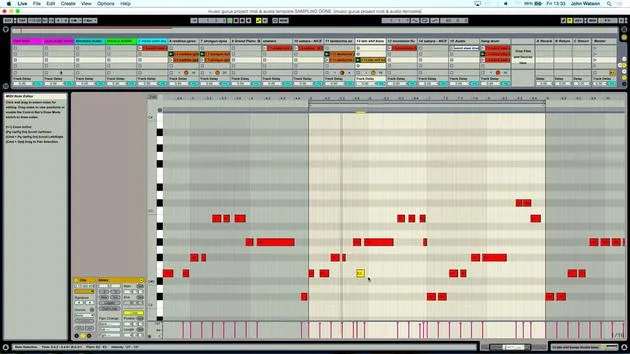
07. Añadir ritmo sampleado: bombos y cajas
25:07
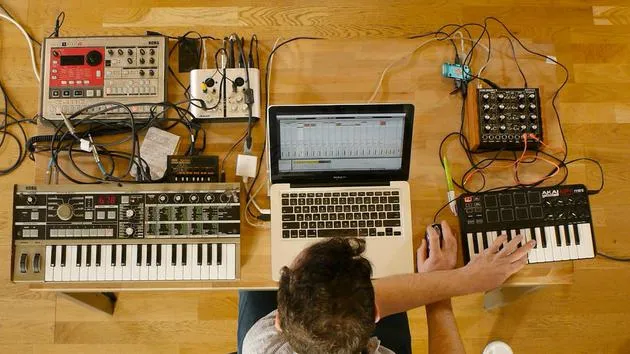
08. Samplear instrumentos externos - caja de ritmos y sintetizador
12:28
09. Crear las partes en la vista Session
13:55
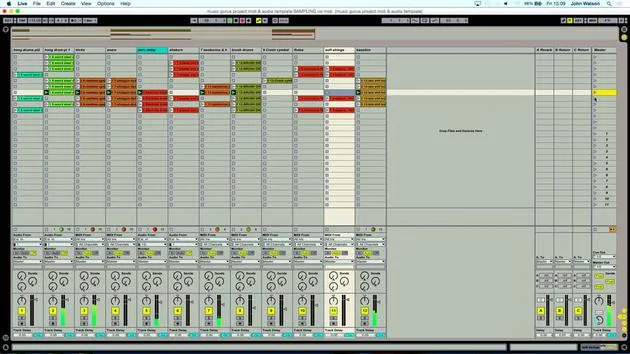
10. Grabar la canción en la vista Arrange
4:34
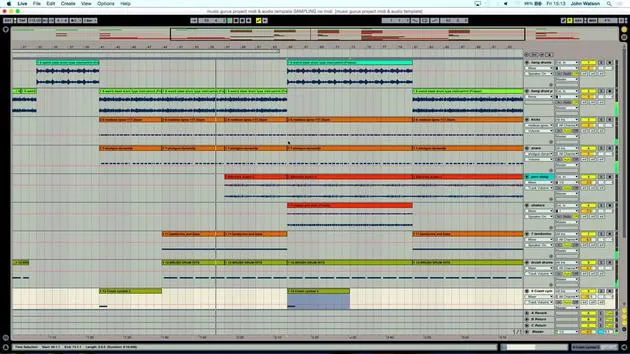
11. Ajustar la estructura del tema
5:35
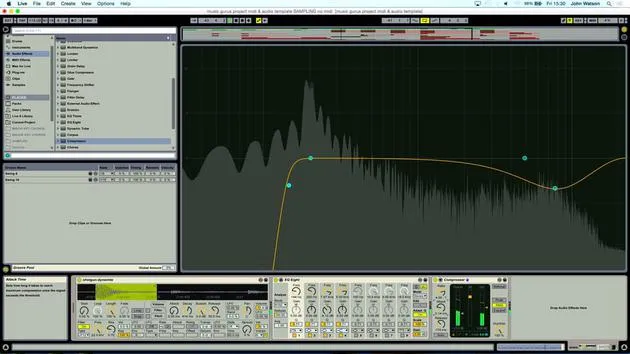
12. Mezclar el tema: efectos
21:24
13. Ajustes finales
13:14
14. EXTRA: Masterizar tu tema y subirlo a Soundcloud
Lección gratis13:31
Transcripción de la lección
Ableton Setup for Music Production
Okay, so I'd like to talk a little bit about the setup that I've got going on in Ableton here.
Audio Tracks Configuration
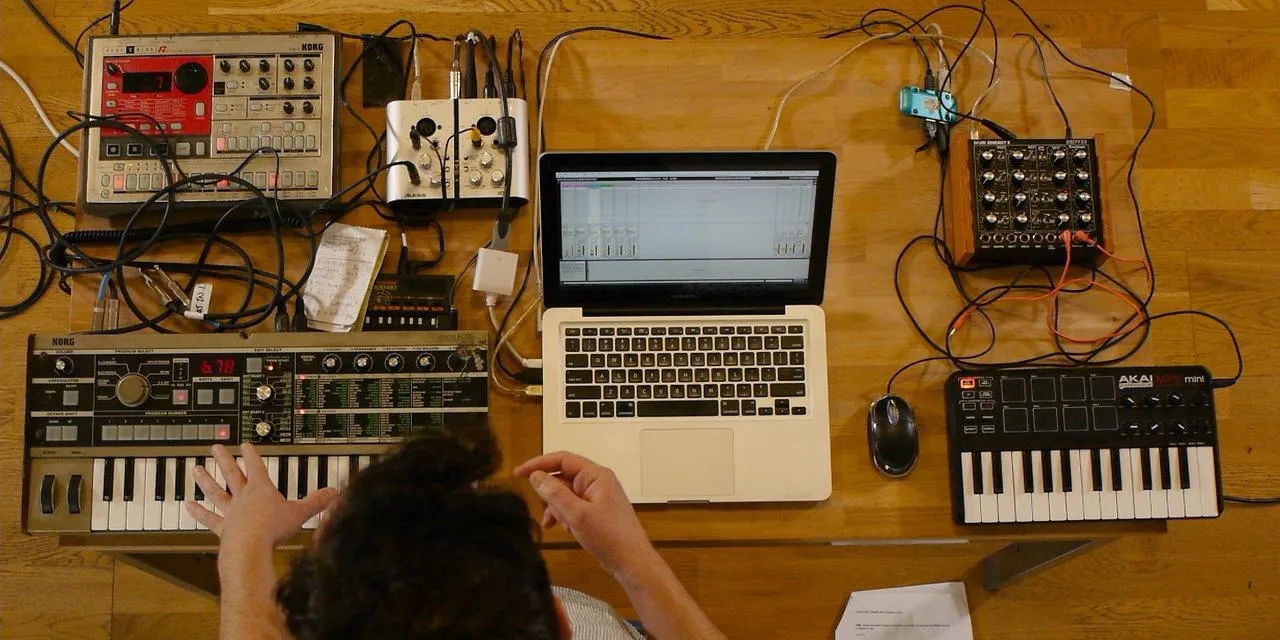
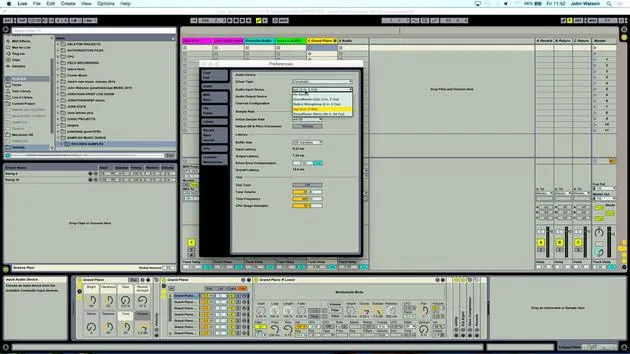
I've got a bunch of different audio tracks. Some of them have been configured to take an input signal from any of these devices. For example, I've got the MicroKorg coming in on channels one and two.
- When I record any of these devices, I've obviously got only two inputs on the sound card, so I'll be swapping them over as needed.
Samples Folder
This is a rough template here. I've also got a Samples Folder prepared for these tutorials. Let's explore what's inside:
- Bass Samples: Various samples primarily from old records or things I've picked up in charity shops.
"There are possible copyright issues, so you've got to be a little bit wary about using someone else's samples here."
Example Samples
- For example, I have a Lalo Schifrin bass line. I can't use that because of copyright issues, but I could liberate one of the bass notes from here and put it onto a keyboard.
- I've got a bass sound, and moving over to the drum loops, there's a nice little hi-hat loop. I'm pretty sure I could use that and cut it up, which would work rhythmically with another beat focused on the kick and snare.
Field Recordings
I've also got some field recordings:
- Wind Chimes
- A recording of an instrument called a Hang Drum, played in the park. This might work really nicely in this tutorial.
- Carnival Crowds, military drums, and fireworks, which could create some interesting percussive sounds.
Percussion Section
Under Percussion, you can hear a bunch of different percussive sounds including:
- Congas
- Bongos
What I tried to do is grab sounds that have a lot of space and are on their own, effectively in solo. For instance, you could layer this up with a snare when creating a beat.
Strings and Vocal Samples
In the Strings section, we have ensemble instruments and several vocal bits and pieces.
"With regards to the record samples rather than the field recordings, I've got to be able to mask these quite well."
Tuning Samples
Another thing to mention is that I have a Grand Piano from Ableton's Factory Instruments. This is crucial for ensuring that my samples are in tune:
- I know that this instrument has been designed to replicate a grand piano accurately. My C will be a C, ensuring that when tuning any of my samples, whether field recordings or records, I'm aware that they might not be in tune.
So, that's really the setup!
14 lecciones
2h 26m de lecciones en vídeo estructuradas
Funciones de vídeo avanzadas
Ralentiza, repite un pasaje, sigue la partitura
Móvil, tablet y ordenador
Practica donde quieras
Garantía de satisfacción 100%
30 días de garantía de devolución
Conoce a tu gurú
Conoce a tu gurú
Tras hacer prácticas con Dave Allen, productor de Depeche Mode y The Cure, John se sintió inspirado para estudiar Tecnología Musical en Londres. Su carrera musical despegó tras un exitoso fichaje por CookShop Records, con el que publicó 9 sencillos y un álbum en 2007 que recibió críticas entusiastas de Q, Uncut y Lowdown Magazine, además de sonar en XFM y Radio One.
John empezó a formarse como ingeniero de sonido en el estudio Bonafide en 2005, donde perfeccionó su talento, y ese mismo año fundó Jackdaw Recordings. Ha colaborado con numerosos artistas de éxito y, en 2007, comenzó a tocar para el músico pop Patrick Wolf, actuando en salas de primer nivel tanto en el Reino Unido como a nivel internacional, incluidos The Astoria y el Shepherds Bush Empire.
Desde su estudio londinense, John ahora compone música, con dos lanzamientos más en CookShop, se ocupa de la ingeniería de sonido para artistas destacados y crea diseño sonoro para anuncios de televisión, cine, teatro y vídeo corporativo.
Esa infrecuente combinación de compositor, productor e ingeniero de estudio en activo es justo lo que John aporta a su enseñanza. En Creative Composition & Production in Ableton Live y Creative Sampling & Production in Ableton Live, te muestra cómo transforma ideas en bruto en temas terminados y listos para publicar: la composición, el sampleo, el diseño sonoro y el saber hacer práctico de la ingeniería que hay detrás de un disco profesional.







