¿Qué hace un productor? – Andrew Hunt

Con
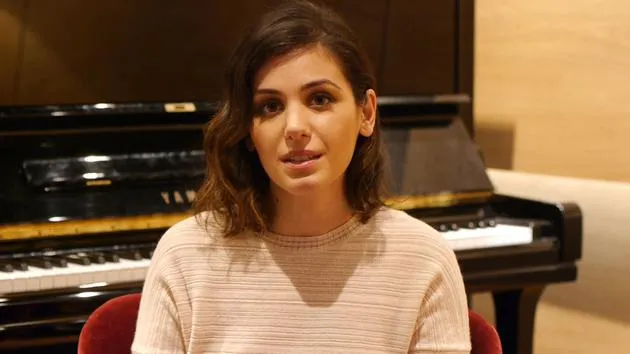
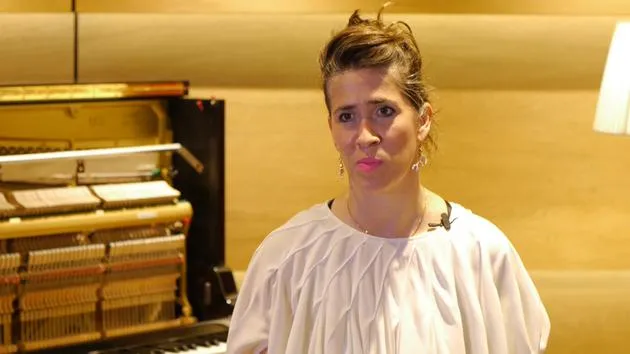
Katie MeluaAndrew Hunt, de la Music Producers Guild, explica cómo el papel del productor ha evolucionado de dirigir la sesión a actuar como socio creativo y mentor.
Qué incluye el curso
40 lecciones (2h 33m) · 1 gratis
01. Empezar: micros abiertos y bolos sin cobrar
2:10
02. Convertirse en héroes locales y organizar giras
6:12
03. Ser creativo con los conciertos
3:44
04. Puesta en escena – Jeremy de Everything Everything
2:21
05. Sacar partido a tu público
4:50
06. Conectar directamente con los fans
5:32
07. Conocer a tu audiencia online y usar los datos con eficacia
10:31
01. Autoedición – Roxanne de Bastion
3:45
02. Qué es un distribuidor
4:16
03. Conseguir un contrato discográfico
2:54
04. Elegir un distribuidor
2:33
05. Grandes discográficas vs. independientes
7:15
06. Streaming: la visión a largo plazo y conseguir un buen trato
6:55
07. Modelos alternativos de distribución
2:42
Transcripción de la lección
Music Production Insights from Andrew Hunt
Introduction
My name is Andrew Hunt. I'm a record producer, engineer, musician, and the executive director of the Music Producers Guild. The Music Producers Guild is an organization established to address the needs of:
- Producers
- Engineers
- Mastering engineers
- Remixers
- Programmers
...and anyone else working within the industry on that side of it. It operates similarly to the Musicians' Union or the FAC, but is specifically tailored for producers and engineers.
The Role of a Producer
Producing is not just about sound; it encompasses various aspects, including:
- Project management
- Finding the right studio
- Locating the right players
- Managing budgets
...and having a vision for the soundscape.
As budgets have become increasingly tighter, producers have had to take on more responsibilities. Personally, I program, engineer, make beats, and produce. However, there are producers who historically acted as coordinators, contacting the right musicians at the right time without having a significant audible contribution to the recording process.
Equipment vs. Skill
Some believe that having the right equipment guarantees a great record. I genuinely think that's nonsense. The key factors in making a great record are:
- Your ears
- Your experience
- Understanding how sound changes
For instance, if you place a microphone here, how does it sound? Place it there, what changes?
While I appreciate quality gear, if you gave me a small desk and a few affordable mics, I could produce a decent record.
My Tools and Process
I primarily use Pro Tools as my Digital Audio Workstation (DAW). However, I firmly believe that great recordings can be made with budget gear. You wouldn't want to rely solely on that, but it's possible.
As you advance in your skills, you start to recognize the limits of your equipment. You may become bored with a certain piece, leading you to seek new tools that can push your creativity. My journey involves:
- Improving knowledge
- Sharpening ears
- Changing tastes
The various pieces of equipment you acquire really just represent your evolving preferences. They don't make the record; you still have to create it.
The Importance of Details
While subtleties in choosing equipment can enhance a record, lacking skills will hinder your ability to make the most of any gear, as you won't grasp the nuances between different pieces of equipment.
Before starting a project, I try to establish a vision for the record, similar to how a designer creates a mood board. This is crucial because:
- It's easy to get sidetracked by exciting new sounds in the studio.
- Reviewing the initial vision helps to determine if we are deviating from our goals.
While happy accidents can sometimes yield fantastic results, it's important to stay aligned with the original intent.
Collaboration in the Studio
The creative process should always be collaborative. My goal isn't to alter their record into something different; it's to make the best record I can for them. We learn from each other, bounce ideas off one another, and strive for excellence together.
40 lecciones
2h 33m de lecciones en vídeo estructuradas
Funciones de vídeo avanzadas
Ralentiza, repite un pasaje, sigue la partitura
Móvil, tablet y ordenador
Practica donde quieras
Garantía de satisfacción 100%
30 días de garantía de devolución
Conoce a tu gurú
Conoce a tu gurú
Katie Melua es una de las artistas más exitosas del Reino Unido, con más de 11 millones de álbumes vendidos en todo el mundo y una serie de discos multiplatino. Nacida como Ketevan Melua en Kutaisi (Georgia) en 1984, se trasladó con su familia a Belfast siendo niña y más tarde estudió en la BRIT School de Londres, donde fue descubierta por el compositor y productor Mike Batt.
Su álbum debut, 'Call Off the Search' (2003), publicado cuando tenía 19 años, pasó seis semanas en el nº 1 del Reino Unido y alcanzó seis discos de platino, impulsado por el éxito 'The Closest Thing to Crazy'. Su sucesor, 'Piece by Piece' (2005), encabezó las listas de toda Europa e incluyó su canción más emblemática, 'Nine Million Bicycles'. En 2006 entró en el libro Guinness de los récords al ofrecer el concierto submarino más profundo jamás celebrado, a 303 metros bajo el nivel del mar en una plataforma de gas del mar del Norte.
Le siguió una notable serie de álbumes top ten — 'Pictures' (2007), 'The House' (2010, producido por William Orbit), 'Secret Symphony' (2012) y 'Ketevan' (2013) — mientras Melua refinaba un sonido que se mueve con naturalidad entre el jazz, el folk y la mejor tradición pop. 'In Winter' (2016), grabado en Georgia con el Gori Women's Choir y producido por ella misma, reveló una nueva profundidad en su arte.
Su obra reciente es la más personal: 'Album No. 8' (2020) y 'Love & Money' (2023) recibieron algunas de las mejores críticas de su carrera, y 'Live at the Royal Albert Hall' (2024) celebró dos décadas en la cima de la música británica. Sigue siendo una intérprete cautivadora en directo, con giras constantes por Europa y más allá.