Visión e identidad

Con
Katie Melua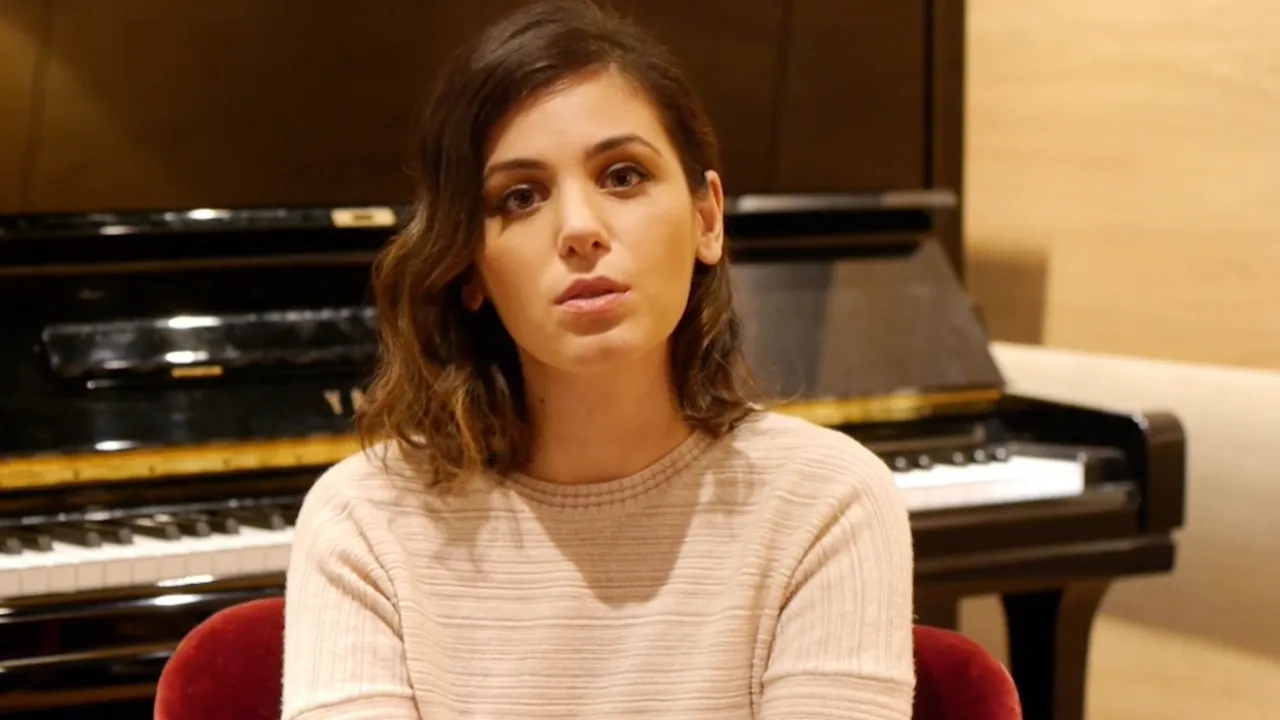
Qué incluye el curso
40 lecciones (2h 33m) · 1 gratis
01. Empezar: micros abiertos y bolos sin cobrar
2:10
02. Convertirse en héroes locales y organizar giras
6:12
03. Ser creativo con los conciertos
3:44
04. Puesta en escena – Jeremy de Everything Everything
2:21
05. Sacar partido a tu público
4:50
06. Conectar directamente con los fans
5:32
07. Conocer a tu audiencia online y usar los datos con eficacia
10:31
01. Autoedición – Roxanne de Bastion
3:45

02. Qué es un distribuidor
4:16
03. Conseguir un contrato discográfico
2:54
04. Elegir un distribuidor
2:33
05. Grandes discográficas vs. independientes
7:15
06. Streaming: la visión a largo plazo y conseguir un buen trato
6:55

07. Modelos alternativos de distribución
2:42




Transcripción de la lección
Developing Your Vision as an Artist
I think the first thing you have to have is a vision. You have to know what you want.
I'm a real believer in this aspect. The other thing is that you create it in your mind.
The Importance of Vision in Music
With Radiohead, we spent five or six years before we even signed. We would rehearse, then go to the pub and talk about what we would do when we signed and how we would tour once we made enough money. So, you've got to have a vision.
All of these other professional attributes we've been discussing are basically useless if what you're doing is not true to yourself. Sooner or later, you're going to come a cropper if you're not authentic.
You can chase certain popular trends in music and have relatively quick successes, but then where do you go after that? If you are doing something that you believe in and that remains unchanged by external influences, then you are doing the right thing.
Discovering Your Unique Voice
I sometimes get asked, "How do I figure out what my vision is as an artist?"
I personally think it's really good to:
- Identify what you are uniquely good at
- Recognize the unique sonic space you can provide that isn't represented in mainstream charts or other niche genres
This process can take time and experimentation, so give yourself the time to explore.
Building Your Identity
All of my favorite bands have something additional to the sound they make, something you can believe in and buy into. This could be:
- A gang mentality if you're in a band
- A very particular visual identity
- A unique atmosphere created by the lyrics and music
When we started the band, we had a real feel for our identity because we were huge fans of music and bands. We understood that we needed to go out on the road to gather our tribe.
So, how do we do that?
The bands we admired just hit the road, and that's what you have to do.
While you may not necessarily hit the road, you do need to have a feel for what you want to do.
Embrace the Journey
I believe it's crucial to have a strong sense of what you want. It's like a light.
Don't be scared to daydream. Envision everything in your head.
On the way up, it might not always go as you expect, but accept that, keep learning, and stay open to new experiences.
Enjoy it. It's an amazing journey! But you'd be surprised how many people don't enjoy it as well.
Ultimately, it's a big roller coaster.
40 lecciones
2h 33m de lecciones en vídeo estructuradas
Funciones de vídeo avanzadas
Ralentiza, repite un pasaje, sigue la partitura
Móvil, tablet y ordenador
Practica donde quieras
Garantía de satisfacción 100%
30 días de garantía de devolución
Conoce a tu gurú
Conoce a tu gurú
Katie Melua es una de las artistas más exitosas del Reino Unido, con más de 11 millones de álbumes vendidos en todo el mundo y una serie de discos multiplatino. Nacida como Ketevan Melua en Kutaisi (Georgia) en 1984, se trasladó con su familia a Belfast siendo niña y más tarde estudió en la BRIT School de Londres, donde fue descubierta por el compositor y productor Mike Batt.
Su álbum debut, 'Call Off the Search' (2003), publicado cuando tenía 19 años, pasó seis semanas en el nº 1 del Reino Unido y alcanzó seis discos de platino, impulsado por el éxito 'The Closest Thing to Crazy'. Su sucesor, 'Piece by Piece' (2005), encabezó las listas de toda Europa e incluyó su canción más emblemática, 'Nine Million Bicycles'. En 2006 entró en el libro Guinness de los récords al ofrecer el concierto submarino más profundo jamás celebrado, a 303 metros bajo el nivel del mar en una plataforma de gas del mar del Norte.
Le siguió una notable serie de álbumes top ten — 'Pictures' (2007), 'The House' (2010, producido por William Orbit), 'Secret Symphony' (2012) y 'Ketevan' (2013) — mientras Melua refinaba un sonido que se mueve con naturalidad entre el jazz, el folk y la mejor tradición pop. 'In Winter' (2016), grabado en Georgia con el Gori Women's Choir y producido por ella misma, reveló una nueva profundidad en su arte.
Su obra reciente es la más personal: 'Album No. 8' (2020) y 'Love & Money' (2023) recibieron algunas de las mejores críticas de su carrera, y 'Live at the Royal Albert Hall' (2024) celebró dos décadas en la cima de la música británica. Sigue siendo una intérprete cautivadora en directo, con giras constantes por Europa y más allá.