Convertirse en héroes locales y organizar giras

Con
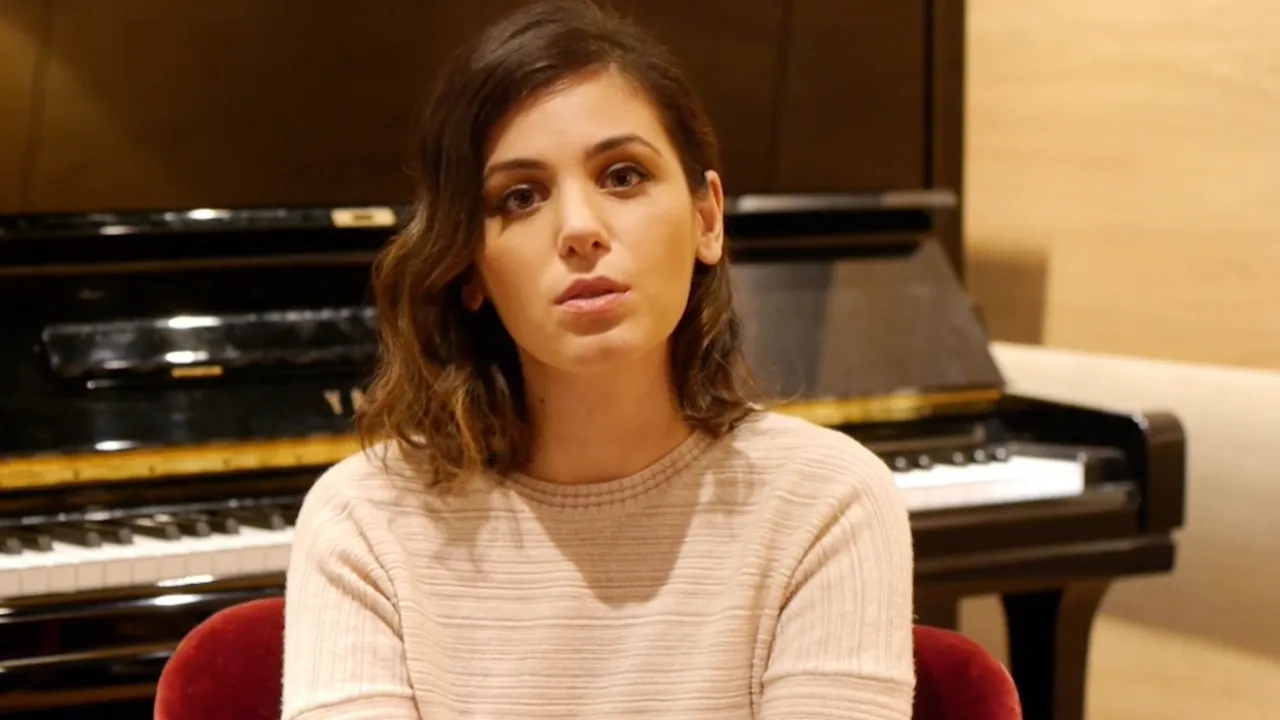
Katie MeluaCómo crear una base de fans desde cero, empezando en tu escena local, expandiéndote a los pueblos cercanos y planificando tus primeras giras, además de por qué importan las buenas relaciones con otras bandas.
Qué incluye el curso
40 lecciones (2h 33m) · 1 gratis
01. Empezar: micros abiertos y bolos sin cobrar
2:10
02. Convertirse en héroes locales y organizar giras
Estás aquí6:12
03. Ser creativo con los conciertos
3:44
04. Puesta en escena – Jeremy de Everything Everything
2:21
05. Sacar partido a tu público
4:50
06. Conectar directamente con los fans
5:32
07. Conocer a tu audiencia online y usar los datos con eficacia
10:31
01. Autoedición – Roxanne de Bastion
3:45
02. Qué es un distribuidor
4:16
03. Conseguir un contrato discográfico
2:54
04. Elegir un distribuidor
2:33
05. Grandes discográficas vs. independientes
7:15
06. Streaming: la visión a largo plazo y conseguir un buen trato
6:55
07. Modelos alternativos de distribución
2:42
Transcripción de la lección
Starting Small in the Music Scene
Everything starts locally, I would say. I mean, it certainly did for us.
The Importance of Local Connections
I know that some people grow up in tiny villages, and there's no live music scene or whatever. In which case, you look to the nearest town or city where there is a live music scene. But you can't leapfrog that or underestimate it:
- Start small: Your first fans will end up being your mates, and then the second set is like their friends.
- Engage the audience: When you start to develop a little local following, meeting people at gigs who say, "I really enjoyed that," is crucial.
Building Relationships with Local Promoters
Conscientious local promoters will actively look for up-and-coming talent to promote. They have specific systems or nights for acts, and that's the best way to start.
- Become a local support act: Putting yourself into that arena may open you up to be a local support for touring acts.
- Playing bigger crowds: Those promoters think, "Oh, I know those guys; I can give them a ring," and suddenly you're playing to bigger, possibly influential crowds.
Networking Locally
You can foster relationships quickly with:
- Other bands
- Promoters
- Venues
Then, you can start to expand outside of your own town.
Fostering a Buzz
It's better to play one really busy, buzzy show that people talk about than to play four or five under-attended gigs.
- If you want to play more, look elsewhere.
- Explore new environments, even if it means taking a megabus or train to the next town for an open mic.
Starting Again
For example:
- If you live in Liverpool, consider going to Manchester to perform at an open mic and catch the last train home.
- Build connections with musicians and promoters in those different towns.
Expanding Your Reach
Ask people in your network for recommendations:
- "Hey, would love to tour Scotland. Can anyone recommend really good music venues there?"
Seek out venues with established fan bases, such as:
- Those that draw crowds for specific nights or have a loyal audience, like, "Saturday nights at Billy's in Aberdeen is always good fun, no matter who's playing."
Nurturing Your Audience
Collect email addresses and keep in touch with people to organically build your fan base.
The Value of Genuine Connections
One thing I wish I would have known from the start is just how important it is to have genuine friendships and connections between musicians.
- Mutual support: You need to support one another no matter where you are in your career.
Often, when you see someone on a support slot, you might assume it's because of their connected manager or record label. However, it can simply be because they were friends who supported one another, just like Bombay Bicycle Club or Ed Sheeran.
Touring Tips
The first concentrated bit of touring we did came from an offer by the headline act who liked us. Here are ways to plan your tours:
-
Allocate time: Cobble together a tour by designating a couple of weeks where everyone is available.
-
Research: Look at what fellow musicians, especially those steps ahead of you, are doing.
- What venues are they playing at?
- Contact them for advice: Ask how venues and gigs were, and if they have contact names.
-
Steal gigs: Check out musicians' websites to get ideas for opening slots.
Booking Agents
The best way to book tours is often through a booking agent who knows all the promoters, venues, and route planning inside out.
- Getting an agent requires you to play in front of the right people at the right time, and they have to like you.
- There isn't really a shortcut; it's about being savvy.
Promoters and agents will often travel to see up-and-coming acts, it's in their interest to sign new talent.
40 lecciones
2h 33m de lecciones en vídeo estructuradas
Funciones de vídeo avanzadas
Ralentiza, repite un pasaje, sigue la partitura
Móvil, tablet y ordenador
Practica donde quieras
Garantía de satisfacción 100%
30 días de garantía de devolución
Conoce a tu gurú
Conoce a tu gurú
Katie Melua es una de las artistas más exitosas del Reino Unido, con más de 11 millones de álbumes vendidos en todo el mundo y una serie de discos multiplatino. Nacida como Ketevan Melua en Kutaisi (Georgia) en 1984, se trasladó con su familia a Belfast siendo niña y más tarde estudió en la BRIT School de Londres, donde fue descubierta por el compositor y productor Mike Batt.
Su álbum debut, 'Call Off the Search' (2003), publicado cuando tenía 19 años, pasó seis semanas en el nº 1 del Reino Unido y alcanzó seis discos de platino, impulsado por el éxito 'The Closest Thing to Crazy'. Su sucesor, 'Piece by Piece' (2005), encabezó las listas de toda Europa e incluyó su canción más emblemática, 'Nine Million Bicycles'. En 2006 entró en el libro Guinness de los récords al ofrecer el concierto submarino más profundo jamás celebrado, a 303 metros bajo el nivel del mar en una plataforma de gas del mar del Norte.
Le siguió una notable serie de álbumes top ten — 'Pictures' (2007), 'The House' (2010, producido por William Orbit), 'Secret Symphony' (2012) y 'Ketevan' (2013) — mientras Melua refinaba un sonido que se mueve con naturalidad entre el jazz, el folk y la mejor tradición pop. 'In Winter' (2016), grabado en Georgia con el Gori Women's Choir y producido por ella misma, reveló una nueva profundidad en su arte.
Su obra reciente es la más personal: 'Album No. 8' (2020) y 'Love & Money' (2023) recibieron algunas de las mejores críticas de su carrera, y 'Live at the Royal Albert Hall' (2024) celebró dos décadas en la cima de la música británica. Sigue siendo una intérprete cautivadora en directo, con giras constantes por Europa y más allá.