Hazlo tú mismo: el DIY y más allá

Con
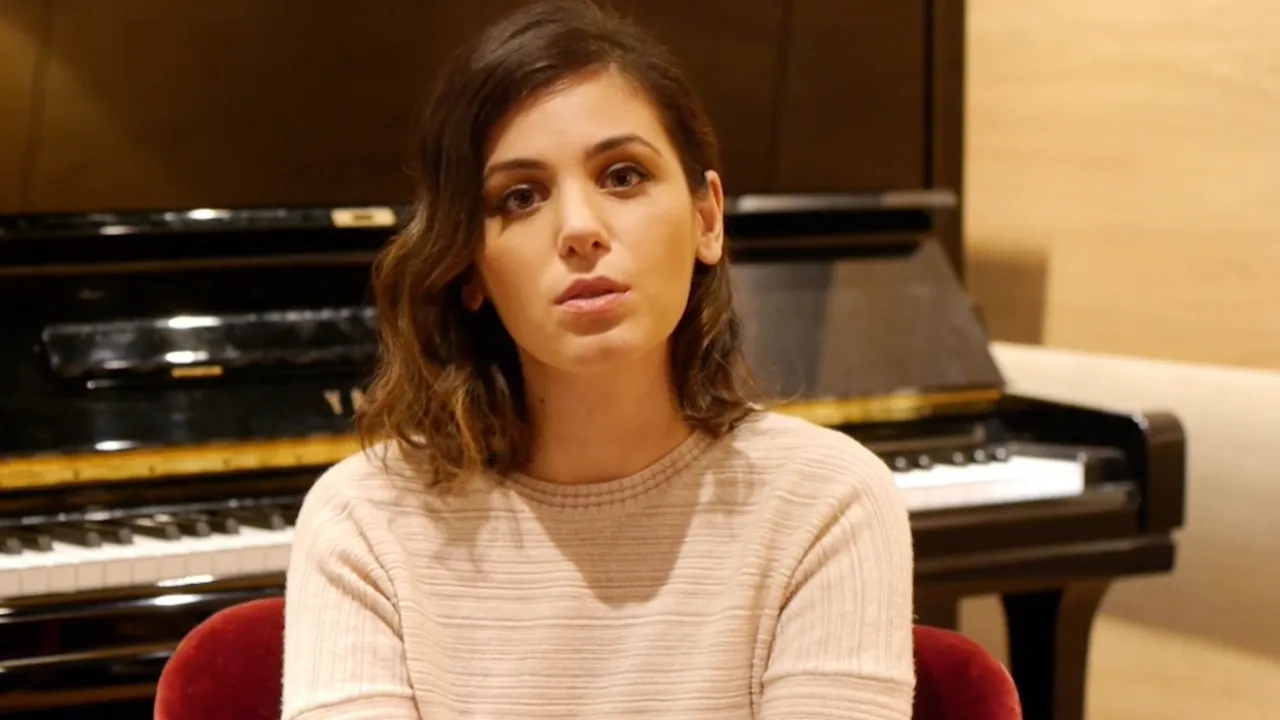
Katie MeluaPor qué el DIY no significa hacerlo todo solo, y cómo lograr que las cosas ocurran por ti mismo, con amigos creativos echando una mano, hace que mánagers y agentes se fijen en ti.
Qué incluye el curso
40 lecciones (2h 33m) · 1 gratis
01. Empezar: micros abiertos y bolos sin cobrar
2:10
02. Convertirse en héroes locales y organizar giras
6:12
03. Ser creativo con los conciertos
3:44
04. Puesta en escena – Jeremy de Everything Everything
2:21
05. Sacar partido a tu público
4:50
06. Conectar directamente con los fans
5:32
07. Conocer a tu audiencia online y usar los datos con eficacia
10:31
01. Autoedición – Roxanne de Bastion
3:45
02. Qué es un distribuidor
4:16
03. Conseguir un contrato discográfico
2:54
04. Elegir un distribuidor
2:33
05. Grandes discográficas vs. independientes
7:15
06. Streaming: la visión a largo plazo y conseguir un buen trato
6:55
07. Modelos alternativos de distribución
2:42
Transcripción de la lección
The DIY Approach to Music
I think it's a really great time to make music because we have so many tools available to use. However, the term "DIY" can feel like a bit of a curse.
The Reality of the Music Industry
You've never been able to just lean back, make your music, and expect a limousine to roll up with someone handing you a record deal. I don't think that was ever the case. There's so much smoke and mirrors in the music industry that it often overshadows the hard work required to reach success.
To me, what DIY means is:
- You don't sit back and wait for something to happen.
- You have to get up and make things happen for yourself.
Taking Action
- Start playing shows.
- Start recording.
- Put things out into the world.
- Make connections: with musicians and with the people that like your music.
I believe these relationships are the most important, and everything else will follow.
The Role of Business Partners
We're not saying that artists should handle every single aspect of their careers on their own, certainly not forever. In most cases, that's not realistic from the beginning.
However, new artists, especially at the start of their careers, often must manage their own business. Eventually, most artists aspire to have:
- A manager to oversee the business side.
- A record label.
- A publisher.
- An agent and a promoter.
These business partners help with various aspects of the career, but initially, you'll have none of them.
The First Step: Getting Management
At our events, I often hear that new artists believe their first deal should be a record deal. I always say:
"No, the first person you need is a manager."
Before you even think about doing a label deal, you need to secure management.
Getting a Manager
When new artists ask, "How do I get a manager?" the typical response from managers is:
"When you're ready, we'll come and find you."
While this may not seem helpful, it does carry weight. It means that as a new artist, you need to start doing things both creatively and commercially to get noticed, not just by fans and bloggers, but also by managers and agents.
Building Your Career
This means:
- Writing your songs.
- Recording your songs.
- Distributing your songs, not only through SoundCloud and YouTube, but also through services like Spotify and iTunes. This is actually very easy to do.
The Importance of Gigging
Perhaps most importantly, gigging is essential.
- Get out there and play. This is your marketing platform.
- While you may not make much money gigging, it's important to understand the landscape.
Many new artists feel discouraged when they hear that pop stars make money from concerts because at the grassroots level, you often lose money playing to small audiences.
Learning and Building
- When you're gigging at pub level to 50 people, it's a learning experience.
- You hone your sound, build a fan base, and meet industry professionals.
For me, this is what the DIY bit is all about:
- Recording your music.
- Getting your content online.
- Having a social media setup.
- Gigging relentlessly to attract business partners.
Once those partners appear, you won't have to do everything on your own.
Collaboration is Key
But, as I say, when I mention doing it yourself:
- Find a photographer to take your photos.
- Find someone passionate about social media to manage your accounts.
- Find a writer to craft content for your website.
Work with other creative individuals who are also at the start of their careers. Realistically, you can't do everything alone.
40 lecciones
2h 33m de lecciones en vídeo estructuradas
Funciones de vídeo avanzadas
Ralentiza, repite un pasaje, sigue la partitura
Móvil, tablet y ordenador
Practica donde quieras
Garantía de satisfacción 100%
30 días de garantía de devolución
Conoce a tu gurú
Conoce a tu gurú
Katie Melua es una de las artistas más exitosas del Reino Unido, con más de 11 millones de álbumes vendidos en todo el mundo y una serie de discos multiplatino. Nacida como Ketevan Melua en Kutaisi (Georgia) en 1984, se trasladó con su familia a Belfast siendo niña y más tarde estudió en la BRIT School de Londres, donde fue descubierta por el compositor y productor Mike Batt.
Su álbum debut, 'Call Off the Search' (2003), publicado cuando tenía 19 años, pasó seis semanas en el nº 1 del Reino Unido y alcanzó seis discos de platino, impulsado por el éxito 'The Closest Thing to Crazy'. Su sucesor, 'Piece by Piece' (2005), encabezó las listas de toda Europa e incluyó su canción más emblemática, 'Nine Million Bicycles'. En 2006 entró en el libro Guinness de los récords al ofrecer el concierto submarino más profundo jamás celebrado, a 303 metros bajo el nivel del mar en una plataforma de gas del mar del Norte.
Le siguió una notable serie de álbumes top ten — 'Pictures' (2007), 'The House' (2010, producido por William Orbit), 'Secret Symphony' (2012) y 'Ketevan' (2013) — mientras Melua refinaba un sonido que se mueve con naturalidad entre el jazz, el folk y la mejor tradición pop. 'In Winter' (2016), grabado en Georgia con el Gori Women's Choir y producido por ella misma, reveló una nueva profundidad en su arte.
Su obra reciente es la más personal: 'Album No. 8' (2020) y 'Love & Money' (2023) recibieron algunas de las mejores críticas de su carrera, y 'Live at the Royal Albert Hall' (2024) celebró dos décadas en la cima de la música británica. Sigue siendo una intérprete cautivadora en directo, con giras constantes por Europa y más allá.