El proceso de producción paso a paso

Con
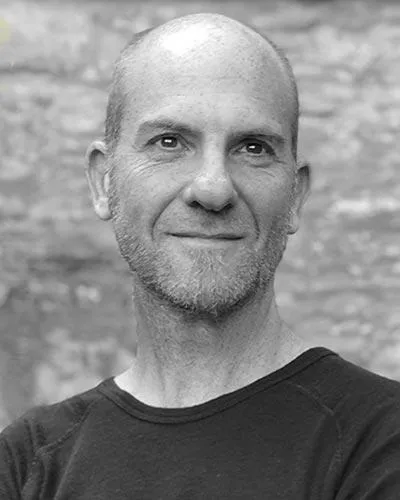
Katie MeluaAndrew explica cómo hace un disco de principio a fin, desde el primer encuentro con un artista tomando un café hasta comprender sus gustos y construir una verdadera colaboración.
Qué incluye el curso
40 lecciones (2h 33m) · 1 gratis
01. Empezar: micros abiertos y bolos sin cobrar
2:10
02. Convertirse en héroes locales y organizar giras
6:12
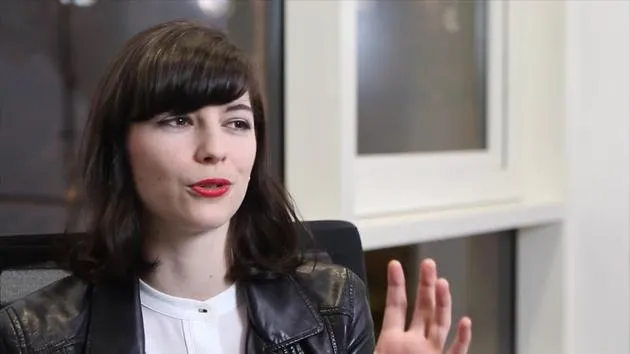
03. Ser creativo con los conciertos
3:44
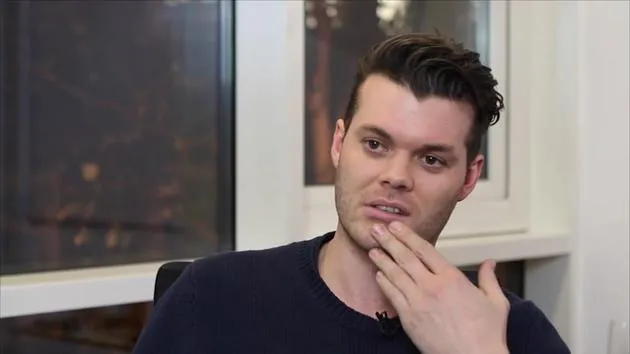
04. Puesta en escena – Jeremy de Everything Everything
2:21
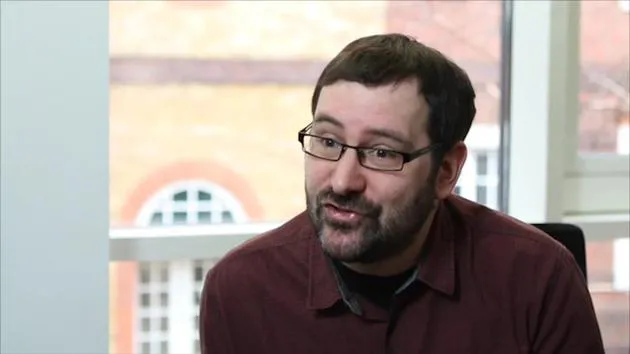
05. Sacar partido a tu público
4:50
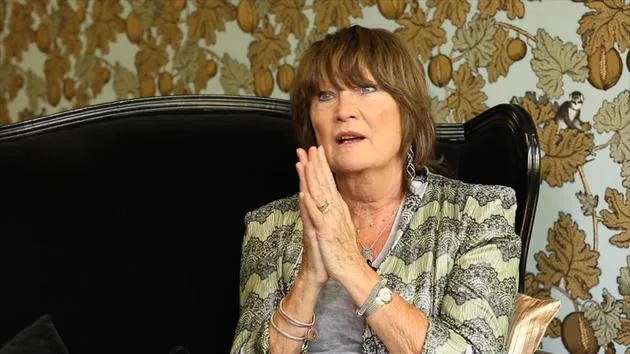
06. Conectar directamente con los fans
5:32
07. Conocer a tu audiencia online y usar los datos con eficacia
10:31
01. Autoedición – Roxanne de Bastion
3:45
02. Qué es un distribuidor
4:16
03. Conseguir un contrato discográfico
2:54
04. Elegir un distribuidor
2:33
05. Grandes discográficas vs. independientes
7:15
06. Streaming: la visión a largo plazo y conseguir un buen trato
6:55
07. Modelos alternativos de distribución
2:42
Transcripción de la lección
The Record-Making Process: A Journey of Collaboration
Every record I make has a unique process. When I say record, I'm referring to a collection of records, every album, EP, or single I create. The process is always a little different, which is what makes it exciting.
Meeting the Artist
-
Connecting Over Coffee
Generally, I begin by meeting the artist for coffee to talk and see if we connect. If we do, I'll arrange to see them perform live. This allows me to gauge whether we have the potential for a genuine and honest partnership. -
Listening to Their Music
I always want to listen to their songs, often having done so already, otherwise I wouldn't have shown interest. I keep an open mind and try to understand their thoughts and emotions surrounding their music, kind of like reviewing their sketchbook.
Understanding Taste
-
Building a Connection
I host the artist at my place, where we share drinks and music, playing things we both love. It's about understanding musical tastes. The more I know about an artist's preferences, the better the record I can produce for them. -
Exploring Diverse Influences
My taste in music is diverse, and I want to understand why the artist appreciates certain tracks, even if they love something that might seem odd. We don't limit ourselves to records that fit a particular mold; it's about discovering what resonates.
Creating Together
-
Developing a Mood Board
As we create together, I build a mood board to visualize the album or EP, collating the influences we plan to incorporate. We might need additional sessions to discuss soundscapes and refine our vision. -
Budget and Expectations
It's crucial to discuss contracts and budget early on. Many artists come with grand visions that might not be financially feasible. We brainstorm ways to achieve their desired sound within their budget, whether through programming or collaborating with other musicians.
Pre-production Phase
-
Preparing for Recording
Before entering the studio, I work with the band in a rehearsal space, stripping songs down and rebuilding them. This pre-production phase is essential to avoid wasting time and resources in a studio. -
Setting Up for Success
I focus on mic placements, preamps, and room acoustics to ensure the best possible sound. The tracking session is where we build the overall structure, ensuring each piece fits together cohesively.
The Recording Process
-
Tracking and Collaboration
Throughout the recording process, I encourage feedback and communication. It's a collaborative effort, if an artist dislikes a certain element, it's crucial they express that right away. -
Engineering and Mixing
I often engineer the recordings unless the budget allows for an additional engineer. Mixing follows, where my goal is to maintain the song's integrity while enhancing its detail and texture.
Mastering: The Final Touch
-
Building Relationships
After mixing, I send the tracks to a mastering engineer, which I believe is a vital part of the process. I value building a relationship with them, discussing the project's intent, and how they can refine the work. -
Final Adjustments
The mastering engineer listens to the tracks for balance and consistency, ensuring they sit well together. This final stage involves adjusting track spacings and making necessary tweaks until we're satisfied with the full body of work.
Conclusion
The journey of making a record is one of collaboration, communication, and creativity. By working closely with artists from the very start, we create music that resonates deeply, allowing both the artist and myself to realize our shared vision. I cherish the intricate process and the relationships built along the way, ultimately leading to a unique and impactful final product.
40 lecciones
2h 33m de lecciones en vídeo estructuradas
Funciones de vídeo avanzadas
Ralentiza, repite un pasaje, sigue la partitura
Móvil, tablet y ordenador
Practica donde quieras
Garantía de satisfacción 100%
30 días de garantía de devolución
Conoce a tu gurú
Conoce a tu gurú
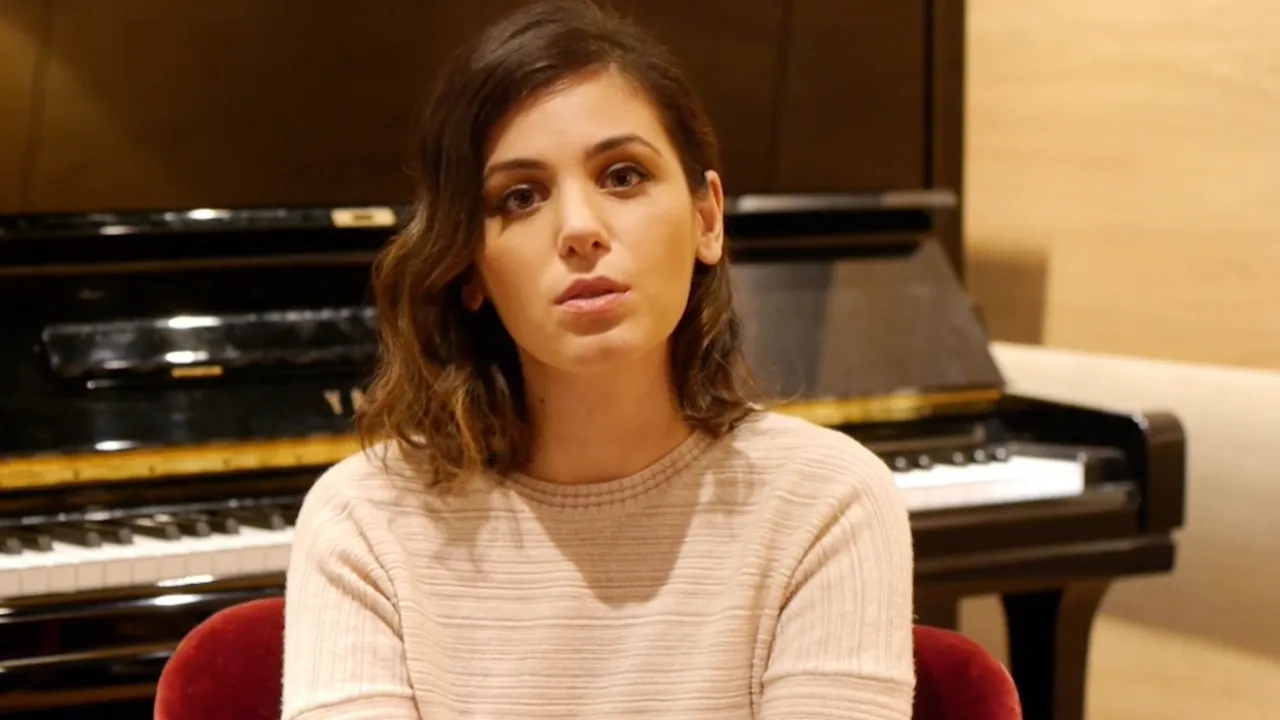
Katie Melua es una de las artistas más exitosas del Reino Unido, con más de 11 millones de álbumes vendidos en todo el mundo y una serie de discos multiplatino. Nacida como Ketevan Melua en Kutaisi (Georgia) en 1984, se trasladó con su familia a Belfast siendo niña y más tarde estudió en la BRIT School de Londres, donde fue descubierta por el compositor y productor Mike Batt.
Su álbum debut, 'Call Off the Search' (2003), publicado cuando tenía 19 años, pasó seis semanas en el nº 1 del Reino Unido y alcanzó seis discos de platino, impulsado por el éxito 'The Closest Thing to Crazy'. Su sucesor, 'Piece by Piece' (2005), encabezó las listas de toda Europa e incluyó su canción más emblemática, 'Nine Million Bicycles'. En 2006 entró en el libro Guinness de los récords al ofrecer el concierto submarino más profundo jamás celebrado, a 303 metros bajo el nivel del mar en una plataforma de gas del mar del Norte.
Le siguió una notable serie de álbumes top ten — 'Pictures' (2007), 'The House' (2010, producido por William Orbit), 'Secret Symphony' (2012) y 'Ketevan' (2013) — mientras Melua refinaba un sonido que se mueve con naturalidad entre el jazz, el folk y la mejor tradición pop. 'In Winter' (2016), grabado en Georgia con el Gori Women's Choir y producido por ella misma, reveló una nueva profundidad en su arte.
Su obra reciente es la más personal: 'Album No. 8' (2020) y 'Love & Money' (2023) recibieron algunas de las mejores críticas de su carrera, y 'Live at the Royal Albert Hall' (2024) celebró dos décadas en la cima de la música británica. Sigue siendo una intérprete cautivadora en directo, con giras constantes por Europa y más allá.