No hacer giras y giras compatibles con la vida familiar

Con
Katie Melua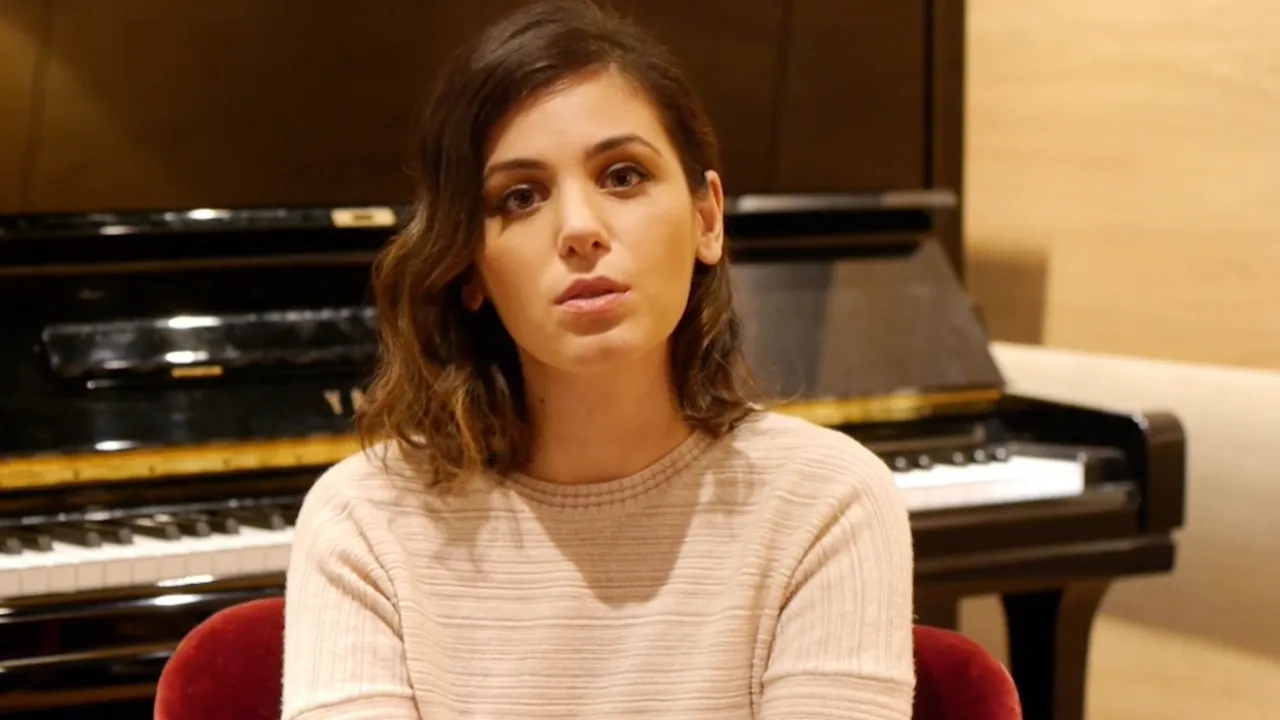
Qué incluye el curso
40 lecciones (2h 33m) · 1 gratis
01. Empezar: micros abiertos y bolos sin cobrar
2:10
02. Convertirse en héroes locales y organizar giras
6:12
03. Ser creativo con los conciertos
3:44
04. Puesta en escena – Jeremy de Everything Everything
2:21
05. Sacar partido a tu público
4:50
06. Conectar directamente con los fans
5:32
07. Conocer a tu audiencia online y usar los datos con eficacia
10:31
01. Autoedición – Roxanne de Bastion
3:45
02. Qué es un distribuidor
4:16
03. Conseguir un contrato discográfico
2:54
04. Elegir un distribuidor
2:33
05. Grandes discográficas vs. independientes
7:15
06. Streaming: la visión a largo plazo y conseguir un buen trato
6:55
07. Modelos alternativos de distribución
2:42
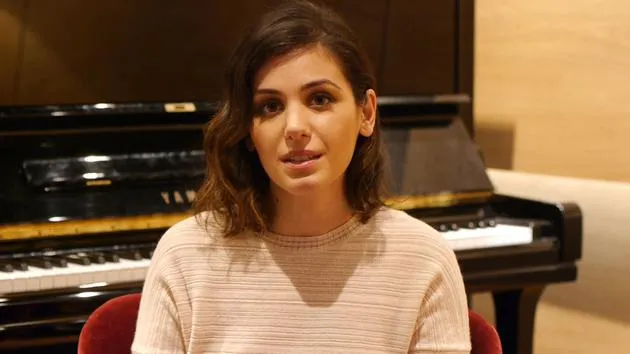
Transcripción de la lección
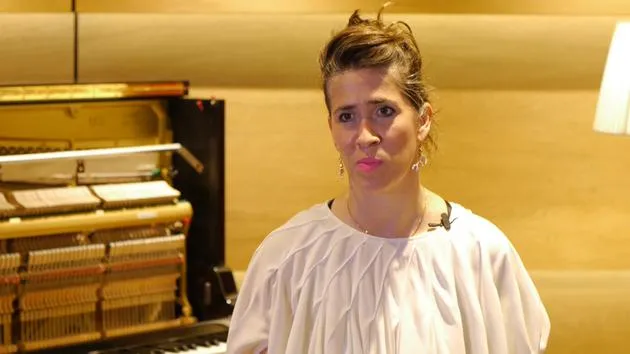
Rethinking the Touring Model
But then there comes a point where, you know, some people don't want to tour, and that should be okay.
The Reality of Touring
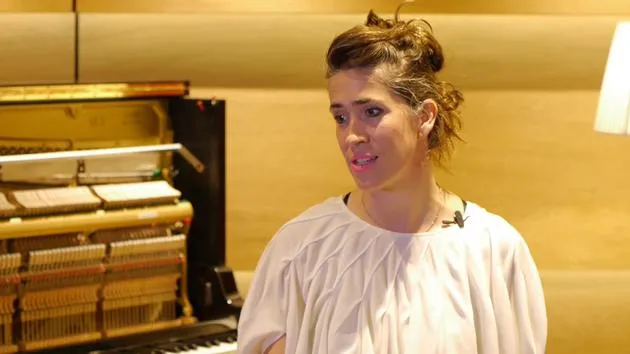
You know, I don't think you should have to tour if you really don't want to. It's not for everyone, especially if you've got a family; it's quite hard to tour.
I'm actually having to rethink and make a new model for touring because I have a daughter and a partner, and we want to go on tour together. However, I can't do it in the traditional way of:
- One song
- A night
- Another night
- Another night
- Another night
- A day off
- A night
- Another night
- Another night
You just can't do that with a kid.
A New Touring Approach
So, yeah, I'm having to rethink those patterns. I think we will start to see more of this kind of model where:
- You go as part of a traveling festival, like a music conference festival.
- You spend a different week in a city, maybe for three and a half nights.
- Then you have three and a half days where you can either work or spend time with your family.
You want to connect and reach all those people, but you don't want to do it relentlessly every night.
The Importance of Connection
It can get a bit wearing.
In the beginning, it's fine because it's all new and great. You're just learning how to be on stage and how to be that performer that you are. But maybe you haven't explored that yet.
After a while, you're like, "Okay, I need to do things a little bit differently."
I need to stay a bit longer and really connect with my fan base.
Exploring Alternatives
I want to share all the other things I'm also involved in, like:
- Giving talks
- Hosting Q&A sessions
- Doing acoustic performances
- Playing gigs in someone's lounge
I also aim to meet universities and align with charities.
So, I think, yeah, it can be quite relentless.
40 lecciones
2h 33m de lecciones en vídeo estructuradas
Funciones de vídeo avanzadas
Ralentiza, repite un pasaje, sigue la partitura
Móvil, tablet y ordenador
Practica donde quieras
Garantía de satisfacción 100%
30 días de garantía de devolución
Conoce a tu gurú
Conoce a tu gurú
Katie Melua es una de las artistas más exitosas del Reino Unido, con más de 11 millones de álbumes vendidos en todo el mundo y una serie de discos multiplatino. Nacida como Ketevan Melua en Kutaisi (Georgia) en 1984, se trasladó con su familia a Belfast siendo niña y más tarde estudió en la BRIT School de Londres, donde fue descubierta por el compositor y productor Mike Batt.
Su álbum debut, 'Call Off the Search' (2003), publicado cuando tenía 19 años, pasó seis semanas en el nº 1 del Reino Unido y alcanzó seis discos de platino, impulsado por el éxito 'The Closest Thing to Crazy'. Su sucesor, 'Piece by Piece' (2005), encabezó las listas de toda Europa e incluyó su canción más emblemática, 'Nine Million Bicycles'. En 2006 entró en el libro Guinness de los récords al ofrecer el concierto submarino más profundo jamás celebrado, a 303 metros bajo el nivel del mar en una plataforma de gas del mar del Norte.
Le siguió una notable serie de álbumes top ten — 'Pictures' (2007), 'The House' (2010, producido por William Orbit), 'Secret Symphony' (2012) y 'Ketevan' (2013) — mientras Melua refinaba un sonido que se mueve con naturalidad entre el jazz, el folk y la mejor tradición pop. 'In Winter' (2016), grabado en Georgia con el Gori Women's Choir y producido por ella misma, reveló una nueva profundidad en su arte.
Su obra reciente es la más personal: 'Album No. 8' (2020) y 'Love & Money' (2023) recibieron algunas de las mejores críticas de su carrera, y 'Live at the Royal Albert Hall' (2024) celebró dos décadas en la cima de la música británica. Sigue siendo una intérprete cautivadora en directo, con giras constantes por Europa y más allá.