



Inspeccionar el material - La batería

Lesson time: (7min 6sec)
Goetz Botzenhardt empieza una mezcla inspeccionando las pistas de batería, escuchando cada sonido y comprobando el timing y el groove antes de cualquier procesamiento.
Course preview
This lesson is part of the course Mezclar música pop comercial
Watch a preview of the full course below.
Lesson transcript:
Mixing Preparation
So now the next step in the mixing is, for me, it's still preparation. You actually inspect the material, start listening, and begin with the drums.
Evaluating the Track
This is more of a dancey track, so you'd probably expect less issues with timing and things. I'm going to play this now, go through, and listen to what each sound does. This will help me get a handle on what's there and what needs to be worked on.
Importance of the Groove
It's always important that the record grooves. Therefore, you should:
- Inspect your timing
- Make sure the bass and the drums, everything is in time
When it's a loop or sample-based track, everything sort of falls on a grid. You put your tempo into the session and, as you can see here, if we zoom in on the bass drum for example:
- This here is always on the one.
- Everything lines up nicely, which is the way it should be.
Avoiding Flams
If you have a bass drum there and the snare drum happens much later, you get a flam. This isn't great for dance and pop music unless it's intended.
When working with a live track, it becomes more complicated:
- The drummer might have played out of time.
- Sometimes things just flam.
It's worth going in there and shifting it to ensure everything is in time before you start the mix. This goes for the drums, bass, and percussion as well.
Editing Drums
Okay, just as a quick example:
This is a track where I've done loads of editing on the drums. As you can see here,
- Red is our drums.
- It's a live drummer, but he did go out of time a bit.
So, I literally had to go and move a lot of the beats to be on our grid. It's important that all the instruments actually fall together, especially on the downbeat.
Avoid Chaos in Your Music
If instruments hit one after another, it can create horrible flams that make the piece of music sound chaotic and undesirable.
Don't be afraid to do some edits!
If it doesn't sound good, fix it because no one else is going to do it for you at this stage.
As you can see, there are lots and lots of cuts.
Using Beat Detective
Now, I just want to demonstrate something that quite often helps. It's this little program here called Beat Detective.
- Hit Apple 8 and this comes up.
- It's a very useful tool if there is a drum track that's not in time.
To use Beat Detective:
- Capture your selection.
- Hit this one for clip separation.
- Draw lines wherever somebody hits a drum.
Sometimes the hits aren't perfect, so you may need to adjust the settings a little bit. Hit analyze.
- Now we can see that all our lines are actually where the kick and snare drums hit.
- Press separate: this makes them all into regions.
- Use clip conform to move them onto the grid.
Fixing Gaps and Crossfades
There may be some gaps that won't sound good, which is why we have this function called edit smoothing. It fills the gaps and crossfades them. You can set the time here as well; about 5 milliseconds is pretty good.
Now this has fixed our drums for this section. If we listen now, they should sound a lot more precise and mechanical.
Final Thoughts on Timing
There's one more quick thing I want to mention about fixing timings. This is more of a production-related point, but it does come in handy when mixing.
- Loop or sample-based tracks: You can be quite rigid and ensure everything falls on the beat. This mechanical sound is great for that music.
- Live tracks: If musicians are great, everything doesn't have to fall onto the grid.
Embracing the Live Feel
In this case, don't be too strict about timing. Give it space to breathe and only fix major mistakes. Remember, even the greatest drummer sometimes plays in the wrong place.
Generally, if the musicians are great, you won't need to work on it too hard. You can let some things be and enjoy the way they groove.
Not everything is done to a grid, and it's not always mathematical music.
Complications with Mixed Tracks
Things get quite complicated when you have loops, samples, and live drums mixed together. You get the groove from the drummer, but the programmed sounds don't move with the drummer since they're static.
- You'll need to adjust the drums accordingly.
- Ensure that whatever falls onto the beat is moved onto the grid.
What's in between can be left free to let the groove breathe.
Recommendation:
Edit the drums and ensure all the bass drums always fall into the same place on the grid.
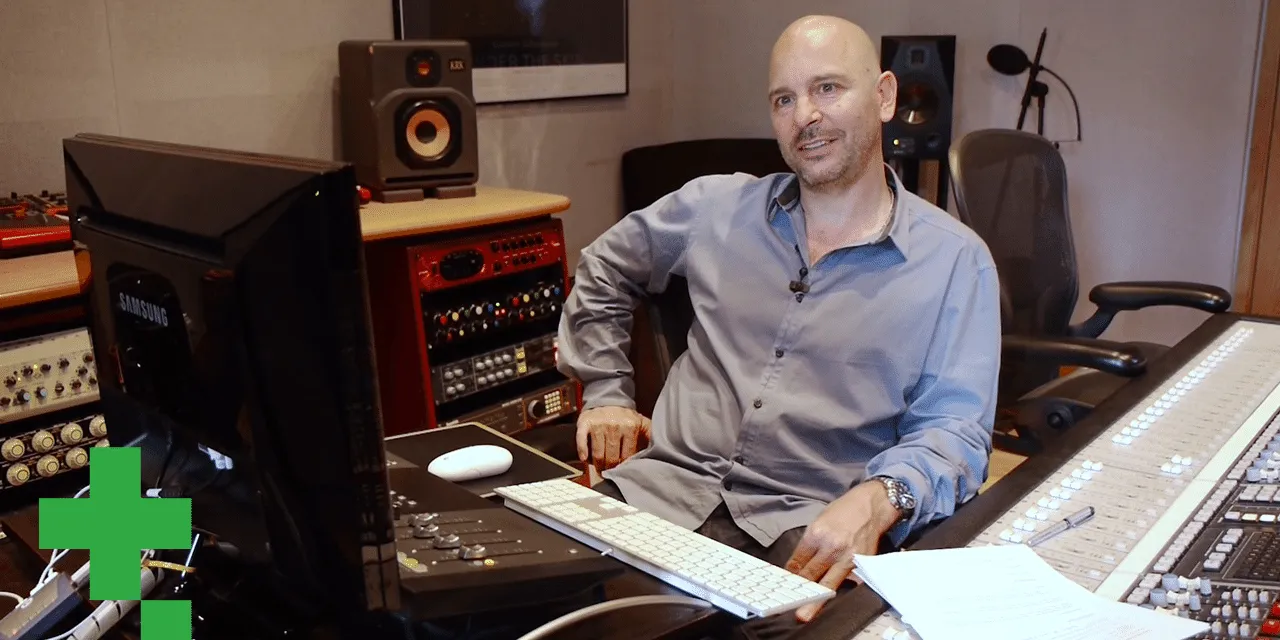
About the instructor
A principios de los años noventa, Goetz Botzenhardt se formó en los Swanyard Recording Studios, asistiendo a productores de primer nivel como Flood, Alan Moulder y Tom Lord-Alge, y se curtió grabando y mezclando a las bandas de dance y acid jazz de los 90: Incognito, Galliano, Soul II Soul y muchas otras.En Swanyard conoció a Rollo Armstrong y ambos formaron rápidamente una asociación creativa que dio lugar a muchos grandes discos de dance y remezclas y, poco después, a la grabación y mezcla de los dos primeros y aclamados álbumes de Faithless y del multiplatino 'No Angel' de Dido.Moviéndose entre géneros, grabó y mezcló el álbum debut de las Sugababes, 'One Touch', incluido su primer éxito 'Overload', y ha mezclado para The Cardigans, Bjork, The Cinematic Orchestra, Craig David, los Pet Shop Boys e Hikaru Utada, una de las artistas de más éxito de Japón.Más recientemente ha ampliado su trabajo al cine y la televisión, colaborando ampliamente con los compositores Christian Henson, Martin Phipps y Anne Nikitin, y mezclando la banda sonora de Daniel Pemberton, nominada a los Globos de Oro, para 'Steve Jobs', dirigida por Danny Boyle. Al margen del cine, produjo 'Closer to the People' de Tanita Tikaram, mezcló temas para Sigala, Ella Eyre, Breton, Planet Funk y Tito Jackson, y en 2016 mezcló el álbum de Peabo Bryson con Jimmy Jam y Terry Lewis. Una lista completa de su trabajo está en sus páginas de discografía y filmografía en goetz-botzenhardt.com.Goetz trabaja desde su propio estudio y sala de mezcla, construidos en torno a una consola SSL E4044, monitorización surround Adam 5.1, un sistema Pro Tools HDX de 48 canales y equipo outboard selecto. En sus cursos te lleva al interior de esa sala para mostrar cómo mezcla en dos mundos muy distintos: en Mixing for Film & TV Score, cómo equilibra y da forma a bandas sonoras orquestales e híbridas al servicio de la imagen; y en Mixing Commercial Pop Music, cómo construye mezclas de pop contundentes y listas para la radio desde la multipista. read more