



Pasos finales de la mezcla y entrega del proyecto

Lesson time: (13min 38sec)
Goetz cubre los últimos pasos de una mezcla: descansar los oídos de un día para otro, usar el limitado para ganar volumen sin distorsión y cómo entregar los archivos al cliente antes del mastering.
Course preview
This lesson is part of the course Mezclar música pop comercial
Watch a preview of the full course below.
Lesson transcript:
Final Mixing Tips and Client Communication
Okay, so here's the last chapter. Once you feel happy with your mix and think it's done, it's not actually quite done yet. There's one crucial aspect: your client has to approve your mix.
Step Back for Objectivity
After spending all day mixing, you might believe your mix is pretty good, but you may have lost some objectivity. Here are a few suggestions to refresh your ears:
- Leave the Mix Overnight: If possible, go home and listen to it in the morning with fresh ears. You'll be amazed at what you can hear that might have stuck out when you were fatigued.
- If You Must Send It Immediately: Send off the mix if you have to do it on the same day, but try to follow the previous suggestion when you can.
Achieving Volume and Quality
It's important that your mix is nice and loud, so maximize limiting without introducing distortion. Aim for:
- A fine balance with your limiter.
- The use of both WAV and MP3 formats when sending to the client:
- WAV: Full bandwidth for detailed listening.
- MP3: Convenient for clients who are on the go.
Communicating with the Client
When sending your mix:
- Don't just present it and say, "Here it is."
- Instead, say, "This is the first draft of the mix I've done. Please have a listen and come back to me with comments."
- Make sure to copy in the right people: usually the manager or record company who pays the bill.
Save Your Work
Before you leave, ensure all your settings are saved. When you come back, you should be able to pick up where you left off without any loss of settings. A good practice:
- Document Your Settings: Use your iPhone to take pictures of settings and email them to yourself or save them in a separate folder in the session.
Working with Feedback
When working on a mixing desk without recall:
- Avoid Changing the Mix Before Feedback: If the client says, "Your mix sounds amazing, but can we just change one thing?" and you've already modified it, that can be problematic.
The first mix I send out is usually labeled as Reference Mix One, signaling to the client that everything is still open for discussion.
Handling Client Feedback
Client feedback can sometimes be vague. Here's how to navigate it:
- Constructive Requests: Good examples include, "Can we turn the hi-hat down a dB?" or "Can we elevate this guitar riff at 1 minute 20 to 2 decibels?"
- Vague Feedback: Comments like "I prefer the demo" or "It's just a bit more blue/green" can be tricky. In such cases:
- Consider having a discussion over the phone or inviting them in for a final mix.
Always ensure that you're addressing their feelings about the mix, even if the feedback seems unfocused.
The Final Touch: Mastering
Every mixer has preferred mastering engineers. I personally trust:
- Tim Young at Metropolis - my favorite for mastering.
Ensure your mastering engineer:
- Doesn't Radically Change Your Mix: Communicate the desired sound to avoid unpleasant surprises later on.
Conclusion
Once all is said and done, remember that it's crucial for your client to be 100% happy with the mix. They will be living with it for a long time, while you will likely move on to different projects.
Thank you for listening to this course; I hope you found it informative! Keep all these tips in mind, and good luck with your mixing career. I hope you can become an awesome mixer!
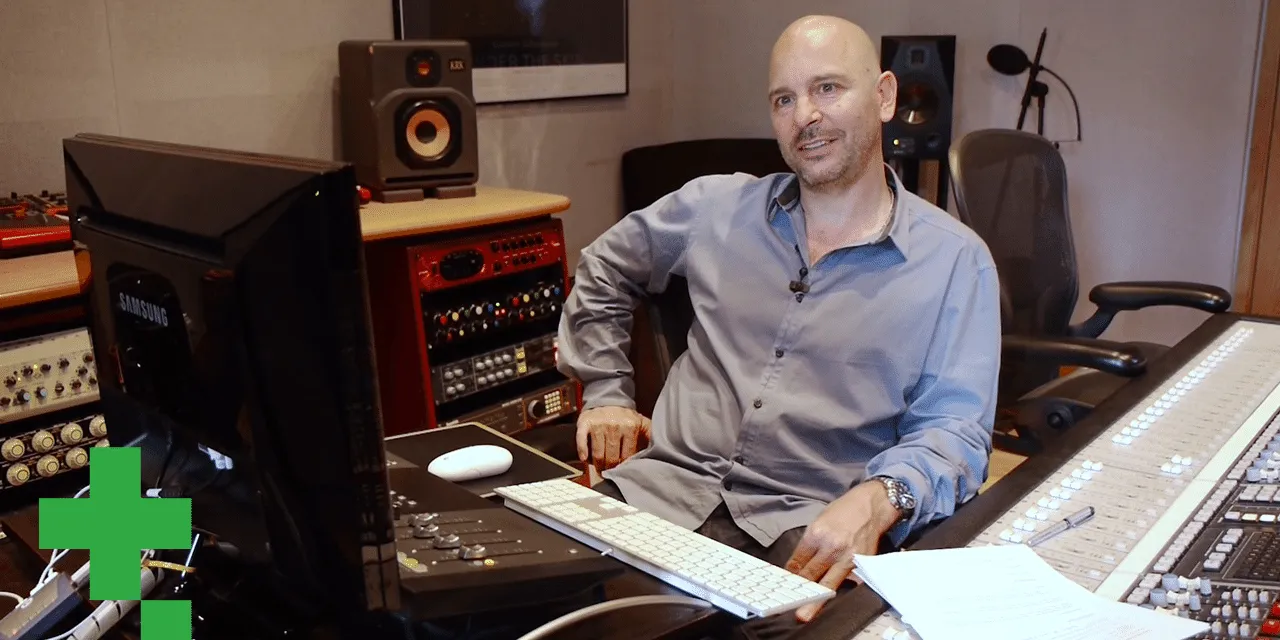
About the instructor
A principios de los años noventa, Goetz Botzenhardt se formó en los Swanyard Recording Studios, asistiendo a productores de primer nivel como Flood, Alan Moulder y Tom Lord-Alge, y se curtió grabando y mezclando a las bandas de dance y acid jazz de los 90: Incognito, Galliano, Soul II Soul y muchas otras.En Swanyard conoció a Rollo Armstrong y ambos formaron rápidamente una asociación creativa que dio lugar a muchos grandes discos de dance y remezclas y, poco después, a la grabación y mezcla de los dos primeros y aclamados álbumes de Faithless y del multiplatino 'No Angel' de Dido.Moviéndose entre géneros, grabó y mezcló el álbum debut de las Sugababes, 'One Touch', incluido su primer éxito 'Overload', y ha mezclado para The Cardigans, Bjork, The Cinematic Orchestra, Craig David, los Pet Shop Boys e Hikaru Utada, una de las artistas de más éxito de Japón.Más recientemente ha ampliado su trabajo al cine y la televisión, colaborando ampliamente con los compositores Christian Henson, Martin Phipps y Anne Nikitin, y mezclando la banda sonora de Daniel Pemberton, nominada a los Globos de Oro, para 'Steve Jobs', dirigida por Danny Boyle. Al margen del cine, produjo 'Closer to the People' de Tanita Tikaram, mezcló temas para Sigala, Ella Eyre, Breton, Planet Funk y Tito Jackson, y en 2016 mezcló el álbum de Peabo Bryson con Jimmy Jam y Terry Lewis. Una lista completa de su trabajo está en sus páginas de discografía y filmografía en goetz-botzenhardt.com.Goetz trabaja desde su propio estudio y sala de mezcla, construidos en torno a una consola SSL E4044, monitorización surround Adam 5.1, un sistema Pro Tools HDX de 48 canales y equipo outboard selecto. En sus cursos te lleva al interior de esa sala para mostrar cómo mezcla en dos mundos muy distintos: en Mixing for Film & TV Score, cómo equilibra y da forma a bandas sonoras orquestales e híbridas al servicio de la imagen; y en Mixing Commercial Pop Music, cómo construye mezclas de pop contundentes y listas para la radio desde la multipista. read more