



Montar la mezcla
Qué incluye el curso
23 lecciones (2h 35m) · 1 gratis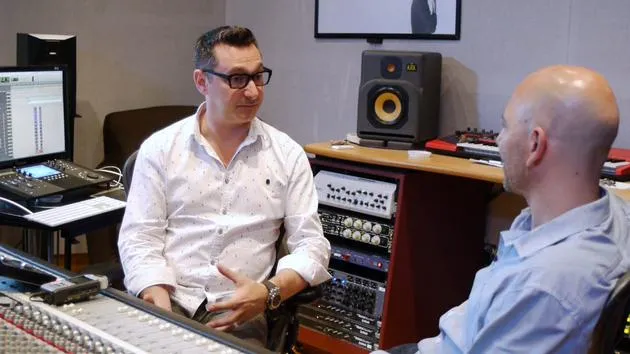
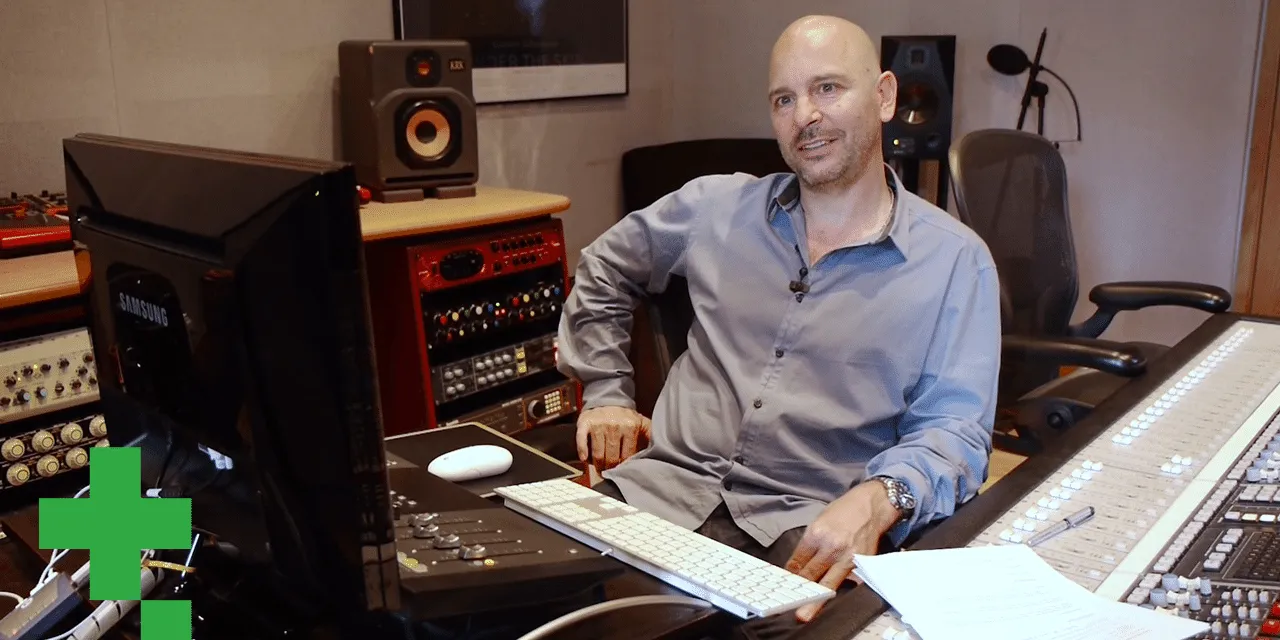
01. Entrevista con Goetz Botzenhardt
Lección gratis20:19
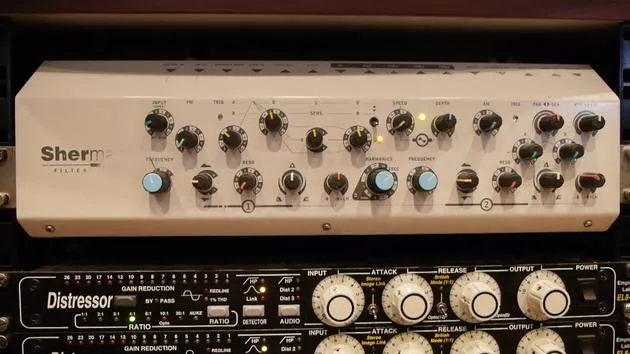
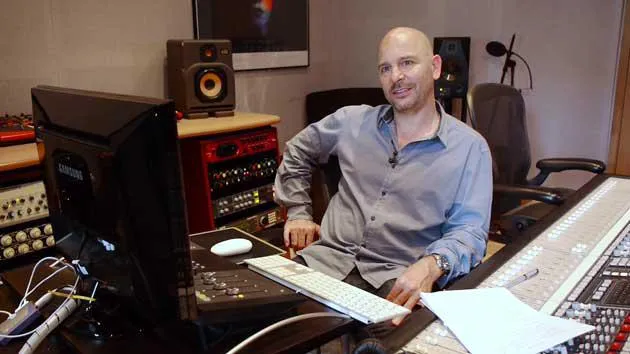
02. El montaje del estudio de Goetz
14:02
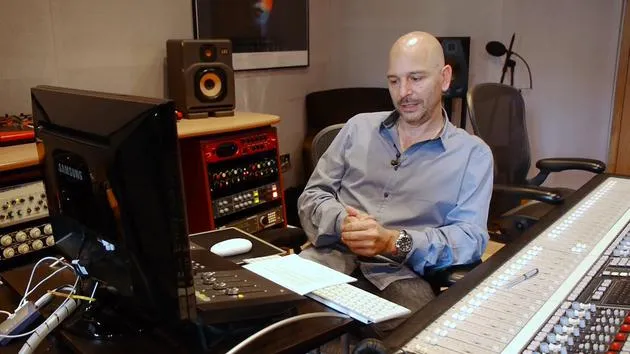
03. Preparación antes de ponerse a mezclar
7:29
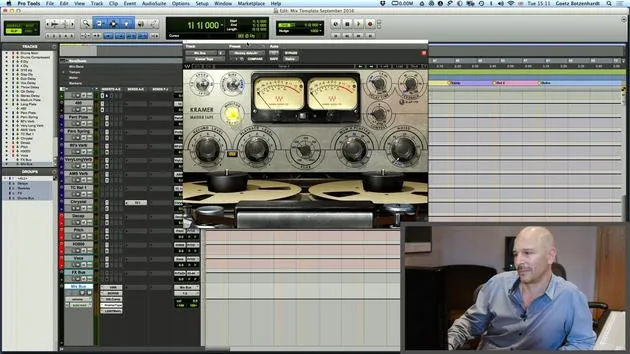
04. Crear y usar una plantilla de mezcla para empezar rápidamente
7:37
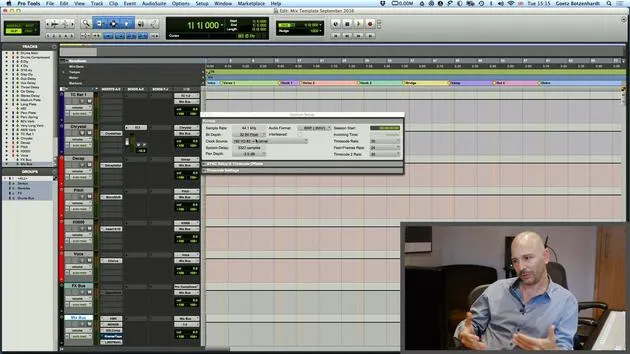
05. Entender los buses y los ajustes de proyecto
3:19
06. TAREA N.º 1: CREA UNA SESIÓN DE MEZCLA
0:41
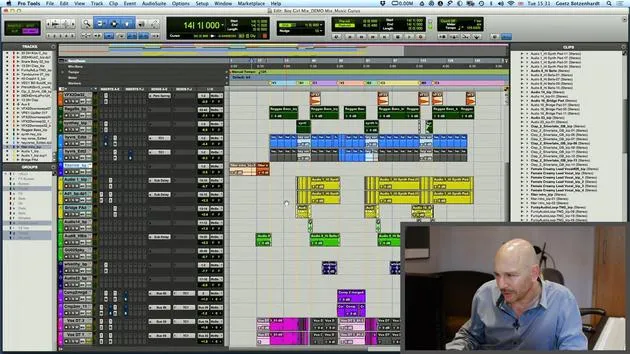
Transcripción de la lección
Welcome Back to Mixing
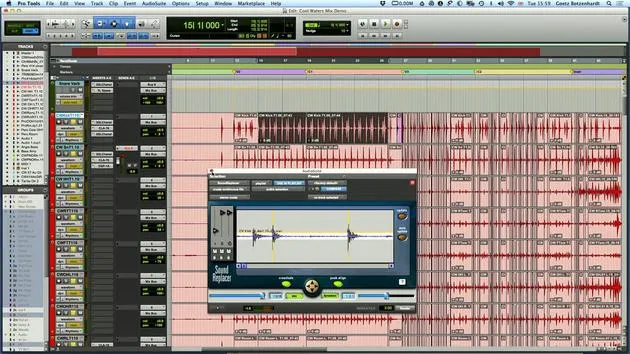
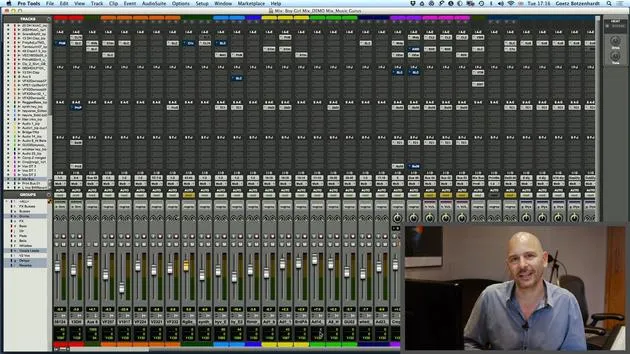
Alright, so yes, welcome back. Now we are ready to start the actual mixing. Everything's wonderful, in time, in tune. You know what you want your mix to sound like. Everything is nicely color-coded and laid out in your session. You've got your effects channels ready, and your samples triggered in.
Starting with the Drums
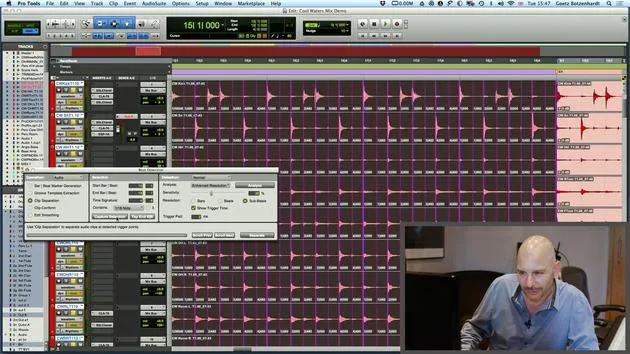
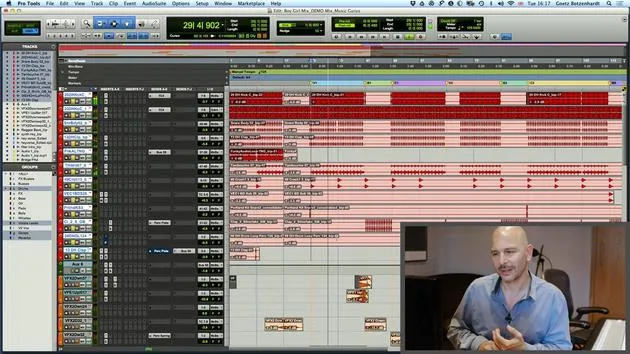
The first thing I do with the actual mixing is start with the drums.
- I'll throw in the kick drum and the snare drum, along with other elements like tambourines and claps.
- Basically, put in one element at a time.
Setting Your Levels
- On pop records, the drums will be pretty static throughout.
- You don't want to be too adventurous with dynamics or level changes now.
If we listen to our drums, the kick drum is quite dominant because it's a dance track.
"The kick drum has to be dominant and drive it."
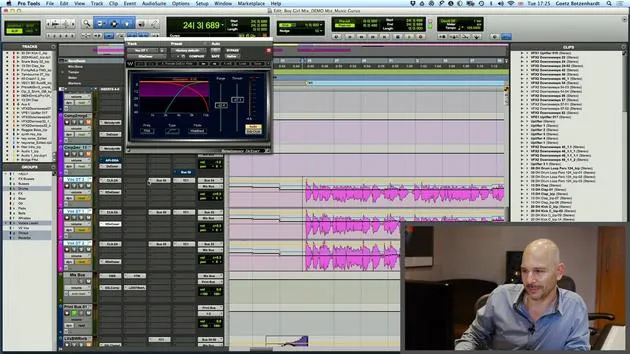
I level all that up using EQ and compression where needed.
My Favorite Plugins
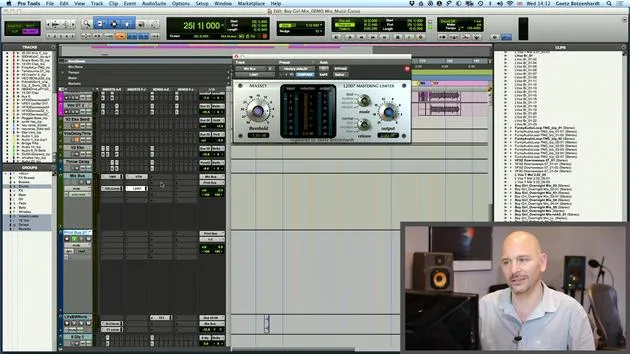
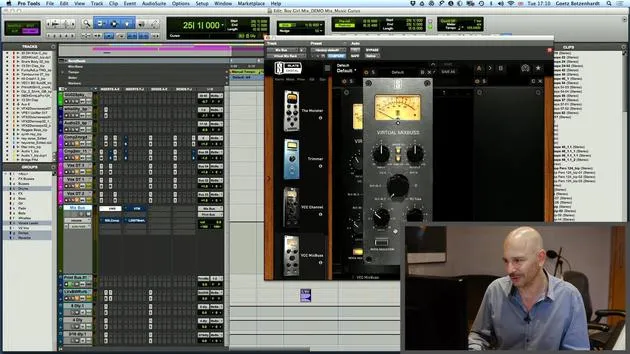
- One of my favorite plugins for basic stuff is the SSLE Channel, which mirrors what I've got on the mixing desk.
- I also like the CLA 76 compressor, a Waves plugin that's a copy of the classic 1176 compressor.
That's usually what I use to make my drums sound punchy.
Additional Drums Advice
A few more bits of advice for working on your drums:
- Use EQ and compression where needed.
- Make sure the bottom end is nice and tight. If it's too flabby, apply compression.
Checking Drum Balance
I check my drums and drum balance on different speakers:
- Play it loud on your big speakers for the bottom end.
- Also, check on your NS10s or Oratones.
- I have computer speakers that sit on either side of the screen, which I'll demonstrate shortly.
It's important because, unfortunately, a lot of people listen to music from PCs and play it on lesser quality speakers.
Reverb on Drums
Regarding reverb on drums:
- I usually only use short reverbs, rooms or maybe a short plate.
- Nothing too long; otherwise, it gets washed out.
"The only time I would use a long reverb is if it emphasizes a sound."
Example of Long Reverb
I can quickly show where a long reverb is used. After the intro, there's a clap that comes in:
Let's listen to that.
I'll turn it up so we can hear it properly.
Equilibrium of Elements
Your drums need to groove in all departments:
- Kick drum handles the bottom end.
- Claps and snares usually fill the middle.
- Tambourines and hi-hats address the top frequencies.
Make sure you apply nice EQs on all of them.
Parallel Compression
Lastly, you can try parallel compression. It's always a good trick, especially with real drums, to get a nice compressed sound.
- However, for this song, I didn't include it because I didn't need it for a dance track.
Adding Bass and Checking Levels
Next, I'll chuck in the bass and percussion.
- Check it on all your different speakers and systems.
- Ensure the bass and the kick drum work well together without interfering with each other.
Side Chaining Technique
One thing worth trying is to put a side chain on the bass if it interferes too much with the kick.
- I set up a channel where the kick drum plays all the way through and link it to a side chain bus.
- Then, I can apply that to the bass.
"Side chaining means compressing one instrument with another."
Sidechain Implementation
In this case:
- The compressor is triggered by the kick drum.
- Every time the kick drum hits, the bass level gets reduced, allowing for a punchier kick.
Side chaining is widely used in dance mixes, creating a "sucking" sound that adds excitement.
Listening and Adjusting
Now that we have all our rhythmical instruments in the mix, let's play it.
- Listen to see if it grooves well and covers all frequencies nicely.
- If it isn't right, we'll adjust the levels and work on it until it sounds good.
Trusting Your Ears
This part requires using your ears to balance everything out; there's no precise formula.
"The real objective is to create a good rhythm track."
Always remember to listen until you really like it. Your goal is to get something people can dance to, a solid groove in all departments.
Let's take that side chain off because I don't like it on this one.
I'll switch it on different speakers and keep working until I'm happy with it.
23 lecciones
2h 35m de lecciones en vídeo estructuradas
Funciones de vídeo avanzadas
Ralentiza, repite un pasaje, sigue la partitura
Móvil, tablet y ordenador
Practica donde quieras
Garantía de satisfacción 100%
30 días de garantía de devolución
Conoce a tu gurú
Conoce a tu gurú
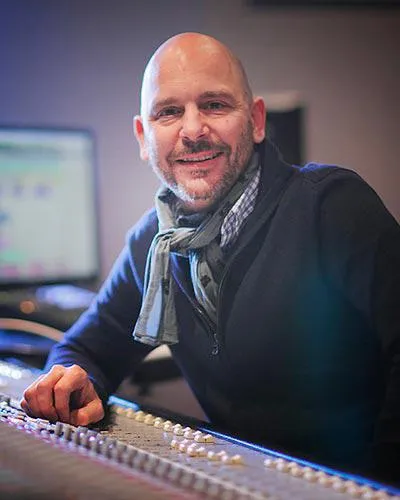
A principios de los años noventa, Goetz Botzenhardt se formó en los Swanyard Recording Studios, asistiendo a productores de primer nivel como Flood, Alan Moulder y Tom Lord-Alge, y se curtió grabando y mezclando a las bandas de dance y acid jazz de los 90: Incognito, Galliano, Soul II Soul y muchas otras.
En Swanyard conoció a Rollo Armstrong y ambos formaron rápidamente una asociación creativa que dio lugar a muchos grandes discos de dance y remezclas y, poco después, a la grabación y mezcla de los dos primeros y aclamados álbumes de Faithless y del multiplatino 'No Angel' de Dido.
Moviéndose entre géneros, grabó y mezcló el álbum debut de las Sugababes, 'One Touch', incluido su primer éxito 'Overload', y ha mezclado para The Cardigans, Bjork, The Cinematic Orchestra, Craig David, los Pet Shop Boys e Hikaru Utada, una de las artistas de más éxito de Japón.
Más recientemente ha ampliado su trabajo al cine y la televisión, colaborando ampliamente con los compositores Christian Henson, Martin Phipps y Anne Nikitin, y mezclando la banda sonora de Daniel Pemberton, nominada a los Globos de Oro, para 'Steve Jobs', dirigida por Danny Boyle. Al margen del cine, produjo 'Closer to the People' de Tanita Tikaram, mezcló temas para Sigala, Ella Eyre, Breton, Planet Funk y Tito Jackson, y en 2016 mezcló el álbum de Peabo Bryson con Jimmy Jam y Terry Lewis. Una lista completa de su trabajo está en sus páginas de discografía y filmografía en goetz-botzenhardt.com.
Goetz trabaja desde su propio estudio y sala de mezcla, construidos en torno a una consola SSL E4044, monitorización surround Adam 5.1, un sistema Pro Tools HDX de 48 canales y equipo outboard selecto. En sus cursos te lleva al interior de esa sala para mostrar cómo mezcla en dos mundos muy distintos: en Mixing for Film & TV Score, cómo equilibra y da forma a bandas sonoras orquestales e híbridas al servicio de la imagen; y en Mixing Commercial Pop Music, cómo construye mezclas de pop contundentes y listas para la radio desde la multipista.







