



Principales armas de mezcla - EQ, Compresión y Reverb

Lesson time: (11min 1sec)
Course preview
This lesson is part of the course Mezclar música pop comercial
Watch a preview of the full course below.
Lesson transcript:
Mixing Process Overview
Welcome back! In today's lesson, we'll focus on the essentials of the mixing process, emphasizing EQ and compression as your main tools for creating a polished sound.
The Importance of EQ
EQing is crucial because it determines which frequencies are used in a sound. With 30 to 40 sounds playing simultaneously, it's essential to ensure they don't interfere with each other.
- Lead Vocal: This will typically be the brightest and loudest element in your track. Everything else must find its place around it.
- Low Frequencies: The bass and kick drum are your lowest elements.
- Define Frequency: It's important to experiment and discover which sounds occupy what frequency ranges.
Tips for EQing:
- Don't be afraid to experiment!
- My favorite EQ is the SSL EQ for a more nuanced, smooth sound.
- I also like the Navy Q on the Slate plugin.
As you add more sounds, you'll learn how to EQ them to fit together cohesively. Your goal is for every sound to occupy its own "pocket" of frequency, ensuring clarity and preventing a muddled mix.
Understanding Compression
Compression is a powerful tool that can help you achieve that 'slamming' sound, reminiscent of classic Led Zeppelin records, which often utilized a big room and a significant compressor for their drums.
- Benefits of Compression:
- Levels out the sounds for more consistent volume.
- Controls dynamic range, making the track sound more professional.
The Role of Panning
Panning is another effective technique for achieving separation in your mix.
- Keep Mono in Mind: Ensure your mix still sounds good in mono, it's essential not to rely solely on panning for distinction.
- Effective Use of Panning: For instance, introducing a new instrument from the left and a different one from the right creates a more dynamic listening experience.
Mixing Objectives
Your primary aim in mixing is to ensure every sound is distinct, clear, and audible rather than a jumbled mess.
Example Demonstration
Here's a track I mixed earlier this year.
-
Drum Mixing:
- The drums sounded somewhat flat, so I applied compression to make them slam more. Here's the difference when the API compressor is engaged.
-
Bass Adjustments:
- I have two bass tracks, one focused on low end and the other on middle frequencies. By filtering out low frequencies from the middle bass, I created clarity between the two.
Methodical Mixing Process
This part of mixing is less about creativity and more about methodical procedures:
-
Order of Operations:
- Start with drums.
- Add bass and other rhythm instruments.
- Include pads, strings, and melodies.
- Finally, treat the vocal as another important instrument.
-
Time Management:
- Generally, aim to complete a mix in a single day for the first draft.
Final Touches
For clarity:
- I often recreate my mix by introducing EQ and compression one by one, then applying reverb to see how everything comes together.
Reverb Techniques
When it comes to reverb:
- Use a bright plate reverb for your main sound (around 2-2.5 seconds).
- Have a smaller room reverb (under 1 second) for drum sounds.
- Utilize a long reverb for occasional effects.
Reverb Management Tips:
- Limit yourself to a few effective reverb types to maintain clarity in your soundscape.
- It's best to place reverb on buses rather than inserts to retain flexibility and reduce clutter.
Let's load up the other song and explore these concepts further!
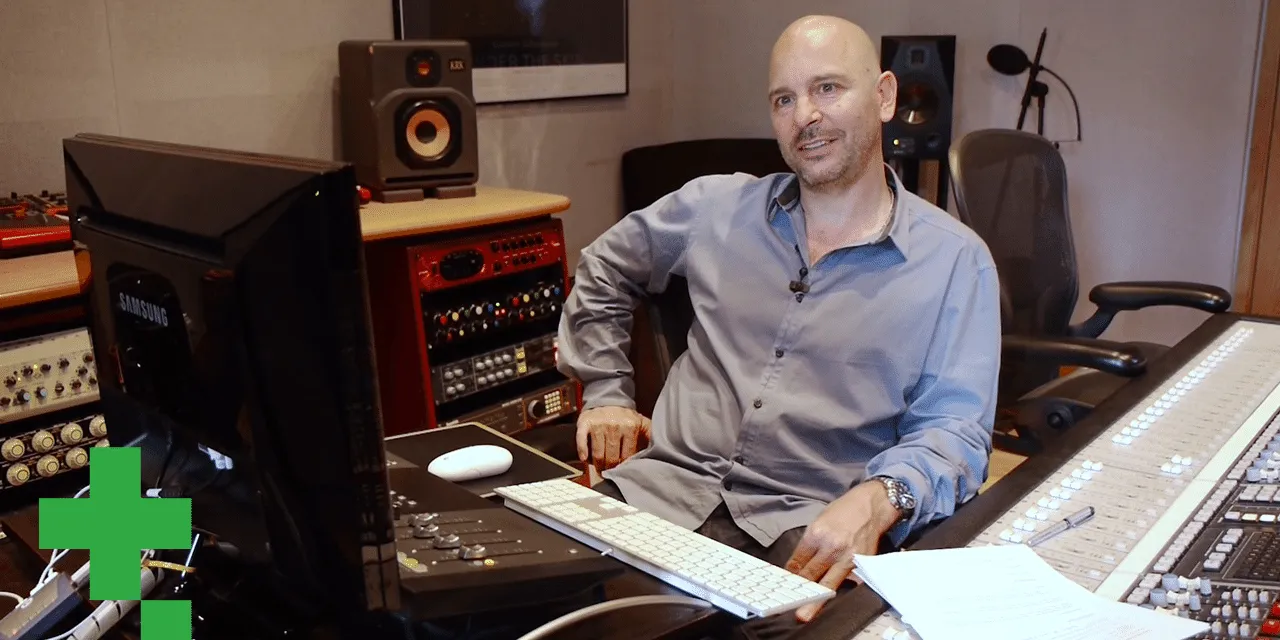
About the instructor
A principios de los años noventa, Goetz Botzenhardt se formó en los Swanyard Recording Studios, asistiendo a productores de primer nivel como Flood, Alan Moulder y Tom Lord-Alge, y se curtió grabando y mezclando a las bandas de dance y acid jazz de los 90: Incognito, Galliano, Soul II Soul y muchas otras.En Swanyard conoció a Rollo Armstrong y ambos formaron rápidamente una asociación creativa que dio lugar a muchos grandes discos de dance y remezclas y, poco después, a la grabación y mezcla de los dos primeros y aclamados álbumes de Faithless y del multiplatino 'No Angel' de Dido.Moviéndose entre géneros, grabó y mezcló el álbum debut de las Sugababes, 'One Touch', incluido su primer éxito 'Overload', y ha mezclado para The Cardigans, Bjork, The Cinematic Orchestra, Craig David, los Pet Shop Boys e Hikaru Utada, una de las artistas de más éxito de Japón.Más recientemente ha ampliado su trabajo al cine y la televisión, colaborando ampliamente con los compositores Christian Henson, Martin Phipps y Anne Nikitin, y mezclando la banda sonora de Daniel Pemberton, nominada a los Globos de Oro, para 'Steve Jobs', dirigida por Danny Boyle. Al margen del cine, produjo 'Closer to the People' de Tanita Tikaram, mezcló temas para Sigala, Ella Eyre, Breton, Planet Funk y Tito Jackson, y en 2016 mezcló el álbum de Peabo Bryson con Jimmy Jam y Terry Lewis. Una lista completa de su trabajo está en sus páginas de discografía y filmografía en goetz-botzenhardt.com.Goetz trabaja desde su propio estudio y sala de mezcla, construidos en torno a una consola SSL E4044, monitorización surround Adam 5.1, un sistema Pro Tools HDX de 48 canales y equipo outboard selecto. En sus cursos te lleva al interior de esa sala para mostrar cómo mezcla en dos mundos muy distintos: en Mixing for Film & TV Score, cómo equilibra y da forma a bandas sonoras orquestales e híbridas al servicio de la imagen; y en Mixing Commercial Pop Music, cómo construye mezclas de pop contundentes y listas para la radio desde la multipista. read more