



El bus de mezcla

Lesson time: (4min 38sec)
Course preview
This lesson is part of the course Mezclar música pop comercial
Watch a preview of the full course below.
Lesson transcript:
Understanding the Mix Bus
I'm going to talk about our mix bus now, because this is important. We've sort of got our instrumental track sounding pretty decent.
The Role of the Mix Bus
This is really the point where you can kick in the stuff that's on the mix bus to glue everything together.
Pro Tools and Slate Digital Plugin
In Pro Tools, I quite often use this plugin, which is a Slate Digital plugin.
- Virtual Channel: It's got a virtual channel.
- Virtual Mix Bus: It's also got this feature called a virtual mix bus, which I like.
I did explain this earlier, but the virtual mix bus makes it sound a bit more like a mixing desk. So I have that on my mix bus.
Setting Up
- Enable the Plugin: I'll put that on and I'll play.
- Checking for Distortion: Usually sounds pretty good straight off. Just make sure it doesn't distort.
Now, we add the compression, the tape, and the limiting. Again, we just have to go through and set it up to sound good. I'm just going to demonstrate that now.
Playing the Track
So, I'm going to hit play on here. Don't make it too loud so I can hear myself talking.
Bus Compression
The next thing is the bus compression.
- I'm going to put this in now.
- I usually don't have it going too much, so it sucks in a little bit more.
- Settings: On this setting, attack: 3 milliseconds, and release as quickly as possible (0.1 seconds).
I'm just going to loop a section here where everything goes, maybe a chorus. I'm going to set myself a nice compression level.
Compression Level
When it hits the four, it's generally a bit too much already, so I normally like to aim for 2 or 3 decibels. I'm going to do a bit more so we can actually hear it, before and after.
- It kind of sucks it in a bit and glues all the elements together.
Tape Machine Plugin
Next, we have our tape machine plugin. Again, it's subtle. I'm not sure if we're going to hear it on the video here, but it helps to glue the mix together.
Limiter
Lastly, but not least, we have the limiter.
- Purpose: It's going to make it nice and loud.
- Sometimes I put it in, and sometimes I take it out for mixing.
It's important to bear in mind that eventually your mix will have quite a bit of limiting on it. So it's best to put it on already to see how it's going to affect your mix and to ensure your mix survives the limiting process that happens later on.
Massey Mastering Limiter
Here's one I quite like: the Massey mastering limiter.
- Function: Basically, what it does is it turns up the level and then cuts off the peaks of your signal.
- We can add quite a lot of limiting, I'm adding 6 dB of limiting now.
We can see it kicks in there quite hard, but it still sounds good.
Before and After
It just adds a lot of level, as we can hear:
- Before: The mix without limiting.
- After: The mix with limiting, where now you can hear the drums balanced up, along with our reverbs and everything on the master bus.
Our mix sounds pretty decent already. Almost sounds like a record. There's just one thing missing, and that's the vocal.
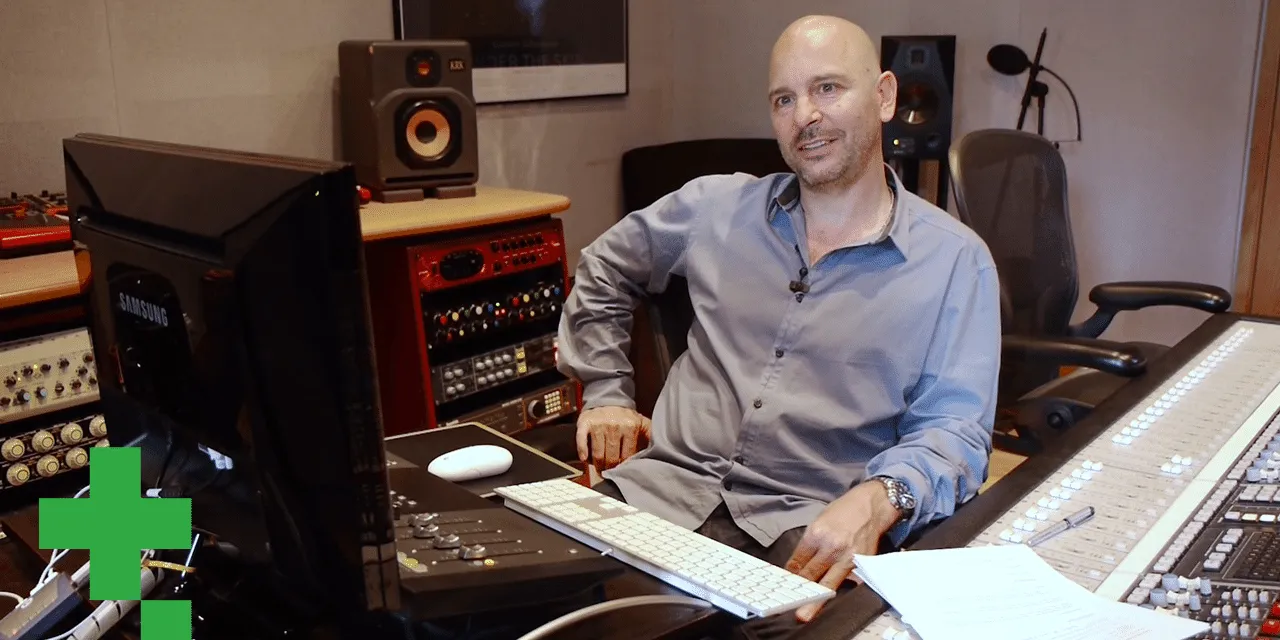
About the instructor
A principios de los años noventa, Goetz Botzenhardt se formó en los Swanyard Recording Studios, asistiendo a productores de primer nivel como Flood, Alan Moulder y Tom Lord-Alge, y se curtió grabando y mezclando a las bandas de dance y acid jazz de los 90: Incognito, Galliano, Soul II Soul y muchas otras.En Swanyard conoció a Rollo Armstrong y ambos formaron rápidamente una asociación creativa que dio lugar a muchos grandes discos de dance y remezclas y, poco después, a la grabación y mezcla de los dos primeros y aclamados álbumes de Faithless y del multiplatino 'No Angel' de Dido.Moviéndose entre géneros, grabó y mezcló el álbum debut de las Sugababes, 'One Touch', incluido su primer éxito 'Overload', y ha mezclado para The Cardigans, Bjork, The Cinematic Orchestra, Craig David, los Pet Shop Boys e Hikaru Utada, una de las artistas de más éxito de Japón.Más recientemente ha ampliado su trabajo al cine y la televisión, colaborando ampliamente con los compositores Christian Henson, Martin Phipps y Anne Nikitin, y mezclando la banda sonora de Daniel Pemberton, nominada a los Globos de Oro, para 'Steve Jobs', dirigida por Danny Boyle. Al margen del cine, produjo 'Closer to the People' de Tanita Tikaram, mezcló temas para Sigala, Ella Eyre, Breton, Planet Funk y Tito Jackson, y en 2016 mezcló el álbum de Peabo Bryson con Jimmy Jam y Terry Lewis. Una lista completa de su trabajo está en sus páginas de discografía y filmografía en goetz-botzenhardt.com.Goetz trabaja desde su propio estudio y sala de mezcla, construidos en torno a una consola SSL E4044, monitorización surround Adam 5.1, un sistema Pro Tools HDX de 48 canales y equipo outboard selecto. En sus cursos te lleva al interior de esa sala para mostrar cómo mezcla en dos mundos muy distintos: en Mixing for Film & TV Score, cómo equilibra y da forma a bandas sonoras orquestales e híbridas al servicio de la imagen; y en Mixing Commercial Pop Music, cómo construye mezclas de pop contundentes y listas para la radio desde la multipista. read more