



Raum schaffen
Mit
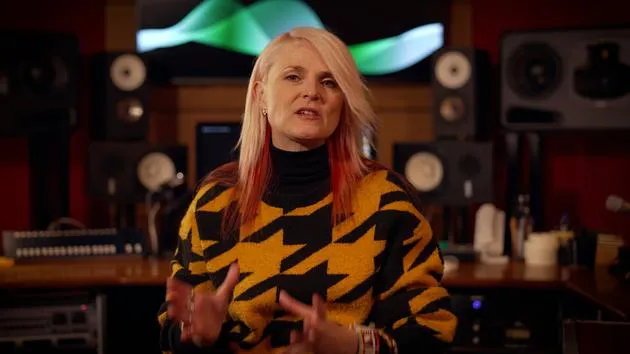
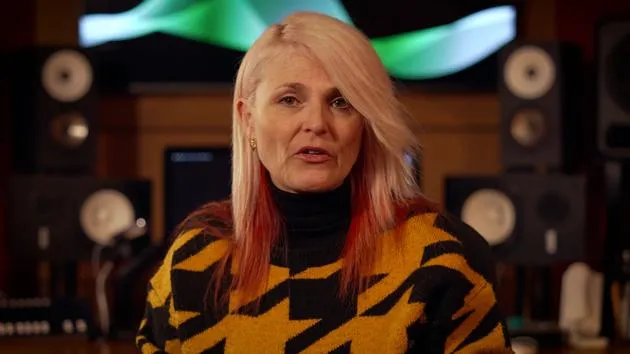
Sister BlissSister Bliss erklärt, warum Faithless Songs wie 'I Want More' für die Bühne reduziert hat: indem sie Parts wegließen und weite Pads einsetzten, um den Live-Tracks Luft zum Atmen zu geben.
 Teil des KursesVom Studio auf die Bühne: Wie Faithless ihren Live-Sound schufen20 Lektionen (1h 53m)Dein GuruSister Bliss
Das steckt im Kurs
20 Lektionen (1h 53m) · 1 gratis
01. Elektronik live sinnvoll umsetzen
11:22
02. Die Studio-Tracks erweitern
7:24
03. Raum schaffen
Du bist hier6:12
04. Synthetisch vs. live
4:17
05. Sounddesign der Show
7:28
06. Proben und Vorbereitung
8:56
07. Mit Session-Musikern arbeiten
7:50
08. Mit musikalischen Leitern arbeiten
Gratis-Lektion3:18
09. Bühnenaufnahmen einbinden
3:24
10. Visuelles Design
7:59
11. Deine Setlist anpassen
5:18
12. Die Bedeutung der Crew
6:53
13. Front-of-House-Techniker
3:30
14. Live-Übertragungen
3:03
15. Aufnahmequalität
4:22
16. Internationale Tourneen
4:24
17. Zeitmanagement und Logistik
3:22
18. Wenn etwas schiefgeht
4:41
19. Vorspiele
5:19
20. Stress und persönliche Gesundheit
4:22
Transkript der Lektion
Creating Space in Live Music
So it was really important to create space in the songs.
Variations in Live Performance
In certain songs in particular, they were just a really different animal when they were being played live. For example, there's a song called I Want More. It had a really beautiful, gentle acoustic guitar riff in it, but it was completely lost when we started rehearsing it.
- It didn't feel like it had the heaviness that the song needed to match the lyrics.
- So, we stripped it all out, completely changed the beat, and changed the parts that were in it.
- We took out the guitar entirely and just had pads that were spaced out in a particular way.
- This allowed the vocals to hang over the piece of music, which was what you could really hear.
Importance of Clear Lyrics
It's super important with a band, well, any band really. The lyrics are often what people are listening out for; they have to be really clear.
- People need to hear what the band is saying.
- If you can't hear the lyrics, you're kind of losing half the experience, especially with a band that uses a rapper and rap music and spoken word.
Sensory Overload and Audience Engagement
For us, it was really important to make sure the songs had space in them so that the audience could almost catch up. It was such a sensory overload with the sound, the lights, and the show experience.
- I like to run the songs like a DJ set. There was no break between many of the songs.
- The first half of a show would have every song segue into the next, and the segue sections were as important as the songs.
Combining Different Music Styles
This was a really exciting part of the show: how to knit together slightly disparate music, which included:
- Banging and clubby
- More hip-hop
- Funky
- Almost ambient
We had sounds that would recur through the show. We would have pads that created links between one song and the next. But the space within the songs was really important.
Transforming Mass Destruction
There's a song called Mass Destruction, which was a very different beast on record.
- Live, it became like a punk anthem.
- We sped it up but tried to keep it groovy.
- There was a big discussion about whether to keep this guitar riff running through it.
It was much more dynamic to have it chopped up. We worked on a section to allow the chorus to breathe, allowing the guitar to play simple notes whereas the recorded version created a dirge.
The Reality of Live Sound
However, you never know until you get into a venue just how these elements will work.
- "Whether Halliburton, Enron, or anyone, greed is a weapon of mass destruction."
- We need to find courage.
- "Overcoming action is a weapon of mass destruction."
Listening Back for Improvement
In rehearsals, a key element was listening back. This is crucial for improving as a band.
- Recording yourself can provide a useful reference point.
- It shows how far you've come from the beginning of rehearsals to the end.
Sound checks were also incredibly important to see if things worked in a cavernous arena.
Challenges with Different Venues
Every venue has its own reverb and sound qualities. For example, we got booked to do a show in South Africa in a sugar silo.
- The shape of it created a 20-second delay when the sound hit the back wall and then came back to us.
- Ultimately, we had to cancel the gig; it was impossible to play, leading to a confused maelstrom of sound.
Outdoor Festival Challenges
Having played at many festivals, I can say the weather makes a massive difference.
- Sometimes, the wind can blow the sound away from the speakers, making it difficult for the audience to hear.
- This can affect how you play on stage, as you're not receiving the right vibe from the audience.
Key Takeaways for Your Prep
Be aware of all these different factors when preparing for a show:
- Simplifying things
- Keeping parts tight
- Ensuring clarity of sound
These are all really important when you're in rehearsal.
20 Lektionen
1 Std. 53 Min. strukturierte Videolektionen
Erweiterte Videofunktionen
Verlangsamen, Passagen loopen, mitlesen
Handy, Tablet & Desktop
Üben, wo du willst
100 % Zufriedenheitsgarantie
30 Tage Geld-zurück-Garantie
Lern deinen Guru kennen
Lern deinen Guru kennen
„Sister Bliss hat nie aufgehört, Musik zu schreiben. Sie ist eine versierte Komponistin für Film und Fernsehen, eine Club-DJ und eine Fürsprecherin der Kreativbranche.“ Billboard
Ayalah Bentovim, alias Sister Bliss, ist eine der erfolgreichsten britischen Dance-Künstlerinnen der vergangenen 25 Jahre und die musikalische Kraft hinter Faithless.
Gemeinsam mit dem legendären Frontmann Maxi Jazz und dem Produzenten Rollo Armstrong gründete sie Faithless: eines der erfolgreichsten Electronic-Acts ihrer Generation, mit einer über zwei Jahrzehnte reichenden Karriere, die 8 Alben (3 davon auf Platz 1) und sechs Top-10-Singles umfasste. Bis heute hat Faithless weltweit über 15 Millionen Tonträger verkauft und ist rund um den Globus vor Millionen Menschen live aufgetreten, als Headliner von Festivals, Stadien und Arenen. Die Band hat mit Künstlern wie Jazzie B, Boy George, Cat Power und Dido zusammengearbeitet, ohne sich je anzupassen, und bewegt sich mühelos durch ein eklektisches Spektrum von Genres.
Im Laufe einer 25-jährigen Karriere, die sie von der britischen Underground-Clubszene zu ausverkauften Arena-Shows und Festival-Headliner-Slots rund um die Welt führte, ist Sister Bliss zu einer der langlebigsten und einflussreichsten weiblichen Electronic-Künstlerinnen der britischen Dance-Musik geworden.
Sie kommt gerade von der Veröffentlichung des ersten Faithless-Studioalbums seit zehn Jahren, dem mit Spannung erwarteten 'All Blessed' - Faithless' Liebeserklärung an die elektronische Musik, die die Band in Bestform präsentiert. Das Album erreichte Platz 6 der Charts, und die Singles fanden zusammen mit ihren Premieren-Remixes breite Unterstützung bei BBC Radio 1, Radio 2 und BBC 6 sowie bei Kiss FM und Capital.
Als klassisch ausgebildete Multiinstrumentalistin hat sie zudem die Musik für zahlreiche Fernseh-, Film- und Theaterproduktionen geschrieben. Zu ihren Credits zählen der Film Knife Fight aus dem Jahr 2012 mit Rob Lowe unter der Regie des zweifachen Oscar-Preisträgers Bill Guttentag, Auftragsarbeiten für Sex & The City 2, Chasing Amy, Danny Boyles The Beach, A Life Less Ordinary, der gefeierte britische Film The Hide, Crossing The Line sowie die BAFTA-prämierten Fernsehdramen Life Begins (ITV) und The Poison Tree (ITV).
Für das Theater hat Bliss die Musik zu The Black Album und The Emperor Jones am National Theatre in London geschrieben und außerdem ein Originalstück für die London Sinfonietta komponiert, das beim Fuse Festival in Großbritannien aufgeführt wurde.
Kürzlich hatte sie eine Hauptrolle in der großen BBC1-Primetime-Show 'This is My Song', in der sie die Teilnehmenden betreute und ihre finalen Aufnahmen produzierte.
2019 veröffentlichte sie unter dem Namen 'R PLUS' ein neues gemeinsames Album mit Rollo und Dido - 'The Last Summer', nach einem prall gefüllten Sommer voller Festival-Headliner-DJ-Sets rund um die Welt, darunter Auftritte bei Bestival, Exit Festival, Glastonbury, Creamfields, Ibiza und darüber hinaus.
Ihre überaus erfolgreiche wöchentliche Radiosendung und ihr Podcast 'Sister Bliss in Session' werden an über 100 Sender in 43 Ländern weltweit ausgestrahlt. Kürzlich moderierte sie als Gast die gefeierte Sendung von Gilles Peterson auf BBC 6 Music und vertritt regelmäßig Ana Matronic in der Sendung Dance Devotion auf BBC Radio 2.
Außerdem präsentierte sie eine fünfteilige Reihe auf dem Sender Scala Radio von Bauer Media, in der sie klassische und elektronische Musik miteinander verband und die bei den New York Festival Radio Awards im Wettbewerb gegen 30 Länder die Bronze-Auszeichnung gewann.
Derzeit unterrichtet sie im MA-Masterstudiengang der Tileyard Studios, unter anderem in Modulen zu Songwriting, Produktion und dem Schreiben nach kommerziellem Briefing, und betreut einzelne Masterstudierende - dasselbe praxisnahe Wissen, das sie in Studio to Stage teilt, wo sie genau aufschlüsselt, wie Faithless aus ihren Platten eine stadionfüllende Liveshow machte.







