



Overload
Lesson time: (6min 11sec)
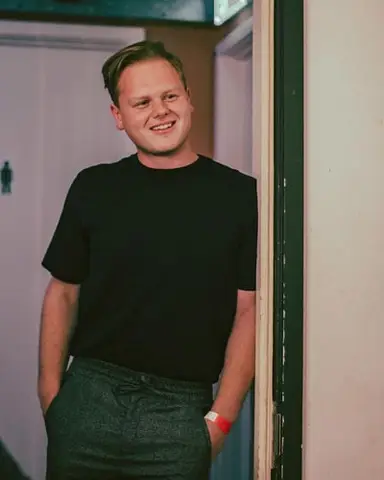
Spiel Overload, ein Rockband-Stück aufgebaut auf Powerchords (A5, D5, E5) und Riffs, geschrieben zum Durchjammen mit Bass, Schlagzeug oder Klavier.
Course preview
This lesson is part of the course Gitarren-Methode: Indie & Hip-Hop
Watch a preview of the full course below.
Lesson transcript:
Music Lesson: Band Pieces
Introduction
Congratulations on getting through those six pieces! We've learned six full songs in six different styles of music.
The next three pieces we have for you are band pieces. If you know anyone learning from the Rock School method (piano, bass, or drums), try to get together and jam through these last three.
We'll be learning some more riffs, more songs, and putting our skills to the test. It's going to be a lot of fun and a great way to finish.
Let's get into it!
First Piece: Overload
The first of the band pieces we're learning is Overload. This is a rock-inspired tune, so make sure you:
- Put your amp on the distorted mode or turn the gain up.
- Use the bridge pickup by pushing the pickup selector all the way down or all the way to the right.
Intro to Overload
The song starts off with power chords: A5, D5, and E5. We've seen these before, and we'll play these using our first finger with the finger per fret method.
- A5 chord: Two quarter notes.
- D5 chord: Go straight down a set of strings.
- E5 chord: Jump over a set of strings to play the second fret on the A string.
This may take some time to get comfortable, so try going: D E, D E.
We're finishing off bar four with an A5 chord, lasting for two beats each (two half notes).
Practice the First Line
Let's give that first line a go:
Count:
1, 2, 3, 4.
1, 2, 3, 4.
1, 2, 3, 4.
1, 2, 3, 4.
1, 2, 3, FOUR.
Line Two: Melody
In line two, we get into the melody. The rhythms aren't too difficult‚ quarter notes and half notes.
We're focusing on correct fingering:
- Start with the open A string
- Middle finger on fret three (C)
- D going to an E (D string, 2nd fret with the first finger)
- End with the open A string
Practice the First Two Bars of Line Two
Let's try it:
Count:
1, 2, 3, 4.
1, 2, 3, four.
1, 2, 3, FOUR.
In bar three, we start with a half note (E, 2nd fret on the D string).
Playing Sequence
- Open D to the 3rd fret on A string (C) with the middle finger.
Finishing off this line with an open D string going to E (2nd fret) and finally playing an open A. You'll notice this phrase is the same as bar two on line two.
Complete Line Two
Here's line two:
As always, pause the video, review any bars you need to, and when you feel confident, let's play it through together.
Count: 1, 2, 3, 4.
Line Three: Continuation of the Melody
On line three, we continue our melody:
- Bar one: Open A string twice going to G (3rd fret on the E string) and back to the A string.
- Bar two: Open A string and C (fret three on the A string), followed by open A again.
- Bars three and four: 2nd fret on the D string (E) for two beats, open D, then C (3rd fret on A string).
Finishing off this line with an open D string going to the 2nd fret (E) and ending with an open A. Again, this is the same phrase that finishes line two.
Practice Line Three Slowly
Here's line three really slowly to play together and get comfortable:
Count: 1, 2, 3, 4.
Line Four: Theme Continuation
Moving on to line four, the theme continues. The bottom line is similar to the first, with the final bar changing:
- Last Bar: A5 chord for one beat followed by a quarter note and a half note rest (three beats of silence).
Important Tips
- When playing power chords, ensure you only strum the notated strings (E and A).
- Avoid strumming unwanted open strings to keep the chord clear.
When you're plucking, look down to avoid playing any unwanted strings, and remember:
- The power comes from the amp and the overdrive, not from strumming harder.
Final Practice
When you've got those four lines comfortable, come and join me in the backing track, and we'll try to play this from start to finish.
About the instructor
Tommy Webb ist ein in London ansässiger Gitarrist, der einen BA(Hons)-Abschluss in Gitarre an der Academy of Contemporary Music in Guildford absolvierte, wo er bei Sandy Beales (One Direction, Wheatus) und Nicolas Meier (Jeff Beck) studierte. Sein eigenes Spiel bewegt sich frei zwischen Rock, Pop, Indie, Hip-Hop, Country und Metal – genau dem Terrain, das seine Gitarrenmethoden abdecken. Tommy hat landesweit mit einer großen Bandbreite an Künstlern und Bands gearbeitet, darunter Jarki Monno und Indira May, und teilte sich Bühnen und Sessions mit den Gitarristen Paul Murray (Jess Glynne, Zak Abel) und Adam Chetwood (Paolo Nutini, Mark Ronson) sowie den Schlagzeugern Alex Woodward (Black Honey), Luke Robinson und “Bambi Music” (N-Dubz, Lethal Bizzle, Wretch 32, Tinie Tempah). Auf der Bühne trat er im Jazz Cafe als Vorband der Soulsängerin Jocelyn Brown auf, dazu in Clubs und auf Festivals wie Ronnie Scott's, Troy Bar, The Watford Colosseum, Camden Assembly, Kensington Roof Gardens, Notting Hill Arts Club, Meraki Festival und Sundown Festival. Auf Platte und im Radio hat Tommy Live-Sessions für BBC Three Counties Introducing, Vibe FM und Pulse 88 eingespielt, mit Tracks, die auf BBC Radio 1 und Radio 2 liefen. Aufgenommen hat er in Studios wie South Lanes Brighton, Hempstead Road und Titan Studios mit Produzenten wie Steph Carter (Gallows, Lyoness) und TMS / Froe Barnes (Lewis Capaldi, Dua Lipa). In seinen Gitarrenmethoden gibt Tommy all dieses Wissen eines aktiven Musikers an dich weiter – er lehrt die Techniken, Sounds und das Feeling hinter echten Stilen, von Rock und Pop über Indie, Hip-Hop und Country bis Metal –, damit du die Musik spielen kannst, die du wirklich liebst. read more