



Internet, Künstlertum und Erfolg
Das steckt im Kurs
16 Lektionen (2h 16m) · 1 gratis
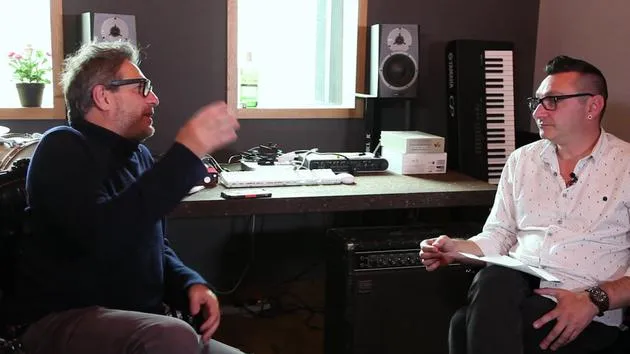
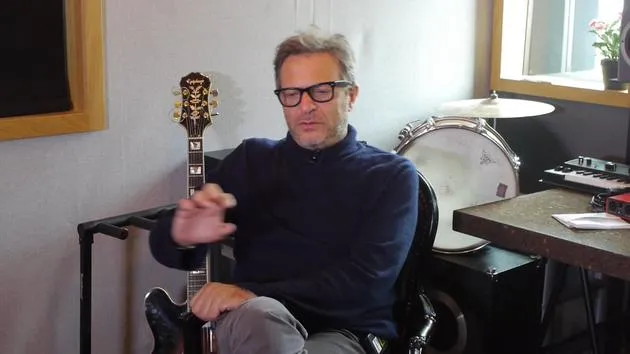
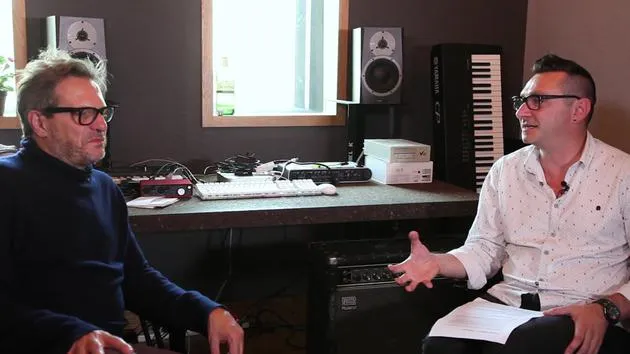
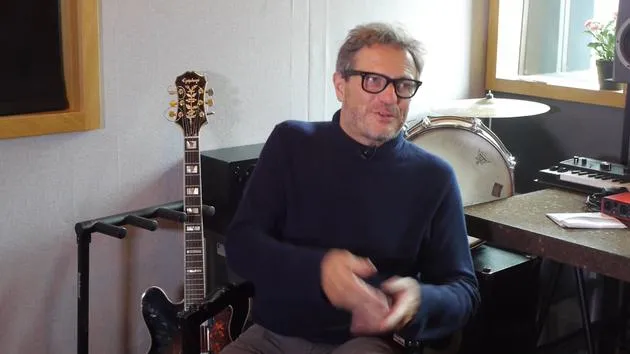
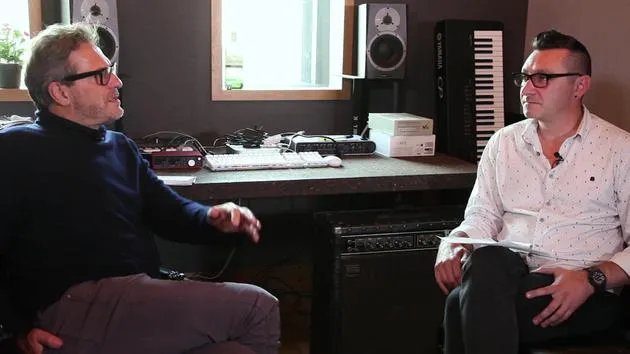
Transkript der Lektion
Music Industry Dynamics: From Products to Services
You were talking about how the system and the process of the industry is changing and how the record industry is now looking at things much later because of this diversification.
Evolution of the Industry
Do you think that the Internet has created a system where, when you were rocking big hits, it was very much a product industry, but now it's a service sector?
- Now we're part of a service sector: the supply chain service.
- But the product is still essential. You still need a hit, don't you?
Of course! You still need to present yourself to make yourself interesting, and you need a hit.
Singles vs. Albums
In many ways, for people out there, if there are loads of singles oriented, it's not album-oriented. This is fine for having a hit. But people don't have patience anymore because society has changed.
- Patience: Do you see that some of these young people focusing on the Internet side lose track of the fact that at the core, you still need to go back to the basics?
Yes, very much so. It's about feeding the conveyor belt. The conveyor belt is more important than the product that is on it.
Aspirations and Distribution
I want to be Pink Floyd or Roger Waters or Katy Perry.
- Different Paths: These are very different things.
- Every big entrepreneur, like Giorgio Armani, will never go through the same chain of distribution that is used by Primark.
- The chain of distribution by Armani defines the product itself. In our subconscious, our money is worth more than Primark in terms of quality.
Tidal Music and the Distribution Chain
Do you think that's what Tidal Music is trying to do with their offerings?
I tried, but you know, I'm not getting into that because I'm old. Obviously, I still remain a product guy.
- Advice for Artists: The best thing I can do today is to guide artists, students, or songwriters on how to make their product interesting so that the distribution chain can take care of the rest.
The Mainstream Dilemma
If the question is, is there space for another Jim Morrison or another Iggy Pop or Roger Waters or Bowie? I doubt it.
- Cultural Shift: I think there has been a sort of dictatorship of the nerd that has relegated these artists to dark places.
- They're not mainstream, and it seems they can't achieve mainstream success anymore.
The Legacy of Jim Morrison
Jim Morrison is another excellent example of a guy who wanted to say something and have success as well because he was a poet and wrote interesting things.
- Hit Songs: What do you do with "Light My Fire"?
- It's a single song that doesn't require huge depth in lyrics or music.
- It's a hit because it's very simple, a lullaby, a novelty hit.
Now, we wouldn't think of The Doors as The Doors today if their albums had a succession of seven "Light My Fires."
- Cultural Context: You were buying "Light My Fire," which led you into a march towards darker themes like "The End" and "Crystal Ship."
The Shift to Singles-Dominance
Today, that's not possible because it's no longer an album culture; it's singles-driven, song-driven.
Transitioning to Success
Let's move into this next section. I'd like to remember this discussion is about success, how to make a living and be very successful.
- Not Just Artistry: It's not just about being a real artist.
Artistic Realities
We talked about something else earlier, the reality of pop success.
- The greatest writer of the 20th century, Louis Ferdinand Celine, did not make a living from writing; he made a living as a doctor.
- Franz Kafka wasn't a writer by profession either; he worked as an insurance clerk during the day and wrote at night.
The Outsider Perspective
Being an outsider in the arts means you often have to find a job to support yourself.
-
Reality Check: Unfortunately, that's the sad reality. My days consist of figuring out how to make a living out of what I do and what compromises I must make.
-
Graft and Success: Success is found in the graft, in the work you put in.
Very good!
16 Lektionen
2 Std. 16 Min. strukturierte Videolektionen
Erweiterte Videofunktionen
Verlangsamen, Passagen loopen, mitlesen
Handy, Tablet & Desktop
Üben, wo du willst
100 % Zufriedenheitsgarantie
30 Tage Geld-zurück-Garantie
Lern deinen Guru kennen
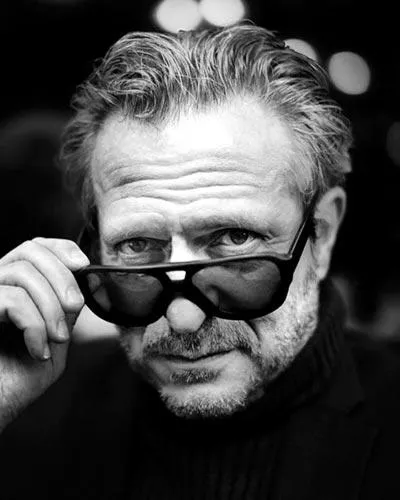
Lern deinen Guru kennen
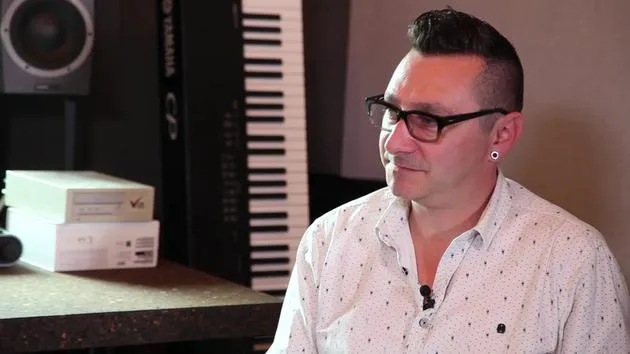
Charlie begann seine Karriere in der Musikindustrie als frisch gebackener Anwalt und veranstaltete Konzerte, indem er Künstler wie Iggy Pop und Patti Smith vor ein radikales italienisches Universitätspublikum brachte.
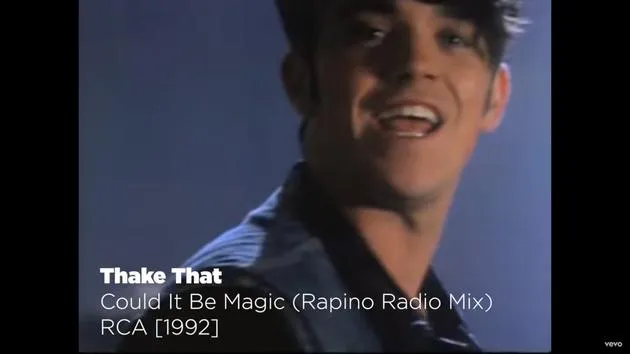
Nach seiner Arbeit im legendären Record Plant NYC und dem Eintauchen in die House-Szene gründete er mit Marco Sabiu die Rapino Brothers, zog 1990 nach London und blickte nie zurück. Dort eroberten sie das Jahrzehnt im Sturm, produzierten und nahmen Platten auf. Nach ihrem ersten Hit mit Kym Mazelles Love Me The Right Way steckten sie hinter Take Thats erstem Hit und produzierten, mischten und feilten in den 1990er-Jahren an zahlreichen großen Pop-Acts, von Kylie bis Primal Scream.
1997 war Charlie der „On-Air“-Produzent von „Get Your Act Together“ der BBC, gefolgt von „Full Frontal“ auf Channel 4. Von 1999 bis 2004 war er A&R Director bei Sony Music International.
Seine Energie lässt nie nach. Über die Jahre hat er seine Zeit aufgeteilt zwischen Management-Beratung für Ennio Morricone, Beratung für das Magazin Rolling Stone, Arbeit an Soundtracks und Produktionsberatung für Filme und Spiele (darunter Iggy Pop dafür zu gewinnen, die Voice-overs für das Videospiel Driver 3 zu übernehmen) sowie dem Verpflichten und Managen von Acts über sein Joint-Venture-Label mit Sony, Stud Records.
In Get signed! zieht Charlie den Vorhang zurück auf jahrzehntelange Erfahrung in Produktion und A&R, um dir genau zu zeigen, worauf Labels hören, wie du deinen Act formst und präsentierst und was wirklich nötig ist, um aufzufallen und einen Vertrag zu bekommen.







