



Virgin Records in den 80ern
Lesson time: (4min 40sec)
Charlie Rapino blickt auf seine Zeit bei Virgin Records im Mailand der 80er zurück, die boomende CD-Ära und die New-Romantic-Szene und wie er den Weg in die Plattenproduktion fand.
Course preview
This lesson is part of the course Werde unter Vertrag genommen!
Watch a preview of the full course below.
Lesson transcript:
An Insight into the 80s Music Scene: Milan and Virgin Records
Charlie: Okay, so let's take it back to Milan. Hanging out and doing stuff with Virgin. Yeah, tell us what were you doing there and what was that environment like?
Speaker: It was the good old days of... It was the 80s. We didn't come out alive from the 80s, but very rich because the record industry, in general, the international record industry, was booming. Exploding.
- First CD Release: What was it? 1981, 82 or something?
- Charlie: I think 1984.
- Speaker: Exactly, right. I'm not sure, but I'm still into vinyl today.
The Rise of CD:
- The CD was the thing, right?
- Speaker: The CD was the thing, yeah.
The Excitement of the Era: Especially from England, there was an explosion of acts during those very, very exciting times. Bands like Duran Duran emerged, and it was the New Romantic movement, which was very inspired by Bowie.
Milan made a lot of sense because fashion was there. Fashion and rock and roll, or music, were married at that point. They were joined at the hip.
- Insight: It made complete sense to see how shabby bands like The Rolling Stones were during the 80s. They started being, especially Mick Jagger, extremely elegant and sharp.
What Were You Doing in Milan? So, what were you doing in Milan?
- Speaker: Mainly, I was producing some records for Virgin. I just happened to find myself in the role of learning how to be a producer by chance. A guy called Doderso, who used to run this Stone Castle, really helped me out.
Residential Studio:
- Speaker: Stone Castle was the residential studio.
Because he could see that I was very interested in how a record sounded. My hero was obviously Phil Spector; one of the earliest records I heard as a kid was "Believe At Deep Mountain High," which had an outstanding sound reverb.
The Importance of Sound: I think what made the difference in modern recorded music was not really the composition, but the sound.
- Key Takeaway: It was how it was dressed, how it was photographed. You strip away the wall of sound from that song, and you don't have very much. You have a great voice, but you put the production on.
Phil Spector's Innovation: And the fact that this man (Phil Spector) comes out with this idea... Mind you, that record is mono on top, so stereo. It's a complete trip, I would say, an endless orgasm of a record.
- Yet again, how he could understand technology... If you listen to those records on a transistor radio at the time, it was the big thing.
Transistor Radio: The transistor radio is like the smartphone of today. It sounds unbelievable. It sounds loud on a transistor radio.
- Speaker: A great achievement.
- Insight: Yeah, it's a great achievement.
I think it was a talented man who could understand how to reach consumers or society.
- Speaker: You gotta understand what they use: oh, transistor radio. Okay, let's make it sound good on a transistor radio.
The Road to Success: And they understood the channel that it was going to be heard on.
- Speaker: Understanding that is the road to success. It's always about understanding what people are using to listen to your music or whatever you do. TV, it is always like that.
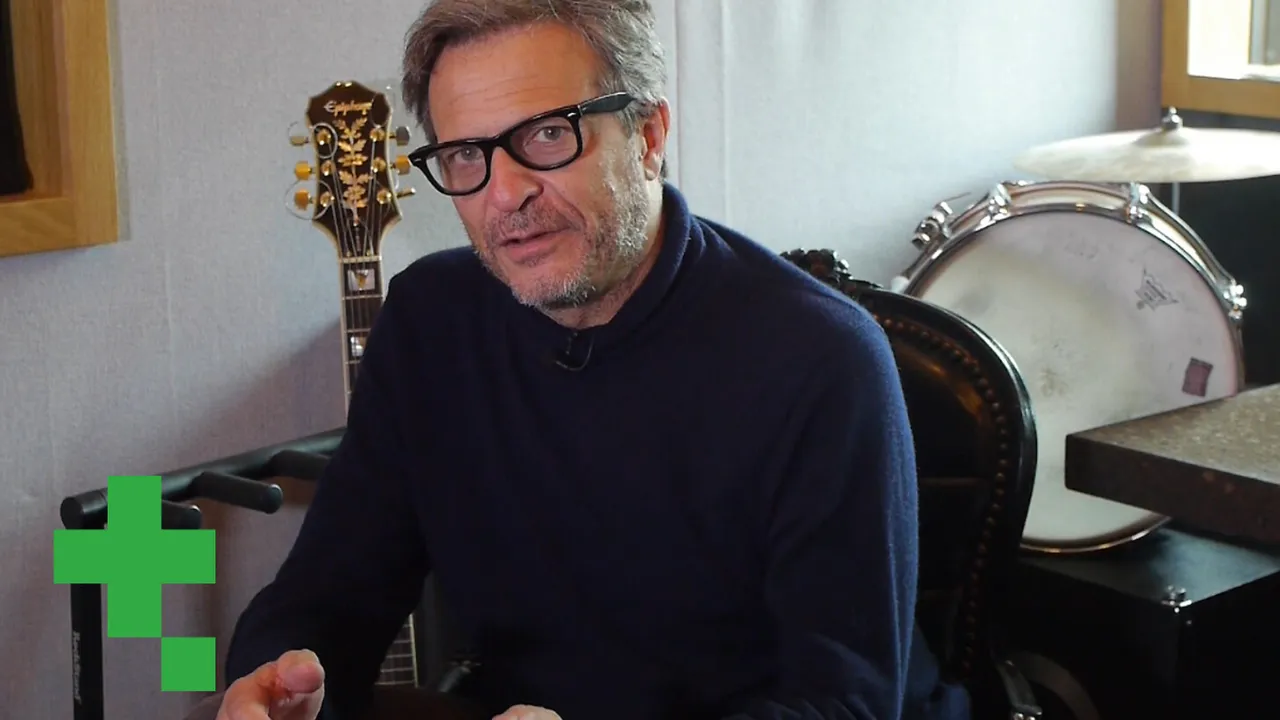
About the instructor
Charlie begann seine Karriere in der Musikindustrie als frisch gebackener Anwalt und veranstaltete Konzerte, indem er Künstler wie Iggy Pop und Patti Smith vor ein radikales italienisches Universitätspublikum brachte. Nach seiner Arbeit im legendären Record Plant NYC und dem Eintauchen in die House-Szene gründete er mit Marco Sabiu die Rapino Brothers, zog 1990 nach London und blickte nie zurück. Dort eroberten sie das Jahrzehnt im Sturm, produzierten und nahmen Platten auf. Nach ihrem ersten Hit mit Kym Mazelles Love Me The Right Way steckten sie hinter Take Thats erstem Hit und produzierten, mischten und feilten in den 1990er-Jahren an zahlreichen großen Pop-Acts, von Kylie bis Primal Scream. 1997 war Charlie der „On-Air“-Produzent von „Get Your Act Together“ der BBC, gefolgt von „Full Frontal“ auf Channel 4. Von 1999 bis 2004 war er A&R Director bei Sony Music International. Seine Energie lässt nie nach. Über die Jahre hat er seine Zeit aufgeteilt zwischen Management-Beratung für Ennio Morricone, Beratung für das Magazin Rolling Stone, Arbeit an Soundtracks und Produktionsberatung für Filme und Spiele (darunter Iggy Pop dafür zu gewinnen, die Voice-overs für das Videospiel Driver 3 zu übernehmen) sowie dem Verpflichten und Managen von Acts über sein Joint-Venture-Label mit Sony, Stud Records. In Get signed! zieht Charlie den Vorhang zurück auf jahrzehntelange Erfahrung in Produktion und A&R, um dir genau zu zeigen, worauf Labels hören, wie du deinen Act formst und präsentierst und was wirklich nötig ist, um aufzufallen und einen Vertrag zu bekommen. read more