



Mandolinentypen und ihre Bestandteile
Mit
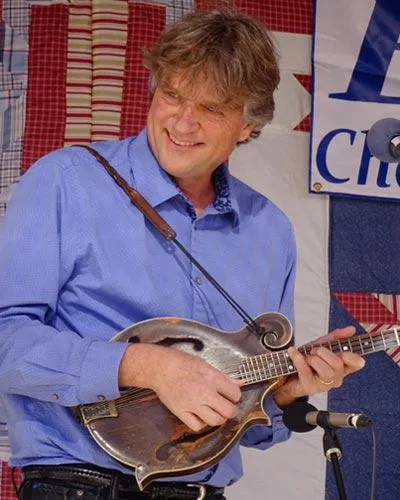
Tom BekenyTom Bekeny geht die Bestandteile der Mandoline durch, von der Kopfplatte bis zum Saitenhalter, und erklärt die verschiedenen Bauformen, denen du begegnest, darunter die F-Style- und Teardrop-Formen.
Das steckt im Kurs
20 Lektionen (1h 18m) · 1 gratis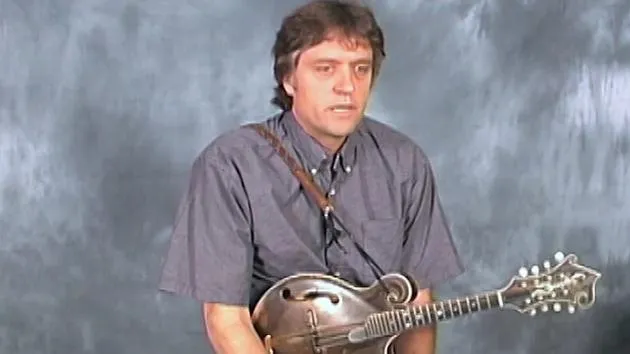
Transkript der Lektion
Introduction to the Mandolin
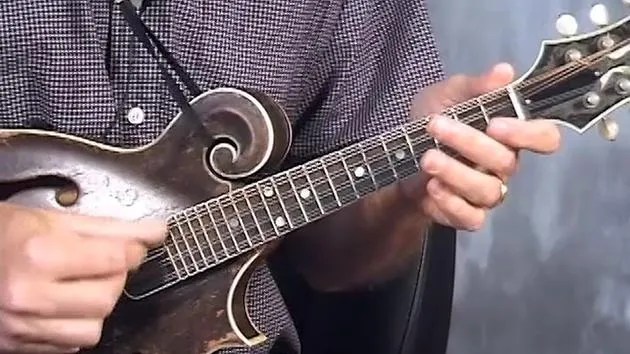
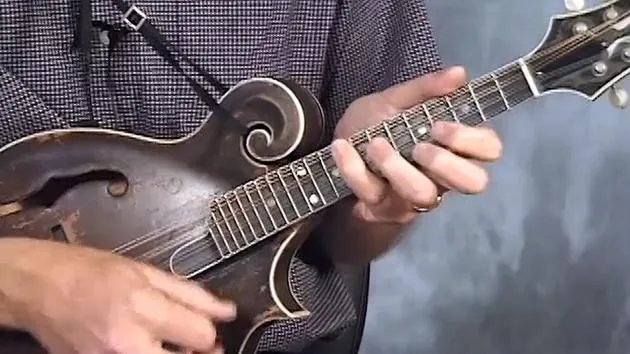
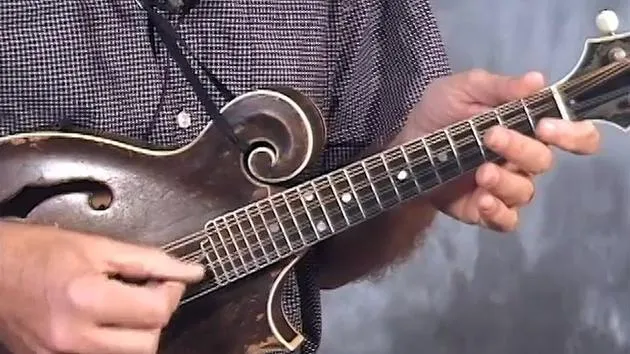
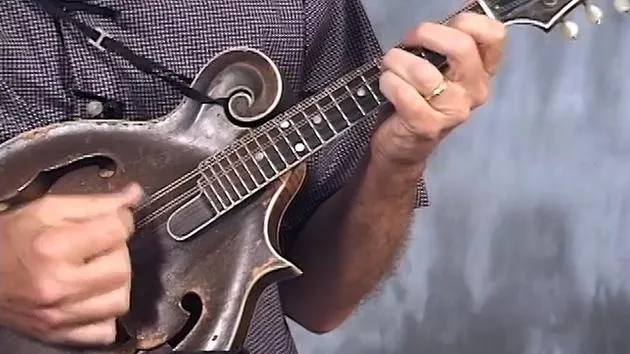
Let me just get in some basics about the instrument that you're learning how to play. Here are the various parts of the mandolin:
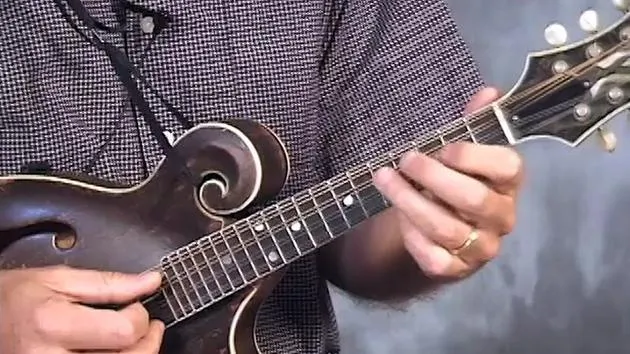
- Headstock: This is the top part of the mandolin.
- Tuning Pegs: These are used to tune the instrument.
- Truss Rod Cover: The little black plate located here.
- Truss Rod: A metal rod that goes inside the neck to keep it straight; it can actually be adjusted if you take that plate off.
Key Components
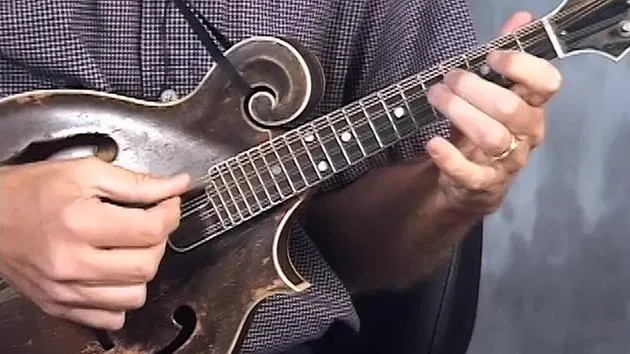
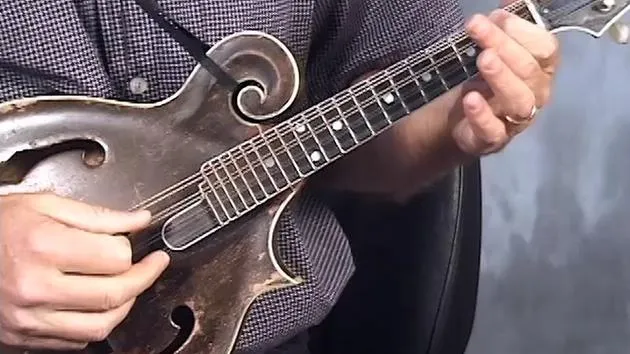
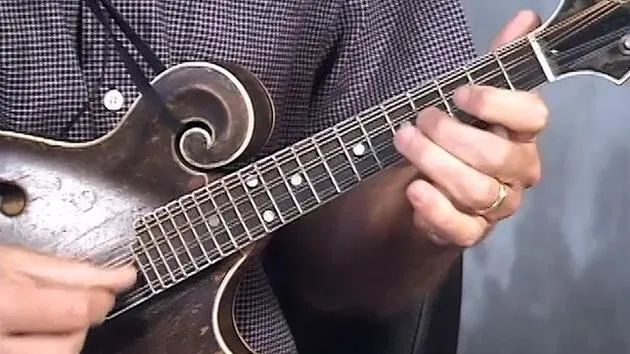
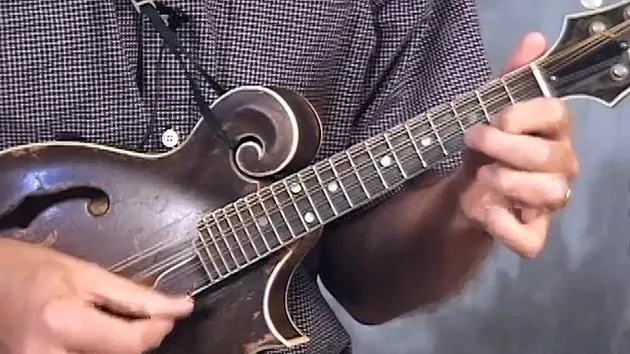
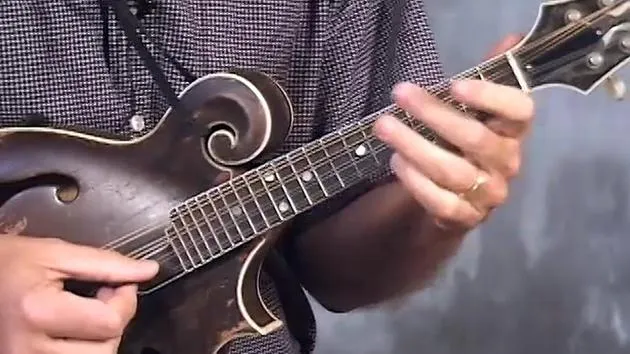
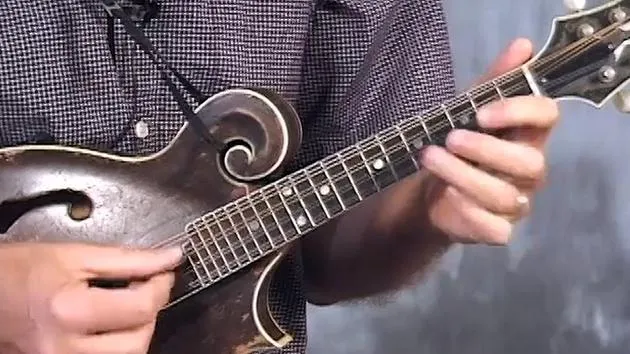
- Fingerboard: This is on top of the neck.
- Position Markers: These little dots are used to indicate fret positions.
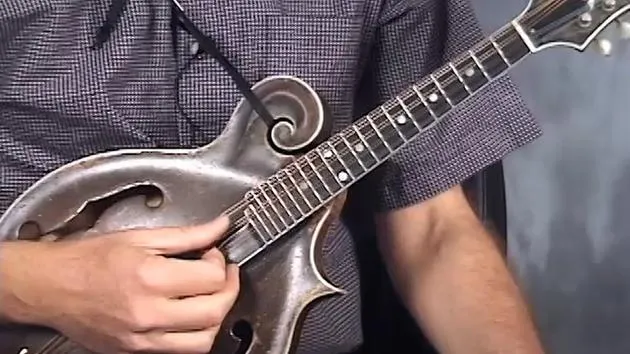
- Frets: The metal parts going across this style of mandolin.
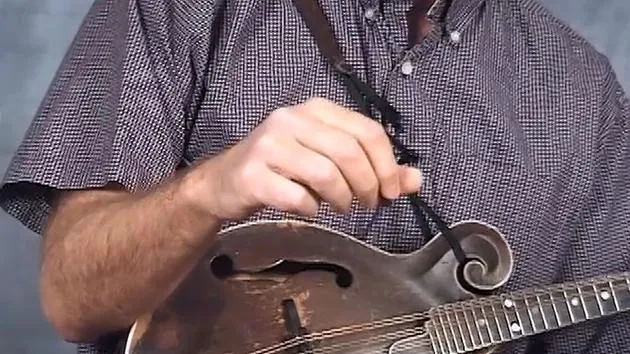
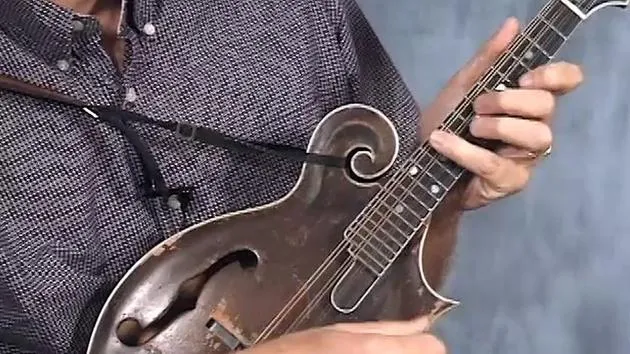
- Scroll Point: Another characteristic feature.
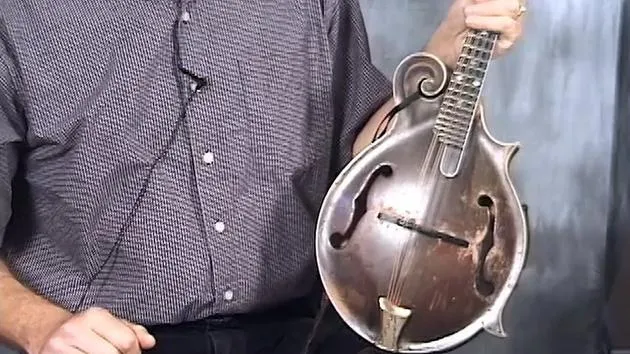
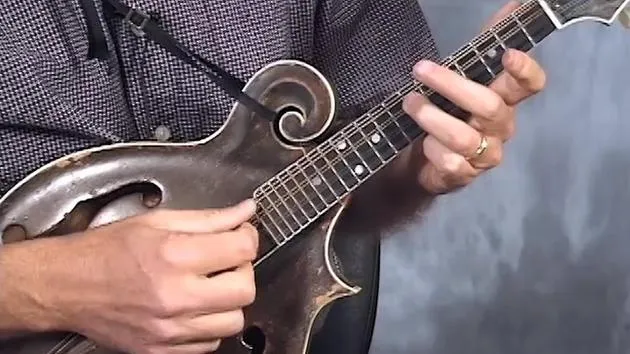
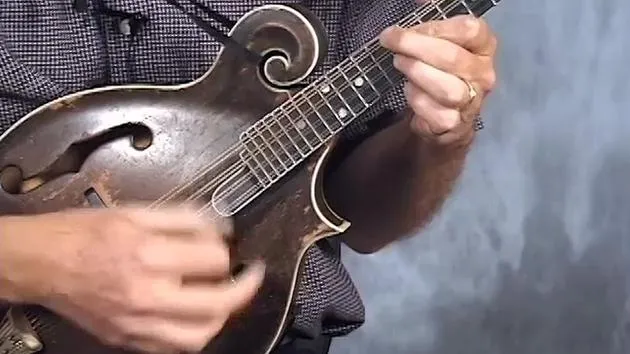
- F Holes: These are the sound holes on the body.
- Bridge Strings: This component holds the strings in place.
- Tail Piece: The part where the string ends attach.
Types of Mandolins
There are various different kinds of mandolins. A lot of times, people see me playing this and say, "Well, what's that instrument?" And I say, "It's a mandolin." They go, "Really? I thought a mandolin kind of had a round bulging shape."
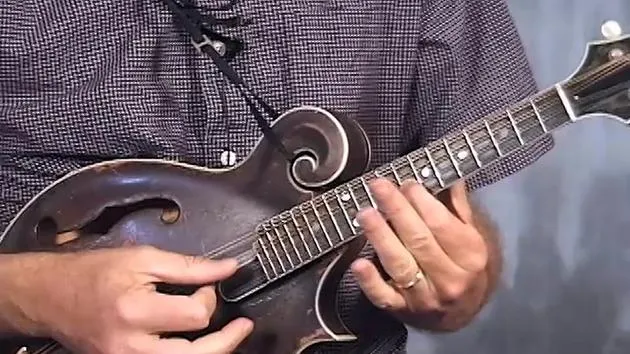
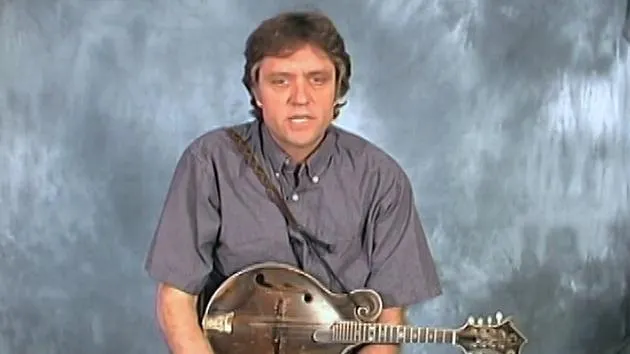
This brings me to the F Style Mandolin:
- Developed here in the United States by a man named Lloyd Lohr, who worked for Gibson in the early 20s.
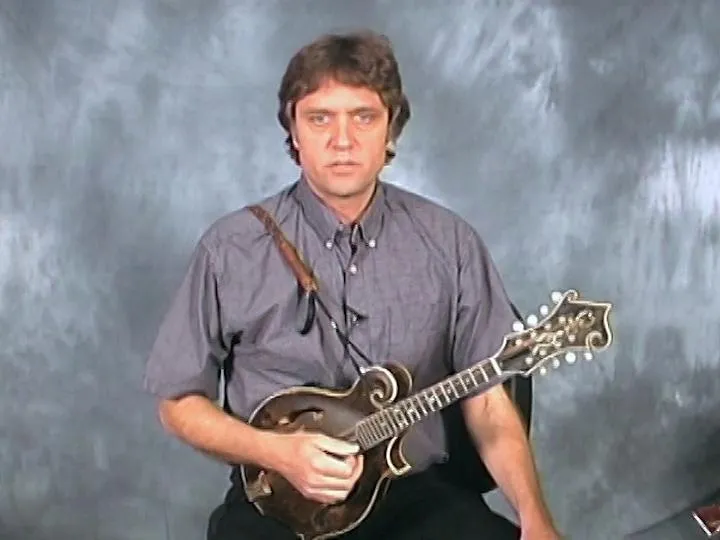
- This style, known as the F Style, is what I'm playing today.
This mandolin here is not made by Gibson but is based on the Gibson F5 Style Mandolin and happens to be made by Stan Miller.
Additionally, there are other styles of mandolins, such as:
- Teardrop Shape: This one happens to be made by Ibanez.
- Volume Knobs and Pickups: These are for playing amplified music. In traditional bluegrass, you wouldn't have that on there; you would just play through a microphone with a teardrop-shaped mandolin.
Gibson made a lot of these, often referred to as A Styles:
- Some have a round hole in the middle, while others, like this one, have F holes.
Today, there are countless makers designing all kinds of interesting shapes and designs for mandolins. It's a fascinating time to explore what mandolin luthiers are creating these days!
20 Lektionen
1 Std. 18 Min. strukturierte Videolektionen
Erweiterte Videofunktionen
Verlangsamen, Passagen loopen, mitlesen
Handy, Tablet & Desktop
Üben, wo du willst
100 % Zufriedenheitsgarantie
30 Tage Geld-zurück-Garantie
Lern deinen Guru kennen
Lern deinen Guru kennen
Tom Bekeny ist Mandolinist, Fiddler und erfahrener Mandolinenlehrer, der seit über 40 Jahren in den USA und im Ausland aufgetreten ist und unterrichtet hat - wenn er also aufschlüsselt, wie man spielt, lernst du von jemandem, der ein ganzes Leben sowohl auf der Bühne als auch im Unterrichtsraum verbracht hat.
Er war Mandolinist in Bands der San Francisco Bay Area wie Done Gone, Tenbrooks und einer frühen Version der Grant Street String Band mit Laurie Lewis. Er trat mit Peter Rowan, den Rowan Brothers, David Grisman, George Cole, der Sängerin Lua Hadar und Jerry Garcia auf. Tom spielte fast 20 Jahre lang Mandoline in der hochgelobten Kathy Kallick Band und hat seit 1988 den Fiddle-Platz in High Country inne, Kaliforniens führender traditioneller Bluegrass-Band. Er hat mit vielen dieser Gruppen aufgenommen und wurde in der Sommerausgabe 2009 des Mandolin Magazine vorgestellt.
Tom spielt außerdem in der überaus beliebten traditionellen Bluegrass-"Jam"-Band Bangers and Grass, an der Seite von Bluegrass-Größen der Westküste wie Jim Nunally, Steve Pottier, Bill Evans und Chad Manning.
Über den Bluegrass hinaus spielt Tom Jazz-Mandoline mit seinem Trio The Missing Man Quartet (MM4), das geradlinigen Jazz mit originellen Arrangements spielt, die ihr Material aus der Welt des Jazz und den Standards des Great American Songbook schöpfen. 2013 veröffentlichte er ein Solo-CD-Projekt ("Jazzolin"), auf dem er Mandoline und Fiddle spielt, begleitet von Schlagzeug und Bass.







