



Anschlagsmuster
Mit
Tom Bekeny
Das steckt im Kurs
20 Lektionen (1h 18m) · 1 gratis
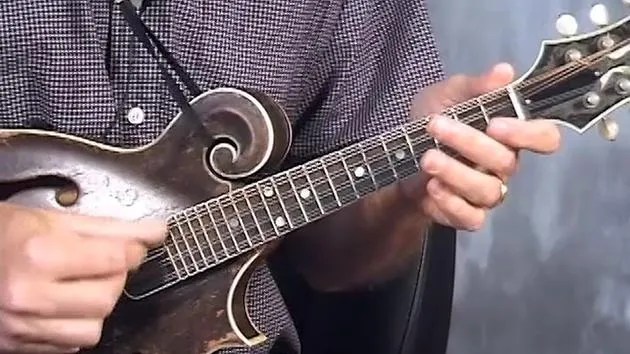
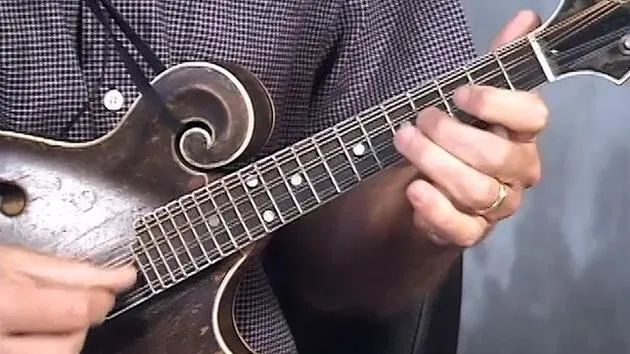
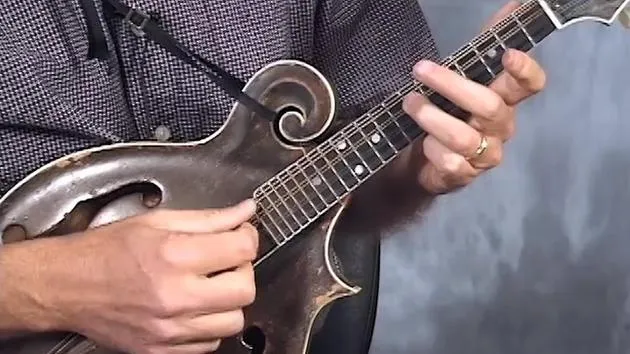
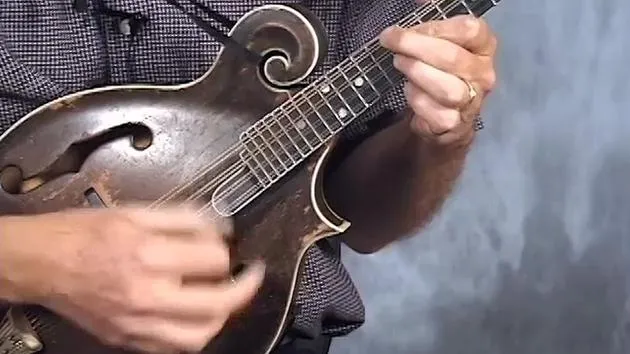
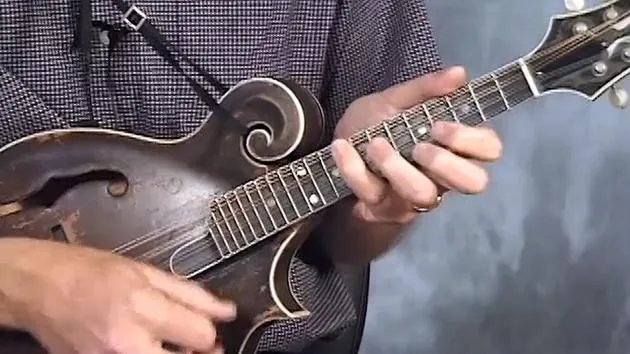
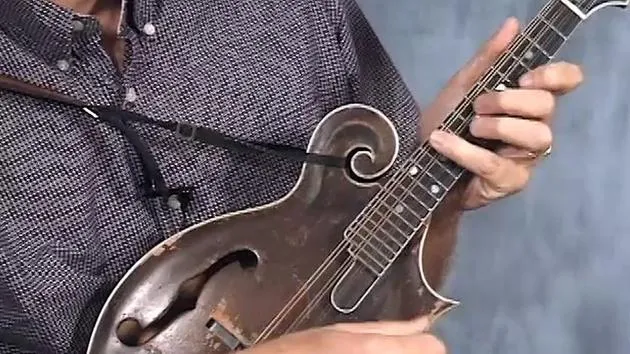
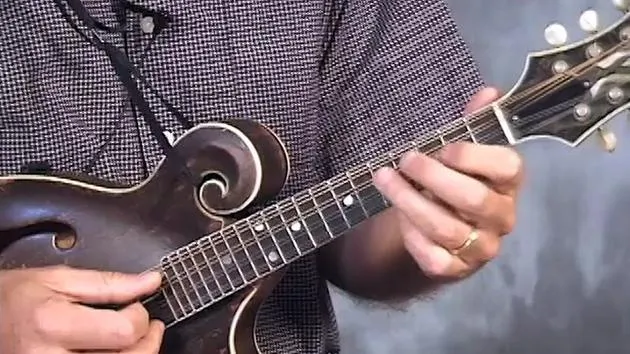
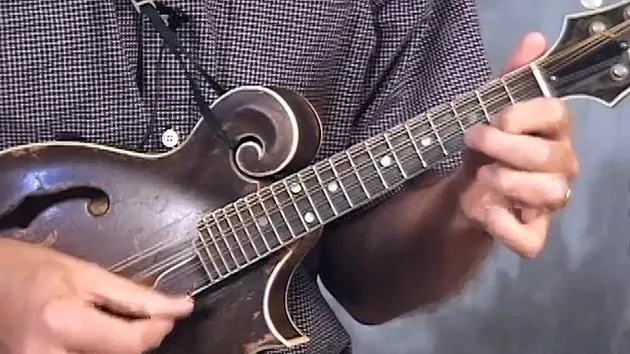
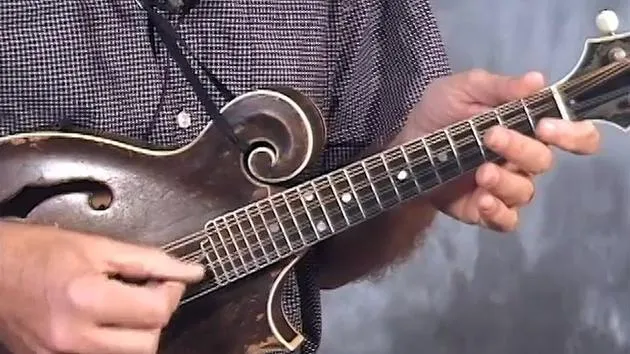
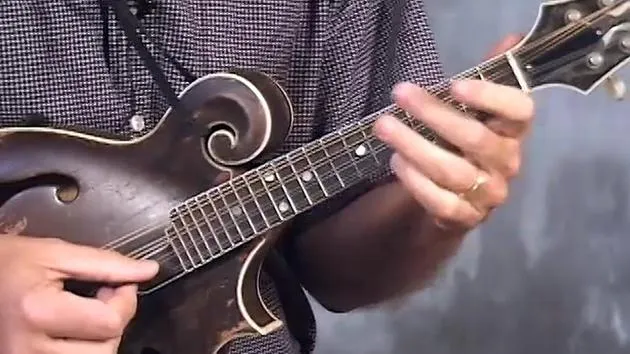
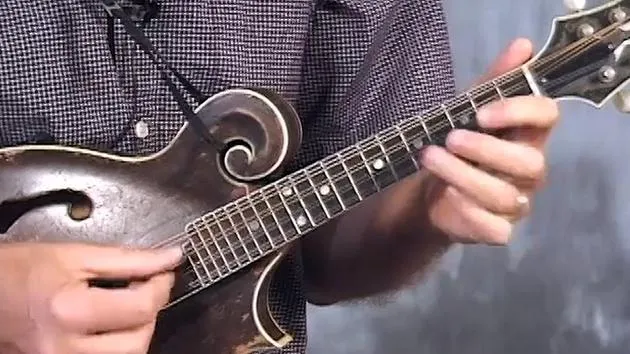
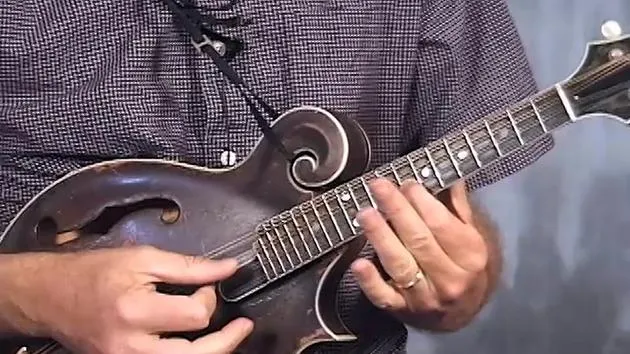
Transkript der Lektion
Music Lesson: Understanding Pick Alternation and Syncopation
Okay, I was just talking to you about the alternation of your pick. When you're playing an even flow of notes of even rhythmic value, like fast 8th or 16th notes, you alternate:
- Down, up, down, up, down, up
Always starting on the downstroke.
Syncopation in Music
However, when the music is syncopated, you don't adhere to that strict pattern. Without getting too much into music theory, what remains the same is that you're using a downstroke on the strong part of the beat.
So, for example, with eighth notes:
- 1 and 2 and 3 and 4
I'll always be hitting a downstroke on the strong part of the beat. Even when something's syncopated, if we're in the strong part of the beat, we're going to be hitting down.
I won't get more into that. I think you'll be able to sort of get the feel for this by just doing it and hearing it.
Syncopated Patterns
There are a couple of syncopated patterns I want to show you, and then we'll apply them to a basic fiddle tune or traditional instrumental.
Pattern 1: Open A String
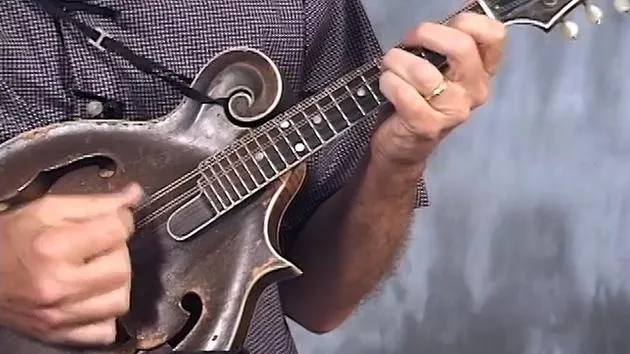
Here's one pattern, and again, we're departing from the strict down-up alternation. I'll just show you this on the open A string:
- Down, down, up
- Down, down, up
- Down, down, up
- Down, up, down
- Down, down, up
- Down, down, up
- Down, down, down
- Down, down
I can't say it as fast as I can play it, so I'll just play it without saying it.
Pattern Practice
Now, do it slower:
- Down, down, up, down, down, up
For those of you who've heard traditional fiddle music, old-timey fiddle, or bluegrass fiddle, that may sound familiar. A real common pattern from fiddle music is called a shuffle. If I had a fiddle here, I could show you, and it would probably sound more familiar to you.
Key Takeaway
The point is, we're not doing strict alternation of the pick. We're hitting two downstrokes in a row:
- Down, down, up, down, down, up, down, down, up
Now, you can reverse that pattern, and you have this sound. I'll call out the directions:
- Down, up, down, down, up, down, down, up, down, down, up, down
Sped up, it sounds like this...
20 Lektionen
1 Std. 18 Min. strukturierte Videolektionen
Erweiterte Videofunktionen
Verlangsamen, Passagen loopen, mitlesen
Handy, Tablet & Desktop
Üben, wo du willst
100 % Zufriedenheitsgarantie
30 Tage Geld-zurück-Garantie
Lern deinen Guru kennen
Lern deinen Guru kennen
Tom Bekeny ist Mandolinist, Fiddler und erfahrener Mandolinenlehrer, der seit über 40 Jahren in den USA und im Ausland aufgetreten ist und unterrichtet hat - wenn er also aufschlüsselt, wie man spielt, lernst du von jemandem, der ein ganzes Leben sowohl auf der Bühne als auch im Unterrichtsraum verbracht hat.
Er war Mandolinist in Bands der San Francisco Bay Area wie Done Gone, Tenbrooks und einer frühen Version der Grant Street String Band mit Laurie Lewis. Er trat mit Peter Rowan, den Rowan Brothers, David Grisman, George Cole, der Sängerin Lua Hadar und Jerry Garcia auf. Tom spielte fast 20 Jahre lang Mandoline in der hochgelobten Kathy Kallick Band und hat seit 1988 den Fiddle-Platz in High Country inne, Kaliforniens führender traditioneller Bluegrass-Band. Er hat mit vielen dieser Gruppen aufgenommen und wurde in der Sommerausgabe 2009 des Mandolin Magazine vorgestellt.
Tom spielt außerdem in der überaus beliebten traditionellen Bluegrass-"Jam"-Band Bangers and Grass, an der Seite von Bluegrass-Größen der Westküste wie Jim Nunally, Steve Pottier, Bill Evans und Chad Manning.
Über den Bluegrass hinaus spielt Tom Jazz-Mandoline mit seinem Trio The Missing Man Quartet (MM4), das geradlinigen Jazz mit originellen Arrangements spielt, die ihr Material aus der Welt des Jazz und den Standards des Great American Songbook schöpfen. 2013 veröffentlichte er ein Solo-CD-Projekt ("Jazzolin"), auf dem er Mandoline und Fiddle spielt, begleitet von Schlagzeug und Bass.







