



On and On
Mit
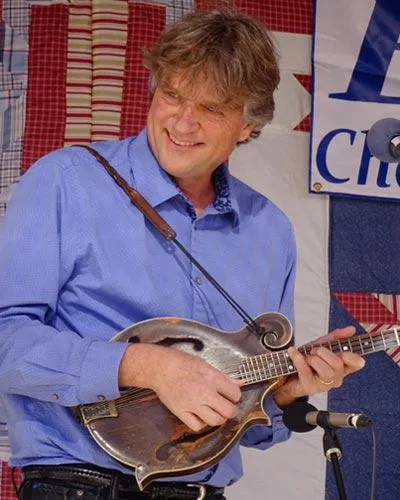
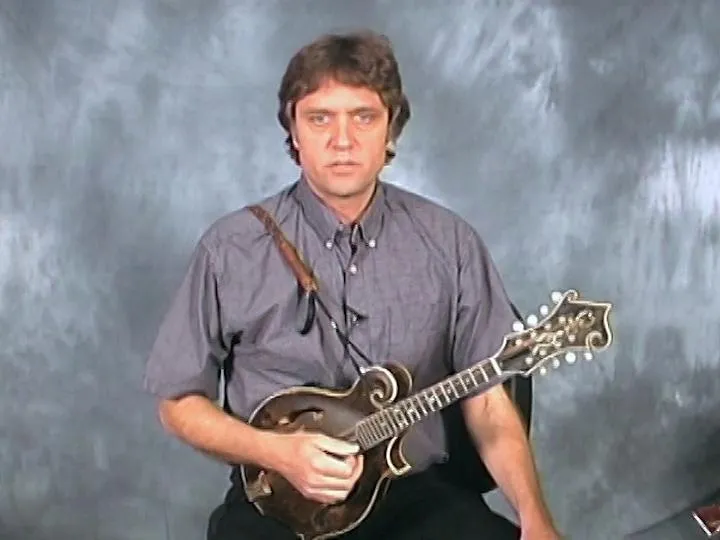
Tom BekenyTom Bekeny unterrichtet "On and On", den Bluegrass-Standard von Bill Monroe, und zeigt, wie du aus der nackten Melodie mit Bluegrass-Phrasierung und Vorwärtsdrang etwas Idiomatisches machst.
Das steckt im Kurs
20 Lektionen (1h 18m) · 1 gratis
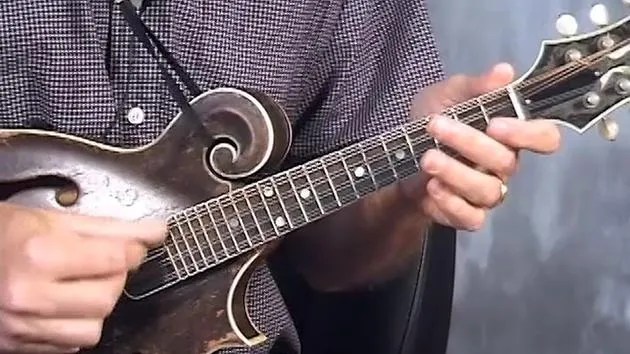
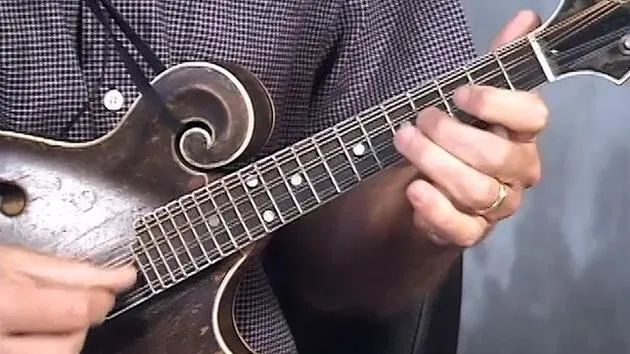
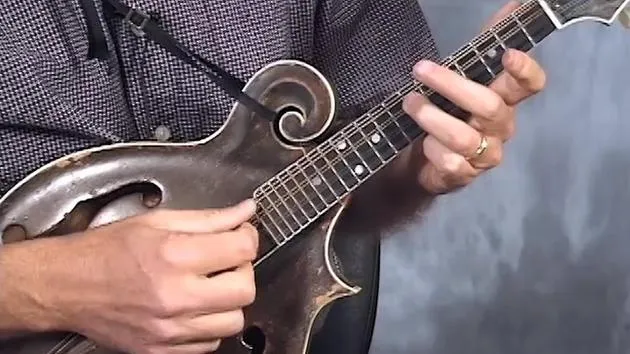
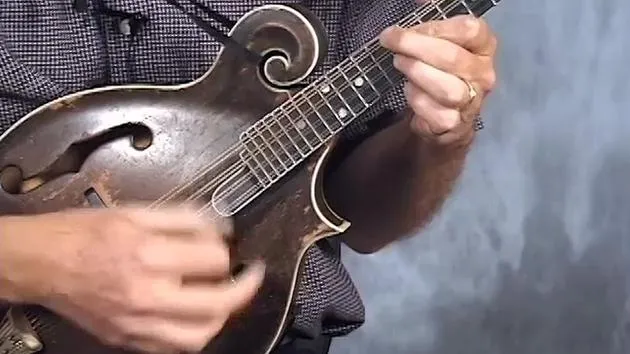
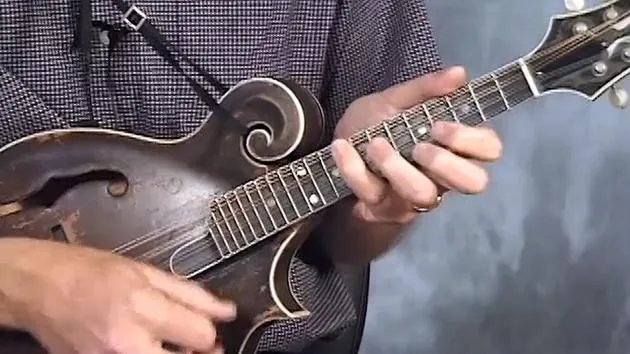
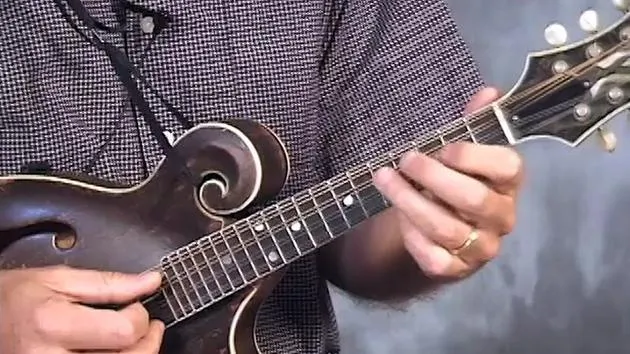
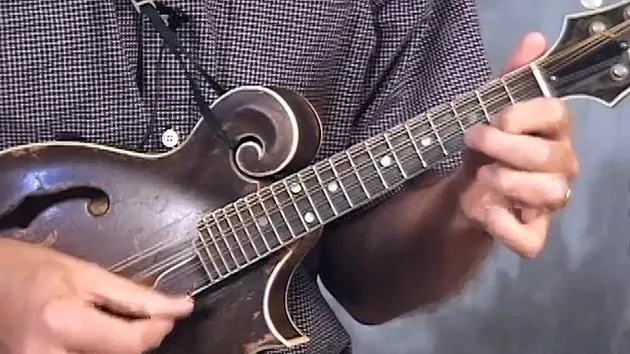
Transkript der Lektion
Understanding Bluegrass Standards: A Lesson on Bill Monroe's "On and On"
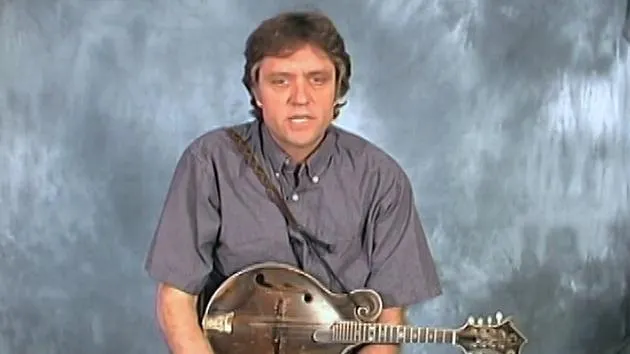
I want to show you a bluegrass standard. It's a song with words, written by Bill Monroe, who is credited with originating this music over 60 years ago. The music was actually named after his band, the Bluegrass Boys.
Introduction to the Song
- Bill Monroe and the Bluegrass Boys created this song.
- First, I'm going to play just the basic melody for you.
Basic Melody
- (Play basic melody)
That doesn't sound very "bluegrass-ish" the way I just played that. That's just the bare-bones melody. The reason it doesn't sound idiomatic to bluegrass is that a lot of elements are missing.
Elements of Bluegrass Music
Let me explain what makes it sound more bluegrass, and then I'll play a version that adds those elements in.
1. Vocal Focus
Traditional bluegrass is very much oriented toward vocal music. The interpretations of the solos, or breaks as they are called in bluegrass, are fairly close to the melodies sung. In this song, there are a lot of held notes.
- For example, the first note the singer would sing is held: "on and on."
- That first note, the D note, is often held.
2. Rhythm and Forward Motion
If I play that held note on the mandolin, it doesn't really go anywhere. It doesn't translate onto the instrument the intensity that the vocalist is putting into it.
- To keep the music going forward, you add notes to propel the rhythm.
- Even if it's just back and forth on the same note, this helps maintain the momentum.
3. Slides
Another thing that makes a solo sound more traditional bluegrass is the use of slides into notes.
- For example, these are the pickup notes sliding into the first melody note.
- This adds a unique character, making it sound less square than the verse version I played earlier.
4. Blues Notes
When we talk about blues notes, let's consider the key we are in: G major.
- A common blues note in G is sliding from the flatted third (B flat) instead of playing the third note directly.
- You can also slide into the fifth. The fifth note of the scale is D, and by sliding from one fret below, you get a flatted fifth.
5. Use of Flatted Sevenths
Another element that contributes to the bluesy sound is the flatted seventh.
- If I count to the seventh note in a G major scale and then flat that note, it creates a distinctive flavor.
- Including notes like these makes it sound bluesier and more in the pocket.
6. Influences on Bill Monroe
Bill Monroe, the man who developed this music, was deeply steeped in old-time mountain music.
- This tradition was carried over from the Anglo and Celtic roots by immigrants.
- His influences included old time fiddle music, church music, and the blues.
Monroe's mandolin playing blends these traditions, showcasing a unique hybrid string music that truly evolved into bluegrass in the early 40s.
7. Double Stops
Another characteristic of bluegrass is the use of double stops, playing a note and a harmony note above or below it.
Demonstration
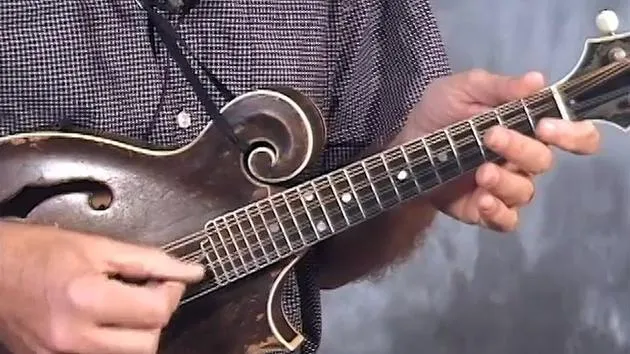
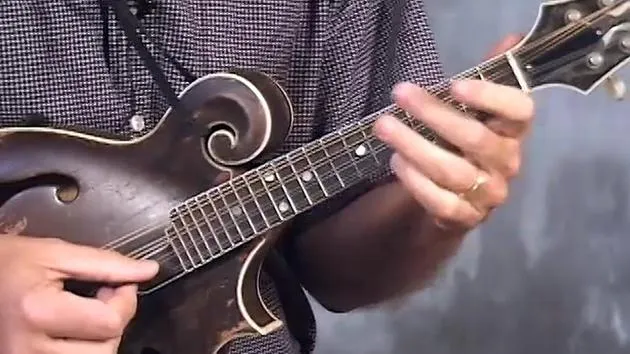
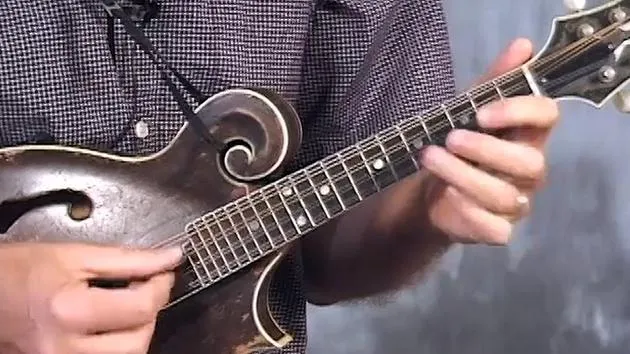
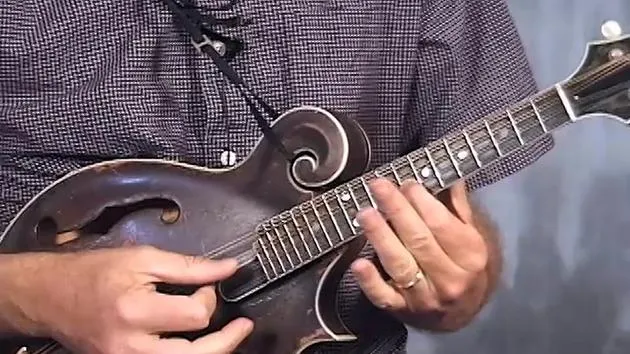
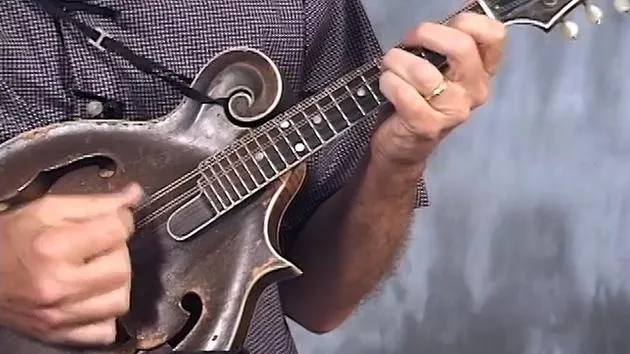
Now, let me play "On and On" for you, trying to incorporate some of these elements.
- (Play version incorporating elements)
That riff sounds slightly bluesier. The way I played it is going to be pretty close to the way I tabbed it out for you. You'll be able to grasp the essence of what I'm trying to convey by listening to this and checking out the tablature.
20 Lektionen
1 Std. 18 Min. strukturierte Videolektionen
Erweiterte Videofunktionen
Verlangsamen, Passagen loopen, mitlesen
Handy, Tablet & Desktop
Üben, wo du willst
100 % Zufriedenheitsgarantie
30 Tage Geld-zurück-Garantie
Lern deinen Guru kennen
Lern deinen Guru kennen
Tom Bekeny ist Mandolinist, Fiddler und erfahrener Mandolinenlehrer, der seit über 40 Jahren in den USA und im Ausland aufgetreten ist und unterrichtet hat - wenn er also aufschlüsselt, wie man spielt, lernst du von jemandem, der ein ganzes Leben sowohl auf der Bühne als auch im Unterrichtsraum verbracht hat.
Er war Mandolinist in Bands der San Francisco Bay Area wie Done Gone, Tenbrooks und einer frühen Version der Grant Street String Band mit Laurie Lewis. Er trat mit Peter Rowan, den Rowan Brothers, David Grisman, George Cole, der Sängerin Lua Hadar und Jerry Garcia auf. Tom spielte fast 20 Jahre lang Mandoline in der hochgelobten Kathy Kallick Band und hat seit 1988 den Fiddle-Platz in High Country inne, Kaliforniens führender traditioneller Bluegrass-Band. Er hat mit vielen dieser Gruppen aufgenommen und wurde in der Sommerausgabe 2009 des Mandolin Magazine vorgestellt.
Tom spielt außerdem in der überaus beliebten traditionellen Bluegrass-"Jam"-Band Bangers and Grass, an der Seite von Bluegrass-Größen der Westküste wie Jim Nunally, Steve Pottier, Bill Evans und Chad Manning.
Über den Bluegrass hinaus spielt Tom Jazz-Mandoline mit seinem Trio The Missing Man Quartet (MM4), das geradlinigen Jazz mit originellen Arrangements spielt, die ihr Material aus der Welt des Jazz und den Standards des Great American Songbook schöpfen. 2013 veröffentlichte er ein Solo-CD-Projekt ("Jazzolin"), auf dem er Mandoline und Fiddle spielt, begleitet von Schlagzeug und Bass.







