



Rudiment #3 - Paradiddles
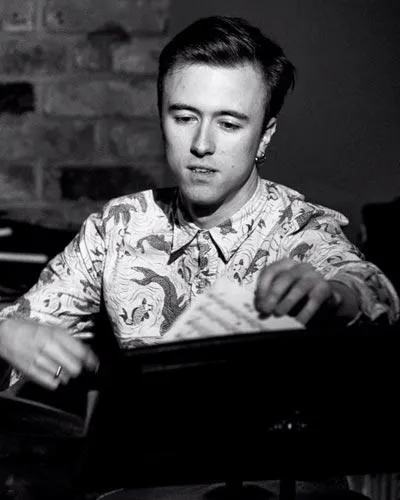
With
Harry Pope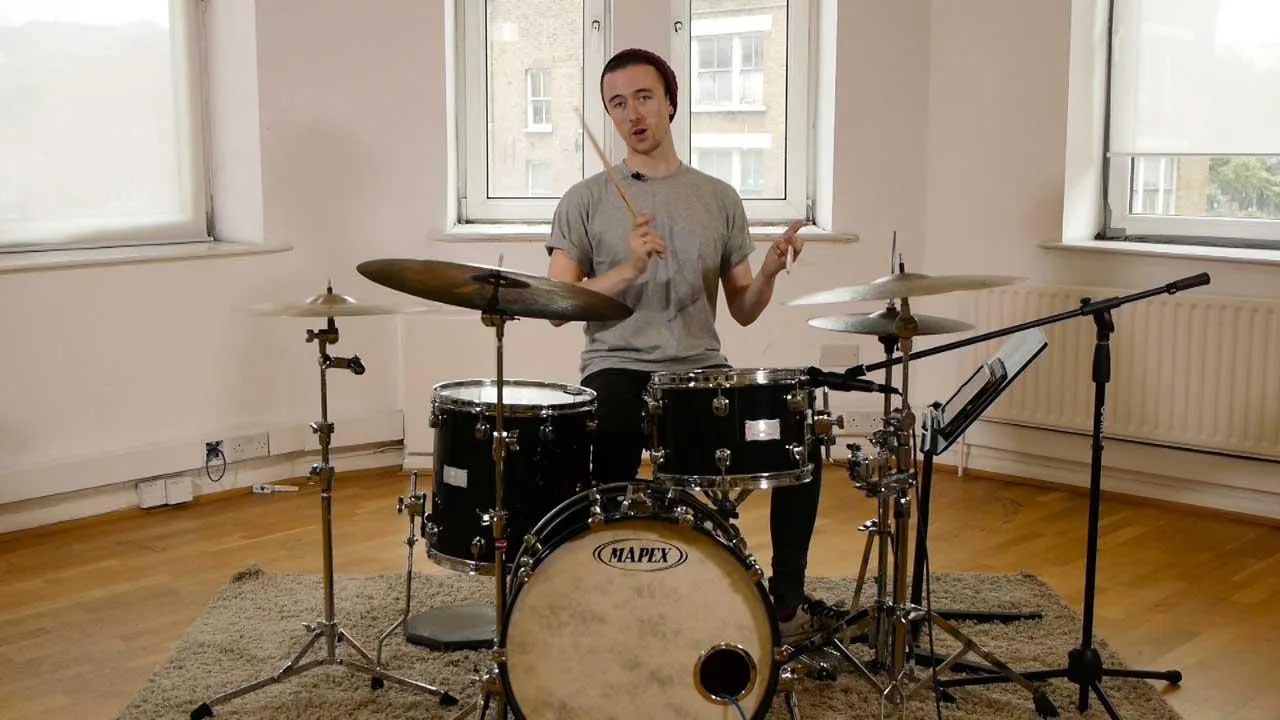
What's in the course
15 lessons (1h 43m) · 3 free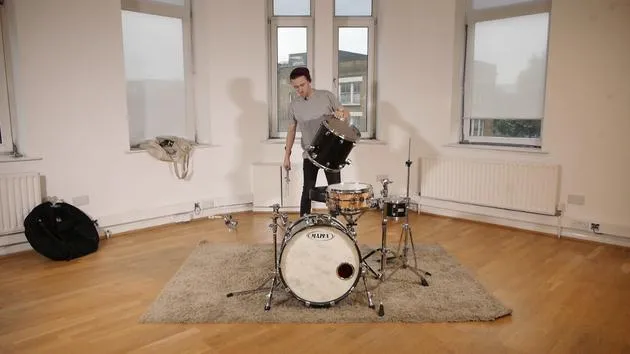
01. BONUS: Setting up the drum kit
Free lesson2:36
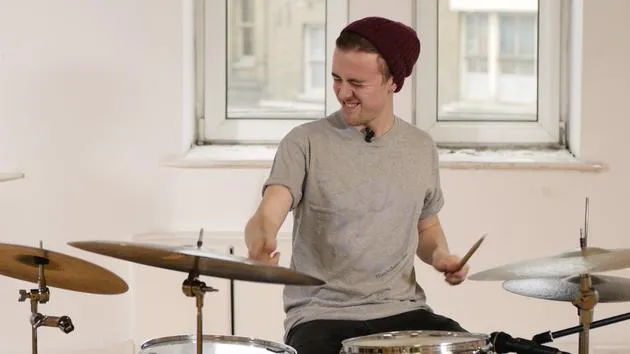
02. Meet Harry
Free lesson2:01
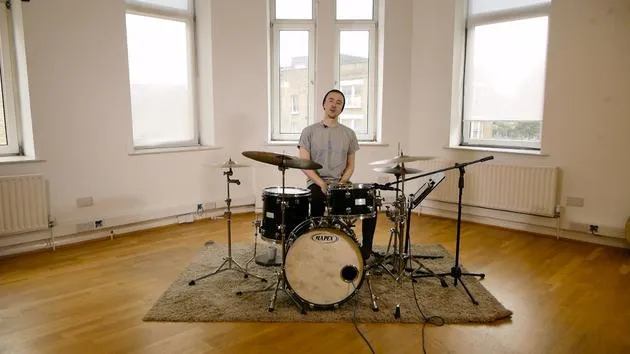
03. Getting Familiar With Your Kit
Free lesson13:15
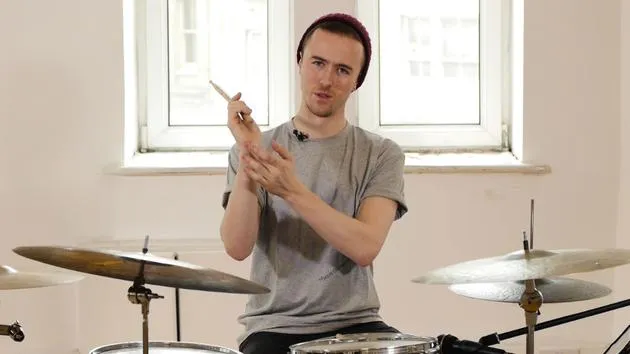
04. Stick and Foot Technique
10:18
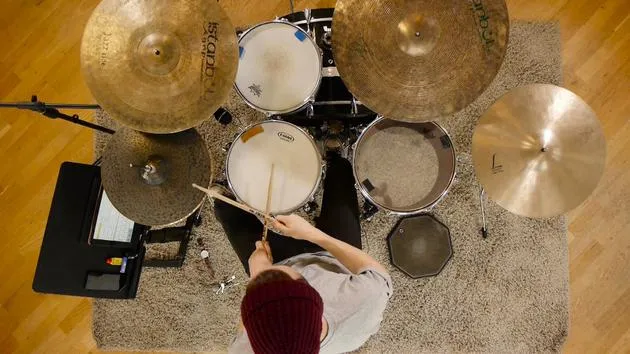
05. The Basic Beat
7:26
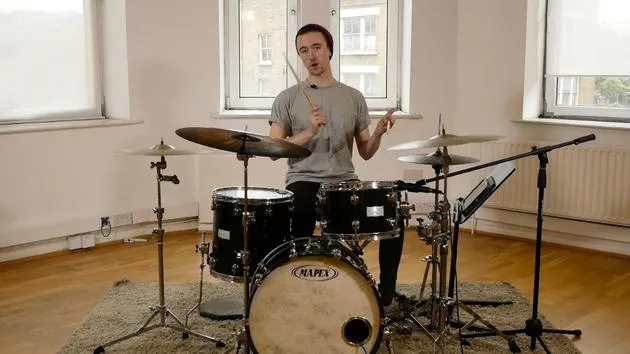
06. Crotchets and Quavers
6:05
07. Varying the Beat
8:06
08. Rudiment #1 - Single Stroke Roll
9:39
09. BONUS: Fills using the single stroke roll
5:06
10. Rudiment #2 - Double Stroke Roll
7:11
11. BONUS: Fills using the Double Stroke Roll
4:14
12. Rudiment #3 - Paradiddles
You are here5:53
13. Grooving With Paradiddles
7:03
14. Adding Semi-Quavers and Ornaments
7:28
15. Adding the Ride Cymbal and Open Hi-Hat
7:08
Lesson transcript
Music Lesson: Learning the Paradiddle
Welcome back!
Lovely to see you again. Today, we're going to learn one more rudiment.
We've already covered:
- Single Stroke Rolls
- Double Stroke Rolls
Both are reasonably simple to learn but hard to master.
Today's Focus: The Paradiddle
The third rudiment we're going to learn is called a paradiddle. It's a mixture of both single and double strokes. Here's how it breaks down:
- Right hand:
- Right, left
- Right, right
- Left hand:
- Left, right
- Left, left
Paradiddle Breakdown
So, one more time:
- Right, left, right, right
- Left, right, left, left
Tips for Practicing
What I find quite useful is to put one hand on a different surface, whether it's the floor tom, rack tom, hi-hat, or anything else. This way, you can hear how the sticking works.
If I play it on the snare drum correctly, it might sound like this:
"Bum, bum, bum."
However, it's good to practice on the snare because it's very clear and obvious if you're getting it right rhythmically.
But when you put your right hand on the floor tom, you hear a kind of melody, making it a bit easier to learn. Maybe I'm wrong, but give it a go!
Learning Process
Like the other two rudiments, we'll learn the paradiddle first as crotchets, then quavers, and finally semiquavers.
Crotchets
- Stay relaxed; playing these paradiddles quickly will be hard if you're tense.
Practice Example
-
Crotchets:
Hi-hat on all the crotchets.Count:
1, 2, 3, 4.- Right, left, right, right
- Left, right, left, left
Count again:
1, 2, 3, 4.
2, 2, 3, 4.
Important Note
Notice that when we play the paradiddle, a right-handed paradiddle sounds like:
- Right, left, right, right
And a left-handed one sounds like: - Left, right, left, left
It takes two bars to resolve (twice as long). Just keep an eye on this!
Count:
1, 2, 3, 4.
2, 2, 3, 4.
Moving On to Quavers
Now let's try it with quavers. The challenging part is remembering which side you're playing when the beat changes.
Practice Example
- Count:
1, 2, 3, 4.- Right, left, right, right
- Left, right, left, left
- Right, left, right, right
- Left, right, left, left (quavers)
Finally, Semi-quavers
Now let's try semiquavers. Begin dead slow to ensure you get the coordination right.
Practice Example
- Count:
3, 4.
"I think that sounds quite cool, actually!"
We're going to use that as our fill on beat four of our quaver.
Example Structure
- Three bars of quaver beat three.
- The fourth bar is going to be our fill in semi-quavers for the paradiddle.
Again, let's take it dead slow and aim for accuracy. Playing something simple and slow can still sound really, really good.
Conclusion
At the end of this lesson, we now have three rudiments together:
- Single Stroke Roll
- Double Stroke Roll
- Paradiddle
And we've used them all in fills.
Thanks very much for watching, and I'll see you again soon!
15 lessons
1h 43m of structured video lessons
Advanced video features
Slow down, loop a passage, follow along
Mobile, tablet & desktop
Practise wherever you are
100% satisfaction guarantee
30-day money-back guarantee
Meet your guru
Meet your guru
Harry Pope is a London drummer and a graduate of the jazz programme at Trinity College of Music. He has played with Brit Award winner Eddi Reader, guitarist Jim Mullen, Graeme Duffin of Wet Wet Wet, and the Royal Scottish National Orchestra Big Band. His beginner course starts from the kit up - posture, grip, timekeeping and your first grooves - at a pace that suits anyone picking up sticks for the first time.







