



The Basic Beat
With
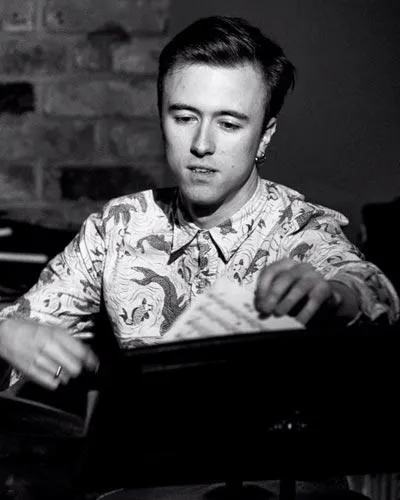
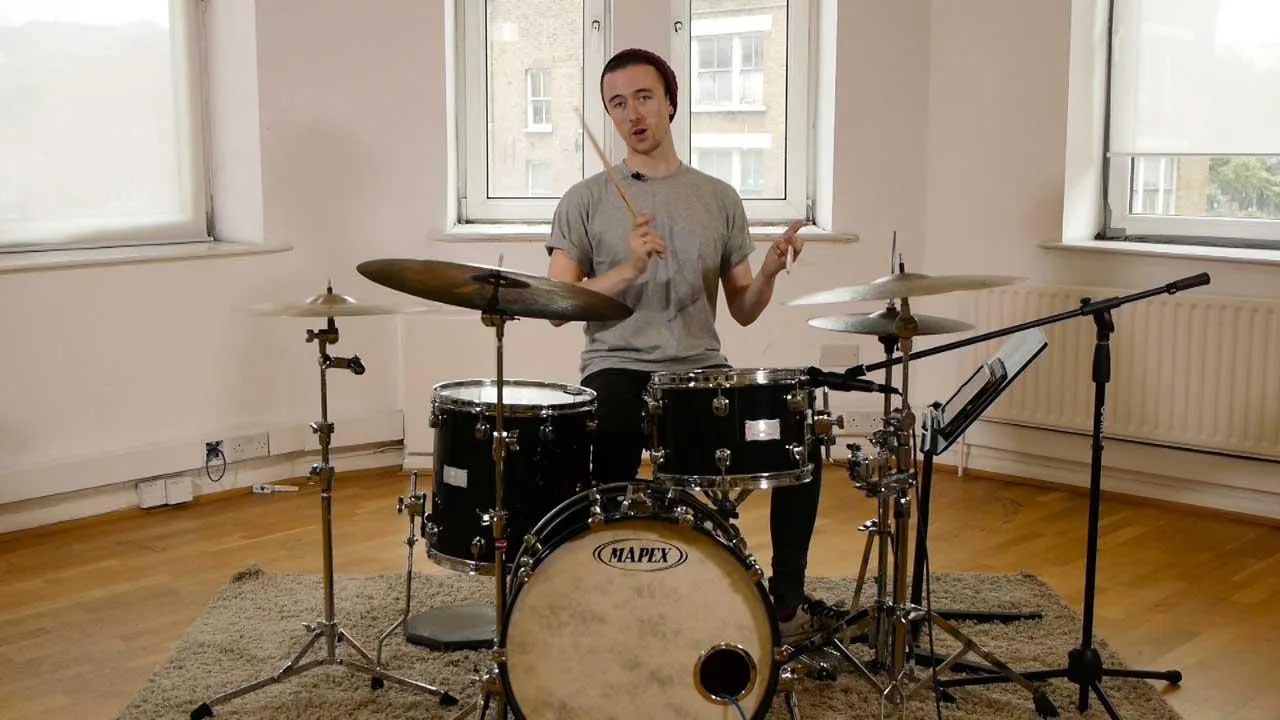
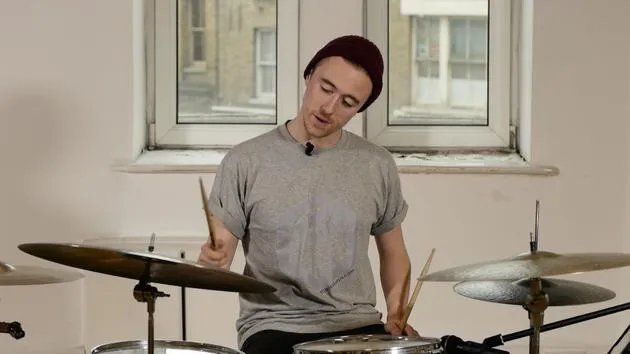
Harry PopeHarry Pope teaches your very first drum beat, breaking down how to group notes, feel time and count subdivisions.
What's in the course
15 lessons (1h 43m) · 3 free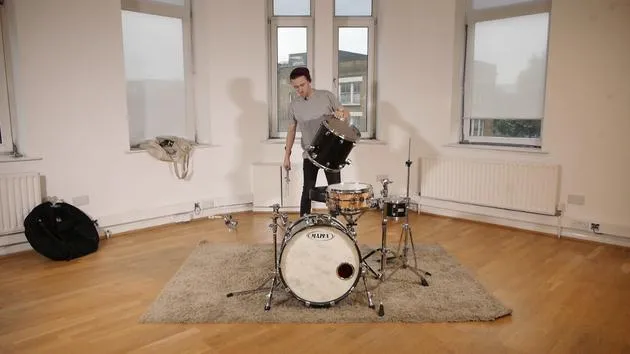
01. BONUS: Setting up the drum kit
Free lesson2:36
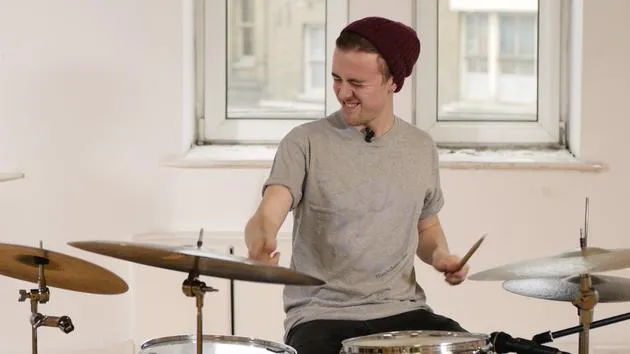
02. Meet Harry
Free lesson2:01
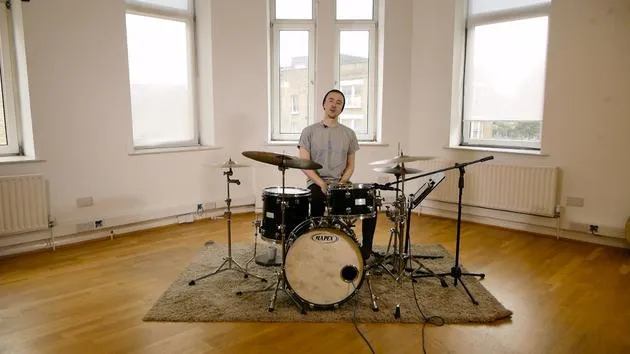
03. Getting Familiar With Your Kit
Free lesson13:15
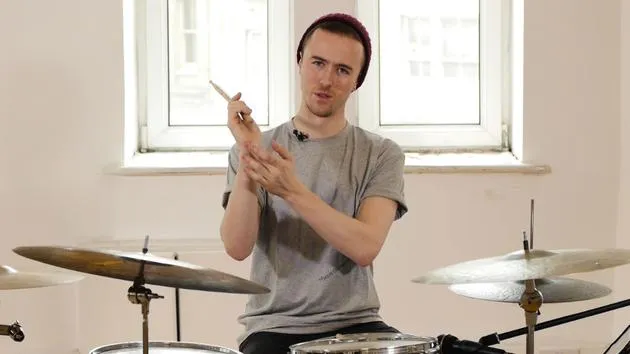
04. Stick and Foot Technique
10:18
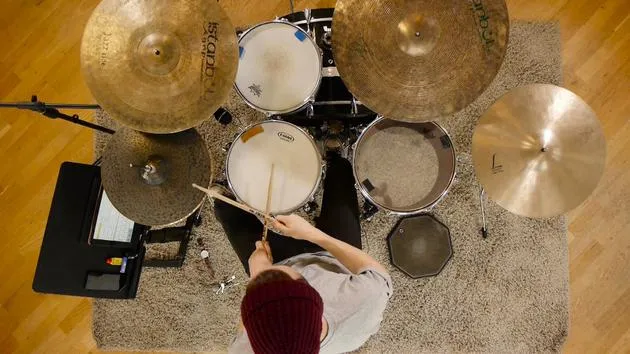
05. The Basic Beat
You are here7:26
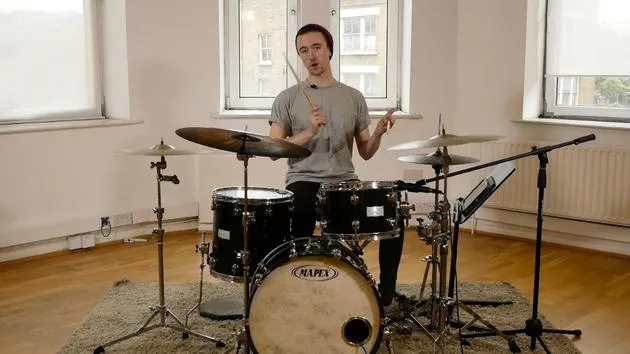
06. Crotchets and Quavers
6:05
07. Varying the Beat
8:06
08. Rudiment #1 - Single Stroke Roll
9:39
09. BONUS: Fills using the single stroke roll
5:06
10. Rudiment #2 - Double Stroke Roll
7:11
11. BONUS: Fills using the Double Stroke Roll
4:14
12. Rudiment #3 - Paradiddles
5:53
13. Grooving With Paradiddles
7:03
14. Adding Semi-Quavers and Ornaments
7:28
15. Adding the Ride Cymbal and Open Hi-Hat
7:08
Lesson transcript
Lesson 3: Starting to Play Some Beats
Okay, welcome back! This is lesson three, and we're actually going to start playing some beats now, which I'm sure you've been waiting for. I have.
Introduction to the Beat
First of all, I'm just going to play it to you in its most basic form, and then we'll go from there.
"Simple. Dead simple."
Understanding Subdivisions
So, what we're going to talk about first is the way that we group notes and feel time. If I mention something called subdivisions, that's how I break up a beat.
- The notes I'm playing just now are called crotchets.
- Each one of those lasts one beat.
Let's count that together:
1, 2, 3, 4.
1, 2, 3, 4.
Okay, so those are called crotchets and they last one beat.
"Crotchet, one beat again."
1, 2, 3, 4. Good.
Hand Positioning
What we're going to start doing first is figuring out where to position your hands.
- I'd like your right hand to cross over your left hand so your right hand reaches the hi-hat.
- If you're left-handed, I want you to do that anyway.
"If you start off playing as a left-handed drummer and set your whole kit up the other way, eventually you'll have to reset the kit at a jam night."
I know loads of left-handed drummers that play on a right-handed kit, and they sound great!
So, my advice is:
- Right hand on the hi-hat
- Left hand centered on the snare drum
- Feet on the pedals (and remember, you will never take your feet off the pedals)
Playing the Beat
Now that we've got our hands crossed over, we're going to play the hi-hat on all four beats and then the bass drum on beats one and three.
- Right now, we're playing four beats per bar.
- A bar is just your measurement of how we're grouping the beats.
1, 2, 3, 4.
1, 2, 3, 4.
You don't have to count out loud; you can count in your head. But it's really, really important that you always know what beat you're on.
"If I was playing a song, if I don't know what beat one is, then it's all over. I would never work again."
So far, we've got the bass drum on beat one and beat three, and the hi-hat on all four beats.
Adding the Snare Drum
Now, we're going to start adding the snare drum in as well. The snare drum will play on beats two and four, every beat that the bass drum isn't playing.
So, the bass drum and snare drum together will sound like this:
[Demonstration]
Okay, let's try it all together.
Important Tips for Beginners
It's really important to start off any groove, whether simple or difficult, very, very slowly.
- Let your limbs get used to what they have to do.
- If you have to stay without the snare drum for a while, just go with the bass drum and hi-hat.
Once you're comfortable, take it dead slow. If you're finding it difficult to play in time, just figure it out really, really slowly.
- Bass drum and hi-hat together.
- Snare drum and hi-hat together.
Once you're comfortable with that, speed it up a little so that it's now in time.
"Just because it's simple doesn't mean that it can't sound really, really good."
Relaxation and Confidence
Make sure everything is comfortable. Have no tension in your shoulders. It's tempting to look unnatural when you're stressed.
- Be nice and relaxed while keeping steady.
Once you're comfortable, you can try playing along to a song, though that's not obligatory just yet.
A Musical Context
Once you've got it to a nice speed, I find that "Signed, Sealed, Delivered" by Stevie Wonder is really good for this.
"Excuse my horrific singing on this. I'm no singer whatsoever."
Immediately, we've got something that works in a musical context.
- Any rock band member playing a simple rock beat won't be bothered as long as it's in time, steady, and confident.
Confidence is big!
"You're never going to get somebody in a rock band without the kind of oomph and attitude that you want from it."
Keep that crotchet pulse strong! Each crotchet lasts one beat.
Conclusion
So that's what we've learned today: A groove between the bass drum, the snare drum, and the hi-hat.
Thank you very much for watching! I'll see you in lesson four.
15 lessons
1h 43m of structured video lessons
Advanced video features
Slow down, loop a passage, follow along
Mobile, tablet & desktop
Practise wherever you are
100% satisfaction guarantee
30-day money-back guarantee
Meet your guru
Meet your guru
Harry Pope is a London drummer and a graduate of the jazz programme at Trinity College of Music. He has played with Brit Award winner Eddi Reader, guitarist Jim Mullen, Graeme Duffin of Wet Wet Wet, and the Royal Scottish National Orchestra Big Band. His beginner course starts from the kit up - posture, grip, timekeeping and your first grooves - at a pace that suits anyone picking up sticks for the first time.







