


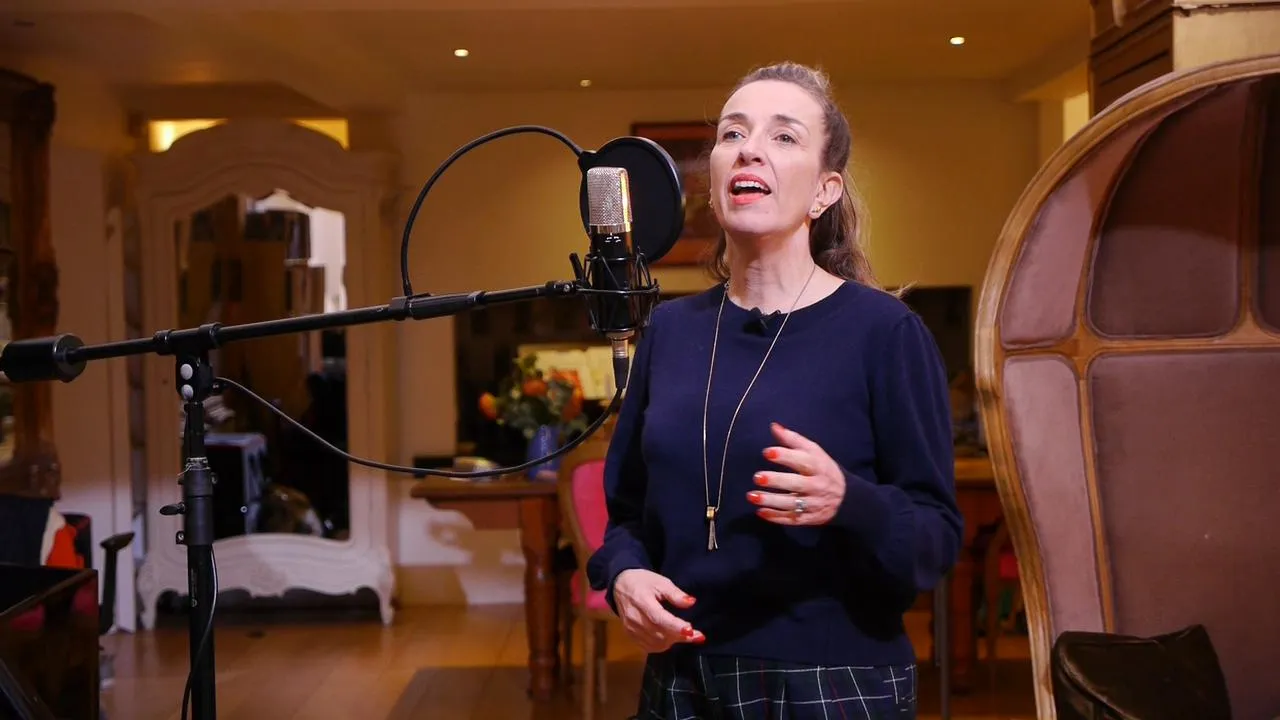
Vocal warm-up with sirens

With
Juliet RussellJuliet Russell shares gentle warm-up exercises to protect your voice, using voiced fricatives, sirens and lip bubbles to ease the vocal folds before singing.
What's in the course
23 lessons (1h 55m) · 1 free
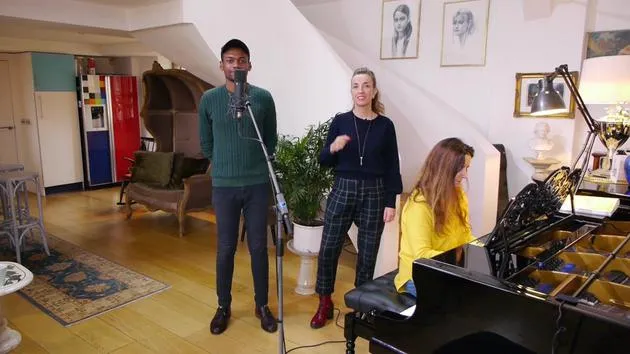
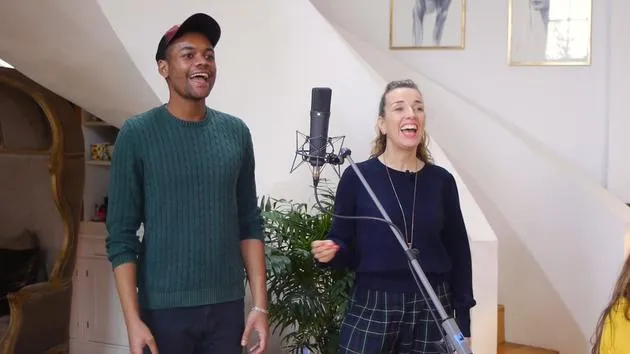
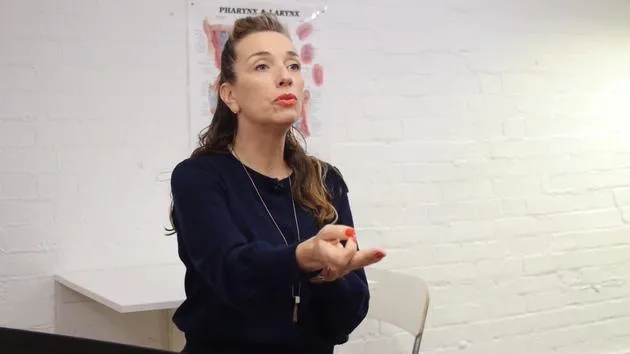
Lesson transcript
Warming Up the Voice
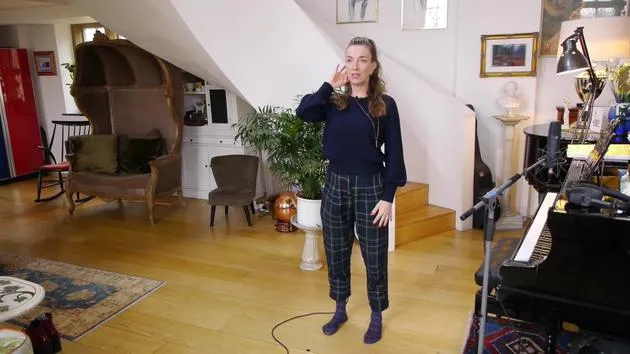
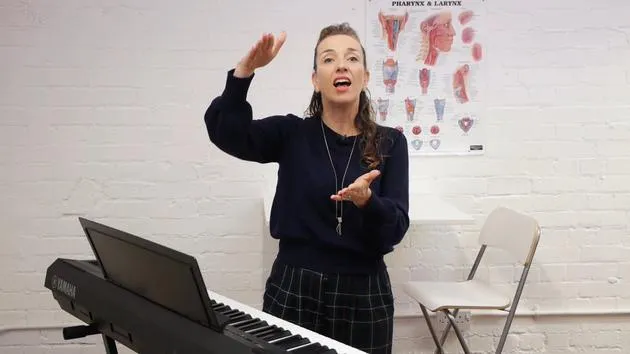
In this lesson, we're going to look at warming up the voice. Now, a lot of vocal warm-ups basically involve making funny noises, but there are some really good reasons to warm up your voice.
The Importance of Vocal Care
The care and maintenance of your voice is of utmost importance. Even though our larynx is doing an amazing job and our vocal folds do an amazing job, they need care. Warming up helps us develop healthy habits with our voice.
- Always Warm Up Before Singing: It's crucial to make this a habit.
- Cool Down After Singing: This is equally important for maintaining vocal health.
Think of singing like being a sports star: you wouldn't just suddenly run 100 meters; you'd stretch and warm up first. It's the same principle for the voice.
Voiced Fricatives
We've previously looked at unvoiced fricatives and now we're going to add voicing to those fricatives.
- Where we had an S, we're going to do a Z.
- Where we had a SH, we're going to do a ZH.
- Where we had an F, we'll do a V.
Voiced fricatives are a really nice way of warming up the voice, and we use them in something called sirens.
Sirens
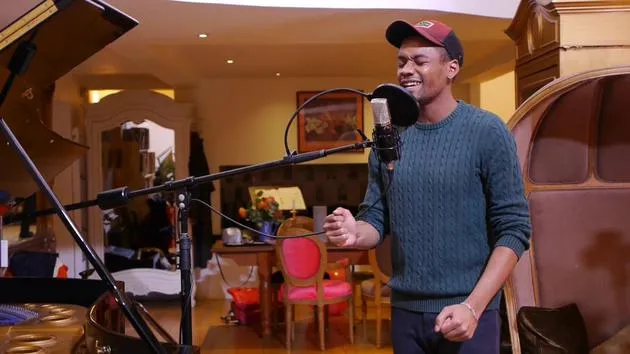
Now, why are they called sirens? Simply because they sound like a siren. The great thing about sirens is that we can work within our own range.
Remember: Every voice is unique, your voice is as unique as your fingerprint!
- Find Your Comfortable Range: Work with where you feel comfortable.
- Register Breaks: For some people, you may notice a register break when you do a siren. There are different registers within the voice, but it's still one voice. With practice, we can learn to smooth out those register breaks.
Note: Sometimes, a register break is desirable, like when singing "Zombie, Zombie." It uses that quick change. However, you may sometimes prefer a smooth transition, which we'll discuss later.
Practicing Sirens
So, to start off, we'll use a Z sound. Here's how to do it:
- Find a Low, Comfortable Note: Start by sliding up.
- Demonstration: I'm going to sing it to demonstrate, but you don't have to match my notes. Your range will be different, so focus on comfort.
Remember: A siren is basically a slide up and down.
- Try it out with a Z:
- Just have a little go at that sound.
- Or in your range, you might want to go Z, whatever feels comfortable.
Conducting the Exercise
- Play around with that sound; you can even try a V.
- If your voice cuts out or there's a gap, the best approach is to go slightly underneath it and slower.
Take Your Time: The most important thing here is to warm up all the notes across your range.
Additional Sounds for Warm-Up
There are other sounds that work really well with sirens:
-
NG Sound:
- Play around with the sound at the end of "sing" (N N).
- Aim for a pleasant resonance, not too nasal or blocked.
-
Lip Bubbles:
- Some people find this easier with hands on their cheeks: Brr.
- Just have fun experimenting with it!
-
R Sound:
- This can be a bit tricky, but if you can do it, it's really useful!
Transition to Structured Sirens
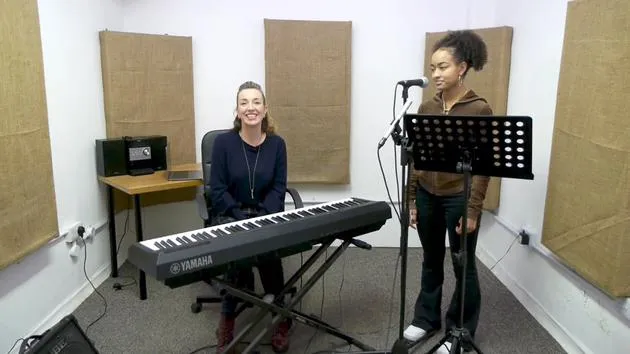
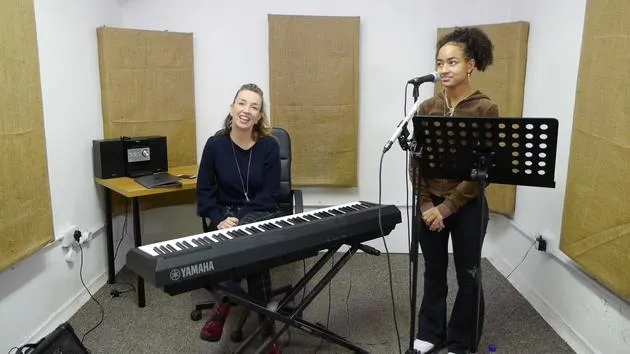
Now, we're going to move over to the piano. It's exciting because we're going to do a few more structured sirens, starting with smaller increments and gradually building up.
23 lessons
1h 55m of structured video lessons
Advanced video features
Slow down, loop a passage, follow along
Mobile, tablet & desktop
Practise wherever you are
100% satisfaction guarantee
30-day money-back guarantee
Meet your guru
Meet your guru
Juliet Russell is a singer, composer, vocal coach and choir director. She is passionate about supporting individuals and communities to develop their voices and creativity.
A vocal coach on ITV’s The Voice, The Voice Kids and BBC’s Michael McIntyre’s Big Show, Juliet has also worked with Grammy, Brit, MTV Europe and MOBO award winning artists. She has collaborated and performed with innovative artists including Damon Albarn, Imogen Heap, Paloma Faith, alt-J, Yoko Ono, Seal and Ringo Starr.
In 2015, supported by the Arts Council of England, she toured her Earth Meets Sky album, with local musicians and community choirs to create ten unique performances throughout the UK. She is regularly commissioned to create new choral pieces and vocal arrangements and has performed nationally and internationally.
Committed to artist development, Juliet mentors and coaches emerging artists, working with management, record and publishing companies as well as independent artists. She has a vocal studio in the heart of London’s vibrant Brick Lane.
Juliet was a founding artistic director of Sense of Sound and creative director of Sing Up Greenwich and Sing Late at the V&A. She leads the Portobello Live Choir, a community choir in West London, Assemble professional choir and is a trainer for the British Lung Foundation’s Singing for Lung Health programme.