



Old Joe Clark
With
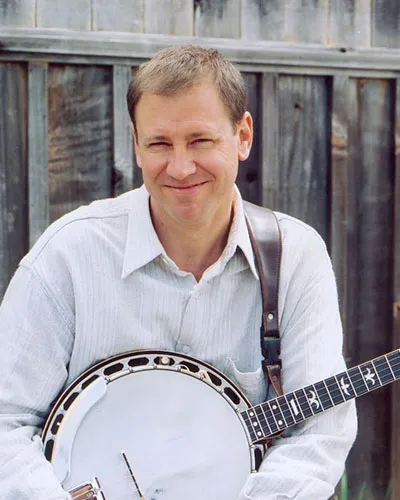
Avram SiegelAvram Siegel teaches 'Old Joe Clark', an old fiddle tune that's become a bluegrass banjo standard, with its simple melody and a common B-part variation.
What's in the course
33 lessons (1h 35m) · 1 free
Lesson transcript
Old Joe Clark - Music Lesson
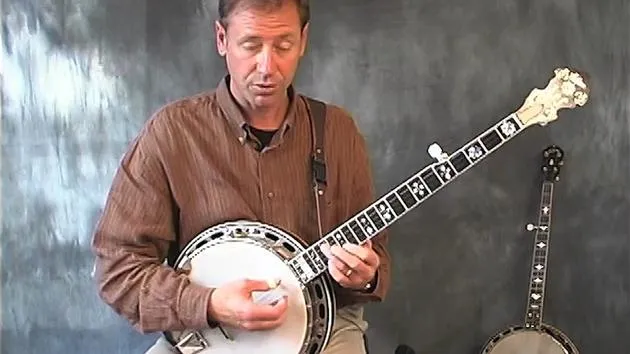
So let's learn our next song: Old Joe Clark.
It's an old fiddle tune and a mainstay of the banjo. The basic melody is simple, and you could even try playing it with some of your rhythm patterns. I'll let you mess around with that a little bit.
Understanding the Melody
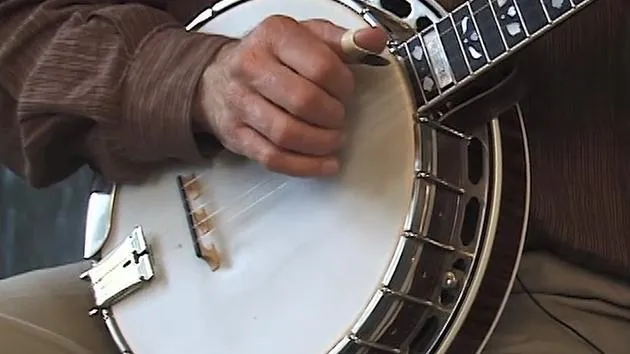
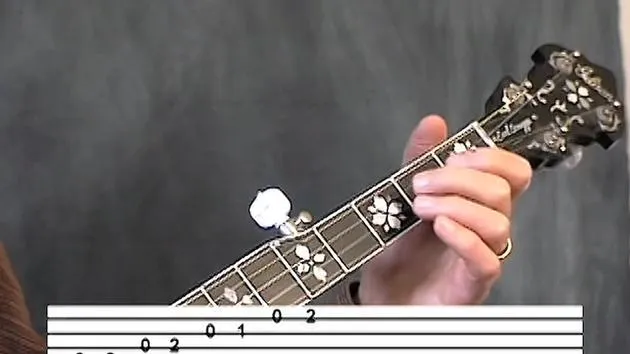
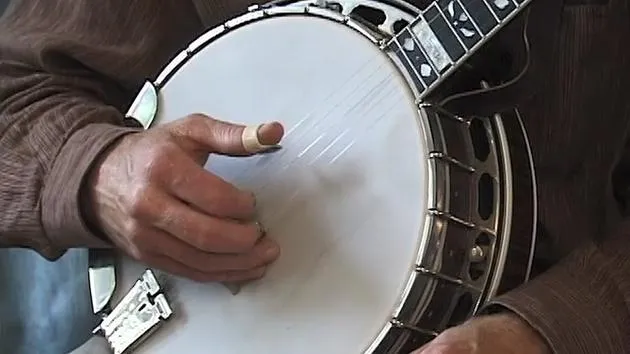
You'll notice right there that the melody happens with the pinches. Another thing about this tune is that there are two ways it frequently gets played:
- I've just played it with an F note in the second part, the variation.
- I'm going to play the alternate way the B part goes on this song.
We're going to learn the first way first because that's the way it's most commonly played in bluegrass circles at this time.
The Whole Tune
We know our melody, so here's how the whole tune goes. Now we will do a slow version.
Tips for Playing Old Joe Clark
There are a couple of things I wanted to mention about Old Joe Clark:
-
Finger Twister:
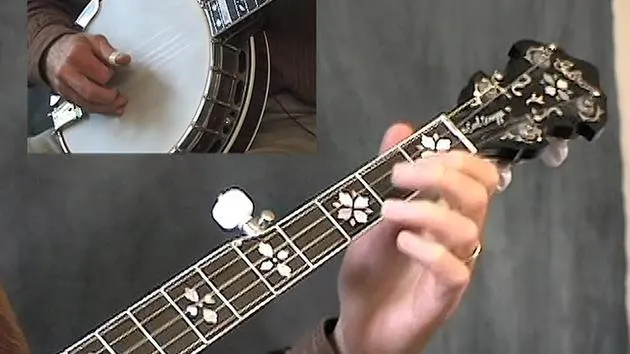
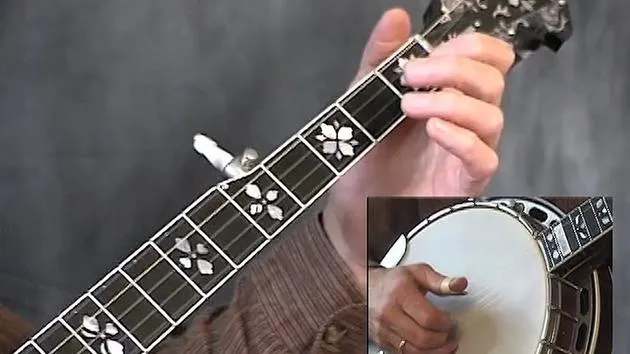
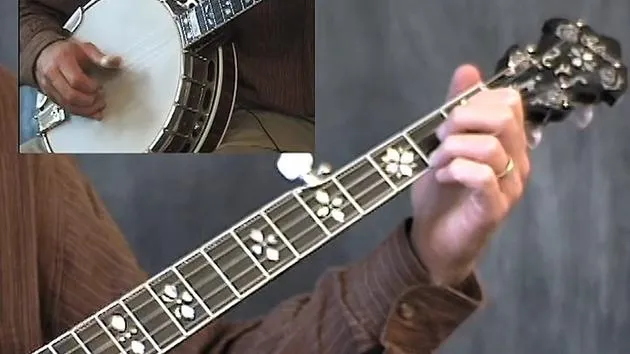
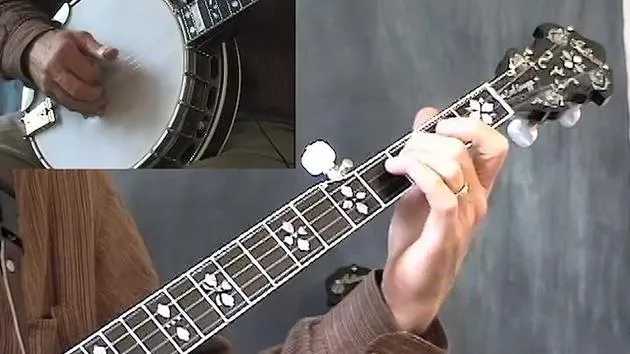
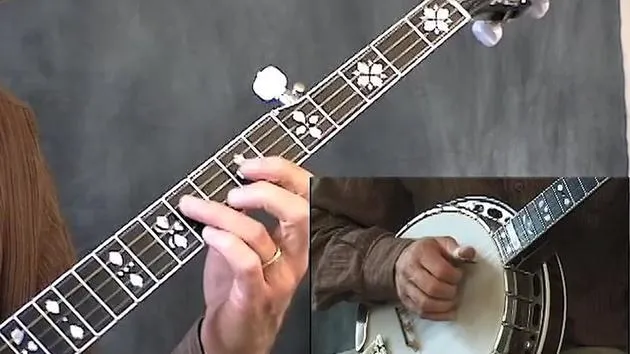
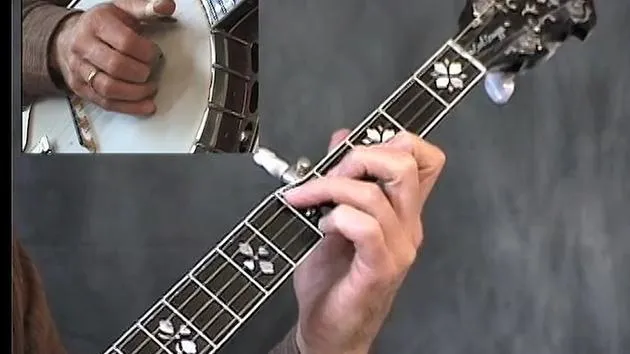
- At the very beginning, that little spot there is a little finger twister. You kind of go in between all your fingers, and it's really easy for your fingers to get tied in a knot there.
- The trick is to isolate which finger is doing the work at this point. Try not to have pressure on both of those fingers at once.
-
Finger Placement:
- Make sure you're switching to your next finger. Also, try not to place a finger before you need to play it.
- For instance, there's a tendency for most people to try and place their index finger too soon, and then their brain thinks they've already played it.
-
Timing:
- Then the rest of the fingers, the rest of the measure, will be ahead by one note. So make sure you wait to hear the note.
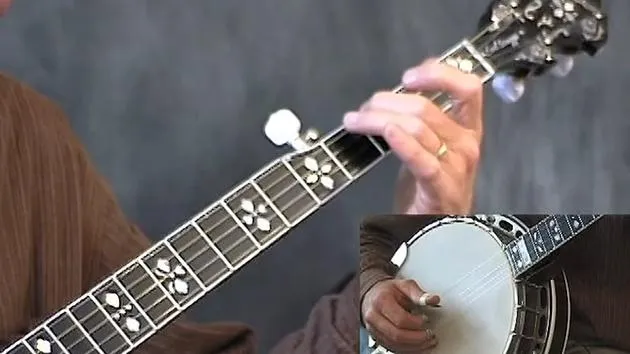
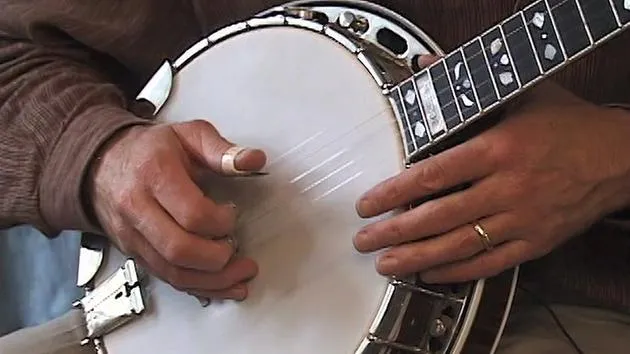
- Try to be really aware of when you hit that left-hand note and when the right hand is hitting. Be deliberate about placing them at the same time.
-
The Forward Roll:
- There's a forward roll in the ending right there, just to notice.
-
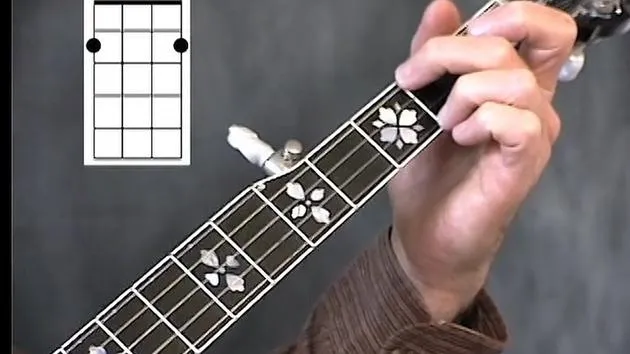
Playing the F Chord:
-
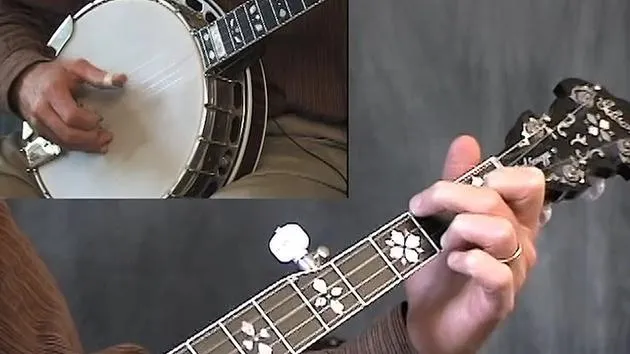
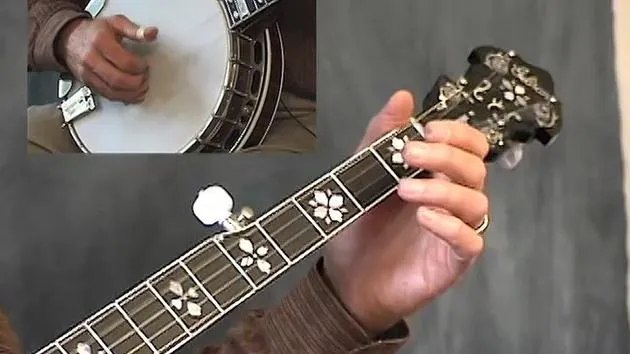
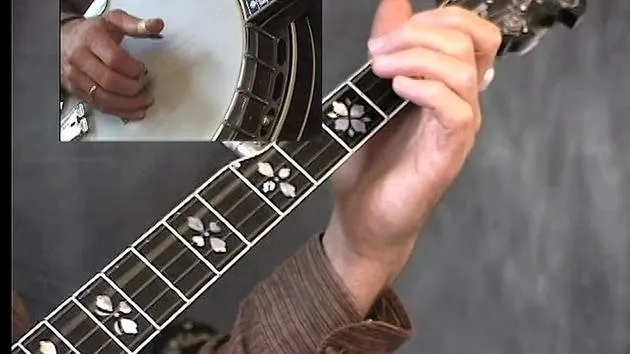
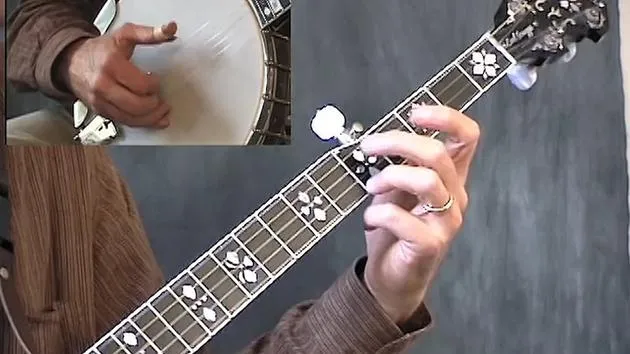
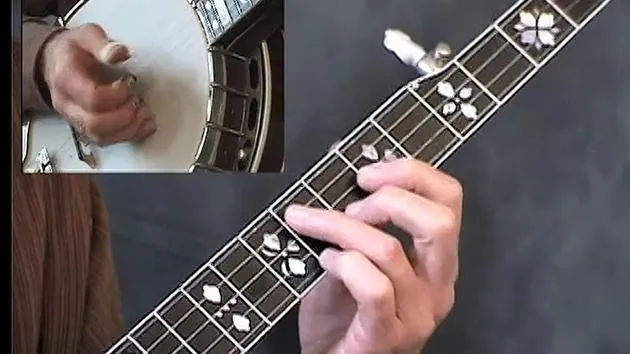
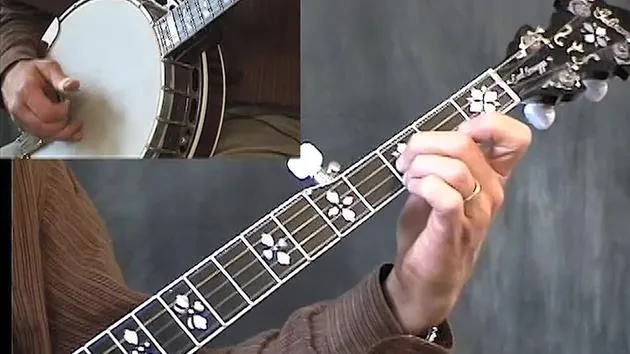
In the B part, when it goes to the F chord, you'll be tempted to try to play the whole F chord before continuing.
-
At first, you'll probably end up having to put your fingers down one at a time.
-
I've noticed people usually start with their first string finger down first and build their way down to the low string. That seems to be what people do.
-
The thing is, the first note we need is the low note, and our finger is already on that string.
-
Building the F Chord
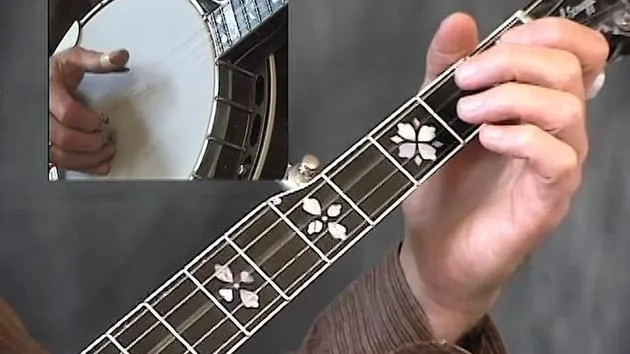
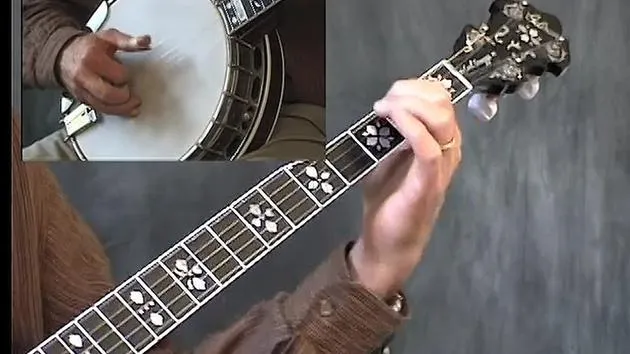
You might start by playing just that low note and then adding the next. This is a way to get that measure really clean and to build that F chord.
It can be tricky having to get all those fingers down, so if you realize you don't have to place them all at once, it can be helpful. Make sure you place them in the order that you need them.
Alternate Version
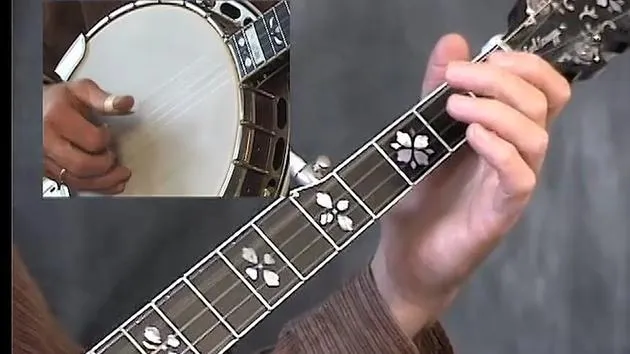
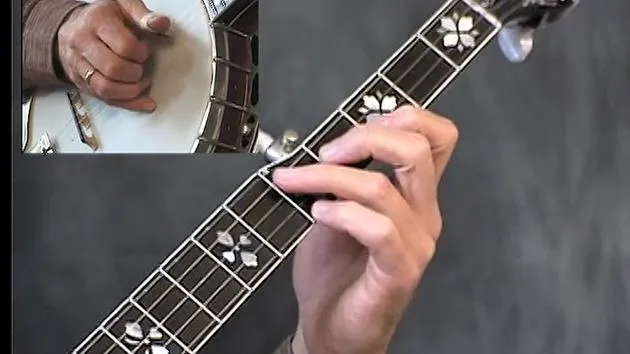
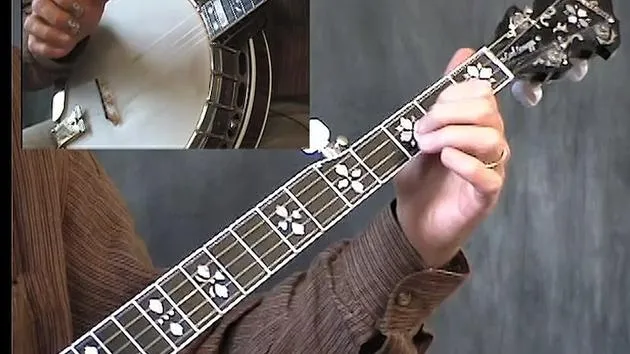
Now I'll give you the alternate version of Old Joe Clark, the B part. The difference is the chords of the original version that we just did have an F chord in them.
The alternate version has a D chord there.
Here's the alternate version.
33 lessons
1h 35m of structured video lessons
Advanced video features
Slow down, loop a passage, follow along
Mobile, tablet & desktop
Practise wherever you are
100% satisfaction guarantee
30-day money-back guarantee
Meet your guru
Meet your guru
Avram Siegel is a banjo player and a mainstay of the California bluegrass scene. He has played with the Kathy Kallick Band and True Blue, among many others, and has taught for decades - his step-by-step method has turned out some of the state's most respected young players. In his courses he breaks down three-finger Scruggs rolls, backup and melodic playing so you can build clean timing and tone at your own pace.







